Skip to content
Year-End Sale is Live Now - Up to 50% off
New users? Get 5% off on your first purchase.
Free US shipping over $100
Year-End Sale is Live Now - Up to 50% off
New users? Get 5% off on your first purchase.
Free US shipping over $100

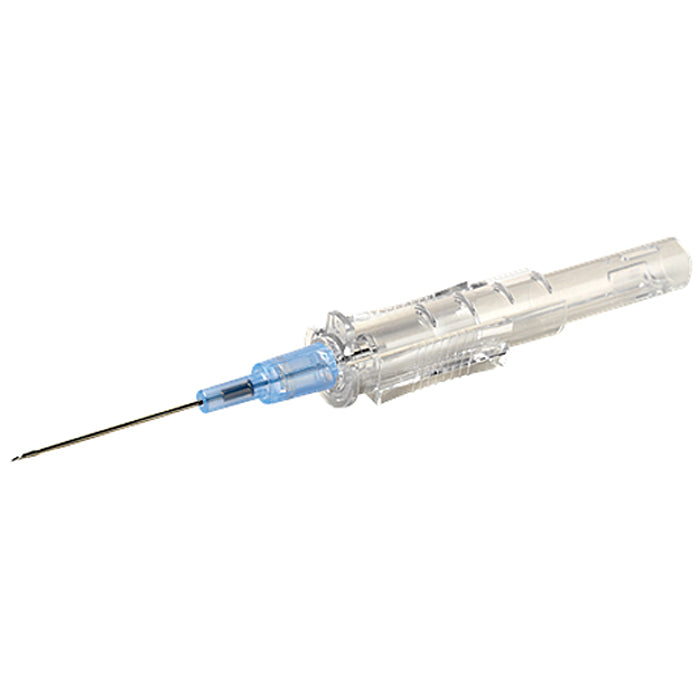
IV Catheter Needles PROTECTIV Plus Retracting Safety

Year End Sale 28%
Original price $ 5.95
Current price $ 4.30
SKU 3068
*Mountainside Medical does not fill personal prescriptions Medical Professional License Required to Unlock Account

How to Order:

Send an email request to: sales@mountainside-medical.com

You will receive instructions on how to create an account along with Rx Ordering Details.

(Note: Acceptable licenses must have Prescriptive Authority in the license issuing state.)
The Smiths Medical PROTECTIV Plus Safety IV Catheter Needles utilize a two-step safety mechanism that effectively guards healthcare workers against accidental needlesticks. The first step is a safe locking mechanism that is activated when the needle is retracted from the patient. The second step is an integrated needle shield that automatically deploys when the needle is exposed, providing an extra layer of protection against accidental needle stick injuries.

Protective Safety IV Catheter Needles provide healthcare professionals with an added level of safety when administering intravenous therapy. The needle guards are activated with the push of a button, which retracts the needle into the housing after use. This not only eliminates the need for needle-sticks, but also keeps the needle hidden from view until it is ready for use.

Protective Safety IV Catheter needles are used to provide a sterile and safe environment when administering intravenous medications. The needles have a protective shield that covers the sharp point, which helps to prevent accidental punctures and exposure to bloodborne pathogens. They also have a lightweight design that makes them easy to use.
IV Catheter Needles PROTECTIV Plus Retracting Safety
$ 5.95 $ 4.30
🔒 Medical License Required
FAQs About IV Catheter Needles
  • What is an IV Catheter?

    An IV catheter (intravenous catheter) is a flexible, sterile medical device inserted into a vein to provide direct access to the bloodstream for the administration of IV fluids, medications, blood transfusions, and for blood sampling. IV catheters are essential in emergency departments, surgeries, hospitals, clinics, and home infusion therapy for both adults and pediatric patients.

  • What is the Difference Between an IV Cannula and IV Catheter?

    IV cannula and IV catheter are often used interchangeably. An IV catheter technically refers to the flexible tube inserted into the vein. The IV cannula is a catheter introduced by using a needle (called a stylet) which is withdrawn after catheter placement. Both serve the same purpose: providing intravenous access.

  • What is the Difference Between a Catheter and an IV Line?

    Catheter: The actual flexible tube inserted into the vein. IV line: The entire system, including the catheter, extension tubing, and the infusion set connecting to IV fluids or medications.

  • Is it Painful to Get an IV Catheter?

    Most patients experience mild discomfort or a quick pinch during insertion, but modern ultra-sharp needles and smooth catheters make the process minimally painful. Pain is brief and usually subsides quickly.

  • What are the Three Types of IV Catheters?

    Peripheral IV Catheter: Most common, placed in hand, forearm, or foot vein for short-term use. Central Venous Catheter (CVC): Inserted into large veins (e.g., subclavian, jugular) for long-term therapies. Midline Catheter: Longer than peripheral, but not a central line. Used for intermediate-term treatments.

  • How Long Can an IV Catheter Stay In?

    Peripheral IV catheters: Typically changed every 72–96 hours or sooner if signs of infection or malfunction. Central venous catheters: Can stay for weeks to months with proper care. Always follow hospital protocol and CDC guidelines.

  • What is Another Name for an IV Catheter?

    Other names include IV line, IV cannula, intravenous cannula, peripheral line, or "drip.

  • Which Vein is Preferred for IV Catheters?

    The antecubital vein (in the bend of the elbow), dorsal hand veins, and the cephalic vein are most frequently used due to accessibility and size.

  • Does an IV Catheter Have a Needle?

    An IV catheter is inserted using a sharp needle (stylet), but the needle is withdrawn after insertion, leaving only the soft catheter in place inside the vein for infusion.

  • What Are the Four Main Types of IV Fluids?

    Normal Saline (0.9% Sodium Chloride) Lactated Ringer’s Solution Dextrose Solutions (D5W, D10W) Half Normal Saline (0.45% Sodium Chloride) These fluids restore hydration, electrolyte balance, and provide energy or medication delivery.

  • Is an IV Catheter a Sharp?

    The needle used for insertion is a sharp, but the catheter itself is a soft, flexible tube. Proper disposal of both is essential for safety.

  • What Does Getting an IV Feel Like?

    Most describe it as a quick pinch or sting during insertion, followed by slight pressure or a mild ache if the IV is in for a long period. If you experience pain, swelling, or burning after placement, notify a nurse immediately.

  • How is an IV Catheter Inserted?

    Site is cleaned and prepped. Tourniquet applied to make the vein prominent. Needle with catheter inserted into vein. Needle withdrawn, catheter left in place. Secured with dressing and connected to IV line. Flush and check for blood return.

  • Can You Shower With an IV Line?

    It is possible but special waterproof dressings are needed. Always follow your healthcare provider’s instructions to avoid infection.

  • Can an IV Catheter Break Off in the Vein?

    Rare, but possible if mishandled. This is why only trained professionals should insert or remove IV catheters. If breakage is suspected, seek immediate medical attention.

  • What Happens If IV is Not in Vein?

    If the IV catheter is not properly in the vein (infiltration), fluids/medications may leak into surrounding tissue, causing swelling and discomfort. IV should be stopped and restarted in a new vein.

  • When Should an IV Catheter Be Removed?

    Signs of infection (redness, swelling, pus) Malfunction (no infusion flow, pain, infiltration) After completion of therapy, or per hospital policy (usually every 72–96 hours for peripherals)

  • Is an IV Catheter a Needle?

    No. The catheter is a soft, flexible tube. Only the needle is sharp and is removed after insertion.

  • How to Remove an IV Catheter?

    Wash hands, wear gloves. Stop the infusion and remove tape/dressing. Gently withdraw the catheter in a smooth motion. Apply pressure to site with gauze. Bandage site and inspect for complications.

  • Why Choose Our IV Catheters?

    Sterile, medical-grade catheters for every patient and procedure Ultra-sharp, smooth insertion for less pain Latex-free, color-coded, and available in all sizes (14G–24G) Recommended by nurses, doctors, EMTs, and hospitals worldwide Leak-proof valve for safe infusions and blood draws

Search Any Type of Product, Medication, or Alignment