



IV Start Kits for flush syringe
-
 Sale 28%
IV Start Kit with IV Guard Catheter Dressing, Extension Set, Flush Syringe 10mL, Prevantics swab and Tourniquet
Original price $ 17.95Current price $ 12.98

IV Start Kits
An IV start kit (or IV insertion kit) is a pre-assembled sterile tray containing all the supplies needed to place an intravenous catheter. In practice, it bundles together everything a nurse or Paramedic needs to “start” an IV line without searching for separate items. These kits (sometimes called “IV insertion trays” or “IV set-up packs”) typically include items such as a tourniquet, antiseptic prep pads, sterile gauze, an IV catheter with its transparent dressing, adhesive tape, etc. The goal is to save preparation time and ensure sterility: one supplier notes that using such procedural trays “reducing procedural time” and “increasing patient safety” during IV insertion.
Typical contents: While exact contents vary by manufacturer, common components of an IV start kit include:
- Tourniquet – to engorge a vein for easier access (e.g. a latex‐free rolled tourniquet).
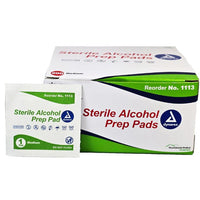
- Skin prep/antiseptics – often both an alcohol swab and a chlorhexidine or povidone-iodine prep pad for cleansing the skin.
- Sterile gauze pads – (usually 2″×2″ gauze) for cleaning up blood or applying pressure to the site.
- IV catheter and dressing – typically an IV catheter (with an integrated needle or IV-Guard dressing) or equivalent plus a transparent adhesive dressing (e.g. Tegaderm) to cover and secure the catheter once inserted.
- Adhesive tape or securement – a roll of medical tape (e.g. trans-pore tape) or additional adhesive strips to help anchor the catheter/tubing.
- Other supplies – many kits also include a pair of sterile examination gloves, an ID label (patient identification sticker), and a disposal bag. For example, one kit lists a paper patient label along with a sterile drape and gauze.
By packaging these items together, IV start kits improve efficiency and safety. Clinicians can open the kit and immediately have everything needed to insert an IV in a controlled, sterile manner. In short, an IV start kit is simply a complete IV access starter pack – a sterile tray with tourniquet, antiseptic wipes, catheter/dressing, gauze, tape, etc. – designed to streamline IV catheter insertion.
Purpose and Benefits
Efficiency: By having all necessary items in one package, clinicians can set up much faster. Instead of searching for individual supplies, they open the kit and immediately have everything needed. This is especially valuable in emergency or high-volume settings.
Sterility and Safety: Kits are prepared and packaged under sterile conditions and are intended for one patient only. Using a new kit for each IV insertion helps maintain aseptic technique. For example, once opened, a kit lays out all sterile supplies on a field so the clinician can wear gloves, apply a tourniquet, clean the skin, and insert the catheter without contamination. Proper use of the sterile kit reduces infection risk. One medical resource notes that using these procedural trays can “increase patient safety” during IV insertions.
Standardization: Having a standard kit helps ensure no critical item is forgotten. Most kits include the basic essentials so that any trained provider can follow their facility’s IV insertion protocol with a consistent set of tools at hand.
Using an IV Start Kit
When preparing to insert an IV, the clinician should follow normal medical protocols (e.g. hand hygiene, patient identification, and checking equipment). The IV start kit is then opened just before use, and its contents are placed on a sterile field. Typically, the sequence is:
- Apply sterile gloves from the kit or your supply cabinet.
- Use the tourniquet to engorge the chosen vein.
- Cleanse the insertion site with the antiseptic pad(s) provided (alcohol swab and/or chlorhexidine wipe).
- Unpack the IV catheter and insert it into the vein per standard procedure.
- Remove the needle, leaving the catheter in place, and immediately cover the site with the transparent adhesive dressing included.
- Secure the catheter/tubing with the tape strips or securement devices from the kit.
- Label the dressing or tubing with the patient ID label included.
- Dispose of the used needle and other waste in the sharps/disposal bag.
Because the kit contains everything needed (catheter, dressing, tape, etc.), the clinician does not have to interrupt the procedure to find items. After use, all materials in the kit are discarded properly (the catheter needle goes in a sharps container and the rest in medical waste).
In summary, IV start kits are sterile, single-use trays that bundle all supplies necessary for peripheral IV catheter insertion. They typically include a tourniquet, skin preps, gauze, IV catheter, transparent dressing, tape, gloves, and labels. Using these kits helps healthcare providers set up quickly and safely, maintaining sterility and improving patient care.