

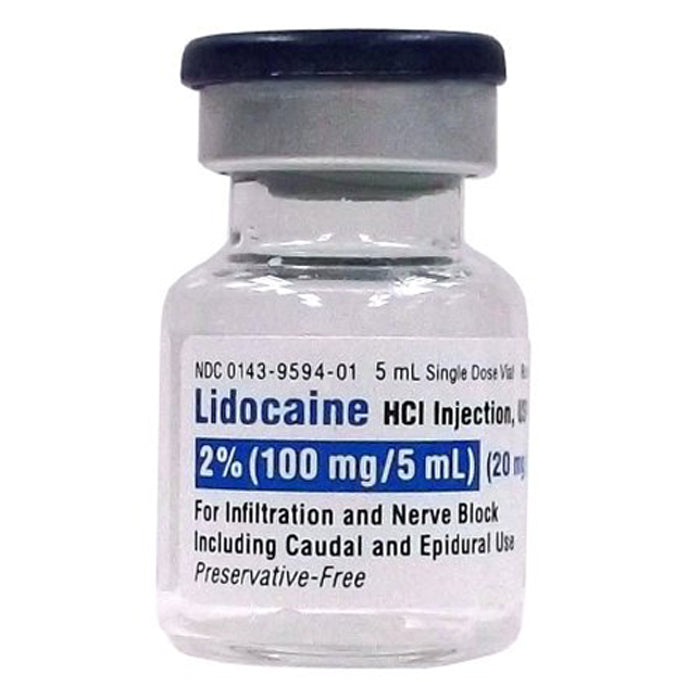
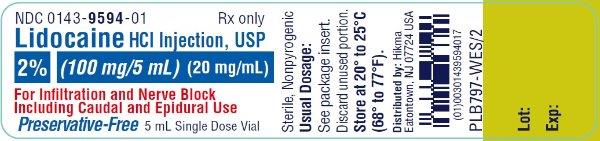

Lidocaine HCL for Injection 2% (100 mg/5 mL) Single-Dose Vials 5 mL, 25/Tray by Himka (Rx)
How to Order:
You will receive instructions on how to create an account along with Rx Ordering Details.
(Note: Acceptable licenses must have Prescriptive Authority in the license issuing state.)
Lidocaine HCL for Injection 2% is a local anesthetic used to numb specific areas of the body during surgical, dental, or diagnostic procedures. It works by blocking nerve signals in the body to alleviate pain. This injection is also utilized to treat certain types of irregular heartbeats (arrhythmias) as an antiarrhythmic agent. Widely used in both hospitals and clinics, Lidocaine HCL ensures effective pain management and stabilizes cardiac rhythm in acute care situations.
Himka Injectables presents Lidocaine HCL for Injection 2%, a versatile local anesthetic in single-dose vials designed for optimal performance in both minor surgical procedures and acute emergency interventions. With each 5 mL vial containing 100 mg of lidocaine hydrochloride, this product offers precise, reliable anesthesia delivery. Packaged in trays of 25 vials, it caters to high-demand clinical environments, demanding safety, consistency, and efficiency.
Details and Features:
-
Concentration and Formulation: Each vial contains 2% Lidocaine HCL, equivalent to 100 mg per 5 mL, ensuring precise dosing and effective anesthesia.
-
Packaging: Supplied in single-dose 5 mL vials, conveniently organized in trays of 25, ensuring readiness and ease of access in busy medical settings.
-
Indications: Ideal for local or regional anesthesia in procedures requiring a prompt and reversible block of nerve signal transmission, such as dental procedures, minor skin surgeries, and emergency insertions.
- Administration: Suitable for infiltration, nerve block, and epidural anesthesia, offering diverse applicability across various medical disciplines.
Mechanism of Action:
Lidocaine functions as a local anesthetic by blocking sodium channels in neuronal cell membranes. By inhibiting the ionic fluxes necessary for the initiation and conduction of impulses, lidocaine stabilizes the neuronal membrane. This preventive action against depolarization obstructs nerve signal propagation, achieving the desired anesthetic effect necessary for pain management during procedures.
Warnings:
-
Cardiovascular Risks: High plasma levels due to excessive dosing can lead to cardiac arrhythmias or arrest. Therefore, careful monitoring is essential.
-
Central Nervous System Reactions: Toxicity can manifest as CNS symptoms, including confusion, dizziness, tremors, or seizures. Immediate attention to early signs is critical.
-
Allergic Reactions: Although rare, hypersensitivity reactions may occur. Assess patient history for any prior reactions to local anesthetics of the amide type.
- Contraindications: Not recommended in patients with known hypersensitivity to lidocaine or its components, or those with severe heart block without pacemaker support.
Side Effects:
-
Common Reactions: Include erythema, edema, or localized discomfort at the injection site.
-
Systemic Effects: Drowsiness, tinnitus, numbness in the tongue or lips.
- Severe Reactions: Possible hypotension, bradycardia, or CNS disturbances in case of inadvertent intravenous administration or overdose.
Clinical Considerations:
-
Dosage Monitoring: Ensure dosages align with the procedure's anesthetic requirements and the patient's overall health status to mitigate risks of systemic toxicity.
-
Precision in Application: Administer with careful anatomical knowledge to avoid intravascular injections.
- Patient Assessment: Prior to administration, review patient medical history, allergies, and concomitant medications to customize anesthetic approaches effectively.
This product is intended for use by healthcare professionals with expertise in the administration of local anesthetics. Adherence to these guidelines and thorough patient evaluation will support its safe and effective utilization in varied clinical settings. For comprehensive use instructions, consult the complete prescribing information accompanying the product.
