Skip to content
Free US shipping over $100

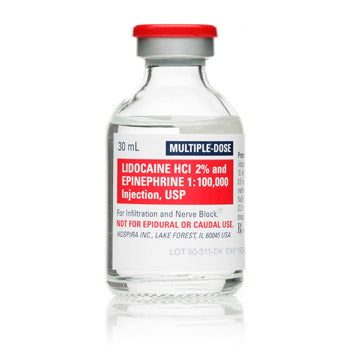
Lidocaine HCL 2% and Epinephrine 1% 1:100,000 for Injection 30 mL Multiple Dose, 25/Pack (Rx)

Sale 30%
Original price $ 325.00
Current price $ 229.00
SKU 0409-3182-02
*Mountainside Medical does not fill personal prescriptions Medical Professional License Required to Unlock Account

How to Order:

Send an email request to: sales@mountainside-medical.com

You will receive instructions on how to create an account along with Rx Ordering Details.

(Note: Acceptable licenses must have Prescriptive Authority in the license issuing state.)

Lidocaine HCL 2% and Epinephrine 1% 1:100,000 for Injection is used as a local anesthetic to provide pain relief during surgical or dental procedures. Lidocaine works by blocking nerve impulses, preventing pain sensations. The addition of epinephrine, a vasoconstrictor, reduces bleeding and prolongs the anesthetic effect by constricting blood vessels, which keeps the anesthetic in the desired area longer. This combination is ideal for procedures requiring effective and sustained anesthesia while minimizing blood loss.

Lidocaine HCL 2% and Epinephrine 1:100,000 for Injection is a combination product used primarily as a local anesthetic. The lidocaine component provides the anesthetic effect, while epinephrine acts as a vasoconstrictor to prolong the duration of anesthesia and reduce bleeding in the targeted area during surgical or dental procedures. This formulation is provided by Pfizer Injectables and is available in 30 mL multiple-dose vials, typically packaged in trays of 25 vials.

Details and Features

Active Ingredients: Lidocaine Hydrochloride 2% (20 mg/mL) and Epinephrine 1:100,000 (0.01 mg/mL)
Volume: 30 mL per vial
Packaging: 25 vials per pack
Formulation: Sterile solution for injection
Usage: Designed for local anesthesia in surgical or dental procedures
Manufacturer: Pfizer Injectables

Mechanism of Action

Lidocaine: Acts as a local anesthetic by blocking voltage-gated sodium channels on nerve cells, thereby inhibiting nerve impulse initiation and propagation. This results in a temporary loss of sensation in the area of application.
Epinephrine: Serves as a vasoconstrictor by stimulating alpha-adrenergic receptors, which reduces blood flow to the site of injection. This action helps to prolong the anesthetic effect of lidocaine and minimize bleeding during procedures.

Warnings

  • Allergic Reactions: Patients with a known hypersensitivity to lidocaine, epinephrine, or similar anesthetic agents should avoid use.
  • Cardiovascular Risk: Use cautiously in patients with cardiovascular conditions due to epinephrine's vasoconstrictive effects, which can increase blood pressure and heart rate.
  • CNS Effects: CNS toxicity can occur if systemic absorption of lidocaine is high, presenting with symptoms like confusion, convulsions, and respiratory depression.
  • Local Irritation: Prolonged use or misuse may cause tissue irritation or ischemic effects in the injection area.
  • Proper Administration: Avoid unintentional intravascular injection and inject slowly with proper aspiration techniques to prevent systemic adverse effects.
  • Precautions for Certain Conditions: Exercise caution if used during pregnancy or in patients with hyperthyroidism, hypertension, or peripheral vascular disease.

Side Effects

Common Side Effects:

  • Mild redness or swelling at the injection site
  • Temporary numbness or tingling in the area of application

Serious Side Effects:

  • Cardiovascular reactions: Tachycardia, hypertension, or arrhythmias induced by epinephrine
  • Allergic reactions: Rash, itching, difficulty breathing, or anaphylaxis
  • CNS effects: Dizziness, seizures, or respiratory arrest particularly from lidocaine overdose
  • Local reactions: Persistent numbness or potential tissue necrosis in case of misuse

Administration and Monitoring

Lidocaine HCL 2% and Epinephrine 1:100,000 should be administered by trained healthcare professionals familiar with local anesthetic techniques. Monitoring is necessary to detect any immediate adverse reactions, especially within the cardiovascular and central nervous systems. Emergency equipment and medications should be readily available during administration. Dosage should be adjusted according to the patient’s health condition, complexity of the procedure, and specific anesthesia requirements. Regular monitoring and readiness to manage any side effects or complications are essential.

Lidocaine HCL 2% and Epinephrine 1% 1:100,000 for Injection 30 mL Multiple Dose, 25/Pack (Rx)
$ 325.00 $ 229.00
🔒 Medical License Required
FAQs for Lidocaine with Epinephrine Injections - Fast, Reliable Local Anesthesia for Minor Surgery, Dental, and Wound Care
  • What is Lidocaine and Epinephrine Injection Used For?

    Lidocaine with epinephrine is used to provide local anesthesia for minor surgery, dental treatments, laceration repairs, suturing, skin biopsies, mole removals, and other medical or cosmetic procedures. Epinephrine helps constrict blood vessels, reducing bleeding and prolonging the numbing effect.

  • How Long Does Lidocaine with Epinephrine Injection Last?

    Pain relief from lidocaine with epinephrine lasts 2 to 6 hours depending on the site, dose, and individual response, making it ideal for extended procedures with less need for repeat injections.

  • How Much Lidocaine with Epi Can You Inject?

    The maximum recommended dose is typically 7 mg per kg (with epinephrine), but the exact amount should always be determined by a qualified healthcare professional based on procedure, location, and patient health.

  • Does Lidocaine with Epinephrine Make You Sleepy?

    No. Lidocaine with epinephrine is a local anesthetic and does NOT cause drowsiness. In rare cases, accidental systemic absorption or overdose may cause mild CNS effects, but sleepiness is not typical.

  • Who Should NOT Get Lidocaine Injections?

    Anyone with a known allergy to amide-type anesthetics or epinephrine Patients with certain heart conditions, severe liver problems, or infections at the injection site Those with significant cardiovascular disease should receive special consideration

  • On What Body Parts Should You NOT Use Lidocaine with Epinephrine?

    Do not inject into fingers, toes, nose, ears, or penis. These areas are at higher risk for restricted blood flow (ischemia), which can cause tissue damage due to epinephrine’s vasoconstriction.

  • What Are the Side Effects of Lidocaine Injections?

    Common: Mild redness, swelling, numbness, bruising at injection site Rare/Serious: Allergic reactions, irregular heartbeat, dizziness, blurred vision, seizures (typically with overdose), anxiety, and ringing in the ears

  • How Quickly Does a Lidocaine Injection Wear Off?

    Most effects wear off within 2 to 6 hours, but the exact time depends on location, dose, and individual metabolism.

  • Does Epi with Lidocaine Slow Healing?

    No, when used correctly. Lidocaine with epinephrine does not slow wound healing, but if misused in areas with poor blood supply, it may impact tissue health.

  • What Happens if Too Much Lidocaine is Injected?

    Overdose may cause toxicity: symptoms include dizziness, confusion, seizures, irregular heartbeat, or loss of consciousness. Medical emergencies require immediate attention.

  • How Long Does a Lidocaine Injection Stay in Your System?

    Lidocaine is metabolized in about 1–3 hours, but its numbing effect may persist up to 6 hours. Trace amounts may remain in your system up to 24 hours.

  • Does Lidocaine with Epi Increase Heart Rate?

    Yes, epinephrine may temporarily raise heart rate and blood pressure, especially if injected directly into a blood vessel or used at high doses.

  • How Much Lidocaine with Epinephrine is Safe?

    Up to 7 mg per kg of body weight with epinephrine is generally safe for adults, but lower doses are recommended for children and the elderly. Always follow professional dosing guidelines.

  • How Quickly Does Lidocaine Injection Take Effect?

    Numbing begins within 2 to 5 minutes of injection, providing fast and effective pain relief for medical and dental procedures.

  • How Can I Speed Up Lidocaine Wearing Off?

    Gently massage the injection area to increase blood flow Apply a warm compress Engage in light activity if recommended by your physician Never overwork the treated area; always follow aftercare instructions

  • Why Choose Our Lidocaine with Epinephrine Injections?

    Immediate, long-lasting pain relief for wound care, surgery & dental work Precise, medical-grade formulations for maximum safety Reduced bleeding with superior vasoconstriction Trusted by professionals in hospitals, clinics, and dental offices worldwide Sterile, easy-to-administer, and compatible with current medical guidelines Available in multiple concentrations for patient-specific dosing

Search Any Type of Product, Medication, or Alignment

Get Notified When Back in Stock