
Skip to content
Year-End Sale is Live Now - Up to 50% off
New users? Get 5% off on your first purchase.
Free US shipping over $100
Year-End Sale is Live Now - Up to 50% off
New users? Get 5% off on your first purchase.
Free US shipping over $100

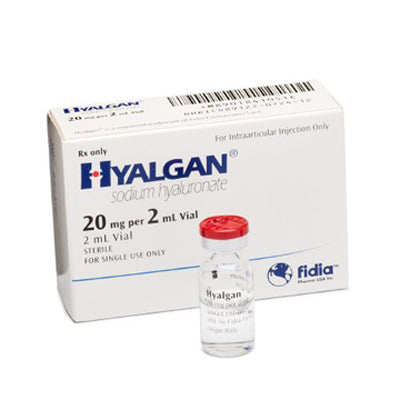
Hyalgan Injection Sodium Hyaloronate Syringe, 2 mL (Rx)

Year End Sale 52%
Original price $ 598.00
Current price $ 289.00
SKU 89122-0724-20
*Mountainside Medical does not fill personal prescriptions Medical Professional License Required to Unlock Account

How to Order:

Send an email request to: sales@mountainside-medical.com

You will receive instructions on how to create an account along with Rx Ordering Details.

(Note: Acceptable licenses must have Prescriptive Authority in the license issuing state.)

Hyalgan Injection is a trusted and clinically proven treatment for relieving knee pain associated with osteoarthritis, offering significant improvement in joint mobility and overall quality of life. Many patients and healthcare professionals prefer Hyalgan Injection because it provides targeted lubrication and cushioning to the knee joint, helping to reduce pain and inflammation for extended periods. Hyalgan Injection is administered directly into the affected joint, making it an effective alternative for those who have not found relief with oral medications or physical therapy. If you are seeking long-lasting knee pain relief, Hyalgan Injection is a safe and reliable option supported by extensive research and positive patient outcomes. Hyalgan Osteoarthritis Knee Pain Relief Injections is a medical treatment used to relieve pain and improve function in people with osteoarthritis of the knee. Hyalgan is a form of hyaluronic acid, a naturally occurring substance in the body that helps to cushion and lubricate joints. Hyalgan is given as an injection into the knee joint.

Special Order, Ships in 3-5 Days

Hyalgan Injection by Fidia Pharma is a sterile, pre-filled 2 mL syringe containing high molecular weight sodium hyaluronate, designed for intra-articular injection to relieve pain in osteoarthritis (OA) of the knee. As a viscosupplement, Hyalgan acts to restore the natural lubricating and shock-absorbing properties of synovial fluid, offering effective, non-opioid pain relief for patients inadequately responsive to simple analgesics or non-pharmacologic therapy.

What Hyalgan Is Used For

Hyalgan (sodium hyaluronate) is indicated for:

  • Relief of knee pain due to osteoarthritis when conservative treatments (e.g., exercise, physical therapy, acetaminophen) are inadequate.
  • Improving mobility and patient function in OA of the knee.

Off-label Uses (at the physician’s discretion):

  • May be considered for OA in other synovial joints, based on clinical judgment.

Dosage and Administration

  • Typical regimen: 1 injection (2 mL) administered intra-articularly into the affected knee once a week for 3 to 5 weeks.
    • Maximum: 5 injections per treatment course.
  • Repeat cycles: May be repeated as symptoms return, under physician guidance.

CDC Guidelines and Current Practice

While the CDC does not issue product-specific guidelines for viscosupplementation, the CDC's OA treatment recommendations highlight:

  • Start with non-pharmacologic therapies first (exercise, weight loss).
  • Consider intra-articular hyaluronate injections, like Hyalgan, if oral NSAIDs/acetaminophen are insufficient or not tolerated. See the CDC Osteoarthritis Treatment Page and recent American College of Rheumatology (ACR) guidelines for updated clinical recommendations.

Details and Features

  • Strength/Formulation: Each prefilled syringe contains 20 mg/2 mL sodium hyaluronate.
  • Sterility: Sterile, preservative-free, ready-to-use syringe.
  • Administration: For intra-articular injection by a qualified healthcare professional only.
  • Brand: Fidia Pharma, a leader in hyaluronic acid therapies.
  • NDC: 89122-0724-20
  • Storage: Refrigerate at 2° to 25°C (36° to 77°F); do not freeze.
  • Single use only; discard any unused portion.

Mechanism of Action

  • Sodium hyaluronate is a natural polysaccharide found in synovial fluid.
  • By supplementing degraded synovial fluid in OA knees, Hyalgan restores viscosity and elasticity, enhances shock absorption, and improves joint lubrication.
  • This reduces joint pain, increases mobility, and may delay the need for surgery.

Directions for Use

  1. Administration: Only a trained healthcare professional should inject Hyalgan directly into the knee joint.
  2. Preparation: Use aseptic technique. Remove joint effusion before injection if present.
  3. Instructions for Patients:
    • Avoid strenuous activities (e.g., jogging, tennis, heavy lifting) for 48 hours post-injection.
    • Report signs of infection, allergic reaction, or severe pain to your physician immediately.

Warnings and Precautions

  • Do not use with known hypersensitivity to sodium hyaluronate or avian proteins.
  • Not for intravenous or intramuscular use.
  • Bleeding Disorders: Use caution in patients with anticoagulant therapy or bleeding disorders.
  • Infection: Do not inject into infected or severely inflamed joints.
  • Pregnancy and Nursing: Use only if clearly needed and under physician direction.
  • No proven benefit for patients with advanced OA requiring joint replacement.

Possible Side Effects

Most common:

  • Local injection site pain or swelling
  • Mild joint stiffness or warmth
  • Local skin reaction or rash

Less common:

  • Joint infection (septic arthritis—rare but serious)
  • Allergic, hypersensitivity reactions (anaphylaxis—rare)
  • Bruising or bleeding at injection site

Seek urgent medical attention for:

  • Severe joint pain
  • Signs of infection (redness, warmth, fever)
  • Swelling that persists or systemic allergic reactions

Clinically proven viscosupplement for osteoarthritis knee pain. Non-opioid, locally acting, and physician-trusted.

Buy Hyalgan Sodium Hyaluronate Injection, 2 mL – Fidia Pharma

Hyalgan Injection Sodium Hyaloronate Syringe, 2 mL (Rx)
$ 598.00 $ 289.00
🔒 Medical License Required
FAQs About Osteoarthritis Knee Pain Injections
  • What injections are given for osteoarthritis knee pain?

    The most popular and effective injections for osteoarthritis knee pain include corticosteroids, hyaluronic acid (gel) injections, and exciting new treatments like platelet-rich plasma (PRP) and stem cell therapy. These options reduce inflammation, lubricate the joint, and stimulate healing, making them preferred choices for those seeking nonsurgical solutions for their knee arthritis pain.

  • What is the best pain relief for osteoarthritis in the knee?

    Top options combine advanced injections with comprehensive pain management, such as hyaluronic acid injections, corticosteroids, and groundbreaking new therapies that go beyond temporary relief. Many patients report significant improvement with these minimally invasive treatments versus oral pain medications.

  • What is the best pain medication for osteoarthritis?

    While NSAIDs (like ibuprofen), acetaminophen, and prescription medications like tramadol are commonly used, many leading rheumatologists now recommend intra-articular knee injections for targeted relief and fewer systemic side effects. Oral options may include duloxetine or new drugs like tanezumab, diclofenac, and peficitinib.

  • Are there any new treatments for knee arthritis?

    Yes! New therapies such as PRP (platelet-rich plasma) injections, stem cell injections, and next-generation hyaluronic acid gels offer impressive results for pain, stiffness, and even cartilage regeneration in osteoarthritic knees.

  • What is the new injection instead of knee replacement?

    Regenerative injections, including PRP and stem cell therapy, are emerging as breakthrough alternatives to knee replacement, aiming to repair damaged tissues and improve knee function, often delaying or avoiding the need for surgery.

  • What are the downsides of gel knee injections?

    While gel injections (viscosupplementation) are generally safe and effective, some patients may experience temporary swelling, infection risk, or variable improvement in pain relief. They may be less effective in severe "bone-on-bone" osteoarthritis.

  • What can you do for unbearable osteoarthritis pain?

    Consider a combination of injections (corticosteroid, hyaluronic acid, or PRP), tailored exercise, physical therapy, weight management, and the latest pain medications. When pain is unmanageable, consult an arthritis specialist for cutting-edge options.

  • What are three of the newest drugs for osteoarthritis pain?

    The latest advancements include tanezumab (an anti-NGF therapy), peficitinib (a JAK inhibitor), and diclofenac gel—offering new avenues for pain control and inflammation reduction.

  • Is gabapentin good for osteoarthritis?

    Gabapentin is generally not a first-line treatment for knee osteoarthritis pain. It may be appropriate for nerve-related pain but less commonly used for typical osteoarthritis symptoms.

  • Can you fix bone-on-bone in knee without surgery?

    While surgery is sometimes required for advanced cases, many patients with bone-on-bone knees experience real improvement with modern injection therapies, especially PRP, stem cells, and high-viscosity gels.

  • Is the injection better than knee surgery?

    For many, injections can delay or avoid the need for knee replacement, providing effective pain relief and improving quality of life without the recovery time and risks of surgery.

  • What knee injection lasts 3 years?

    Clinical studies show some hyaluronic acid injections may provide benefit for up to 2-3 years, especially when combined with other therapies like PRP or regenerative medicine.

  • Can you regrow cartilage in your knees?

    Stem cell and PRP injections hold promise for stimulating cartilage regeneration, though results vary. These are currently the best nonsurgical options for helping restore joint tissue.

  • What is the new breakthrough in osteoarthritis?

    The biggest breakthroughs include biologic injections (PRP, stem cells), targeted anti-NGF drugs like tanezumab, and new high-molecular-weight hyaluronic acid gels for longer-lasting knee pain relief.

  • Is walking good for knee osteoarthritis?

    Absolutely. Moderate walking improves joint mobility, strengthens supporting muscles, and reduces pain when combined with weight management and targeted injections.

  • Is knee osteoarthritis a disability?

    Severe knee osteoarthritis can qualify as a disability, limiting mobility and function. Timely treatment with advanced injections can help prevent progression.

  • What is end stage osteoarthritis?

    End-stage osteoarthritis refers to bone-on-bone contact with complete loss of cartilage, severe pain, loss of motion, and often disability. Injections may still help, but surgery is sometimes considered.

  • What worsens osteoarthritis pain?

    Obesity, inactivity, repetitive stress, poor joint alignment, and skipping treatments are key factors. Early use of injections, exercise, weight management, and anti-inflammatory strategies are crucial.

  • Why Choose Our Osteoarthritis Knee Injections?

    Clinically proven, minimally invasive Targets inflammation, joint lubrication, and cartilage repair Suitable for early to advanced stages, including bone-on-bone cases Effective for those seeking alternatives to knee surgery Trusted by leading orthopedic and rheumatology specialists

Search Any Type of Product, Medication, or Alignment