 Skip to content





Osteoarthritis Knee Pain Injections for Steroid injection
-

 Sale 24%
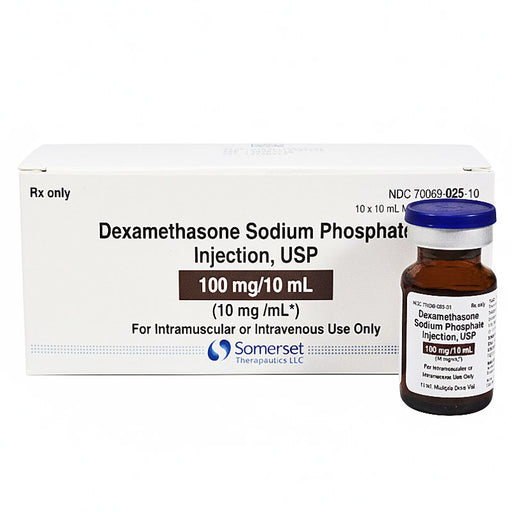
Dexamethasone Sodium Phosphate njection 10 ml Multiple-Dose Vials 10/Box (RX)
Original price $ 129.95Current price $ 99.00

Osteoarthritis Knee Pain Injections: Comprehensive Overview
What Are Osteoarthritis Knee Pain Injections?
Osteoarthritis (OA) knee pain injections are specialized treatments administered directly into the knee joint to alleviate pain, reduce inflammation, and improve joint function in patients with osteoarthritis. These injections are typically considered when oral medications, physical therapy, and lifestyle adjustments are insufficient to manage symptoms. They offer targeted, localized relief and can be repeated periodically depending on the specific medication and patient response.
Popular Types of Injections and Name Brands
There are four main categories of knee injections for osteoarthritis:
1. Corticosteroid (Steroid) Injections
Description: Corticosteroids are powerful anti-inflammatory drugs that mimic hormones produced naturally by the adrenal glands. When injected into the knee joint, corticosteroids help reduce inflammation, swelling, and associated pain.
How They Work:
- Inhibit the inflammatory response by suppressing the immune system’s overactivity in the joint.
- Reduce joint swelling and inflammation, leading to decreased pain and improved mobility.
Name Brands:
- Kenalog® (Triamcinolone)
- Depo-Medrol® (Methylprednisolone)
- Celestone® (Betamethasone)
- Aristospan® (Triamcinolone hexacetonide)
Duration of Effect: Typically provides relief from a few weeks up to several months.
2. Hyaluronic Acid (Viscosupplementation) Injections
Description: Hyaluronic acid (HA) is a naturally occurring substance in the synovial fluid of healthy joints, contributing to lubrication and shock absorption. In OA, HA levels decrease, leading to joint stiffness and pain. Viscosupplementation injects HA to restore joint lubrication.
How They Work:
- Supplements or replenishes synovial fluid's natural viscosity.
- Acts as a lubricant and shock absorber, potentially reducing pain and improving range of motion.
Name Brands:
- Synvisc-One® (Hylan G-F 20)
- Orthovisc® (High molecular weight HA)
- Euflexxa® (Bioengineered HA)
- Hyalgan® (Sodium hyaluronate)
- Supartz FX® (Sodium hyaluronate)
- Monovisc® (Cross-linked HA, single-injection)
Duration of Effect: Pain relief can take a few weeks to develop but may last up to six months.
3. Platelet-Rich Plasma (PRP) Injections
Description: PRP therapy involves drawing a small sample of the patient’s own blood, concentrating the platelets (which are rich in growth factors) via centrifugation, and injecting the platelet-rich plasma into the knee.
How They Work:
- Platelets contain growth factors that may stimulate tissue repair, decrease inflammation, and promote healing within the joint.
- May slow progression of osteoarthritis by encouraging cartilage repair.
Name Brands:
- No standardized branded product, as each preparation is autologous (from the patient's own blood); however, common PRP systems/kit brands include Harvest®, Arthrex ACP®, Magellan®, Angel®.
Duration of Effect: Potentially longer-lasting (up to 6-12 months), but response varies; research is ongoing.
4. Stem Cell Injections (Orthobiologics)
Description: Stem cell therapy involves harvesting mesenchymal stem cells (often from the patient’s bone marrow or adipose tissue) and injecting them into the knee joint.
How They Work:
- Potential to regenerate cartilage, reduce inflammation, and encourage tissue healing.
- Still considered experimental; not all insurances cover this.
Name Brands:
- Varies by process and clinic; not FDA-approved branded products for OA at this time.
Duration of Effect: Unknown; potential for long-term benefit, but evidence is still emerging.
Conditions Treated
The primary indication for these injections is symptomatic osteoarthritis of the knee. Specifically, they are recommended when:
- Patients have moderate to severe knee OA.
- Conservative treatments (NSAIDs, physical therapy, weight loss) are insufficient.
- The patient wishes to delay or avoid knee replacement surgery.
Other conditions occasionally treated:
- Synovitis (inflammation of the joint lining).
- Meniscal tears with secondary arthritis.
- Post-traumatic arthritis.
How Are the Injections Performed?
- Typically performed in a clinical setting under sterile conditions.
- The skin is cleaned, and sometimes local anesthetic is used.
- A needle is guided into the knee joint space (sometimes under ultrasound guidance).
- The selected medication is injected.
- Patients are monitored for a short period for adverse reactions.
Risks and Side Effects
Common for all types:
- Local pain or swelling.
- Temporary increase in pain post-injection (flair reaction).
Specific risks:
- Steroids: Joint infection (rare), cartilage damage with repeated use, possible systemic effects (elevated blood sugar, etc.).
- HA: Infection, allergic reaction, swelling.
- PRP/Stem cell: Infection, pain, variable efficacy; long-term safety is still being studied.
In Summary:
Osteoarthritis knee pain injections are valuable tools for symptom relief in OA, with several types offering different mechanisms and durations of action. The most common are corticosteroids and hyaluronic acid products, while PRP and stem cell therapies are newer and not as widely adopted but show promise in ongoing research. Always discuss with an orthopedic specialist to determine which, if any, injection is appropriate for your specific case.