 Skip to content








Filters
Collection
Tags
- Amantadine (3)
- Amantadine 100 mg (1)
- Amantadine Hydrochloride (3)
- doctor-only (3)
- Dyskinesia (2)
- Influenza Medicine (2)
- Oral Solution (2)
- Pparalysis Agitans (2)
- Shaking Palsy (2)
- Treat Influenza (2)
- Treat Parkinson's disease (3)
- Amantadine HCL (1)
- Parkinson's Disease Medicines (1)
- Treat influenza (1)
Filters
Collection
Tags
- Amantadine (3)
- Amantadine 100 mg (1)
- Amantadine Hydrochloride (3)
- doctor-only (3)
- Dyskinesia (2)
- Influenza Medicine (2)
- Oral Solution (2)
- Pparalysis Agitans (2)
- Shaking Palsy (2)
- Treat Influenza (2)
- Treat Parkinson's disease (3)
- Amantadine HCL (1)
- Parkinson's Disease Medicines (1)
- Treat influenza (1)
Parkinson's Disease Medicines for Treat Influenza
-
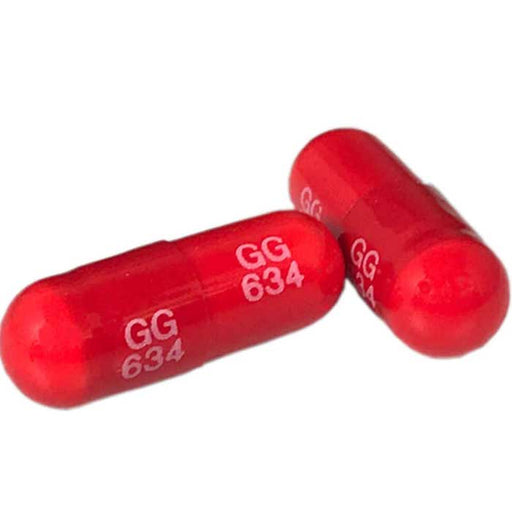
 Sale 25%
Amantadine Hydrochloride 100 mg Capsules 100 Count (Rx)
Original price $ 59.95Current price $ 45.00🔒 Medical License Required -
 Sale 17%
Amantadine Hydrochloride 100mg Tablets 100 Count (Rx)
Original price $ 155.00Current price $ 129.00🔒 Medical License Required -
 Sale 20%
Amantadine HCL 100mg Tablets Bulk Bottle 500 Count by Upsher Smith (RX)
Original price $ 625.00Current price $ 499.00🔒 Medical License Required


Parkinson's disease medicines are used to manage and alleviate the symptoms associated with Parkinson’s disease, a neurodegenerative disorder affecting movement. These medications primarily aim to improve mobility, control tremors, and address rigidity by enhancing or mimicking the action of dopamine, a neurotransmitter that is deficient in people with the condition. Common classes of Parkinson's medications include levodopa (often combined with carbidopa), dopamine agonists, MAO-B inhibitors, and anticholinergics.