Skip to content

Added to your cart:

Cart subtotal

Phlebotomy Supplies to Microtainer Brand Tubes

Phlebotomy Supplies

Phlebotomy supplies are the equipment and consumables used to safely collect blood specimens from patients for laboratory testing. This includes all items needed to draw venous (and sometimes capillary or arterial) blood and correctly handle the sample. For example, vacuum blood-collection tubes (e.g. BD Vacutainer tubes with color-coded caps) are staples in phlebotomy; these tubes (often pre-loaded with anticoagulants or clotting agents) “are widely employed in hospital blood collection (phlebotomy) departments”.

  • Venous draw kits: These include sterile blood-drawing needles (double-ended “multi-sample” needles that attach to a tube holder, or disposable syringe+needle), and winged “butterfly” infusion sets for difficult veins. The needles connect to evacuated collection tubes (Vacutainers) or syringes so that blood flows directly into the properly additive-lined tubes. Tubes come in various sizes and colors (red, lavender, blue tops, etc.) depending on which tests will be run. (The kit also often includes a plastic holder or adapter to secure the tube during the draw.)

  • Capillary (fingerstick) supplies: For small-volume samples (e.g. point-of-care glucose tests or infant blood draws), single-use lancets (blade or spring-loaded devices) are used to puncture a fingertip or heel. Tiny capillary tubes or micro-collection vials are then used to collect the small drop(s) of blood. These items are essential phlebotomy supplies when venous access is not needed or possible.

  • Ancillary items and PPE: A tightened tourniquet (elastic band or blood pressure cuff) is used to engorge veins. The puncture site is disinfected with a 70% alcohol swab (or chlorhexidine prep pad) prior to insertion to prevent infection. The phlebotomist wears disposable exam gloves for every draw (WHO recommends one pair of clean gloves per patient). After the blood is drawn, absorbent gauze or cotton is applied and an adhesive bandage is placed on the puncture site. All used sharps (needles, lancets) go immediately into a puncture-resistant sharps container, and contaminated disposables (gauze, gloves) go into biohazard bags. Labels and requisition forms (with patient ID and test orders) are also part of the kit to ensure each sample is correctly identified and handled.

Overall, phlebotomy supplies encompass all tools needed for a blood draw: needles or lancets to puncture the skin, collection tubes or microtubes to capture the blood, and supporting items for safety and sample integrity. In practice, a standard phlebotomy tray will include tourniquet, alcohol wipes, sterile needles (or lancets), collection tubes (vacuum tubes of various types), cotton and bandages, gloves, and a sharps container. These items together enable clinicians to perform venous or capillary blood sampling in a sterile, efficient manner.

Phlebotomy Supplies

Phlebotomy supplies are the equipment and consumables used to safely collect blood specimens from patients for laboratory testing. This includes all items needed to draw venous (and sometimes capillary or arterial) blood and correctly handle the sample. For example, vacuum blood-collection tubes (e.g. BD Vacutainer tubes with color-coded caps) are staples in phlebotomy; these tubes (often pre-loaded with anticoagulants or clotting agents) “are widely employed in hospital blood collection (phlebotomy) departments”.

  • Venous draw kits: These include sterile blood-drawing needles (double-ended “multi-sample” needles that attach to a tube holder, or disposable syringe+needle), and winged “butterfly” infusion sets for difficult veins. The needles connect to evacuated collection tubes (Vacutainers) or syringes so that blood flows directly into the properly additive-lined tubes. Tubes come in various sizes and colors (red, lavender, blue tops, etc.) depending on which tests will be run. (The kit also often includes a plastic holder or adapter to secure the tube during the draw.)

  • Capillary (fingerstick) supplies: For small-volume samples (e.g. point-of-care glucose tests or infant blood draws), single-use lancets (blade or spring-loaded devices) are used to puncture a fingertip or heel. Tiny capillary tubes or micro-collection vials are then used to collect the small drop(s) of blood. These items are essential phlebotomy supplies when venous access is not needed or possible.

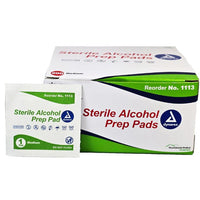
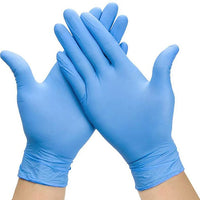
  • Ancillary items and PPE: A tightened tourniquet (elastic band or blood pressure cuff) is used to engorge veins. The puncture site is disinfected with a 70% alcohol swab (or chlorhexidine prep pad) prior to insertion to prevent infection. The phlebotomist wears disposable exam gloves for every draw (WHO recommends one pair of clean gloves per patient). After the blood is drawn, absorbent gauze or cotton is applied and an adhesive bandage is placed on the puncture site. All used sharps (needles, lancets) go immediately into a puncture-resistant sharps container, and contaminated disposables (gauze, gloves) go into biohazard bags. Labels and requisition forms (with patient ID and test orders) are also part of the kit to ensure each sample is correctly identified and handled.

Overall, phlebotomy supplies encompass all tools needed for a blood draw: needles or lancets to puncture the skin, collection tubes or microtubes to capture the blood, and supporting items for safety and sample integrity. In practice, a standard phlebotomy tray will include tourniquet, alcohol wipes, sterile needles (or lancets), collection tubes (vacuum tubes of various types), cotton and bandages, gloves, and a sharps container. These items together enable clinicians to perform venous or capillary blood sampling in a sterile, efficient manner.

FAQs About Phlebotomy Supplies

  • What Supplies Are Needed for Phlebotomy?

    Phlebotomy needles & butterfly sets (multi-sample, straight, winged infusion) Vacutainer tubes & collection vials Tourniquets Alcohol prep pads & antiseptic wipes Sterile gauze pads & bandages Sharps containers Gloves (nitrile or latex-free) Needle holders/adapters Syringes (for specific collections) Blood culture bottles (as needed) Lab labels and requisitions

  • Is a Phlebotomist Higher than a CNA?

    Phlebotomists and CNAs (Certified Nursing Assistants) have different qualifications: Phlebotomists specialize in blood collection and laboratory testing. CNAs provide basic patient care. Neither is “higher,” but a phlebotomist’s work is more specialized in specimen collection.

  • What's the Hardest Part of Phlebotomy?

    Finding veins in challenging patients (elderly, children, dehydrated) Managing patient anxiety or needle phobia Maintaining infection control & handling biohazards

  • What Are the 7 Duties of a Phlebotomist?

    Preparing phlebotomy supplies and verifying test orders Patient identification and consent Blood collection using proper technique Labeling and documenting blood samples Ensuring patient comfort and post-draw care Maintaining infection control and safety Transporting or processing specimens for laboratory testing

  • How Many Patients Do a Phlebotomist Draw in One Hour?

    Experienced phlebotomists may draw 10–20 patients per hour, depending on patient population and collection complexity.

  • What Shoes Should a Phlebotomist Wear?

    Comfortable, closed-toe, non-slip shoes are required for safety and long shifts in clinical or lab settings.

  • What Is the First Thing a Phlebotomist Should Do?

    Verify the patient’s identity and confirm the blood test order before preparing supplies or starting the draw.

  • Can a Phlebotomist Give Shots?

    Phlebotomists generally do not administer shots/vaccinations. Their role is focused on blood collection, but in some states/countries—additional certification may allow limited injections.

  • What Is the Number One Rule in Phlebotomy?

    Accurate patient identification and labeling is the #1 rule. Failure here is the greatest source of medical errors.

  • What Is the Difference Between a Phlebotomist 1 and 2?

    Phlebotomist 1: Entry-level, basic blood draws, routine collections. Phlebotomist 2: Advanced; may draw pediatric, geriatric, or “difficult stick” patients, process special specimens, train others, or manage supplies.

  • Key Features & Benefits

    Full range of phlebotomy supplies from leading brands (BD, Greiner, McKesson) Sterile, single-use, and safety-engineered devices Phlebotomy carts, trays, and specimen transport tools Bulk pricing, clinic packages, and same-day shipping Supports regulatory compliance and lab best practices

Phlebotomy supplies are essential for quality blood collection in hospitals, clinics, laboratories, and mobile health environments. Shop our top-rated collection of phlebotomy needles, blood collection tubes, safety lancets, tourniquets, gloves, and more—trusted by certified phlebotomists and pathology teams for accuracy, comfort, and infection prevention.

Order professional-grade phlebotomy supplies now—trusted for training programs, hospitals, mobile units, and labs. Set up your blood collection station for maximum efficiency and patient safety!

Get Notified When Back in Stock