 Skip to content

Filters
- BD Vacutainer (3)
- Chemistry Panels (3)
- Conventional Closure (1)
- Lithium Heparin (2)
- Lithium Heparin Additive (2)
- Plasma Determinations (3)
- Plastic Tube (1)
- Arterial Blood Gases (2)
- Electrolyte Testing (2)
- Heparin Tubes (1)
- Test Tubes (1)
- Toxicology (2)
- Venous Blood Collection Tubes (1)
- Blood Sampling (1)
- Sodium Heparin (1)
- Sodium Heparin Additive (1)
Filters
- BD Vacutainer (3)
- Chemistry Panels (3)
- Conventional Closure (1)
- Lithium Heparin (2)
- Lithium Heparin Additive (2)
- Plasma Determinations (3)
- Plastic Tube (1)
- Arterial Blood Gases (2)
- Electrolyte Testing (2)
- Heparin Tubes (1)
- Test Tubes (1)
- Toxicology (2)
- Venous Blood Collection Tubes (1)
- Blood Sampling (1)
- Sodium Heparin (1)
- Sodium Heparin Additive (1)
Phlebotomy Supplies for Plasma Determinations
-
 Sale 37%
Heparin Blood Collection Tubes with Lithium Heparin Additive 10 mL by BD Vacutainer 16mm x 100mm, 100/box
 Original price $ 129.95Current price $ 82.00
 -
 Sale 26%
Lithium Heparin Blood Collection Tubes 6 mL BD Vacutainer, Green Cap, 13mm x 75mm, 100/box
Original price $ 129.95Current price $ 96.00 -
 Sale 31%
Sodium Heparin Blood Collection Tubes 6 mL BD Vacutainer, Green Cap, 13mm x 100mm, 100/box
Original price $ 115.00Current price $ 79.00


Phlebotomy Supplies
Phlebotomy supplies are the equipment and consumables used to safely collect blood specimens from patients for laboratory testing. This includes all items needed to draw venous (and sometimes capillary or arterial) blood and correctly handle the sample. For example, vacuum blood-collection tubes (e.g. BD Vacutainer tubes with color-coded caps) are staples in phlebotomy; these tubes (often pre-loaded with anticoagulants or clotting agents) “are widely employed in hospital blood collection (phlebotomy) departments”.
-
Venous draw kits: These include sterile blood-drawing needles (double-ended “multi-sample” needles that attach to a tube holder, or disposable syringe+needle), and winged “butterfly” infusion sets for difficult veins. The needles connect to evacuated collection tubes (Vacutainers) or syringes so that blood flows directly into the properly additive-lined tubes. Tubes come in various sizes and colors (red, lavender, blue tops, etc.) depending on which tests will be run. (The kit also often includes a plastic holder or adapter to secure the tube during the draw.)
-
Capillary (fingerstick) supplies: For small-volume samples (e.g. point-of-care glucose tests or infant blood draws), single-use lancets (blade or spring-loaded devices) are used to puncture a fingertip or heel. Tiny capillary tubes or micro-collection vials are then used to collect the small drop(s) of blood. These items are essential phlebotomy supplies when venous access is not needed or possible.
-
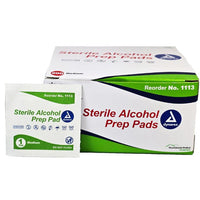
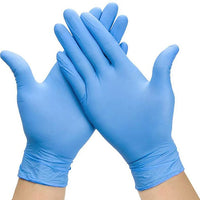
Ancillary items and PPE: A tightened tourniquet (elastic band or blood pressure cuff) is used to engorge veins. The puncture site is disinfected with a 70% alcohol swab (or chlorhexidine prep pad) prior to insertion to prevent infection. The phlebotomist wears disposable exam gloves for every draw (WHO recommends one pair of clean gloves per patient). After the blood is drawn, absorbent gauze or cotton is applied and an adhesive bandage is placed on the puncture site. All used sharps (needles, lancets) go immediately into a puncture-resistant sharps container, and contaminated disposables (gauze, gloves) go into biohazard bags. Labels and requisition forms (with patient ID and test orders) are also part of the kit to ensure each sample is correctly identified and handled.
Overall, phlebotomy supplies encompass all tools needed for a blood draw: needles or lancets to puncture the skin, collection tubes or microtubes to capture the blood, and supporting items for safety and sample integrity. In practice, a standard phlebotomy tray will include tourniquet, alcohol wipes, sterile needles (or lancets), collection tubes (vacuum tubes of various types), cotton and bandages, gloves, and a sharps container. These items together enable clinicians to perform venous or capillary blood sampling in a sterile, efficient manner.