Skip to content
Year-End Sale is Live Now - Up to 50% off
New users? Get 5% off on your first purchase.
Free US shipping over $100
Year-End Sale is Live Now - Up to 50% off
New users? Get 5% off on your first purchase.
Free US shipping over $100

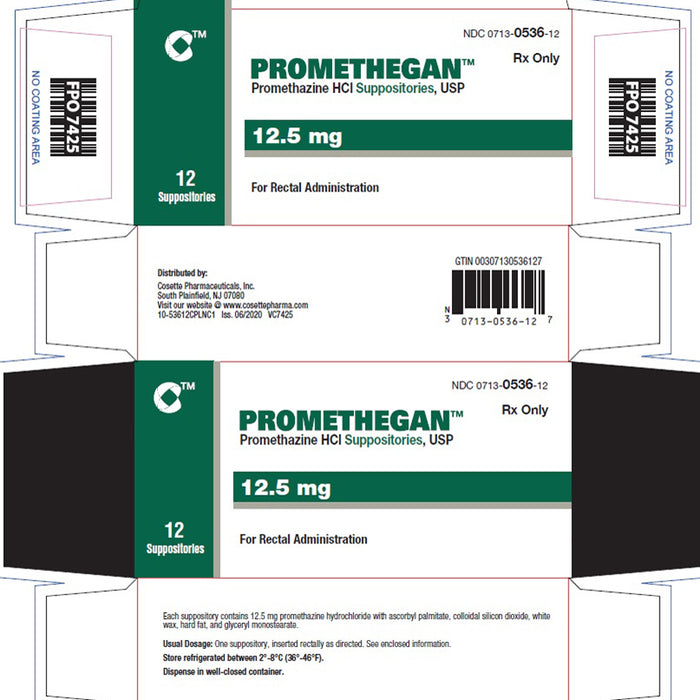
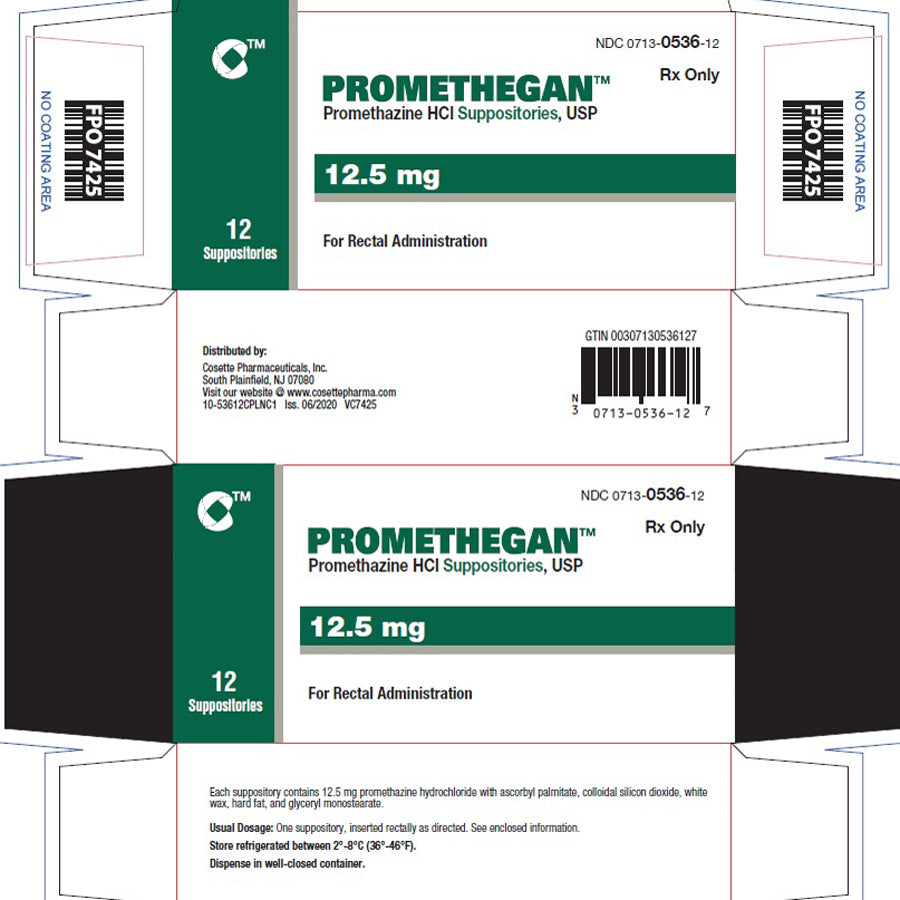
Promethegan Promethazine HCL Suppositories 12.5mg Cosette Pharma, 12 Count

Year End Sale 15%
Original price $ 94.50
Current price $ 79.95
SKU 00713-0536-12
*Mountainside Medical does not fill personal prescriptions Medical Professional License Required to Unlock Account

How to Order:

Send an email request to: sales@mountainside-medical.com

You will receive instructions on how to create an account along with Rx Ordering Details.

(Note: Acceptable licenses must have Prescriptive Authority in the license issuing state.)

Promethegan Promethazine HCL Suppositories 12.5mg is indicated to treat rhinitis, allergic conjunctivitis, allergic reactions to blood or plasma, dermographism, anaphylactic reactions, sedation, nausea, vomiting, pain, motion sickness, and allergic skin reactions.

Promethazine HCI Suppositories is a prescription medicine used to treat the symptoms of Allergic Conditions, Nausea, Vomiting, Motion Sickness, Preoperative Sedation, Postoperative Sedation and Obstetric Sedation. Promethazine HCI Suppositories may be used alone or with other medications.

NDC: 00713-0536-12
Promethegan
Strength: 12.5 mg
Rx Only
For Rectal Administration
Brand: Cosette Pharmaceuticals, Inc. 

Promethegan Promethazine HCL Suppositories 12.5mg Cosette Pharma, 12 Count
$ 94.50 $ 79.95
🔒 Medical License Required
FAQs About Promethazine
  • What is Promethazine Used For?

    Promethazine is used to treat a wide range of conditions, including: Allergic reactions (such as hay fever, seasonal allergies, hives, and allergic rhinitis) Motion sickness and travel-related nausea Nausea and vomiting from surgery, medications, or other causes Sedation before or after surgery and for sleep disorders Short-term anxiety relief Adjunct in pain management (often used with other medications)

  • What Is the Most Common Use of Promethazine?

    The most common use of Promethazine is preventing and treating nausea and vomiting, as well as providing relief for allergy symptoms. It is also widely used to treat motion sickness and for short-term sedation.

  • Is Promethazine Containing Codeine?

    No, Promethazine does not contain codeine. However, it is sometimes combined with codeine (as in Promethazine with Codeine cough syrup) for prescription cough medications. Promethazine alone is not an opioid and does not have opioid effects.

  • Does Promethazine Make You Sleepy?

    Yes! Promethazine is a strong sedative. Its powerful antihistamine effect blocks histamine in the brain, often resulting in drowsiness or sleepiness. It’s sometimes prescribed specifically for its sleep-inducing qualities.

  • Is Promethazine Used in Mental Health?

    Promethazine is not primarily used for mental health conditions but may be prescribed for short-term anxiety relief or agitation, particularly in acute settings, due to its sedative effects. It is not an approved antipsychotic or antidepressant.

  • Who Should NOT Take Promethazine?

    Promethazine is not safe for everyone. Avoid Promethazine if you: Are a child under 2 years old (risk of severe respiratory depression) Have severe breathing problems (asthma, COPD) Suffer from a history of neuroleptic malignant syndrome Are pregnant or breastfeeding, unless prescribed by your doctor Have liver disease, epilepsy, or a history of severe drug allergies

  • Is Promethazine a Strong Sedative?

    Yes, Promethazine is a strong sedative antihistamine. Its potent effect means caution should be used if tasks require alertness, such as driving or operating machinery.

  • Why is Promethazine a High-Risk Medication?

    Promethazine is considered a high-risk medication due to its strong sedative effect, risk of respiratory depression (especially in children or the elderly), and potential for severe side effects such as neuroleptic malignant syndrome, low blood pressure, and severe allergic reactions.

  • What Drugs Cannot Be Taken with Promethazine?

    Promethazine drug interactions: Avoid combining with: Other sedatives or CNS depressants (alcohol, benzodiazepines, opioids) MAO inhibitors (antidepressants) Certain antipsychotics Medications that cause drowsiness (antihistamines, sleep aids) Medicines that affect heart rhythm Always consult your doctor or pharmacist before combining Promethazine with other drugs.

  • Is Promethazine Opioid-Based? Is it a Controlled Substance?

    No, Promethazine is NOT opioid-based. On its own, it is not a controlled substance. However, Promethazine combined with codeine (a prescription opioid) is a controlled medication.

  • Does Promethazine Make You Feel Good?

    Some users experience a sense of relaxation or mild euphoria due to its sedative effects, but Promethazine is not addictive and does not produce a “high” like opioids or controlled substances.

  • How Fast Does Promethazine Work? How Long Does it Stay in Your System?

    Onset of action: Promethazine typically starts working within 20 minutes to 1 hour after oral administration. Duration: Its effects last 4 to 6 hours, but traces can remain in your system for up to 2 to 3 days.

  • Why Choose Promethazine?

    ✔️ Fast-Acting Allergy & Nausea Relief ✔️ Doctor-Recommended Sedative ✔️ High Safety & Efficacy When Used as Directed ✔️ Trusted Worldwide for Over 70 Years ✔️ Available As Tablets, Syrup, and Injectable

Search Any Type of Product, Medication, or Alignment