Skip to content
Year-End Sale is Live Now - Up to 50% off
New users? Get 5% off on your first purchase.
Free US shipping over $100
Year-End Sale is Live Now - Up to 50% off
New users? Get 5% off on your first purchase.
Free US shipping over $100

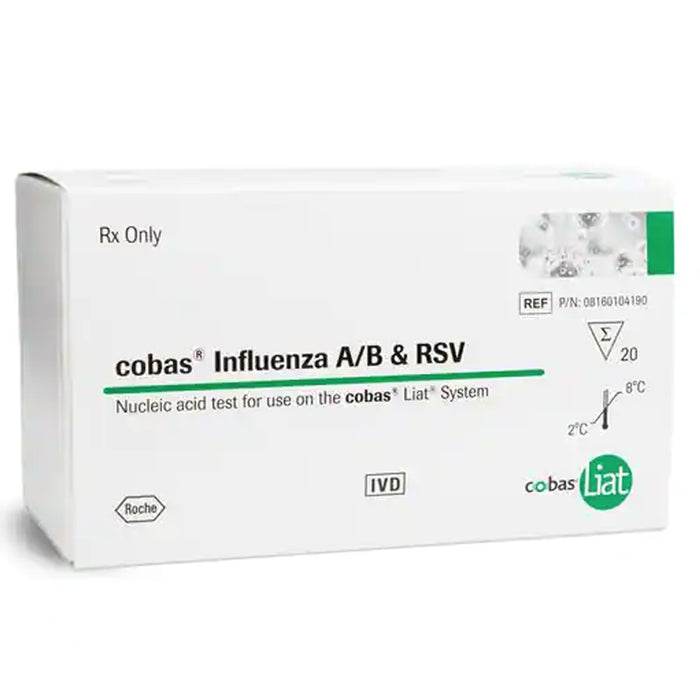
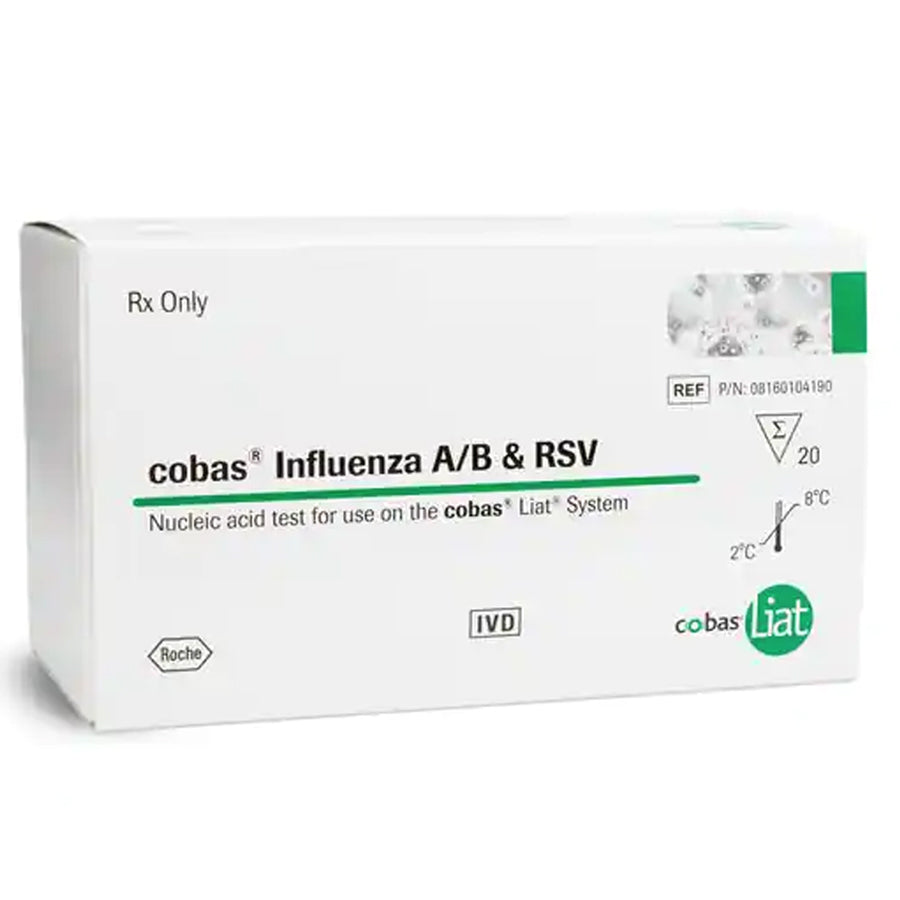
Cobas Liat Nucleic Acid Test Influenza A+B Respiratory Syncytial Virus (RSV) For Cobas Liat Automated PCR Analyzer, 20 Tests **Requires Refrigeration*

Year End Sale 17%
Original price $ 2,295.95
Current price $ 1,895.00
SKU 08160104190

The Cobas Liat Nucleic Acid Test Influenza A+B Respiratory Syncytial Virus (RSV) is a diagnostic test used to detect and differentiate between influenza virus type A and type B, as well as respiratory syncytial virus (RSV). The test is performed on the Cobas Liat Automated PCR Analyzer, a fully automated system that utilizes polymerase chain reaction (PCR) technology to amplify and detect viral genetic material in respiratory specimens. This test is intended for use in the rapid and accurate diagnosis of influenza and RSV infections, and can provide results in under 20 minutes. It is suitable for use in point-of-care settings such as hospitals, clinics, and physicians' offices.

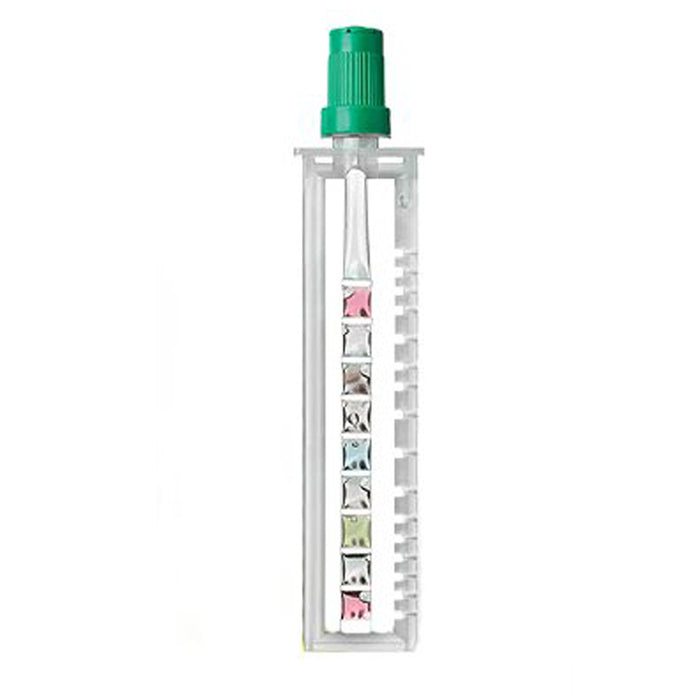
Cobas Liat Nucleic Acid Test Influenza A / B, Respiratory Syncytial Virus (RSV) For Cobas Liat® Automated PCR Analyzer 20 Tests. Automated multiplex real-time RT-PCR assay for the rapid in vitro qualitative detection and discrimination of Influenza A and B virus and RSV RNA in nasopharyngeal swab specimens from patients with signs and symptoms of respiratory infection.

Note: Non-Returnable Item

**Requires Refrigeration

  • Testing accuracy with RT-PCR technology
  • Definitive results with no need for interpretation or confirmation
  • Fast, easy operation
  • Three easy steps
  • Results in 20 minutes
  • The cobas® Influenza A/B & RSV test uses real-time PCR (polymerase chain reaction) technology to detect and differentiate influenza A virus RNA, influenza B virus RNA and respiratory syncytial virus (RSV) RNA in about 20 minutes
  • It targets well-conserved regions of influenza A, influenza B and RSV RNA to provide broad strain coverage and has been validated on over 40 commonly found strains of influenza A and B and seven commonly found strains of RSV

Accuracy: Influenza A: Positive Agreement 98.4%, Negative Agreement 96.5%. Influenza B: Positive Agreement 97.9%, Negative Agreement 99.4%. RSV: Positive Agreement 97.8%, Negative Agreement 98.4%

Manufacturer # 08160104190
Brand Cobas® Liat®
Manufacturer Roche Diagnostics
Country of Origin United States
Application Reagent
CLIA Classification CLIA Waived
Container Type Tube
For Use With For Cobas® Liat® Automated PCR Analyzer
Number of Tests 20 Tests
Product Dating McKesson Acceptable Dating: we will ship >= 60 days
Sample Type Nasopharyngeal Swab Sample
Storage Requirements Requires Refrigeration
Test Name Influenza A / B, Respiratory Syncytial Virus (RSV)
Test Type Nucleic Acid Test
Time to Results 20 Minute Results
UNSPSC Code 41116144
Volume 20 Tubes
Cobas Liat Nucleic Acid Test Influenza A+B Respiratory Syncytial Virus (RSV) For Cobas Liat Automated PCR Analyzer, 20 Tests **Requires Refrigeration*
$ 2,295.95 $ 1,895.00
FAQs About RSV Testing Kits & Vaccines
  • What is a RSV Testing Kits?

    RSV testing kits are diagnostic tools used to detect the presence of respiratory syncytial virus (RSV), a common virus that causes respiratory infections, especially in infants, young children, older adults, and immunocompromised individuals.

  • What is RSV?

    RSV can cause mild, cold-like symptoms in healthy adults and children. However, it can lead to serious illnesses such as bronchiolitis and pneumonia, particularly in: Infants (especially under 6 months) Elderly adults (especially over 60 years) People with chronic heart or lung disease Individuals with weakened immune systems

  • What is a RSV Vaccine?

    An RSV vaccine is a vaccine designed to protect against Respiratory Syncytial Virus (RSV), a common and sometimes serious cause of respiratory infections, especially in infants, young children, older adults, and people with weakened immune systems.

  • What is the Purpose of the RSV Vaccine?

    Prevents RSV infection or reduces its severity Helps protect those most vulnerable to severe RSV disease, potentially reducing hospitalizations and complications

  • How the RSV Vaccine Works

    The vaccines use a recombinant protein or a specially designed virus-like particle to stimulate the immune system to produce antibodies against RSV. This helps the body recognize and fight the virus if exposed.

  • Who Should Get the RSV Vaccine?

    Adults 60 years and older (after discussions with their healthcare provider) Pregnant women (32–36 weeks) (in certain countries, to help protect their babies after birth) Infants and young children are not currently eligible for RSV vaccines, but may receive monoclonal antibody prophylaxis in high-risk cases

  • Can I Test for RSV at Home?

    Yes, at-home RSV test kits are now available. These easy-to-use rapid antigen tests use a simple nasal swab to detect RSV in minutes, helping you quickly distinguish between RSV, cold, flu, and COVID-19.

  • How Accurate Are RSV Test Kits?

    RSV rapid antigen tests are highly accurate, with sensitivity up to 85–95% and specificity over 98%. PCR-based lab tests offer the highest accuracy, but home kits provide convenient, reliable screening when used as directed.

  • Is There a Test You Can Do for RSV?

    Yes! RSV can be diagnosed using a nasal swab sample, either by a rapid at-home test or with a provider’s PCR or antigen test in a clinic or urgent care.

  • Can You Test for RSV with a Nasal Swab?

    Absolutely—nasal swab testing is the gold standard for RSV detection, suitable for both at-home and clinical testing.

  • Will a COVID Test Show RSV?

    No, standard COVID-19 tests do NOT detect RSV. RSV-specific tests (some combo kits now test for RSV, COVID-19, and flu from the same swab) are required for RSV diagnosis.

  • How to Tell If You Have RSV or a Cold?

    RSV symptoms can overlap with colds, but signs like severe cough, wheezing, rapid breathing, difficulty breathing, and persistent fever may indicate RSV. Home RSV tests help differentiate between RSV, COVID-19, and flu.

  • How Long Are You Contagious with RSV?

    Most people with RSV are contagious for 3–8 days. Immunocompromised people and young children may spread RSV for several weeks.

  • Should Seniors Get the RSV Vaccine Now?

    Yes! Seniors (age 60+) and adults with chronic health conditions are strongly advised to get the RSV vaccine. The CDC recommends it to reduce risk of severe RSV, hospitalization, and complications.

  • Why Can't 80-Year-Olds Have the RSV Vaccine?

    Most healthy seniors, even aged 80+, can receive the RSV vaccine. Contraindications may include severe allergies to vaccine components, certain immune conditions, or if advised by their doctor.

  • Is the RSV Vaccine Free for Seniors?

    RSV vaccine coverage for seniors varies by insurance (Medicare, Medicaid, private plans) and region. Many seniors may qualify for no-cost or low-cost vaccine programs.

  • What Are the Side Effects of the RSV Shot?

    Most common side effects: Soreness or redness at the injection site, mild headache, low-grade fever, fatigue. Rarely: Allergic reactions or severe side effects (seek medical help immediately if trouble breathing, hives, or severe swelling).

  • Do You Sneeze with RSV?

    Yes—RSV can cause sneezing along with runny nose, cough, congestion, and wheezing, especially in children and older adults.

  • How to Tell if It's COVID, Flu, or RSV?

    All three can cause fever, cough, body aches, and fatigue. RSV is more likely to cause wheezing and breathing difficulties in infants and seniors. Use a combo test kit or consult a physician for a definitive diagnosis.

  • What Does an RSV Cough Sound Like in Adults?

    RSV cough is often deep, wet, and persistent. Wheezing, hoarseness, or shortness of breath may be present.

  • Does RSV Need Antibiotics?

    No. RSV is a viral infection; antibiotics do not work unless a secondary bacterial infection develops.

  • What Is the Fastest Way to Get Rid of RSV?

    Rest, hydration, and using a humidifier are key. For severe cases, prescription breathing treatments or hospitalization may be needed (especially for infants and seniors).

  • Can RSV Turn into Pneumonia?

    Yes—RSV can progress to pneumonia or bronchiolitis, particularly in infants, elderly, or people with weak immune systems.

  • How Long Should I Quarantine if I Have RSV?

    Quarantine for at least 3–8 days after symptoms begin, or until symptom-free for 24 hours. Be especially cautious around the very young, elderly, and immunocompromised.

  • What Is the Best Medicine for RSV?

    Supportive care: Rest, fluids, fever reducers (acetaminophen), inhalers or nebulizer (if wheezing). Hospitalization for oxygen or advanced care in severe cases. Antivirals are rarely used except in high-risk hospitalized patients.

  • What Does RSV Feel Like in Adults?

    In adults, RSV usually feels like a severe cold: Runny nose, persistent cough, low-grade fever, fatigue, and sometimes wheezing or chest discomfort.

  • Key Features & Benefits

    FDA-authorized at-home RSV test kits—rapid results in minutes Combo tests for RSV, COVID-19, and flu available RSV vaccines for seniors: proven to reduce hospitalization and severity Guidance on symptoms, home care, and when to seek help Trusted by families, clinics, and caregivers nationwide

Search Any Type of Product, Medication, or Alignment