Skip to content
Free US shipping over $100

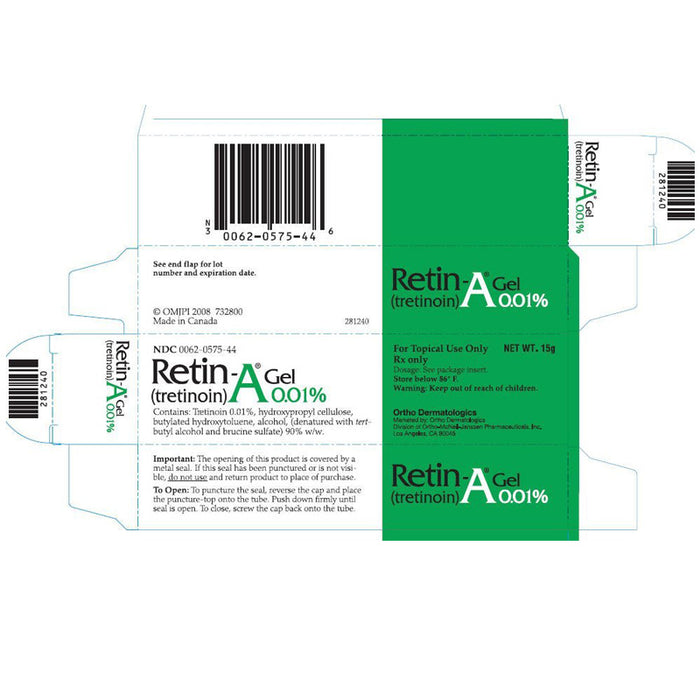
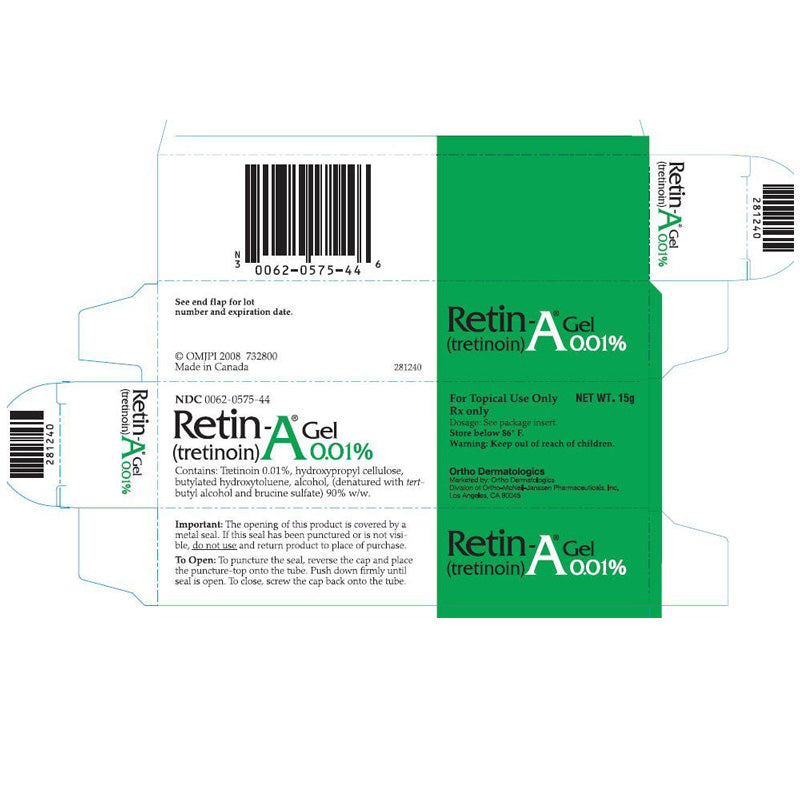
Retin-A Gel (Trerinon) 0.01% Acne Medication 15 gram (RX)

Sale 42%
Original price $ 39.95
Current price $ 23.00
SKU 00187-5172-15
*Mountainside Medical does not fill personal prescriptions Medical Professional License Required to Unlock Account

How to Order:

Send an email request to: sales@mountainside-medical.com

You will receive instructions on how to create an account along with Rx Ordering Details.

(Note: Acceptable licenses must have Prescriptive Authority in the license issuing state.)

Retin-A (Tretinoin) Gel 0.01% works by boosting cell turnover to help even out the discoloration caused by sun exposure. Containing a concentrated dose of Vitamin A, it helps to encourage the skin to generate new cells and rid itself of the pigmentation leaving a healthier, younger-looking complexion. By stimulating the normal process of regeneration in the skin cells, Retin-A aids in helping rolled and pitted acne scars, wrinkles, dark spots, and sun spots. In addition, Retin-A works as an anti-inflammatory, helping to reduce the effect of inflammatory skin conditions. Used over time, Retin-A Gel 0.01% can provide dramatic improvement of common skin discolorations, assisting in evening out skin tone and visibly improving the youthful and healthy texture of the skin..

Retin-A (Trerinon) Cream is a retinoid medication that's used to treat acne. It's available as creams, gels, and lotions that are applied onto the skin. Some side effects of tretinoin are skin irritation, redness, and peeling. Your acne also might get worse (flare up) during the first few weeks of treatment, but it should improve with continued use. Tretinoin is only available by prescription; it isn't found over the counter.

Retin-A Gel (Trerinon) 0.01% Acne Medication 15 gram (RX)
$ 39.95 $ 23.00
🔒 Medical License Required
FAQs About Retin A Creams, Gels and Generic Tretinoin
  • What is Retin-A Cream Used For?

    Acne treatment: Unclogs pores, reduces blackheads/whiteheads, and prevents future breakouts. Anti-aging: Reduces fine lines, improves skin texture, and fades dark spots. Hyperpigmentation & melasma: Promotes even skin tone. Rough or sun-damaged skin: Resurfaces and revitalizes.

  • Can You Use Retin-A While Pregnant?

    No, Retin-A (tretinoin) should NOT be used during pregnancy or if you are trying to conceive. Retinoids are associated with potential birth defects. Always speak with your doctor about safe alternatives if you are pregnant or breastfeeding.

  • Is Tretinoin Used for Eczema?

    No, tretinoin is not indicated for eczema and may actually irritate eczematous or sensitive skin. Consult your dermatologist for proper management of eczema.

  • Do Doctors Still Prescribe Retin-A?

    Yes! Retin-A and generic tretinoin products remain first-line topical treatments for acne, anti-aging, and pigmentation issues. Millions of prescriptions are written every year.

  • Is There Something Better Than Retin-A?

    For most, Retin-A (tretinoin) is the most effective topical retinoid. Some prescription retinoids like adapalene (Differin) or tazarotene may be alternatives for certain skin concerns or tolerability issues, but tretinoin is the “gold standard”.

  • Where Not to Apply Retin-A?

    Avoid lips, corners of the nose, eyes, and mucous membranes. Don’t apply to broken, sunburned, or eczematous skin.

  • What is the Strongest Over-the-Counter Retinol?

    OTC retinol concentrations up to 1% are strongest available without a prescription. Prescription tretinoin (Retin-A) is 10–20x stronger than OTC retinol.

  • Does Retin-A Absorb Into the Bloodstream?

    Minimal skin absorption occurs with topical tretinoin. Systemic absorption is very low, but caution is warranted for pregnant/nursing women and with long-term, large-area use.

  • What are the Common Side Effects of Tretinoin?

    Redness, peeling, dryness, irritation, initial breakouts (purging) Sun sensitivity Mild burning or stinging These effects are usually temporary and improve as your skin adapts.

  • What Happens If I Stop Tretinoin?

    Improvements may gradually fade, and pores can become clogged again. Skin reverts to baseline over several weeks to months.

  • What Age Should I Start Tretinoin?

    Commonly started in the late teens/early 20s for acne or mid-20s to 30s for anti-aging purposes. Use at any age (with a doctor’s supervision) if you have acne, sun damage, or desire anti-aging benefits—even seniors can benefit!

  • What Skin Diseases Does Tretinoin Treat?

    Acne vulgaris Fine wrinkles, photodamage, and rough skin Melasma, post-inflammatory hyperpigmentation Keratosis pilaris (off-label) Some precancerous lesions (by prescription direction)

  • Can You Put Tretinoin Under Eyes?

    You can apply cautiously up to the orbital bone—but avoid direct contact with eyelids, waterline, and tear ducts. Use a pea-sized amount diluted with moisturizer for sensitive areas and consult your dermatologist.

  • Who Shouldn’t Use Retin-A or Tretinoin?

    Pregnant or breastfeeding women People with eczema or very sensitive skin Those with chronic sunburned, broken, or infected skin Children under 12 Those allergic to retinoids or formulation components

  • Do I Have to Use Retin-A Forever?

    Tretinoin is safe for long-term use and delivers continued benefits, but not mandatory for skin health. You can stop anytime—just know the improvements won’t last if discontinued.

  • What Happens If You Wear Retin-A in the Sun?

    Retin-A makes skin extra sensitive to UV rays, increasing the risk of burning, irritation, and hyperpigmentation. Always use sunscreen (SPF 30+), protective clothing, and avoid midday sun.

  • Do You Need to Wash off Retinol in the Morning?

    Yes, cleanse your face each morning to remove tretinoin and reduce sun sensitivity/irritation. Always apply moisturizer and sunscreen after washing.

  • Can I Use Vitamin C With Retinol?

    Yes, but use with care: Apply vitamin C in the morning and tretinoin at night. Mixing together can cause irritation or reduce effectiveness for some.

  • Is Retin-A Hard on the Liver?

    Topical tretinoin is not associated with liver toxicity in healthy individuals. Oral retinoids (like isotretinoin) have more liver implications.

  • How Long Does Retin-A Stay in Your System?

    After discontinuation, tretinoin is eliminated from the skin within 1–2 days; systemic levels drop rapidly since it is minimally absorbed.

  • Does Tretinoin Affect Hair Growth?

    Tretinoin can mildly stimulate hair growth locally (used in some hair loss treatments), but it is not significant for most users.

  • Should a 70 Year Old Woman Use Retinol or Tretinoin?

    Yes, tretinoin or retinol can be beneficial at any age, improving fine lines, texture, and skin brightness. Start low/conservative and under medical supervision to reduce irritation.

  • Key Features & Benefits

    Unmatched effectiveness on acne and visible signs of aging Prescription-strength: available as 0.025%, 0.05%, 0.1% Cream, gel, and generic tretinoin for every skin type Backed by decades of dermatology research and trust Safe long-term use under medical guidance

Search Any Type of Product, Medication, or Alignment

Get Notified When Back in Stock