
Filters
- Aspirators (1)
- Best aspirator (1)
- Clear airways (4)
- COPD suction device (1)
- Emergency medical suction machine (1)
- Hospital grade (1)
- Machine (1)
- Medical Device (1)
- Medical Machine (1)
- Medical Pump (1)
- Medical suction machine (1)
- oral secretion removal (1)
- Portable suction aspirator (1)
- remove saliva (1)
- Remove secretions (1)
- Suction Machine (7)
- Suction Pump (3)
- Tracheostomy (1)
- vaccuum (1)
- Lithium Battery (1)
- lithium-ion battery (1)
- Portable Machine (1)
- Portable Suction Machine (3)
- Resp-O2 (1)
- Suction Unit (1)
- 130A (1)
- Oral Secretions (1)
- Oral Suction (4)
- remove mucus (2)
- Schuco 130 (1)
- Schuco 130 Suction Machine (1)
- Mucas (1)
- Remove Secrections (2)
- Schuco-Vac 330 (1)
- airway device (1)
- Airway obstruction (1)
- Airway Tube (1)
- Non vented (1)
- Sterile (1)
- Suction instrument (1)
- Suction tip (1)
- Suction tool (1)
- Yankauer (2)
- Gastric Pump (1)
- Gomco 270 (1)
- clear out airways (1)
- Plak-Vac (1)
- remove oral secretions (1)
- Toothbrush (1)
- Canister (4)
- Canister Kit (1)
- Suction Canister (5)
- Clear Tubing (1)
- Connecting Tubing (1)
- Hose (1)
- Disposable Suction Catheter (1)
- Suction Catheters (2)
- Suctioning Catheter (1)
- Surgical Suction Catheter (1)
- Thumb Control Valve (1)
- Bacteria Filter (2)
- bacteria filters (2)
- BF405 (1)
- Filters (2)
- Replacement Filters (1)
- Suction Bacteria Filter (2)
- 41131 (1)
- Absorb Fluid (1)
- Blood Spills (1)
- Clean Spills (1)
- Contain Hazardous Spill (1)
- Diamond Pouch (1)
- Fluid Control Solidifier (1)
- Fluid Spills (1)
- Powder (1)
- Powdered solidifier (1)
- Red z (1)
- Spill Kit (1)
- Spill Powder (1)
- 800 cc (1)
- Disposable Suction Canisters (1)
- Hi Flow (1)
- Plastic Canister (3)
- Secretion Cantainer (1)
- 1200 (1)
- 1200 cc Suction Canister (1)
- Suction Catheter Kit (2)
- Suction Jar (1)
- Clear Jar (1)
- Cosmetic Surgery (1)
- Debris removal (1)
- Dental Procedures (1)
- Dental professionals (1)
- Fluids removal (1)
- Oral hygiene (1)
- Patient comfort (1)
- Precision suction (1)
- Saliva (1)
- Suction Tips (1)
- Surgical Aspirator Tips (1)
- Tissue trauma (1)
- 2000cc (1)
- lipo (1)
- liposuction (1)
- suction canister (1)
- catheter (1)
- catheter tray (1)
- Trach Supplies (1)
- Tracheostomy Care (1)
- Handheld Suction (1)
- Manual Suction (1)
- Oropharynx (1)
- Suction Device (1)
- Hand Held Suction Pump (1)
- Reusable pump (1)
- Elbow Connector (1)
- Float Valve Shutoff (1)
- Suction Tubing (1)
- 1690 (1)
- Aspirator Filter (1)
- Hydrophobic Filter (1)
- Suction Machine Filter (1)
Suction Machines
Suction Machines: Types and How to Use Them
A suction machine (or medical aspirator) is a device that creates negative pressure (a vacuum) to remove unwanted fluids from the body. In medicine it is commonly used to clear a patient’s airway or surgical field of mucus, blood, vomit or other secretions, so the patient can breathe or the surgeon can see the field. Such devices may run on electricity or battery, or even be hand- or foot-operated pumps. In hospitals, suction is often supplied via wall outlets connected to a central vacuum system. A typical machine includes tubing, a vacuum pump or compressor, a pressure gauge, a collection canister, on/off controls, and a filter or regulator to control suction strength.
Types of Suction Machines
-
Manual (hand/foot) suction: These devices use a hand pump or foot pedal to create suction, requiring no electricity. They are lightweight and portable, so they are often used in field settings, ambulances, or emergency first-aid situations where power may be unavailable. A hand-held plunger or squeeze bulb can also serve (some simple aspirators use a manually pumped syringe). The drawbacks are that continuous pumping effort is fatiguing and the vacuum strength depends on the user’s force, so it’s less powerful than electric units.
-
Portable (battery-powered) suction: These are compact electric machines powered by rechargeable batteries. They are used in ambulances, home care, or remote locations. A typical portable suction unit contains a small motor-driven pump, tubing and a collection jar, and runs on AC power or internal batteries. They offer moderate suction strength and full mobility (some models even run off vehicle power). The battery life limits continuous use, and they generally produce less sustained suction than larger units.
-
Electric (stationary) suction machines: These plug into mains power and provide strong, continuous suction over long periods. Larger models (sometimes called suction pumps) are used in hospitals, clinics and operating rooms. They have powerful motors to generate high negative pressure for tasks like surgical field clearing or wound drainage. Because they require mains electricity, these units are less portable. In hospitals, many units are wall-mounted or built into a pipeline system to save space. A wall-mounted machine is fixed near a patient’s bed and its vacuum taps into the central vacuum supply.
-
Central vacuum systems: Many healthcare facilities use a centralized vacuum network. The in-wall or in-ceiling vacuum ports connect to a building-wide suction system. This provides reliable suction throughout a hospital without needing separate portable pumps. Each room typically has a regulator and gauge on the wall outlet. (Some specialized high-volume systems, like gastric or Jackson-Pratt drains, may use continuous wall suction.)
How to Use a Suction Machine
Using a medical suction machine safely involves several steps: setting up the equipment, preparing the patient and catheter, performing suctioning correctly, and cleaning afterward. Below is a general procedure (specific models may vary; always follow the manufacturer’s and clinician’s instructions).
-
Prepare the machine and supplies: Place the suction unit on a firm, flat surface near the patient. Attach a clean collection canister or jar into the machine. Connect the short tubing from the pump outlet to the canister lid, and the longer tubing from the lid to the suction catheter or Yankauer tip. If the machine is electric, plug it into the power supply; if battery-powered, ensure the battery is charged. Turn the unit on and test suction by blocking the catheter end with your thumb – you should feel vacuum suction. Adjust the vacuum regulator or knob to the desired pressure. Typical guideline vacuum settings are around 80–100 mmHg for infants, ~100–120 mmHg for children, and 100–150 mmHg for adults. (Exact values may vary by protocol.) Verify the pressure on the gauge; if it’s too low, check all connections for leaks and readjust the regulator or occlude valve as needed.
-
Prepare the patient and catheter: Explain the procedure to the patient. Wash your hands thoroughly and put on disposable gloves.. Attach a sterile suction catheter to the tubing. For oral suctioning, use a Yankauer tip or a sterile catheter; for nasal/tracheal suctioning (intubated or tracheostomy patient), use an appropriately sized flexible catheter. Position the patient with the head turned to the side or in a slightly upright position to avoid aspiration if vomiting occurs.
-
Perform suctioning: Gently insert the catheter into the patient’s mouth (for oropharyngeal suction) or nose (nasopharyngeal/tracheal suction), advancing slowly toward the back of the throat until you feel slight resistance or the patient coughs. As you withdraw the catheter back out, intermittently cover the catheter’s control vent or thumb hole to apply suction. Do not apply suction continuously; instead, suction for short bursts – typically no more than 10–15 seconds at a time. During suctioning, constantly rotate the catheter while withdrawing to clear secretions from all sides. Observe the patient: suctioning often induces coughing or gagging, which is normal; pause if the patient seems distressed and allow them to breathe between passes. Suctioning too long or too vigorously can cause hypoxia or trauma. If needed, repeat suctioning after a rest period. (Monitor oxygen saturation and vital signs, especially in critical patients.)
-
After suctioning: Once clear of secretions, turn off the suction machine. Detach and dispose of the used catheter (if disposable) or set aside for cleaning. Empty the collection canister by carefully disposing of the fluid in a toilet (not a sink). Rinse the canister, tubing, and lid in warm soapy water; disinfect by soaking in a mild solution (for example, one part vinegar to three parts water) for about an hour. Rinse all parts again with clean water and let them air dry before next use. Change or clean the bacterial filter periodically. Regular cleaning prevents bacterial growth and malfunction.
Clinical indications: Suctioning is used whenever a patient cannot clear breathing passages adequately on their own. This includes patients with tracheostomies, those on ventilators, or anyone producing excessive secretions due to illness (e.g. after stroke, with neuromuscular disease, head injury, or during surgery). In dental settings, a high-volume suction wand is used to remove saliva and debris from the mouth. In all cases, suctioning helps prevent aspiration of fluids into the lungs and improves comfort by clearing the airway.
Safety notes: Always follow your healthcare facility’s protocol or device manual. Do not exceed recommended suction pressure (excessive vacuum can damage mucosa). Monitor the patient for cough, irregular breathing or distress. Replace disposable catheters between uses or autoclave reusable tips. With proper technique and hygiene, suction machines are a vital tool to keep patients’ airways clear and support breathing.
-
 Sale 10%
Original price $ 2.59Current price $ 2.34
Sale 10%
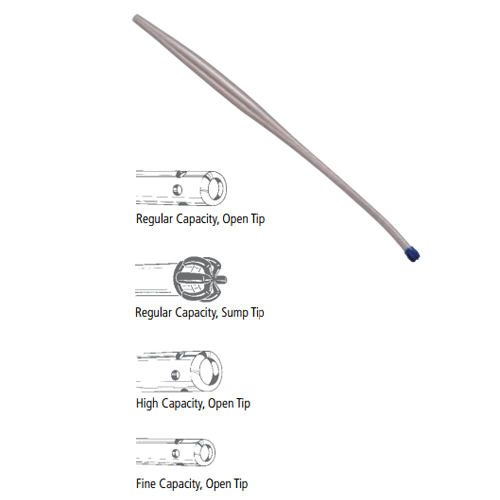
Original price $ 2.59Current price $ 2.34Argyle Yankauer Suction Tube with Regular Capacity & Trol Vent Tip
The Argyle Yankauer Regular Capacity Suction Tube with Tip Trol Vent is transparent, flexible, and non-breakable. This sterile suction tube has a m...
View full details -
 Sale 9%
Original price $ 2.59Current price $ 2.35
Sale 9%
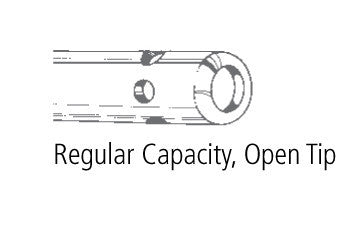
Original price $ 2.59Current price $ 2.35Argyle Yankauer Suction Tube Regular Capacity without Vent Tip
1 reviewThe Argyle Yankauer Regular Capacity Suction Tube (without Vent) is a non-breakable suction tube with a malleable vinyl construction and a smooth i...
View full details -
 Sale 9%
Original price $ 2.59Current price $ 2.35
Sale 9%
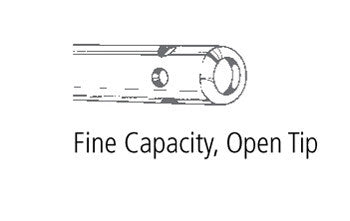
Original price $ 2.59Current price $ 2.35Argyle Yankauer Suction Tube with Fine Capacity Tip without Vent
The Argyle Yankauer Fine Capacity Suction Tube was designed with patient comfort in mind. These surgical suction tubes have a fine capacity tip, th...
View full details -
 Sale 12%
Original price $ 2.59Current price $ 2.29
Sale 12%
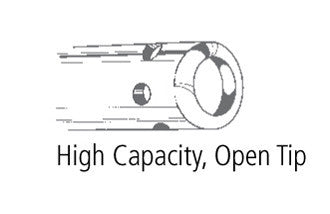
Original price $ 2.59Current price $ 2.29Argyle Yankauer Suction Instrument with High Capacity Tip
The Argyle Yankauer High Capacity Suction Tube was designed for increased patient comfort and usability. These single-use suction tubes are made wi...
View full details -
 Sale
$ 2.39
Sale
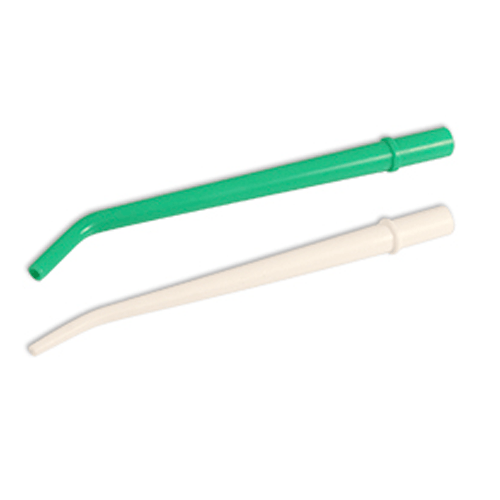
$ 2.39Suction Aspirator Tips, 25/Pack
1 reviewSuction Aspirator Tips are used to remove fluids and debris from a patient's airway or surgical site. They ensure clear visibility and a clean work...
View full details -
 Sale
$ 45.50
Sale
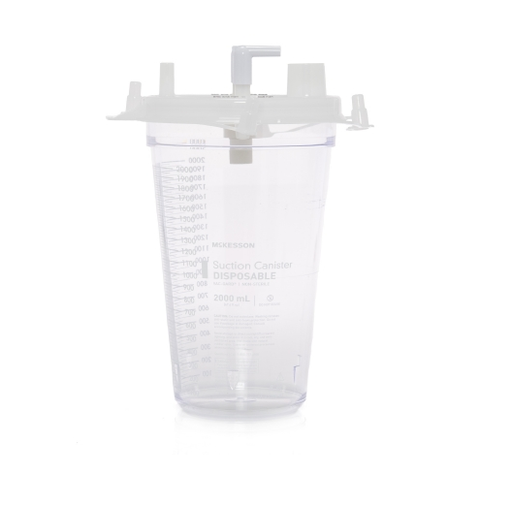
$ 45.50Suction Canister 2000 mL Pour Lid, Box of 6
Features Disposable Suction Canisters Designed for convenience by removing the need for a secondary waste liner Lid attaches firmly to the caniste...
View full details -
 Sale 45%
Original price $ 1.25Current price $ 0.69
Sale 45%
Original price $ 1.25Current price $ 0.69Suction Catheter Kit with 14fr Catheter, Pop-Up Cup & 1 pr of Vinyl Gloves
Dynarex Suction Catheter Kits are designed to safely and effectively remove secretions from the respiratory tracts of tracheostomy patients with ma...
View full details -
 Sale 7%
Original price $ 55.95Current price $ 52.00
Sale 7%
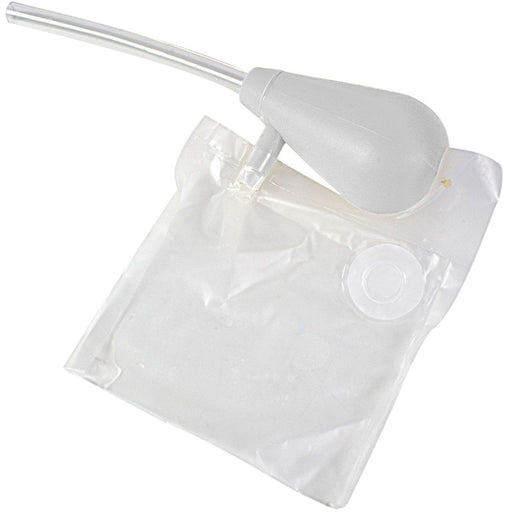
Original price $ 55.95Current price $ 52.00NAR Tactical Suction Device Clear For Manual Aspiration 1000mL
NAR Tactical Suction Device Clear For Manual Aspiration. This superior device gives you control and accuracy when aspiration is necessary. It is pe...
View full details -
 Sale 34%
Original price $ 125.00Current price $ 82.99
Sale 34%
Original price $ 125.00Current price $ 82.99Manual Suction Pump, 500 mmHg, Reusable with Interchangeable Canister
A manual suction pump, 500 mmHg, reusable with interchangeable canister is a medical device used to suction fluids, secretions, and debris from the...
View full details -
 Sale 32%
Original price $ 19.89Current price $ 13.50
Sale 32%
Original price $ 19.89Current price $ 13.50Suction Canister Kit with Canister, Tubing, Float Valve Shutoff and Bacteria Filter
Optimize your clinical operations with the AG Industries Suction Canister Kit. This comprehensive kit is designed to ensure efficient and safe suct...
View full details -
 Sale 38%
Original price $ 15.95Current price $ 9.85
Sale 38%
Original price $ 15.95Current price $ 9.85Inline Hydrophobic Bacteria Filter For Aspirators & Suction Machines
Inline Hydrophobic Bacteria Filter The Precision Medical “#1690” inline hydrophobic bacteria filter is a disposable filter cartridge designed for u...
View full details


People Also Searched For
Suction Machines: Types and How to Use Them
A suction machine (or medical aspirator) is a device that creates negative pressure (a vacuum) to remove unwanted fluids from the body. In medicine it is commonly used to clear a patient’s airway or surgical field of mucus, blood, vomit or other secretions, so the patient can breathe or the surgeon can see the field. Such devices may run on electricity or battery, or even be hand- or foot-operated pumps. In hospitals, suction is often supplied via wall outlets connected to a central vacuum system. A typical machine includes tubing, a vacuum pump or compressor, a pressure gauge, a collection canister, on/off controls, and a filter or regulator to control suction strength.
Types of Suction Machines
-
Manual (hand/foot) suction: These devices use a hand pump or foot pedal to create suction, requiring no electricity. They are lightweight and portable, so they are often used in field settings, ambulances, or emergency first-aid situations where power may be unavailable. A hand-held plunger or squeeze bulb can also serve (some simple aspirators use a manually pumped syringe). The drawbacks are that continuous pumping effort is fatiguing and the vacuum strength depends on the user’s force, so it’s less powerful than electric units.
-
Portable (battery-powered) suction: These are compact electric machines powered by rechargeable batteries. They are used in ambulances, home care, or remote locations. A typical portable suction unit contains a small motor-driven pump, tubing and a collection jar, and runs on AC power or internal batteries. They offer moderate suction strength and full mobility (some models even run off vehicle power). The battery life limits continuous use, and they generally produce less sustained suction than larger units.
-
Electric (stationary) suction machines: These plug into mains power and provide strong, continuous suction over long periods. Larger models (sometimes called suction pumps) are used in hospitals, clinics and operating rooms. They have powerful motors to generate high negative pressure for tasks like surgical field clearing or wound drainage. Because they require mains electricity, these units are less portable. In hospitals, many units are wall-mounted or built into a pipeline system to save space. A wall-mounted machine is fixed near a patient’s bed and its vacuum taps into the central vacuum supply.
-
Central vacuum systems: Many healthcare facilities use a centralized vacuum network. The in-wall or in-ceiling vacuum ports connect to a building-wide suction system. This provides reliable suction throughout a hospital without needing separate portable pumps. Each room typically has a regulator and gauge on the wall outlet. (Some specialized high-volume systems, like gastric or Jackson-Pratt drains, may use continuous wall suction.)
How to Use a Suction Machine
Using a medical suction machine safely involves several steps: setting up the equipment, preparing the patient and catheter, performing suctioning correctly, and cleaning afterward. Below is a general procedure (specific models may vary; always follow the manufacturer’s and clinician’s instructions).
-
Prepare the machine and supplies: Place the suction unit on a firm, flat surface near the patient. Attach a clean collection canister or jar into the machine. Connect the short tubing from the pump outlet to the canister lid, and the longer tubing from the lid to the suction catheter or Yankauer tip. If the machine is electric, plug it into the power supply; if battery-powered, ensure the battery is charged. Turn the unit on and test suction by blocking the catheter end with your thumb – you should feel vacuum suction. Adjust the vacuum regulator or knob to the desired pressure. Typical guideline vacuum settings are around 80–100 mmHg for infants, ~100–120 mmHg for children, and 100–150 mmHg for adults. (Exact values may vary by protocol.) Verify the pressure on the gauge; if it’s too low, check all connections for leaks and readjust the regulator or occlude valve as needed.
-
Prepare the patient and catheter: Explain the procedure to the patient. Wash your hands thoroughly and put on disposable gloves.. Attach a sterile suction catheter to the tubing. For oral suctioning, use a Yankauer tip or a sterile catheter; for nasal/tracheal suctioning (intubated or tracheostomy patient), use an appropriately sized flexible catheter. Position the patient with the head turned to the side or in a slightly upright position to avoid aspiration if vomiting occurs.
-
Perform suctioning: Gently insert the catheter into the patient’s mouth (for oropharyngeal suction) or nose (nasopharyngeal/tracheal suction), advancing slowly toward the back of the throat until you feel slight resistance or the patient coughs. As you withdraw the catheter back out, intermittently cover the catheter’s control vent or thumb hole to apply suction. Do not apply suction continuously; instead, suction for short bursts – typically no more than 10–15 seconds at a time. During suctioning, constantly rotate the catheter while withdrawing to clear secretions from all sides. Observe the patient: suctioning often induces coughing or gagging, which is normal; pause if the patient seems distressed and allow them to breathe between passes. Suctioning too long or too vigorously can cause hypoxia or trauma. If needed, repeat suctioning after a rest period. (Monitor oxygen saturation and vital signs, especially in critical patients.)
-
After suctioning: Once clear of secretions, turn off the suction machine. Detach and dispose of the used catheter (if disposable) or set aside for cleaning. Empty the collection canister by carefully disposing of the fluid in a toilet (not a sink). Rinse the canister, tubing, and lid in warm soapy water; disinfect by soaking in a mild solution (for example, one part vinegar to three parts water) for about an hour. Rinse all parts again with clean water and let them air dry before next use. Change or clean the bacterial filter periodically. Regular cleaning prevents bacterial growth and malfunction.
Clinical indications: Suctioning is used whenever a patient cannot clear breathing passages adequately on their own. This includes patients with tracheostomies, those on ventilators, or anyone producing excessive secretions due to illness (e.g. after stroke, with neuromuscular disease, head injury, or during surgery). In dental settings, a high-volume suction wand is used to remove saliva and debris from the mouth. In all cases, suctioning helps prevent aspiration of fluids into the lungs and improves comfort by clearing the airway.
Safety notes: Always follow your healthcare facility’s protocol or device manual. Do not exceed recommended suction pressure (excessive vacuum can damage mucosa). Monitor the patient for cough, irregular breathing or distress. Replace disposable catheters between uses or autoclave reusable tips. With proper technique and hygiene, suction machines are a vital tool to keep patients’ airways clear and support breathing.