Skip to content
Year-End Sale is Live Now - Up to 50% off
New users? Get 5% off on your first purchase.
Free US shipping over $100
Year-End Sale is Live Now - Up to 50% off
New users? Get 5% off on your first purchase.
Free US shipping over $100

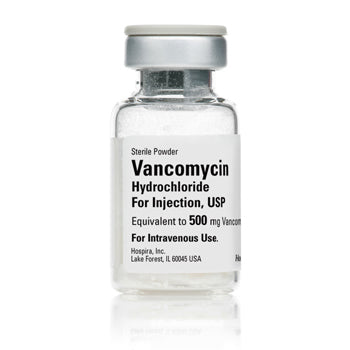
Vancomycin Hydrochloride Injection 500 mg Vials 10/Box by Pfizer (Rx)

Year End Sale 26%
Original price $ 199.95
Current price $ 147.00
SKU 00409-4332-01
*Mountainside Medical does not fill personal prescriptions Medical Professional License Required to Unlock Account

How to Order:

Send an email request to: sales@mountainside-medical.com

You will receive instructions on how to create an account along with Rx Ordering Details.

(Note: Acceptable licenses must have Prescriptive Authority in the license issuing state.)

Vancomycin Hydrochloride for Injection 500 mg Vials is an antibiotic used to treat severe bacterial infections caused by Gram-positive organisms, including methicillin-resistant Staphylococcus aureus (MRSA) and other resistant strains. It is commonly administered intravenously to manage conditions such as pneumonia, septicemia, skin infections, and endocarditis. Vancomycin operates by inhibiting bacterial cell wall synthesis, leading to the destruction of the bacteria, and is crucial in treating infections where other antibiotics have failed.

Active Ingredient: Vancomycin Hydrochloride

Strength and Formulation: 500 mg per vial of powder, which needs to be reconstituted before administration.

Packaging:

  • Vial Size: 500 mg
  • Packaging Type: 10 vials per box

Indications:

  • Serious Infections: Effective for treating severe staphylococcal infections, including methicillin-resistant strains.
  • Clostridium difficile-associated diarrhea: Administered when metronidazole is ineffective or contraindicated.
  • Endocarditis, osteomyelitis, pneumonia, and other serious infections: Specifically when involving the bloodstream and heart valves, bones, lungs, and skin.

Administration:

  • Route: Intravenous infusion
  • Reconstitution: Vials must be reconstituted with an appropriate diluent as per the prescribing information.
  • Dosage and Infusion Rate: Must follow specific guidelines to avoid infusion-related reactions (e.g., Red Man Syndrome).

Mechanism of Action:

Vancomycin interferes with bacterial cell wall synthesis, exerting a bactericidal effect against susceptible organisms.

Warnings and Precautions:

  • Nephrotoxicity and Ototoxicity: Monitor kidney function and hearing levels, especially with higher doses.
  • Infusion Reaction: To minimize the risk of Red Man Syndrome, infuse slowly over at least 60 minutes.
  • Allergic Reactions: Be cautious in patients with known hypersensitivity to vancomycin.

Side Effects:

May include fever, rash, nausea, vomiting, and phlebitis at the injection site. More serious side effects include nephrotoxicity and ototoxicity.

Storage:

  • Temperature: Store the vials at room temperature before reconstitution.
  • Reconstituted Solution: Should be used promptly after reconstitution to ensure efficacy and sterility.

Vancomycin is critical in the management of highly resistant bacterial infections, widely relied upon in healthcare settings where advanced bacterial resistance presents significant treatment challenges. It is important for healthcare professionals to adhere to dosing and administration guidelines to optimize treatment outcomes while minimizing potential risks. As always, consult healthcare professionals for risks, benefits, and specific guidance related to its use.

Vancomycin Hydrochloride Injection 500 mg Vials 10/Box by Pfizer (Rx)
$ 199.95 $ 147.00
🔒 Medical License Required
FAqs About Vancomycin Antibiotics
  • What Is the Antibiotic Vancomycin Used For?

    Vancomycin is primarily used to treat: MRSA (Methicillin-resistant Staphylococcus aureus) infections Severe skin, bone, or joint infections Pneumonia caused by resistant bacteria Clostridioides difficile (C. diff) infection (oral vancomycin) Sepsis and endocarditis

  • How Is Vancomycin Different from Other Antibiotics?

    Vancomycin is a glycopeptide antibiotic, targeting bacteria differently than penicillins or cephalosporins. It is effective against many drug-resistant Gram-positive organisms, including MRSA. Used when beta-lactam antibiotics are ineffective or contraindicated due to allergy or resistance.

  • Is Vancomycin a Very Strong Antibiotic?

    Yes, vancomycin is considered a very strong, broad-spectrum antibiotic. It is used for serious or complicated bacterial infections where other antibiotics have failed or are not suitable.

  • How Quickly Does Vancomycin Work?

    Vancomycin’s effects begin within hours of the first dose, but symptom improvement is typically seen within 24–72 hours, depending on the infection and patient health.

  • How Long Can You Stay on Vancomycin?

    Treatment duration ranges from 7 to 21 days, depending on severity and site of infection. For C. diff, oral vancomycin is usually given for 10–14 days. Long-term use may increase the risk of side effects—close monitoring is required.

  • What Is the Most Serious Side Effect of Vancomycin?

    Kidney damage (nephrotoxicity) is the most serious risk, especially with long-term use or high doses. Ototoxicity (hearing loss) is rare but can occur at high concentrations. "Red man syndrome"—a flushing and rash—can happen if infused too quickly.

  • Why Do Patients Get Vancomycin?

    Physicians prescribe vancomycin for serious, hospital-acquired, or resistant infections when other antibiotics don’t work, or when patients have severe allergies to penicillins.

  • Is Vancomycin a Last Resort Antibiotic?

    Yes, vancomycin is often considered a last-resort or reserve antibiotic for resistant or life-threatening bacterial infections.

  • Is Vancomycin Better than Amoxicillin?

    Vancomycin is stronger against resistant Gram-positive bacteria. Amoxicillin is used for less severe or standard infections. Vancomycin is reserved for special cases due to its risk profile and strength.

  • What Are Two Infections That Vancomycin Can Treat?

    MRSA bloodstream or skin infections Severe C. difficile colitis (oral vancomycin)

  • What to Avoid While Taking Vancomycin?

    Avoid nephrotoxic (kidney-damaging) drugs like aminoglycosides, NSAIDs, or IV contrast agents. Limit exposure to loud noise (to reduce ototoxicity risk). Avoid alcohol and drugs not cleared with your doctor.

  • Do You Need to Eat Food with Vancomycin?

    Oral vancomycin can be taken with or without food; food does not affect absorption. IV vancomycin is administered in hospitals and food is not required.

  • What Foods to Eat While Taking Vancomycin?

    Stay hydrated and maintain a balanced diet rich in vitamins and minerals. Probiotics may help protect gut health, particularly during C. diff treatment. Avoid foods that upset your stomach.

  • What Drugs Cannot Be Taken with Vancomycin?

    Avoid or use with caution: Aminoglycoside antibiotics (increased kidney risk) NSAIDs (like ibuprofen) Some diuretics IV contrast agents Always provide your doctor with a complete medication list.

  • What Organ Does Vancomycin Affect?

    Primarily the kidneys. Also potentially affects the ears (hearing/balance) with high doses or prolonged use.

  • How Do I Know If Vancomycin Is Working?

    Reduction in fever, pain, swelling, and infection signs within 2–3 days. Lab tests will show dropping white blood cell count and cultures becoming negative.

  • What to Give Instead of Vancomycin?

    Alternatives depend on infection and resistance: Linezolid, daptomycin, or tigecycline may be used if vancomycin is not suitable. Decision rests with your infection specialist.

  • How Long Can You Be on Vancomycin for C. diff?

    Typically 10–14 days per course, with reassessment for recurrence or complications.

  • Vancomycin: Key Features & Fast Facts

    Highly effective for resistant, hospital-acquired infections Available in IV and oral forms Strict monitoring for toxicity and side effects Often reserved for severe or life-threatening cases

Search Any Type of Product, Medication, or Alignment