Skip to content

Added to your cart:

Cart subtotal

Filters

Price
$
-
$
$0 $39
Collection

Wound Cleansers to Wound Wash

Wound cleansers are specialized solutions designed to care for and maintain the hygiene of wounds. They are primarily used to remove debris, exudate, and contaminants from the wound site, which helps prevent infection and promotes optimal healing conditions. These cleansers can be found in various forms, such as sprays, irrigation fluids, or antiseptic wipes, and often contain ingredients that aid in gently cleaning the wound without causing irritation or further tissue damage. Key health-related considerations in their use include infection control, wound healing, antimicrobial activity, and tissue viability, all vital for effective wound management.
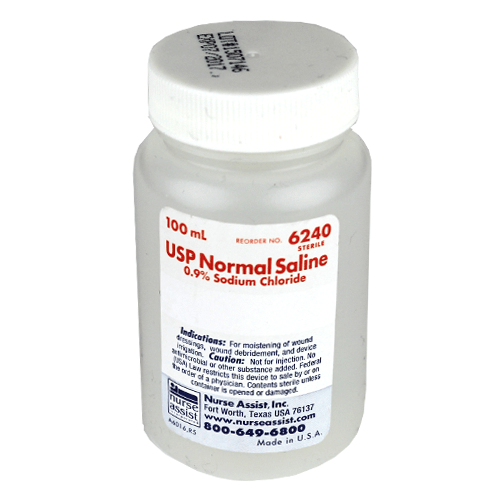
  • Sterile Normal Saline Irrigation Solution in use for wound care; promotes healing and reduces infection.
    Sale
    $ 0.99

    Normal Saline Irrigation Solution Screw-Top Bottle

    Normal Saline Irrigation Solution, a sterile and isotonic solution of sodium chloride in water, is a crucial component in various medical procedure...

    View full details
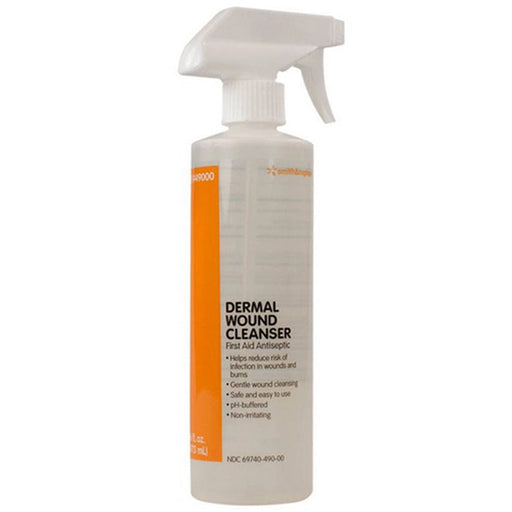
  • Dermal Wound Care Cleanser 8 oz for effective cleaning, promoting healing, and preventing infection.
    Sale 30%
    Original price $ 6.95
    Current price $ 4.89

    Dermal Wound Care Cleanser 8 oz

    Smith & Nephew Dermal Cleanser is a water-based, non-foaming cleanser that is designed to cleanse the skin without stripping it of its natural ...

    View full details
  • Puracyn Plus Antimicrobial Wound Irrigation Solution 4 oz for effective wound cleansing and infection prevention, promoting healing.
    Sale
    $ 13.80

    Puracyn Plus Antimicrobial Wound Irrigation Solution, Professional Wound Cleanser

    Puracyn Plus Antimicrobial Wound Irrigation Solution is a professional wound cleanser used to irrigate, debride, and cleanse acute and chronic woun...

    View full details
  • Dakin's Solution Antiseptic Wound Cleanser Quarter-Strength
    Sale 35%
    Original price $ 39.95
    Current price $ 25.95

    Dakin's Solution Antiseptic Wound Cleanser Quarter-Strength 16 Fl. oz

    The #1 Doctor-Recommended Antiseptic Solution for Advanced Wound Care & Infection Prevention Dakin's Solution Antiseptic Wound Cleanser is the ...

    View full details
  • Puracyn Plus Antimicrobial Wound Irrigation Solution 16.9 oz
    Sale 39%
    Original price $ 59.95
    Current price $ 36.75

    Puracyn Plus Antimicrobial Wound Irrigation Solution 16.9 oz

    Puracyn Plus Antimicrobial Wound Irrigation Solution is used for cleaning and irrigating acute and chronic wounds, including cuts, burns, abrasions...

    View full details
Wound cleansers are specialized solutions designed to care for and maintain the hygiene of wounds. They are primarily used to remove debris, exudate, and contaminants from the wound site, which helps prevent infection and promotes optimal healing conditions. These cleansers can be found in various forms, such as sprays, irrigation fluids, or antiseptic wipes, and often contain ingredients that aid in gently cleaning the wound without causing irritation or further tissue damage. Key health-related considerations in their use include infection control, wound healing, antimicrobial activity, and tissue viability, all vital for effective wound management.

Wound Cleansers Tips and Information

What are Wound Cleansers

Wound cleansers are specially formulated solutions used to clean wounds by removing debris, bacteria, and other contaminants. They help create an optimal environment for wound healing by reducing the risk of infection. Wound cleansers can vary in composition, including saline solutions, antiseptic agents, surfactants, an antimicrobial ingredients. The choice of wound cleanser depends on the type and severity of the wound, patient sensitivity, and the specific clinical situation.

Types of Wound Cleansers

Wound cleansers come in various types, each suitable for specific wound care needs. Here are some common types:

1. Normal Saline Solution:

  • Isotonic solution that is gentle and non-irritating.
  • Suitable for most wounds and aids in mechanical cleansing.

2. Antiseptic Solutions:

  • Contains agents like iodine or chlorhexidine.
  • Used to reduce microbial load, but may be too harsh for some wounds.

3. Sterile Water:

  • Used when a non-irritating, gentle rinse is needed.
  • Suitable for sensitive wounds.

4. Surfactant-Based Cleansers:

  • Contain surfactants to help emulsify and lift debris.
  • Effective in cleansing wounds with a lot of exudate.

5. Antimicrobial Cleansers:

  • Contain ingredients such as silver or honey.
  • Provide additional antimicrobial properties to support healing.

6. Buffered Solutions:

  • Adjusted pH levels to encourage an optimal healing environment.
  • Can be more comfortable on sensitive tissue.

7. Hydrogel Cleansers:

  • Provide moisture and cleansing in one step.
  • Ideal for dry or necrotic tissue.

Always consult healthcare professionals for appropriate wound cleanser selection and usage.


How to Wash or Cleanse a Wound:

Proper wound irrigation is essential for promoting healing and preventing infection. Here's a general guide on how to irrigate or wash a wound:

Prepare Your Materials:

  • Gather a sterile saline solution or anothermappropriate wound cleanser recommended by a healthcare provider.
  • Use a clean or sterile syringe with a soft catheter tip for precise irrigation.

Ensure Cleanliness:

  • Wash your hands thoroughly with soap and water.
  • Wear disposable gloves if available to prevent contamination.

Position the Patient:

  • Ensure the patient is comfortable and the wound is easily accessible.
  • Position the wound so that gravity helps with drainage (e.g., above a basin).

Irrigate the Wound:

  • Fill the syringe with the cleansing solution.
  • Gently direct a steady stream of solution into the wound using the syringe.
  • Aim to flush out debris, bacteria, and exudate without causing trauma to the wound.

Maintain a Steady Flow:

  • Keep the pressure consistent to avoid tissue damage and ensure effective cleansing.

Assess the Wound:

  • After irrigation, assess the wound for any remaining debris or signs of infection.
  • Repeat irrigation if necessary, based on the wound’s condition.

Dry the Surrounding Skin:

  • Gently pat the skin around the wound dry with sterile gauze, being careful not to disturb the wound bed.

Apply Wound Dressing:

  • Apply an appropriate dressing as recommended by a healthcare professional to protect the wound and promote healing.

Dispose of Materials Safely:

  • Dispose of used materials and gloves safely to prevent contamination.

Always follow specific medical advice and recommendations for individual wound care needs.

Get Notified When Back in Stock