
Filters
Yeast Infection Treatments, Creams & Medicines to Anti-Itch Cream
A yeast infection usually refers to a vaginal yeast infection (vulvovaginal candidiasis), which is an overgrowth of Candida yeast in the vagina. Normally, a small amount of yeast lives in the vagina without causing issues, but factors like taking antibiotics, high stress, pregnancy, or even staying in a wet bathing suit too long can upset the natural balance and let yeast multiply. This leads to classic symptoms: intense itching, redness, swelling of the vulva, a burning sensation (especially during urination or sex), and often a thick, odorless white discharge that looks like cottage cheese. Yeast infections are very common – about 75% of women (and people assigned female at birth) will experience at least one in their lifetime. The good news is that yeast infections are highly treatable. Treatments come in two main forms: antifungal creams or suppositories that you apply directly in the vagina, and oral antifungal medications (pills) that treat the infection from the inside out. There are also some at-home remedies people try, but the most reliable cures are the medicated antifungal treatments.
Treatments for yeast infections primarily involve antifungal medications: either applied directly in the vagina (creams, suppositories) or taken by mouth (pills). Over-the-counter azole antifungals like miconazole or clotrimazole successfully cure most mild yeast infections. For tougher cases, doctors can prescribe stronger or longer therapy – such as fluconazole pills or other new medications – to fully clear the infection. While home remedies might ease things a bit, they’re not proven cures, so it’s best to rely on the antifungal treatments to get rid of the yeast. With proper treatment, most yeast infections improve within a few days and are fully resolved within a week or so If infections keep recurring, talk to a healthcare provider about longer-term strategies to keep the yeast in check. Remember, yeast infections are very common and nothing to be embarrassed about – and with the right approach, they’re very manageable and curable.
-
 Sale 29%
Original price $ 6.49Current price $ 4.59
Sale 29%
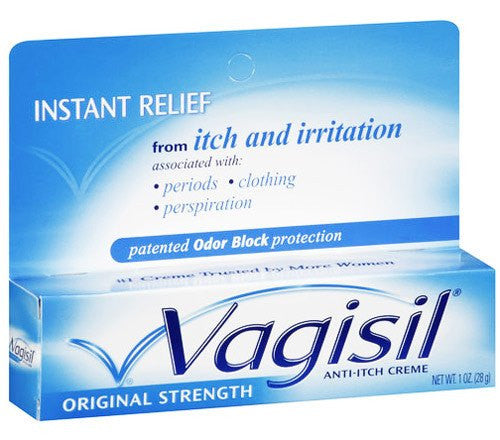
Original price $ 6.49Current price $ 4.59Vagisil Anti Itch Cream Original Strength 1 oz
Vagisil Anti-itch Cream with original strength formula is a long-lasting, instant itching relief creme, that blocks odor and quickly relieves femin...
View full details -
 Sale 35%
Original price $ 12.95Current price $ 8.40
Sale 35%
Original price $ 12.95Current price $ 8.40Vagisil Anti-Itch Cream Maximum Strength Formula
Vagisil Anti-Itch Cream Maximum Strength Formula is a topical medication used to relieve itching, burning, and irritation in the external vaginal a...
View full details

People Also Searched For
A yeast infection usually refers to a vaginal yeast infection (vulvovaginal candidiasis), which is an overgrowth of Candida yeast in the vagina. Normally, a small amount of yeast lives in the vagina without causing issues, but factors like taking antibiotics, high stress, pregnancy, or even staying in a wet bathing suit too long can upset the natural balance and let yeast multiply. This leads to classic symptoms: intense itching, redness, swelling of the vulva, a burning sensation (especially during urination or sex), and often a thick, odorless white discharge that looks like cottage cheese. Yeast infections are very common – about 75% of women (and people assigned female at birth) will experience at least one in their lifetime. The good news is that yeast infections are highly treatable. Treatments come in two main forms: antifungal creams or suppositories that you apply directly in the vagina, and oral antifungal medications (pills) that treat the infection from the inside out. There are also some at-home remedies people try, but the most reliable cures are the medicated antifungal treatments.
Treatments for yeast infections primarily involve antifungal medications: either applied directly in the vagina (creams, suppositories) or taken by mouth (pills). Over-the-counter azole antifungals like miconazole or clotrimazole successfully cure most mild yeast infections. For tougher cases, doctors can prescribe stronger or longer therapy – such as fluconazole pills or other new medications – to fully clear the infection. While home remedies might ease things a bit, they’re not proven cures, so it’s best to rely on the antifungal treatments to get rid of the yeast. With proper treatment, most yeast infections improve within a few days and are fully resolved within a week or so If infections keep recurring, talk to a healthcare provider about longer-term strategies to keep the yeast in check. Remember, yeast infections are very common and nothing to be embarrassed about – and with the right approach, they’re very manageable and curable.