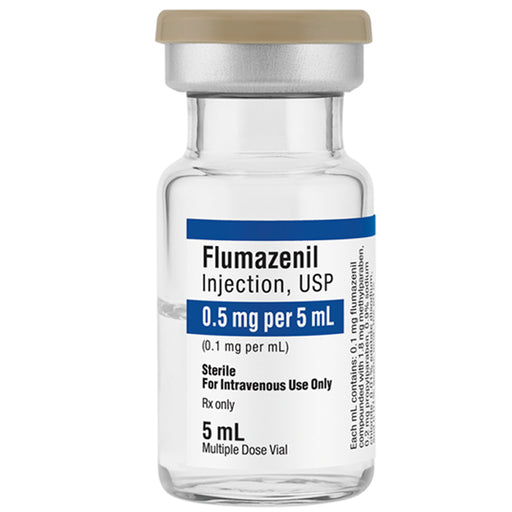
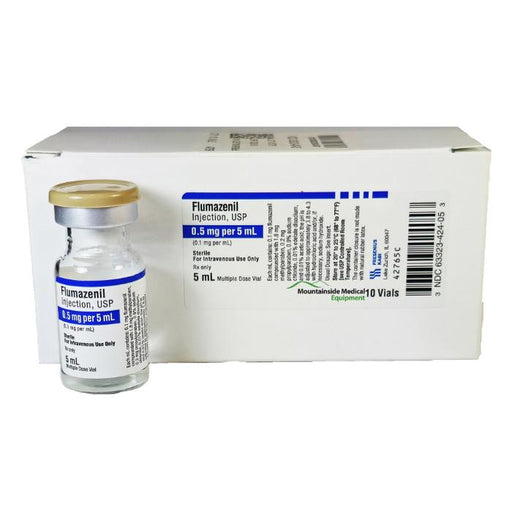
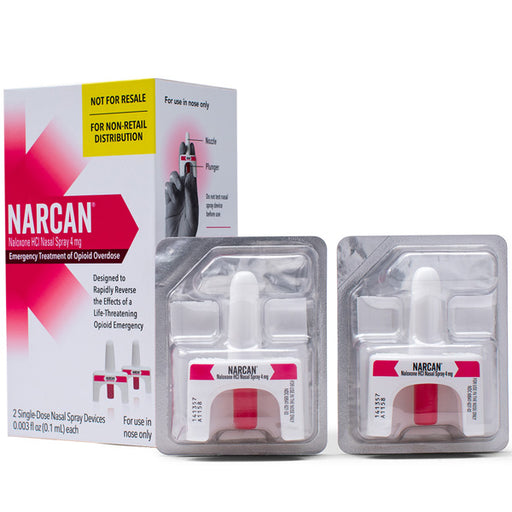
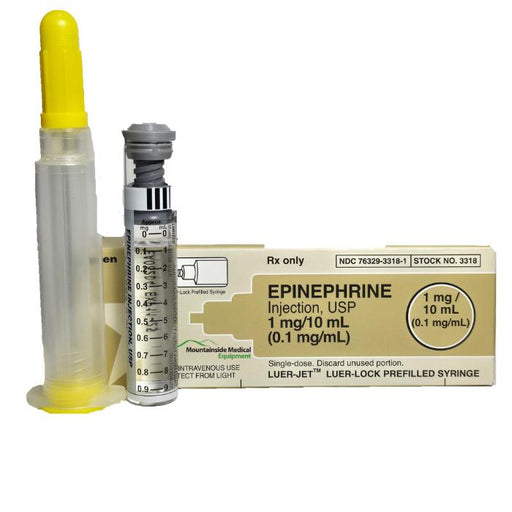
Essential IV Electrolyte for Cardiac, Toxicology & Critical Care Emergencies
Rapid, Reliable IV Calcium Therapy for Cardiac Arrest, Hyperkalemia, and Life-Threatening Emergencies
Calcium Chloride 10% Prefilled Syringes by Medefil provide ready-to-use, pharmacy-grade IV calcium replacement trusted by hospitals, emergency rooms, critical care units, and paramedics. Each prefilled, sterile syringe contains a precise 1000 mg (1 g) dose in 10 mL (100 mg/mL), ensuring rapid administration during cardiac arrest, severe hyperkalemia, calcium channel blocker overdose, hypocalcemic tetany, and magnesium toxicity. An essential crash cart, ICU, and code blue medication for any advanced medical setting.
Uses and Indications
-
Acute hypocalcemia treatment (low serum calcium: tetany, seizures, muscle spasm)
-
Emergency cardiac resuscitation (as adjunct in cardiac arrest when related to hypocalcemia, hyperkalemia, or calcium channel blocker toxicity)
-
Electrolyte replacement for severe deficiencies due to trauma, burns, acute pancreatitis, or massive transfusion
- Management of hypermagnesemia
- Reversal of calcium channel blocker overdose
-
Stabilization of cardiac cell membranes in cases of severe hyperkalemia
Order Calcium Chloride 10% Prefilled Syringes 1000 mg/10 mL (100 mg/mL) by Medefil – Be Ready for Every Code Blue!
Equip your crash carts, emergency kits, cath labs, and critical care teams with the reliable IV calcium solution trusted by clinicians for rapid, lifesaving electrolyte replacement.
NDC: 64253-0900-91 | UPC: 364253900915 Box of 10 prefilled syringes. Prescription required. For professional use only.
Uses and Applications
Calcium Chloride Injection 10% is indicated for:
- Cardiac arrest (asystole, pulseless electrical activity) with:
- Hyperkalemia (elevated potassium+)
- Hypocalcemia (low calcium)
- Calcium channel blocker overdose
- Severe hyperkalemia for myocardial protection
- Acute symptomatic hypocalcemia, hypocalcemic tetany, or after parathyroidectomy
- Acute magnesium toxicity (eclampsia, pre-eclampsia, magnesium sulfate overdose)
- Supplemental IV calcium in advanced life support protocols
- Crash cart, emergency, critical care, cardiac cath lab, and EMS use
- Adjunct in some toxicology, renal, and transplant protocols
Not for routine outpatient supplementation or IM/subcutaneous use.
How to Use
- Verify patient indication, allergies, ECG, and serum labs before use.
- Visually inspect syringe for particulates or discoloration.
- Remove tamper-evident packaging and cap.
- Attach a sterile Luer-lock needle or compatible IV extension set.
- Administer by slow IV push into a large peripheral or preferably central vein to minimize risk of local tissue injury.
- Monitor ECG and vital signs continuously during and after administration.
- Do not mix with phosphate, bicarbonate, or sulfate solutions in the same IV line.
FOR HOSPITAL / EMERGENCY PROFESSIONAL USE.
Dosage and Administration
Typical Adult Dosing:
- Cardiac Arrest, Hyperkalemia, Hypocalcemia, Overdose:
- 500–1000 mg (5–10 mL of 10% solution; up to one prefilled syringe) IV slow push over 2–5 minutes.
- May repeat in 10 minutes as needed, guided by ECG and lab values.
- Pediatric Dose:
- 20 mg/kg/dose IV (0.2 mL/kg); maximum single dose 1 g (10 mL); infuse slowly under cardiac monitoring.
- Use central line if possible (especially for repeated or large doses) to avoid severe tissue injury from extravasation.
Always follow established clinical protocols and individualize dosing based on the clinical scenario.
Drug Interactions
- Digitalis glycosides (digoxin): Increased risk of fatal arrhythmias. Avoid concomitant use unless in cardiac arrest.
- Phosphate or bicarbonate IV solutions: Incompatible—precipitates form; avoid mixing in any IV line or bag.
- Ceftriaxone in neonates: Risk of fatal precipitation; contraindicated.
- Other cardiac drugs/diuretics: Monitor electrolytes and ECG.
- Calcium channel blockers: Intended for purposeful antagonism in overdose; otherwise may lessen efficacy.
Review all current patient medications for contraindications before administration.
Side Effects
Common Side Effects
- Flushing, peripheral vasodilation
- Mild tingling, local injection site pain
- Transient sense of warmth
- Nausea, metallic taste
Serious/Rare Side Effects
- Cardiac arrhythmias, bradycardia, cardiac arrest (if too rapid or extravasated)
- Severe tissue necrosis, sloughing if extravasation occurs (central line preferred)
- Hypercalcemia: confusion, muscle weakness, renal calculi, GI symptoms
- Hypotension (rare with proper administration)
- Syncope
Discontinue immediately if extravasation identified and treat per protocol.
 Skip to content