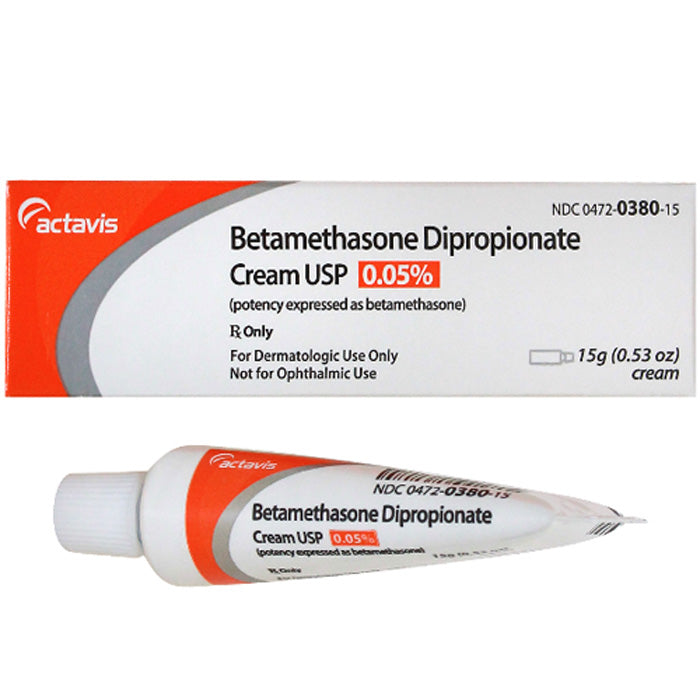
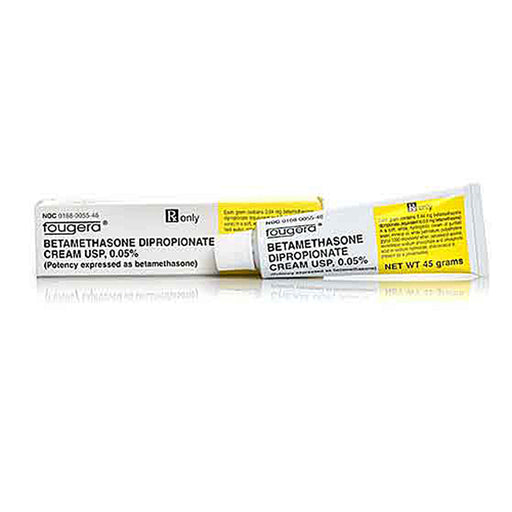
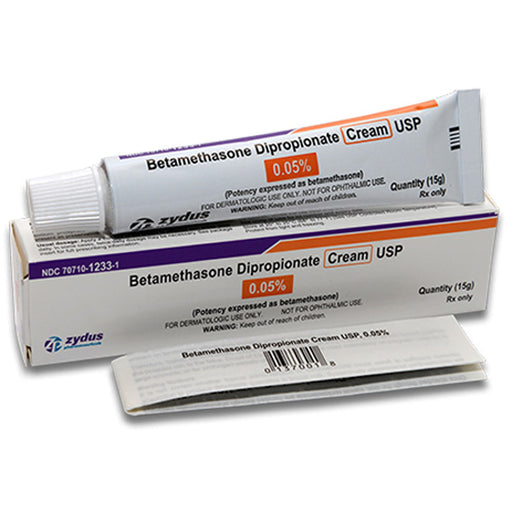
Betamethasone Cream Dipropionate 0.5% 15 grams (Rx)
How to Order:
You will receive instructions on how to create an account along with Rx Ordering Details.
(Note: Acceptable licenses must have Prescriptive Authority in the license issuing state.)
Cart subtotal
Sale 26%
Betamethasone Valerate Cream is used to treat a variety of skin conditions (e.g., eczema, dermatitis, allergies, rash). Betamethasone reduces the s...
View full details
Sale 23%
Betamethasone Dipropionate Lotion is a topical corticosteroid that is used to treat a variety of skin conditions, including eczema, psoriasis, and ...
View full details
Sale 24%
Betamethasone Dipropionate Cream 0.5% is used to help relieve redness, itching, swelling, or other discomforts caused by certain skin conditions. B...
View full details
Sale 22%
Celestone Soluspan Injection is a trusted biosimilar corticosteroid medication featuring a powerful combination of Betamethasone Sodium Phosphate a...
View full details
Sale 34%
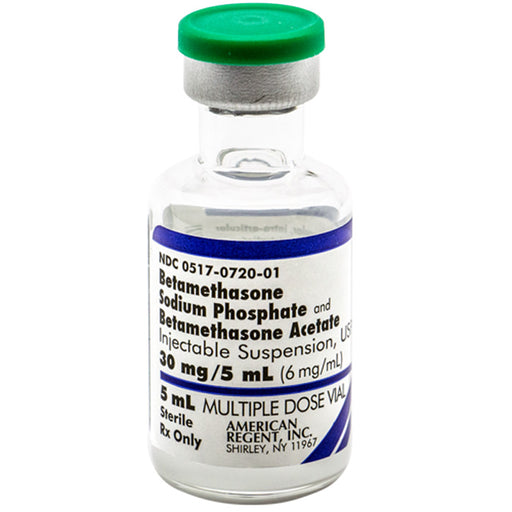
Betamethasone Injection Betamethasone Sodium Phosphate and Betamethasone Acetate Injectable are used for the treatment of conditions such as arthri...
View full details
Sale 30%
Zydus Betamethasone Dipropionate Cream 0.5% is a topical corticosteroid that is used to treat inflammation and itching caused by a variety of skin ...
View full details
Sale
Betamethasone Valerate, USP (Micronized) for compounding is a synthetic corticosteroid that is used in topical preparations for the treatment of va...
View full details
Sale
Betamethasone Sodium Phosphate USP is a synthetic corticosteroid that is commonly used in compounding pharmacies. It has anti-inflammatory and immu...
View full details
Sale 23%
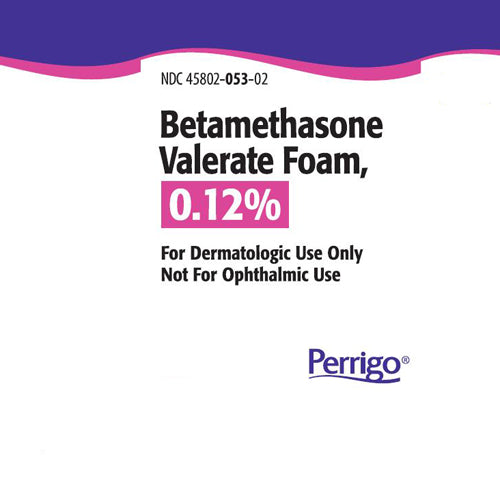
Betamethasone Valerate Foam 0.12% is a topical corticosteroid skin treatment that contains betamethasone valerate, USP, a synthetic corticosteroid...
View full details
Sold out
Kenalog 10 for Injection contains the active ingredient triamcinolone acetonide, which is a synthetic corticosteroid. It is used to treat a variety...
View full details
Sale 36%
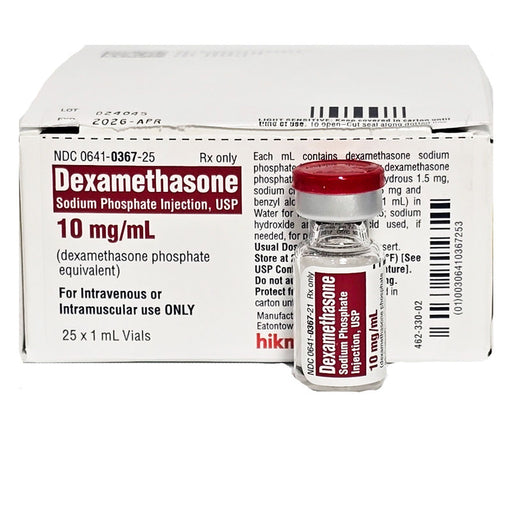
#1 Trusted Corticosteroid for Rapid Inflammation, Allergy, and Immune Control Dexamethasone Sodium Phosphate Injection 1 mL (Decadron Shot) from Hi...
View full details
Sale 50%
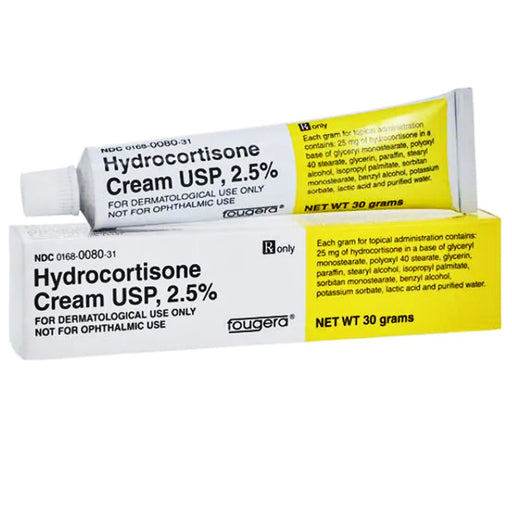
Fougera Hydrocortisone Cream 2.5% is a topical corticosteroids used to reduces the actions of chemicals in the body that cause inflammation, rednes...
View full details
Sale 23%
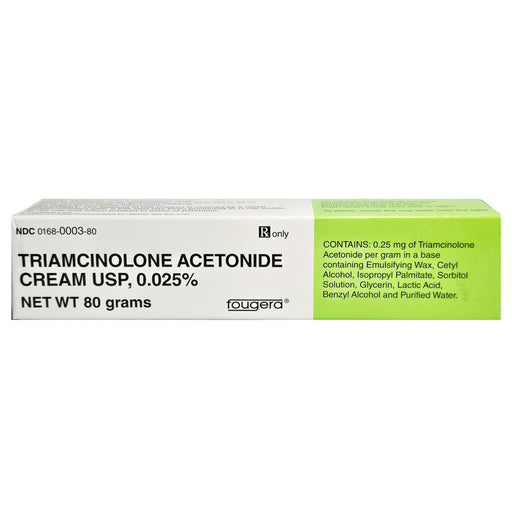
Triamcinolone Acetonide 0.025% Cream 80 Grams is used to treat the inflammation caused by a number of conditions such as allergic reactions, eczema...
View full details
Sale 35%
Triamcinolone Acetonide Topical Ointment 0.1% used to treat a variety of skin conditions (e.g., eczema, dermatitis, allergies, rash). Triamcinolone...
View full details
Sale 26%
Betamethasone Valerate Cream is used to treat a variety of skin conditions (e.g., eczema, dermatitis, allergies, rash). Betamethasone reduces the s...
View full details
Sale 38%
#1 Doctor-Recommended Hemorrhoid Cream – Fast-Acting Relief for Rectal Itching, Swelling, and Discomfort Discover the trusted, physician-preferred ...
View full details
Sale 36%
Triamcinolone Acetonide Ointment 0.1% — Clinical Overview Triamcinolone acetonide ointment 0.1% is a prescription topical corticosteroid used to re...
View full details
Sold out
Kenalog 40 Injection (40 mg per 1 mL) is a corticosteroid used to treat various conditions involving inflammation and allergic reactions, such as a...
View full details
Sale 23%
Betamethasone Dipropionate Lotion is a topical corticosteroid that is used to treat a variety of skin conditions, including eczema, psoriasis, and ...
View full details
Sale 36%
Triamcinolone Acetonide Ointment 0.1% — Clinical Overview Triamcinolone acetonide ointment 0.1% is a prescription topical corticosteroid used to re...
View full details
Sale 28%
Triamcinolone acetonide cream 0.1% is a topical corticosteroid medication that is used to treat a variety of skin conditions, including eczema, pso...
View full details
Sale 25%
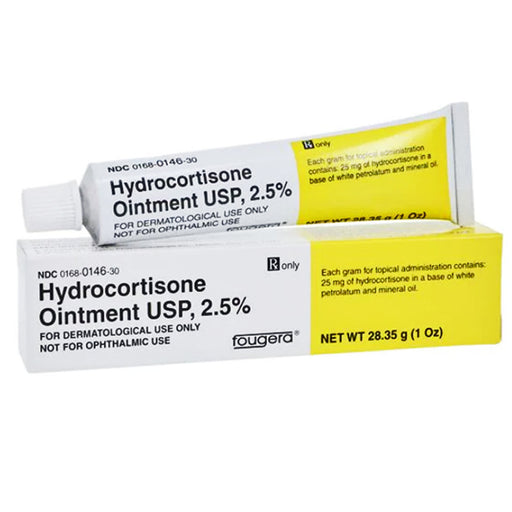
Hydrocortisone is a corticosteroid hormone that is produced in the adrenal cortex. It is released in response to stress and has a wide range of eff...
View full details
Sale 35%
Triamcinolone Acetonide Topical Ointment 0.1% used to treat a variety of skin conditions (e.g., eczema, dermatitis, allergies, rash). Triamcinolone...
View full details
Sale 21%
Padagis Triamcinolone Cream 0.10% is a topical skin cream used for eczema, dermatitis and dry skin. Triamcinolone Cream reduces itching, swelling, ...
View full details
Sale 33%
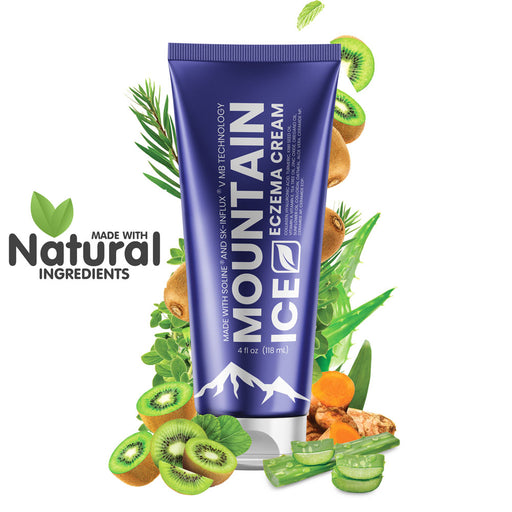
Mountain Ice Eczema and Psoriasis Relief Cream is an advanced formula that helps hydrates, restores and rebalances the epidermis lipid layer of the...
View full details
Sale 42%
Hydrocortisone 2.5% lotion is a topical medication commonly used to treat various skin conditions, primarily those involving inflammation and itchi...
View full details
Sale 31%
Triamcinolone Acetonide Topical Ointment 0.1% used to treat a variety of skin conditions (e.g., eczema, dermatitis, allergies, rash). Triamcinolone...
View full details
Sale
Fluocinonide Cream 0.05% is a topical corticosteroid used to treat a variety of inflammatory skin conditions such as eczema, psoriasis, and dermat...
View full details
Sale 30%
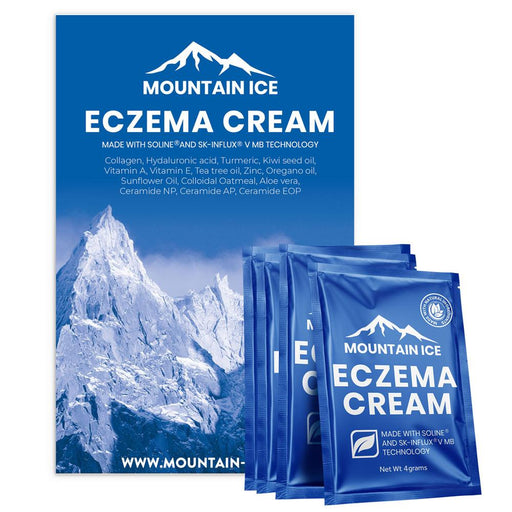
Mountain ice Eczema Cream is an advanced formula that hydrates, restores and rebalances the epidermis lipid layer of the Skin. The epidermal lipids...
View full detailsBetamethasone dipropionate 0.5% is a very potent topical corticosteroid prescribed for severe inflammatory skin conditions (such as eczema, psoriasis, or dermatitis) that have not responded to milder steroids. Because it is high-strength, it must be used exactly as directed by a doctor or pharmacist.
When to apply: Use the cream only on the area of rash that needs treatment – do not apply to healthy skin or wounds. Before application, clean and dry the affected area gently. Squeeze out a small amount (often measured as a “fingertip unit”) and spread it in a thin layer over the entire inflamed area. Rub in gently until it just disappears. (Using too thick a layer does not improve effect and can increase side effects.) Apply once or twice daily as prescribed. Official guidance is to apply a thin film once or twice a day and to stop treatment when the rash is under control. Always follow the exact instructions given by your healthcare provider or the product label.
How to measure: A fingertip unit (from the tip of an adult’s index finger to the first joint) is typically enough to treat an area about the size of two adult hands. For example, one fingertip of cream covers the forearm or most of the face. Adjust the amount so the rash is fully covered but not overly thick.
After application: Wash your hands after applying the cream (unless you are treating your hands) to avoid spreading the steroid to other areas. Do not apply any other creams, lotions, or emollients at the same time (wait at least 30 minutes before using other skin products) If you need to use dressings or bandages over the treated area, only do so if your doctor tells you – occlusive dressings can greatly increase steroid absorption.
Duration of use: Use the cream for the shortest time necessary to control symptoms. Once clear, discontinue treatment or switch to a milder steroid if maintenance therapy is needed. Do not use continuously on large areas or for prolonged periods without medical advice. Because betamethasone dipropionate is high-potency, labels advise not to exceed about 50 grams per week (about one standard tube). Prolonged overuse can suppress the adrenal (HPA) axis, so doctors limit total use (and often schedule a follow-up to taper off).
Special considerations for children: Children’s skin absorbs steroids more readily. If used in children, apply only to small areas and for brief periods. For example, do not put the cream inside nappies or diapers on babies, and do not use it on any area for more than about 5 days without re-evaluation. Always consult a pediatrician for dosing in infants and young kids.
Topical use only: This cream is for skin use only. Never apply it to the eyes, eyelids, inside the nose, mouth, genitals, or underarms. (If it accidentally gets in the eyes, rinse thoroughly with water and contact a healthcare provider.)
Avoid sensitive areas: Do not apply the cream to thin skin areas such as the face (especially around the cheeks or eyes), groin, or underarms unless directed by a doctor. These areas are more prone to side effects (thinning, steroid-induced acne or rosacea).
Infections and broken skin: Do not use this cream on any skin infection – for example, bacterial (impetigo), viral (herpes, chickenpox, etc.), or fungal infections – unless a doctor has prescribed it along with appropriate treatment. Strong steroids can worsen infections or mask their symptoms. Also avoid applying to deep cuts, wounds, or raw skin (broken/blistered skin).
Occlusive dressings: Covering the treated area tightly (e.g. with plastic wrap or airtight bandages) can greatly increase steroid absorption and risk. Use dressings only if your doctor has specifically instructed you.
Possible side effects: Most people tolerate topical betamethasone well when used correctly. However, overuse or inappropriate use can cause: thinning of the skin (and visible blood vessels), stretch marks, easy bruising, or a “shiny” appearance. You might also see increased hair growth (hypertrichosis) or loss of pigmentation in the applied area.. Rarely, allergic reactions (red rash, itching, swelling) can occur. Because some of the steroid can get into the bloodstream, prolonged use over large areas can suppress adrenal hormones – especially in children or if used under occlusion.
Monitoring: If treatment is needed for more than a few weeks, your doctor may want to monitor for systemic effects (e.g. by checking morning cortisol levels or in children monitoring growth). Also watch the skin: if the rash worsens or gets infected (yellow crusts, oozing), stop the steroid and seek medical advice.
Discontinuation: When the rash is controlled, do not stop abruptly after very prolonged use – instead, your doctor may gradually reduce frequency (e.g. once every other day) to avoid rebound redness or irritation.
Other precautions: Inform your doctor if you are pregnant or breastfeeding. The cream should be used on pregnant women only if clearly needed and benefit outweighs risk to the fetus. Also tell your doctor about any other steroid treatments you’re using (inhalers, pills, etc.) to avoid excessive steroid exposure.
Betamethasone dipropionate 0.5% cream is a high-potency topical steroid used short-term to relieve severe inflammatory skin rashes. In practice, treatment typically means applying a small amount of cream (thinly) to the affected skin once or twice daily. Cover the entire rash gently and rub it in. Continue until symptoms improve, but use no longer than prescribed – often not more than 1–2 weeks in any area. Always wash your hands afterwards. Avoid sensitive areas (face, genitals, etc.) and do not bandage the area unless told to do so.
Key points: Use only as directed by your doctor. Apply sparingly to the skin, cover the rash fully, and do not exceed the recommended frequency or amount. Side effects are uncommon if used correctly, but report any excessive skin thinning, strange skin color, or unusual symptoms. If you have any questions about how much or how often to apply the cream, consult your doctor or pharmacist.
Betamethasone dipropionate 0.5% is a very potent topical corticosteroid prescribed for severe inflammatory skin conditions (such as eczema, psoriasis, or dermatitis) that have not responded to milder steroids. Because it is high-strength, it must be used exactly as directed by a doctor or pharmacist.
When to apply: Use the cream only on the area of rash that needs treatment – do not apply to healthy skin or wounds. Before application, clean and dry the affected area gently. Squeeze out a small amount (often measured as a “fingertip unit”) and spread it in a thin layer over the entire inflamed area. Rub in gently until it just disappears. (Using too thick a layer does not improve effect and can increase side effects.) Apply once or twice daily as prescribed. Official guidance is to apply a thin film once or twice a day and to stop treatment when the rash is under control. Always follow the exact instructions given by your healthcare provider or the product label.
How to measure: A fingertip unit (from the tip of an adult’s index finger to the first joint) is typically enough to treat an area about the size of two adult hands. For example, one fingertip of cream covers the forearm or most of the face. Adjust the amount so the rash is fully covered but not overly thick.
After application: Wash your hands after applying the cream (unless you are treating your hands) to avoid spreading the steroid to other areas. Do not apply any other creams, lotions, or emollients at the same time (wait at least 30 minutes before using other skin products) If you need to use dressings or bandages over the treated area, only do so if your doctor tells you – occlusive dressings can greatly increase steroid absorption.
Duration of use: Use the cream for the shortest time necessary to control symptoms. Once clear, discontinue treatment or switch to a milder steroid if maintenance therapy is needed. Do not use continuously on large areas or for prolonged periods without medical advice. Because betamethasone dipropionate is high-potency, labels advise not to exceed about 50 grams per week (about one standard tube). Prolonged overuse can suppress the adrenal (HPA) axis, so doctors limit total use (and often schedule a follow-up to taper off).
Special considerations for children: Children’s skin absorbs steroids more readily. If used in children, apply only to small areas and for brief periods. For example, do not put the cream inside nappies or diapers on babies, and do not use it on any area for more than about 5 days without re-evaluation. Always consult a pediatrician for dosing in infants and young kids.
Topical use only: This cream is for skin use only. Never apply it to the eyes, eyelids, inside the nose, mouth, genitals, or underarms. (If it accidentally gets in the eyes, rinse thoroughly with water and contact a healthcare provider.)
Avoid sensitive areas: Do not apply the cream to thin skin areas such as the face (especially around the cheeks or eyes), groin, or underarms unless directed by a doctor. These areas are more prone to side effects (thinning, steroid-induced acne or rosacea).
Infections and broken skin: Do not use this cream on any skin infection – for example, bacterial (impetigo), viral (herpes, chickenpox, etc.), or fungal infections – unless a doctor has prescribed it along with appropriate treatment. Strong steroids can worsen infections or mask their symptoms. Also avoid applying to deep cuts, wounds, or raw skin (broken/blistered skin).
Occlusive dressings: Covering the treated area tightly (e.g. with plastic wrap or airtight bandages) can greatly increase steroid absorption and risk. Use dressings only if your doctor has specifically instructed you.
Possible side effects: Most people tolerate topical betamethasone well when used correctly. However, overuse or inappropriate use can cause: thinning of the skin (and visible blood vessels), stretch marks, easy bruising, or a “shiny” appearance. You might also see increased hair growth (hypertrichosis) or loss of pigmentation in the applied area.. Rarely, allergic reactions (red rash, itching, swelling) can occur. Because some of the steroid can get into the bloodstream, prolonged use over large areas can suppress adrenal hormones – especially in children or if used under occlusion.
Monitoring: If treatment is needed for more than a few weeks, your doctor may want to monitor for systemic effects (e.g. by checking morning cortisol levels or in children monitoring growth). Also watch the skin: if the rash worsens or gets infected (yellow crusts, oozing), stop the steroid and seek medical advice.
Discontinuation: When the rash is controlled, do not stop abruptly after very prolonged use – instead, your doctor may gradually reduce frequency (e.g. once every other day) to avoid rebound redness or irritation.
Other precautions: Inform your doctor if you are pregnant or breastfeeding. The cream should be used on pregnant women only if clearly needed and benefit outweighs risk to the fetus. Also tell your doctor about any other steroid treatments you’re using (inhalers, pills, etc.) to avoid excessive steroid exposure.
Betamethasone dipropionate 0.5% cream is a high-potency topical steroid used short-term to relieve severe inflammatory skin rashes. In practice, treatment typically means applying a small amount of cream (thinly) to the affected skin once or twice daily. Cover the entire rash gently and rub it in. Continue until symptoms improve, but use no longer than prescribed – often not more than 1–2 weeks in any area. Always wash your hands afterwards. Avoid sensitive areas (face, genitals, etc.) and do not bandage the area unless told to do so.
Key points: Use only as directed by your doctor. Apply sparingly to the skin, cover the rash fully, and do not exceed the recommended frequency or amount. Side effects are uncommon if used correctly, but report any excessive skin thinning, strange skin color, or unusual symptoms. If you have any questions about how much or how often to apply the cream, consult your doctor or pharmacist.
Something went wrong. Please try again.
Check your email for exclusive offers and updates from Mountainside Medical.