Epinephrine for Injection 1 mL Ampules (1:1000), 10/Box (Rx)

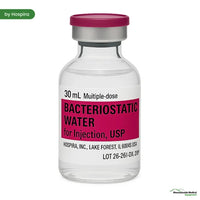
Bacteriostatic Water Injection by Hospira, Multiple Dose Vials 30 mL 25/Pack (Rx)
$ 539.00
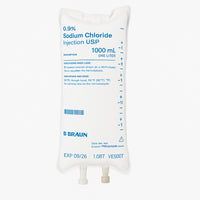
IV Bags, IV Fluid Solution for Intravenous & Infusion IV Therapy (Rx)
$ 10.95
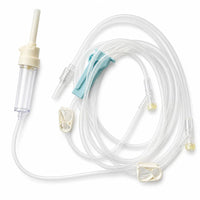
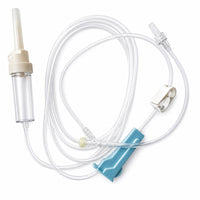
Exel IV Administration Set, Y-Injection Site, 78" Tube, Roller Clamp
$ 1.99
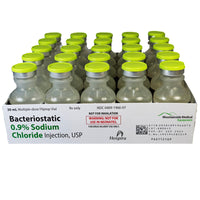
Bacteriostatic Sodium Chloride 0.9% Saline Injection Multiple Dose 30 ml x 25/Pack (Rx)
$ 125.00
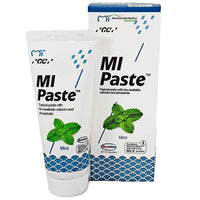
MI Paste with Mint Flavor Remineralizing Toothpaste by GC America
$ 23.00
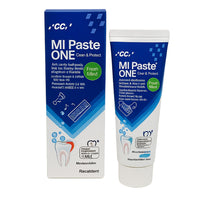
Mi Paste One Anti-Cavity Toothpaste, Fresh Mint by GC America
$ 24.00
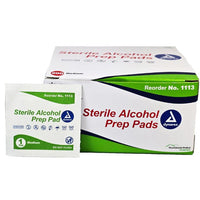
Alcohol Prep Pads Sterile by Dynarex 200/Box
$ 2.49
Nitrile Powder Free Examination Gloves Blue Color, 100/Box
$ 7.95
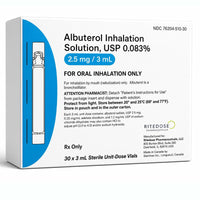
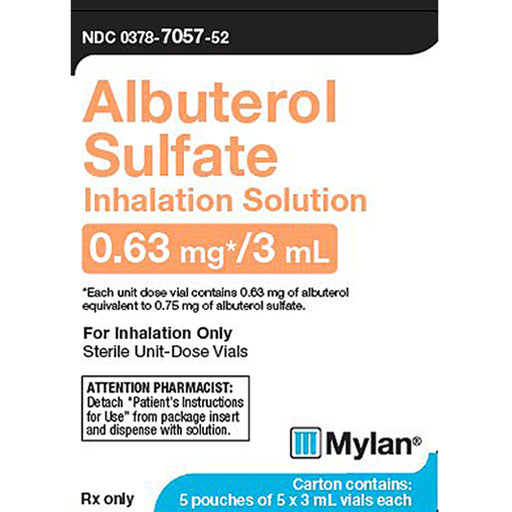
Albuterol Sulfate 0.083% Inhalation Nebulizer Solution 2.5 mg/3 ml 25/Box (Rx)
$ 18.50
IV Set 15 Drop Luer Lock with 78" Tubing, Roller Clamp, and Y-Injection Site Ports
$ 1.99
Sale 21%
🔒 Medical License Required
Sale 29%
🔒 Medical License Required
This item is sold out
🔒 Medical License Required
Sale 43%
🔒 Medical License Required
Sale 12%
🔒 Medical License Required
Sale 14%
🔒 Medical License Required
This item is sold out
🔒 Medical License Required
Sale 23%
🔒 Medical License Required
This item is sold out
🔒 Medical License Required
Sale 23%
🔒 Medical License Required
Sale 43%
Sale 20%
🔒 Medical License Required
Sale 40%
Sale 35%
Sale 31%
Sale 31%
Sale 27%
Sale 39%
Sale 17%
🔒 Medical License Required
Sale 26%
🔒 Medical License Required
Sale 20%
🔒 Medical License Required
This item is sold out
🔒 Medical License Required
Sale 23%
🔒 Medical License Required
This item is sold out
🔒 Medical License Required
Sale 4%
Sale 20%
🔒 Medical License Required
Sale 28%
🔒 Medical License Required
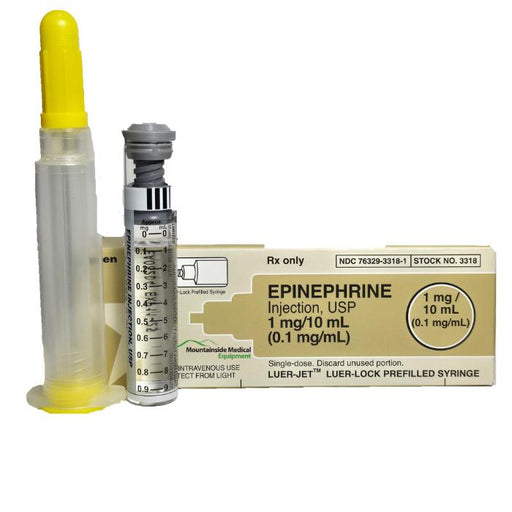
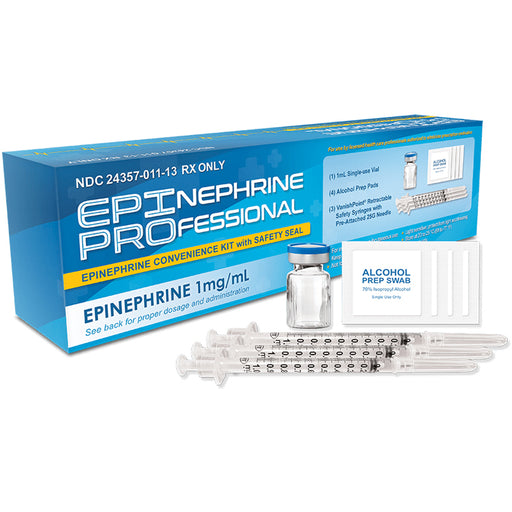
Epinephrine Ampules are used to treat anaphylaxis, a severe allergic reaction. The medication works by narrowing the blood vessels and increasing heart rate. This helps to improve blood flow and oxygen delivery to the body's organs.
Epinephrine is a hormone that is produced by the adrenal gland. It is also known as adrenaline. Epinephrine for injection ampules is used to treat anaphylaxis. It works by narrowing the blood vessels and increasing the heart rate. This helps to improve the blood flow and oxygen supply to the heart.
BPI Labs Epinephrine for Injection 1 mL Ampules (1:1000) are a sterile solution in a 2 mL single-use clear glass ampule, marked Epinephrine Injection USP, 1 mg/mL.
Epinephrine injection is used along with emergency medical treatment to treat life-threatening allergic reactions caused by insect bites or stings, foods, medications, latex, and other causes. Epinephrine is in a class of medications called alpha- and beta-adrenergic agonists (sympathomimetic agents). It works by relaxing the muscles in the airways and tightening the blood vessels.
Epinephrine Injection USP, 1 mg/mL is supplied as a sterile aqueous solution with a pH range of 2.2-5.0, that is colorless and nonpyrogenic. Each milliliter contains 1 mg epinephrine, sodium chloride 9 mg (for isotonicity), hydrochloric acid for pH adjustment, and water for injection, USP, qs. Contains no preservatives or sulfites.
Solution must be diluted prior to intravenous or ocular use.
Epinephrine, USP is a sympathomimetic catecholamine (adrenergic agent) designated chemically as 4-[1-hydroxy-2 (methylamino) ethyl]-1,2 benzenediol, a white, microcrystalline powder.
Inspect visually for particulate matter and discoloration prior to administration, whenever solution and container permit. Do not use if the solution is colored or cloudy, or if it contains particulate matter. Discard any unused portion.
Add 1 mL (1 mg) of epinephrine from its ampule to 1,000 mL of a 5 percent dextrose containing solution. Each mL of this dilution contains 1 mcg of epinephrine.
Correct blood volume depletion as fully as possible before any vasopressor is administered. When, as an emergency measure, intraaortic pressures must be maintained to prevent cerebral or coronary artery ischemia, epinephrine can be administered before and concurrently with blood volume replacement.
Whenever possible, give infusions of epinephrine into a large vein. Avoid using a catheter tie-in technique, because the obstruction to blood flow around the tubing may cause stasis and increased local concentration of the drug. Occlusive vascular diseases (for example, atherosclerosis, arteriosclerosis, diabetic endarteritis, Buerger's disease) are more likely to occur in the lower than in the upper extremity; therefore, avoid the veins of the leg in elderly patients or in those suffering from such disorders. There is potential for gangrene in a lower extremity when infusions of catecholamine are given in an ankle vein.
To provide hemodynamic support in septic shock associated hypotension in adult patients, the suggested dosing infusion rate of intravenously administered epinephrine is 0.05 mcg/kg/min to 2 mcg/kg/min, and is titrated to achieve a desired mean arterial pressure (MAP). The dosage may be adjusted periodically, such as every 10 - 15 minutes, in increments of 0.05 mcg/kg/min to 0.2 mcg/kg/min, to achieve the desired blood pressure goal.
Continuous epinephrine infusion is generally required over several hours or days until the patient's hemodynamic status improves. The duration of perfusion or total cumulative dose cannot be predicted.
After hemodynamic stabilization, wean incrementally over time, such as by decreasing doses of epinephrine every 30 minutes over a 12- to 24-hour period.
Â
Brand: BPI Labs
Size: 1 mL (1:1000)
NDC: 54288-0103-10
Â
Buy Epinephrine for Injection 1 mL Ampules (1:1000), 10/Box online at Mountainside Medical Equipment.
Epinephrine Ampules are used to treat anaphylaxis, a severe allergic reaction. The medication works by narrowing the blood vessels and increasing heart rate. This helps to improve blood flow and oxygen delivery to the body's organs.
Epinephrine is a hormone that is produced by the adrenal gland. It is also known as adrenaline. Epinephrine for injection ampules is used to treat anaphylaxis. It works by narrowing the blood vessels and increasing the heart rate. This helps to improve the blood flow and oxygen supply to the heart.
BPI Labs Epinephrine for Injection 1 mL Ampules (1:1000) are a sterile solution in a 2 mL single-use clear glass ampule, marked Epinephrine Injection USP, 1 mg/mL.
Epinephrine injection is used along with emergency medical treatment to treat life-threatening allergic reactions caused by insect bites or stings, foods, medications, latex, and other causes. Epinephrine is in a class of medications called alpha- and beta-adrenergic agonists (sympathomimetic agents). It works by relaxing the muscles in the airways and tightening the blood vessels.
Epinephrine Injection USP, 1 mg/mL is supplied as a sterile aqueous solution with a pH range of 2.2-5.0, that is colorless and nonpyrogenic. Each milliliter contains 1 mg epinephrine, sodium chloride 9 mg (for isotonicity), hydrochloric acid for pH adjustment, and water for injection, USP, qs. Contains no preservatives or sulfites.
Solution must be diluted prior to intravenous or ocular use.
Epinephrine, USP is a sympathomimetic catecholamine (adrenergic agent) designated chemically as 4-[1-hydroxy-2 (methylamino) ethyl]-1,2 benzenediol, a white, microcrystalline powder.
Inspect visually for particulate matter and discoloration prior to administration, whenever solution and container permit. Do not use if the solution is colored or cloudy, or if it contains particulate matter. Discard any unused portion.
Add 1 mL (1 mg) of epinephrine from its ampule to 1,000 mL of a 5 percent dextrose containing solution. Each mL of this dilution contains 1 mcg of epinephrine.
Correct blood volume depletion as fully as possible before any vasopressor is administered. When, as an emergency measure, intraaortic pressures must be maintained to prevent cerebral or coronary artery ischemia, epinephrine can be administered before and concurrently with blood volume replacement.
Whenever possible, give infusions of epinephrine into a large vein. Avoid using a catheter tie-in technique, because the obstruction to blood flow around the tubing may cause stasis and increased local concentration of the drug. Occlusive vascular diseases (for example, atherosclerosis, arteriosclerosis, diabetic endarteritis, Buerger's disease) are more likely to occur in the lower than in the upper extremity; therefore, avoid the veins of the leg in elderly patients or in those suffering from such disorders. There is potential for gangrene in a lower extremity when infusions of catecholamine are given in an ankle vein.
To provide hemodynamic support in septic shock associated hypotension in adult patients, the suggested dosing infusion rate of intravenously administered epinephrine is 0.05 mcg/kg/min to 2 mcg/kg/min, and is titrated to achieve a desired mean arterial pressure (MAP). The dosage may be adjusted periodically, such as every 10 - 15 minutes, in increments of 0.05 mcg/kg/min to 0.2 mcg/kg/min, to achieve the desired blood pressure goal.
Continuous epinephrine infusion is generally required over several hours or days until the patient's hemodynamic status improves. The duration of perfusion or total cumulative dose cannot be predicted.
After hemodynamic stabilization, wean incrementally over time, such as by decreasing doses of epinephrine every 30 minutes over a 12- to 24-hour period.
Â
Brand: BPI Labs
Size: 1 mL (1:1000)
NDC: 54288-0103-10
Â
Buy Epinephrine for Injection 1 mL Ampules (1:1000), 10/Box online at Mountainside Medical Equipment.
thank you for such great service and prompt shipping
The order was canceled without a phone call to explain. Very poor service. I almost had to cancel 2 procedures. Will probably never order from you again.
Something went wrong. Please try again.
Check your email for exclusive offers and updates from Mountainside Medical.
Are you sure you want to cancel your payment? Your cart is still saved.
You need an account to add products to your wishlist. Log in or create an account to start saving your favorites.