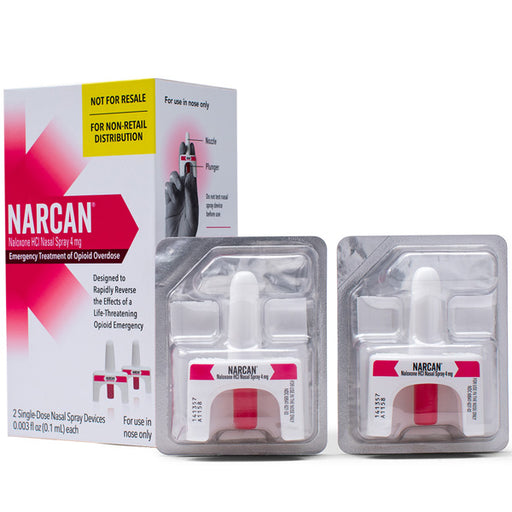
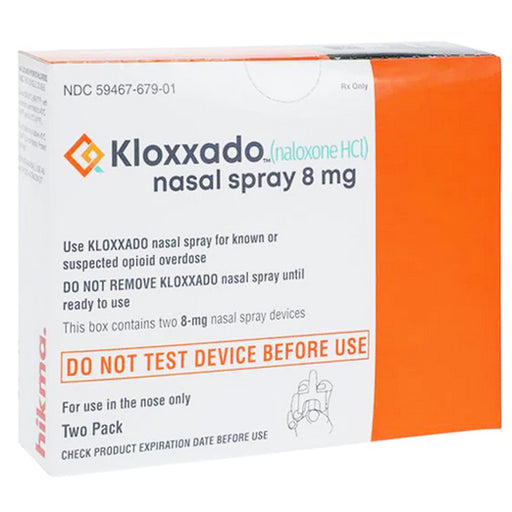
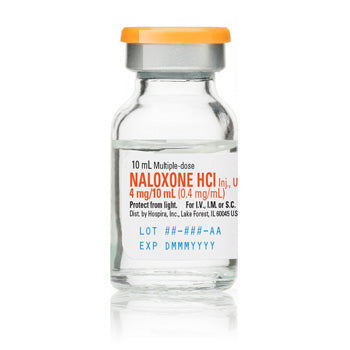
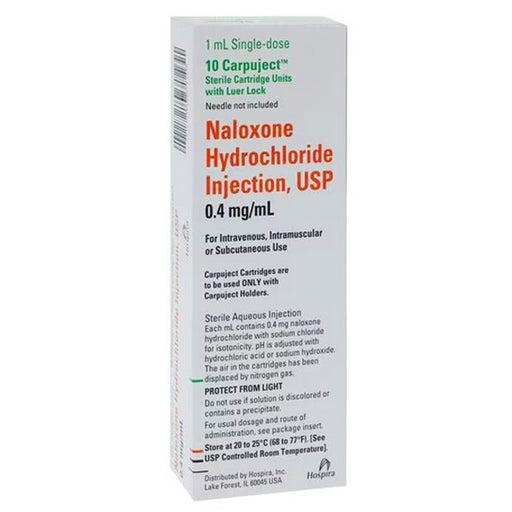
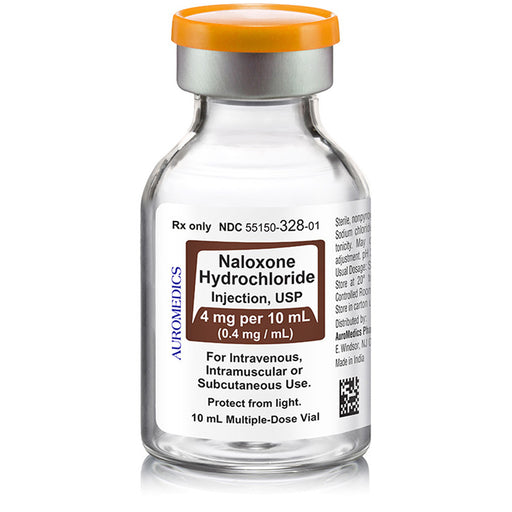
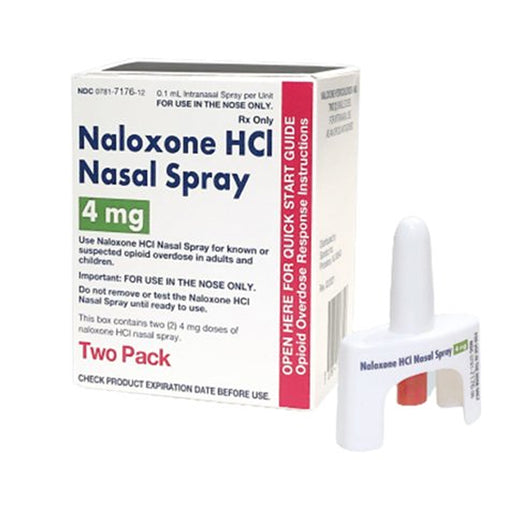
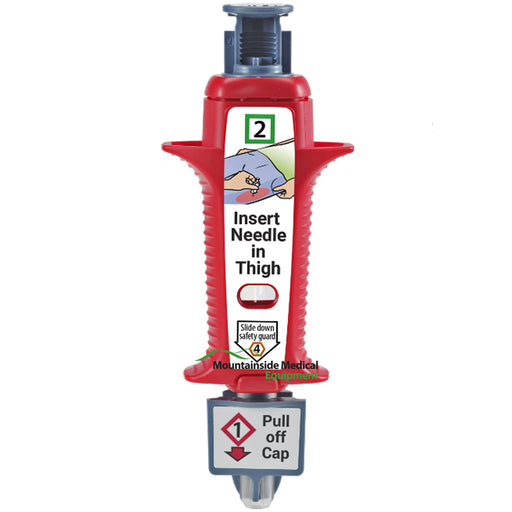
Naloxone Hydrochloride Injection 0.4 mg/mL in a ready‑to‑use prefilled syringe by Fresenius Kabi is a fast‑acting opioid antagonist for emergency reversal of opioid-induced respiratory and central nervous system depression. Designed for hospital, EMS, clinic, and other emergency settings, each sterile, preservative‑free 1 mL syringe delivers a single measured 0.4 mg dose. AP‑rated and with an 18‑month shelf life, this product provides reliable, on‑hand treatment to rapidly restore respiration in suspected opioid overdose.
What it is used for
- Emergency reversal of opioid effects, including respiratory depression, sedation, and coma due to opioid overdose.
- Immediate treatment when opioid overdose is suspected (prescription opioids, heroin, fentanyl and other synthetic opioids).
- Use as part of resuscitative measures while arranging definitive medical care and monitoring.
Details and features
- Strength: 0.4 mg per mL; dose in each prefilled syringe = 0.4 mg.
- Prefilled, single‑dose syringe for rapid administration; reduces preparation time and dosing errors.
- Preservative‑free sterile formulation.
- AP‑rated (therapeutically equivalent generic).
- Pack: 24 prefilled syringes per box — suitable for emergency carts, ambulances, clinics, and hospital units.
- 18‑month shelf life for reliable storage readiness.
- Clear labeling and visual inspection window to verify product prior to use.
Directions and administration
- Inspect the syringe: check expiration date, ensure solution is clear and free of particulates, and confirm integrity of packaging/syringe.
- For injectable use only. Administer IV, IM or SC according to clinical situation and local protocols.
- If administering intranasally, use only with an appropriate mucosal atomization device (not included); the product is formulated for parenteral use — follow your organization’s approved intranasal procedure if converting from injection to intranasal administration.
- Provide airway support, oxygen, and ventilation as needed; naloxone is an adjunct to supportive care.
- After initial response, monitor patient closely; recurrent respiratory depression may occur as the effect of some opioids outlasts naloxone.
Dosage (typical dosing — follow local protocols and full prescribing information) Adults and adolescents:
- Initial: 0.4–2 mg IV, IM or SC. A common starting dose is 0.4 mg IV (one 0.4 mg syringe).
- If no response in 2–3 minutes, repeat and escalate (e.g., 0.8 mg, 2 mg) as clinically indicated. Repeat dosing may be required; some synthetic opioids (e.g., fentanyl analogs) may require higher or repeated doses.
- If IV access is not available, administer IM or SC and repeat as necessary.
- In severe cases, titrate upward to restore adequate ventilation; some protocols allow escalation up to 10 mg or more if no response and opioid overdose strongly suspected.
Children and neonates:
- Neonates: 0.01 mg/kg IV/IM (may repeat as needed). Note: naloxone is not routinely indicated in newborns with respiratory depression due to non‑opioid causes; follow neonatal resuscitation guidelines.
- Pediatrics: Initial 0.01 mg/kg IV/IM (minimum doses vary by protocol); repeat dosing every 2–3 minutes as needed. For older children, some guidance suggests 0.1 mg/kg (up to adult dosing) — follow pediatric protocols and consult prescribing information.
Continuous infusion:
- If recurrent or prolonged opioid effect is expected (e.g., long‑acting opioids), consider a continuous infusion: use total effective bolus dose over 1–2 hours as infusion; follow institutional policies and full prescribing information.
Allergies and precautions
- Contraindication: Hypersensitivity to naloxone or any component of the formulation.
- Use caution in known opioid‑dependent patients — naloxone may precipitate acute opioid withdrawal (agitation, pain, vomiting, diarrhea, tachycardia, hypertension).
- Use with caution in patients with preexisting cardiovascular disease, seizure disorders, or other conditions where abrupt withdrawal or catecholamine surge could be harmful.
- Not effective for respiratory depression caused by non‑opioid agents (e.g., benzodiazepines, alcohol, certain sedative agents) — identify and treat underlying cause.
Drug interactions
- Naloxone reverses the effects of opioid agonists and partial agonists (e.g., methadone, morphine, oxycodone, buprenorphine). It will antagonize analgesia and other opioid effects.
- May precipitate withdrawal in patients receiving opioid maintenance therapy (methadone, buprenorphine).
- No clinically significant direct pharmacokinetic interactions expected with most non‑opioid medications, but clinical responses can be altered by co‑intoxicants (stimulants, sedatives) and by the opioid’s potency/duration.
- Be aware that reversal of opioids can unmask effects of other coingestants or medical conditions.
Side effects and adverse reactions Common and expected events (often due to opioid withdrawal):
- Nausea, vomiting
- Agitation, irritability
- Sweating
- Tremor
- Tachycardia, hypertension
- Body aches, myalgias Serious but less common:
- Pulmonary edema
- Cardiac arrhythmias and myocardial ischemia (rare)
- Seizures
- Severe acute opioid withdrawal with associated complications
- Recurrent respiratory depression after initial reversal (due to longer‑acting opioids)
Warnings
- Emergency treatment only: naloxone is an immediate, temporary antagonist and not a substitute for comprehensive emergency care, airway management, and observation.
- Recurrent respiratory depression: Some opioids have longer duration than naloxone — continuous monitoring and repeated doses or infusion may be necessary; hospital observation is recommended.
- Precipitated withdrawal: Use titration to the minimum effective dose to reverse respiratory depression without provoking severe withdrawal when appropriate (particularly in chronically opioid‑dependent patients).
- Not effective for non‑opioid poisoning: If opioid overdose is not the cause of respiratory depression, naloxone will not reverse non‑opioid depressant effects.
- Pregnancy/lactation: Use when maternal opioid toxicity poses immediate risk; naloxone crosses the placenta and can precipitate withdrawal in the fetus/newborn. Treat neonates per neonatal resuscitation guidelines.
Storage and handling
- Store as labeled (manufacturer’s recommended temperature range). Keep in original packaging until use, protect from light, do not freeze.
- Check expiration date; discard any syringe that is discolored or shows particulate matter.
- Single‑dose syringe: do not reuse or resterilize.
Regulatory and safety notes
- Prescription medication. Intended for professional and emergency use.
- AP‑rated generic (therapeutic equivalence) to the reference listed naloxone injectable product.
- Preservative‑free formulation; suitable for emergency parenteral use.
Important: The dosing guidance above summarizes commonly used regimens and does not replace official prescribing information, local protocols, or clinical judgment. Always follow the full product prescribing information, institutional policies, and consult medical control or toxicology experts in complex cases.
 Skip to content