Skip to content

Added to your cart:

Cart subtotal

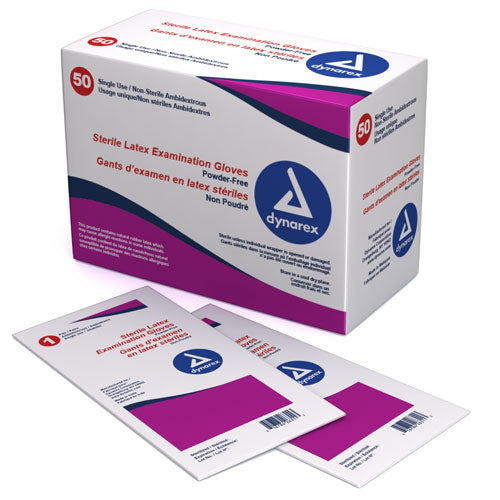
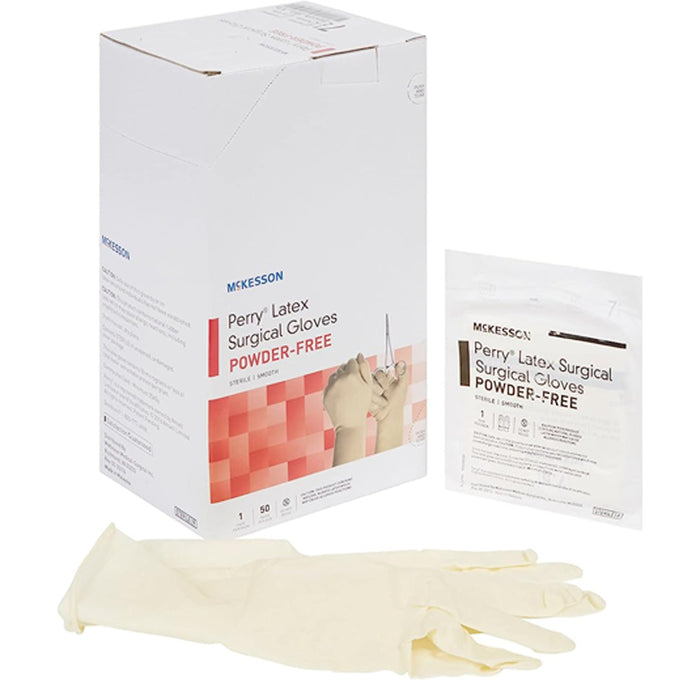
Sterile Gloves, Latex Surgical Gloves, Standard Cuff, Chemo Tested, Powder Free

SKU 20-1055N
Sale 26%
Original price $ 79.95
Current price $ 59.00
In stock
Fast Delivery
Fast Delivery
24/7 Support
24/7 Support
Easy Returns
Easy Returns
Hospital Grade
Hospital Grade
Free Shipping on orders above $100
Returns 30-day return / replacement
Payment Secure transaction
Packaging Ships in product packaging
Service-Disabled Veteran-Owned Small Business
Located in Adirondack Mountains in NY
Family Owned Business 2002
Sale 26%
Original price $ 79.95
Current price $ 59.00
Free Shipping on orders above $100
Returns 30-day return / replacement
Payment Secure transaction
Packaging Ships in product packaging
Sterile Gloves, Latex Surgical Gloves, Standard Cuff, Chemo Tested, Powder Free
$ 79.95 $ 59.00
Description

Sterile Latex Surgical Gloves

  • Sterile Barrier: These gloves are individually packaged and sterilized for use in the operating room. As disposable PPE, surgical gloves protect both the patient and clinician from microbial contamination during invasive procedures. (They are part of standard infection-control practice in surgery.)
  • Material – Natural Latex: Made from natural rubber latex, these gloves provide excellent elasticity, fit and tactile sensitivity (surgeons can feel tissue textures easily). They often have an inner polymer coating (a latex-free polymer) to ease donning without powder. Note: Natural latex can cause Type I hypersensitivity in some people – FDA requires latex content to be labeled. If a patient or clinician has a latex allergy, a non-latex glove (e.g. nitrile or vinyl) should be used instead.
  • Cuff Length – Extended Coverage: These surgical gloves have a “standard” long cuff (roughly 11–12 inches, about 280–300 mm) that covers the wrist and part of the forearm. Extended cuffs help maintain the sterile field on the arm during surgery. (By comparison, shorter exam gloves cover only the hand and wrist.) Manufacturers’ specifications typically list cuff lengths ≥280 mm depending on glove size.
  • Chemotherapy-Tested: “Chemo-tested” indicates these gloves have been evaluated for protection against cytotoxic drugs. Specifically, they have been tested per ASTM D6978 and shown to resist permeation by most chemotherapy agents. For example, a 510(k) summary describes “surgical gloves… made from rubber latex… tested for resistance to permeation by chemotherapy drugs per ASTM D6978”. This offers extra safety when handling many chemo agents, although very aggressive drugs (like carmustine or thiotepa) may still penetrate more quickly. (In practice, many nurses/pharmacists prefer nitrile chemo gloves, but these latex surgical gloves carry the chemo-tested designation.)
  • Powder-Free: These gloves contain no cornstarch powder. Powdered surgeon’s gloves have been banned by the FDA because traces of powder can cause inflammation, hypersensitivity, and tissue granulomas if introduced into a patient. Powder-free gloves therefore reduce those risks. (The FDA notes that glove powders “may trigger… granulomas or scar tissue formation… which can lead to surgical complications”.) Without powder, donning is instead aided by the polymer coating inside.

Summary: In short, sterile powder-free latex surgical gloves with standard-length cuffs are used in operating rooms to maintain sterility and protect both patient and wearer. They combine the comfort and sensitivity of latex with safety features (no powder, extended cuff) and even carry testing for handling chemotherapeutic agents. However, one must heed latex-allergy labeling and the fact that very caustic chemo drugs can still penetrate any glove over time. Always follow institutional protocols and manufacturer instructions when selecting and using surgical gloves.

Description

Sterile Latex Surgical Gloves

  • Sterile Barrier: These gloves are individually packaged and sterilized for use in the operating room. As disposable PPE, surgical gloves protect both the patient and clinician from microbial contamination during invasive procedures. (They are part of standard infection-control practice in surgery.)
  • Material – Natural Latex: Made from natural rubber latex, these gloves provide excellent elasticity, fit and tactile sensitivity (surgeons can feel tissue textures easily). They often have an inner polymer coating (a latex-free polymer) to ease donning without powder. Note: Natural latex can cause Type I hypersensitivity in some people – FDA requires latex content to be labeled. If a patient or clinician has a latex allergy, a non-latex glove (e.g. nitrile or vinyl) should be used instead.
  • Cuff Length – Extended Coverage: These surgical gloves have a “standard” long cuff (roughly 11–12 inches, about 280–300 mm) that covers the wrist and part of the forearm. Extended cuffs help maintain the sterile field on the arm during surgery. (By comparison, shorter exam gloves cover only the hand and wrist.) Manufacturers’ specifications typically list cuff lengths ≥280 mm depending on glove size.
  • Chemotherapy-Tested: “Chemo-tested” indicates these gloves have been evaluated for protection against cytotoxic drugs. Specifically, they have been tested per ASTM D6978 and shown to resist permeation by most chemotherapy agents. For example, a 510(k) summary describes “surgical gloves… made from rubber latex… tested for resistance to permeation by chemotherapy drugs per ASTM D6978”. This offers extra safety when handling many chemo agents, although very aggressive drugs (like carmustine or thiotepa) may still penetrate more quickly. (In practice, many nurses/pharmacists prefer nitrile chemo gloves, but these latex surgical gloves carry the chemo-tested designation.)
  • Powder-Free: These gloves contain no cornstarch powder. Powdered surgeon’s gloves have been banned by the FDA because traces of powder can cause inflammation, hypersensitivity, and tissue granulomas if introduced into a patient. Powder-free gloves therefore reduce those risks. (The FDA notes that glove powders “may trigger… granulomas or scar tissue formation… which can lead to surgical complications”.) Without powder, donning is instead aided by the polymer coating inside.

Summary: In short, sterile powder-free latex surgical gloves with standard-length cuffs are used in operating rooms to maintain sterility and protect both patient and wearer. They combine the comfort and sensitivity of latex with safety features (no powder, extended cuff) and even carry testing for handling chemotherapeutic agents. However, one must heed latex-allergy labeling and the fact that very caustic chemo drugs can still penetrate any glove over time. Always follow institutional protocols and manufacturer instructions when selecting and using surgical gloves.
Get Notified When Back in Stock