 Skip to content




Exploring the Tutti Frutti Power of Mi Paste Plus: How It Works Differences with Mi Paste and Usage Guidelines
When it comes to maintaining a healthy smile, sometimes brushing and flossing alone may not be enough. That's where products like Mi Paste and Mi Paste Plus come into the picture. These products are designed not only to enhance your oral care routine but also to address specific dental issues. In this blog post, we'll delve into the exciting world of Mi Paste Plus—specifically its Tutti Frutti flavor—and explore its benefits, how to use it, its differences from the original Mi Paste, and practical usage guidelines.
Visit Mountainside Medical's website to explore a variety of dental care products.
What is Mi Paste Plus?
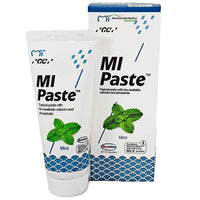
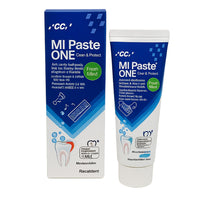
MI Paste Plus with Tutti Frutti Flavor 40 Gram is a topical tooth crème designed to enhance oral health by delivering bio-available calcium and phosphate to your teeth. This innovative product is specifically formulated to tackle tooth sensitivity, remineralize enamel, and prevent the formation of white spot lesions. Enriched with fluoride, Mi Paste Plus with Tutti Frutti Flavor also helps to strengthen your teeth.
How Does Mi Paste Plus Work?
Mi Paste Plus capitalizes on a patented ingredient known as Recaldent, a milk-derived protein that releases calcium and phosphate to the tooth surface. These minerals are essential for repairing and strengthening enamel. The addition of fluoride helps to further fortify the teeth, making them more resistant to acid attacks from food and drinks.
The Fun Factor: Tutti Frutti Flavor
Why Tutti Frutti? This flavor not only makes the product enjoyable to use, but it may also encourage consistent application, especially in younger users or those with an aversion to traditional minty flavors. The appealing taste can make daily oral care a more pleasant experience, thus promoting better oral health.
Differences Between Mi Paste and Mi Paste Plus
A common question is: What is the difference between Mi Paste and Mi Paste Plus? The key distinction lies in the inclusion of fluoride in Mi Paste Plus. While both products contain Recaldent, which delivers calcium and phosphate, Mi Paste Plus is formulated with additional fluoride. This makes Mi Paste Plus particularly beneficial for individuals concerned about cavities or those in need of more intense enamel restoration.
Usage Guidelines
How Do I Use Mi Paste?
- Dispense: Apply a pea-sized amount of Mi Paste Plus onto your finger or a cotton swab.
- Apply: Gently apply the paste to your teeth using a soft circular motion.
- Leave On: Allow the paste to sit on your teeth for at least three minutes.
- Spit Out: Do not rinse. Instead, spit out the remaining paste. Although it might feel strange not to rinse, this ensures the beneficial ingredients continue to work and maximize their effectiveness.
Should I Rinse After Using Mi Paste?
No, rinsing after using Mi Paste Plus is not recommended. Allowing the paste to remain on your teeth helps the calcium, phosphate, and fluoride components to thoroughly penetrate the enamel for maximum benefits.
For a broad array of oral health products, you can explore the Mi Paste collection.
Conclusion
Mi Paste Plus with Tutti Frutti Flavor offers a unique and effective option for enhancing oral health and treating specific dental issues such as sensitivity and enamel degradation. Whether you're new to the world of fortified dental crèmes or considering switching from the original Mi Paste, understanding the benefits and proper usage of this product can significantly impact your dental hygiene routine. Remember, Mi Paste Plus is more than just a toothpaste; it's a targeted treatment designed to strengthen and protect your smile.
Visit the Mountainside Medical website to explore Mi Paste Plus with Tutti Frutti Flavor and add this beneficial product to your oral care toolkit today.