 Skip to content



Understanding Hospital Grade Disinfectants What Every Healthcare Professional Needs to Know
Ensuring a sterile environment in healthcare settings is quintessential for patient and staff safety. The use of hospital grade disinfectants forms the backbone of infection prevention and control strategies in hospitals, clinics, and other healthcare facilities. This blog post delves into everything healthcare professionals need to know about these powerful cleaning supplies, from their composition and application to their effectiveness against a diverse range of pathogens.
Hospital Grade Disinfectants: What They Are & Why They Matter in Healthcare
What is a Hospital Grade Disinfectant?
Hospital grade disinfectants are potent cleaning solutions specifically formulated to sanitize surgical equipment, medical instruments, and surfaces in healthcare settings. They must meet stringent regulatory standards, often dictated by government health agencies like the Environmental Protection Agency (EPA) or the Food and Drug Administration (FDA). These regulations ensure their ability to act as Broad-Spectrum Germ Killers, capable of eliminating bacteria, viruses, fungi, and other pathogens that are commonly found in healthcare environments.
Why They Matter
In any healthcare setting, the paramount goal is to prevent the transmission of diseases and infections. Pathogen control is not just a matter of cleanliness but a critical practice that saves lives. Hospital grade disinfectants are essential for maintaining a safe and hygienic environment for patients, staff, and visitors. They play a key role in preventing outbreaks of healthcare-associated infections (HAIs) such as MRSA and C. diff, thereby ensuring the health and safety of all.
For a comprehensive list of top hospital grade disinfectants, explore the Top Hospital Grade Disinfectants for Ensuring Surface Safety and Infection Prevention.
How Hospital Grade Disinfectants Differ from Regular Household Cleaners
Understanding the Differences
The cleaning aisles in supermarkets are filled with a myriad of household cleaners, and while these products are adequate for everyday home use, they are generally not suitable for healthcare environments. Hospital disinfectants are distinct from household cleaners in several ways:
- Concentration and Efficacy: Hospital disinfectants are far more concentrated and effective against a broader spectrum of pathogens compared to household cleaners. For instance, they are designed to target resistant strains of bacteria and virulent viruses.
- Regulatory Standards: As previously mentioned, hospital grade disinfectants are held to stringent regulatory standards that ensure their efficacy and safety in healthcare environments, something that household cleaners are not always subjected to.
- Purpose of Use: Hospital disinfectants are specifically formulated for high-risk areas where infection prevention is critical. On the other hand, household cleaners are tailored for general, low-risk cleaning tasks.
- Chemical Composition: The composition of hospital-grade disinfectants often includes industrial-strength chemicals not typically found in household products, making them more effective at sterilization.
A Comparison Guide
While household cleaners are ideal for residential surfaces and routine cleaning tasks, their chemical makeup and spectrum of influence pale in comparison to hospital grade disinfectants. Facilities and consumers can discern the appropriate use of these products by understanding the niche each one serves in terms of pathogen control and safety.
Step-by-Step Guide: How to Properly Use Hospital Grade Disinfectants for Maximum Efficacy
Best Practices for Using Hospital Disinfectants

To achieve the maximum potency and efficacy of hospital grade disinfectants, healthcare professionals must follow stringent protocols. Here's a guide to ensure these potent Broad-Spectrum Germ Killers are used effectively:
- Read the Label: Always begin with the manufacturer's instructions. Each disinfectant has specific usage guidelines that dictate concentration and safety precautions.
- Dilution and Preparation: Depending on the product, you may need to dilute the disinfectant to a certain concentration. Some disinfectants come with an activation bottle, like the Glutaraldehyde Plus Solution 28 Day High-Level Disinfectant, ensuring the correct mixture.
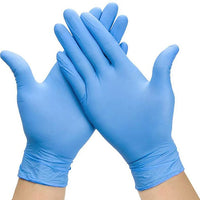
- Safety Precautions: Wear personal protective equipment (PPE) such as gloves and masks when handling these chemicals to protect against irritation or inhalation.
- Application Methods: Use appropriate tools like sprays, cloths, or wipes for even application. Products like Clorox Hydrogen Peroxide Premoistened Disinfectant Wipes are designed for ease of use and optimal effectiveness.
- Dwell Time: This is the period the disinfectant needs to remain wet on a surface to effectively eliminate pathogens. Always adhere to the recommended dwell time specified on the product label.
- Ventilation: Ensure the area is well-ventilated to prevent inhalation of fumes and reduce exposure to strong chemical odors.
Link to a Collection
For healthcare professionals looking for a wide range of disinfectants, explore the Hospital Grade Disinfectants Collection for a variety of cleaning solutions tailored for medical environments.
Hospital Grade Disinfectants and Pathogen Control: What Germs Do They Kill?
Breaking Down the Spectrum

The effectiveness of a hospital grade disinfectant depends on its spectrum of action. Here’s what these formidable products are capable of on a scientific level:
- Bacteria: These disinfectants eliminate a wide array of bacteria, including multidrug-resistant strains like MRSA (Methicillin-resistant Staphylococcus aureus) and Clostridioides difficile (C. diff).
- Viruses: They are equally potent against viruses, including notorious strains responsible for outbreaks, such as the coronavirus (COVID-19), influenza, and norovirus.
- Fungi: Hospital disinfectants can also tackle fungi, making them critical for sanitation in areas susceptible to fungal infections.
For an efficient one-step surface disinfectant that tackles a multitude of pathogens, consider the Diversey Oxivir TB One-Step Surface Disinfectant Cleaner.
Choosing the Right Disinfectant
Healthcare facilities must choose disinfectants based on the unique challenges they face in their environments. Understanding the spectrum a disinfectant covers helps in evaluating its suitability in combatting specific pathogens.
Final Words
Understanding the appropriate use of hospital grade disinfectants empowers healthcare professionals to maintain a sterile environment, curtail the spread of infections, and provide a safe space for recovery and health. With rigorous attention to details like application methods, dwell time, and safety measures, these disinfectants remain unmatched in their critical role within healthcare infection prevention strategies.
For more information on efficient infection prevention solutions, browse the Mountainside Medical website and stay informed on best practices and innovative products available to healthcare professionals today.