 Skip to content



Understanding Tooth Sensitivity What Causes It and How to Manage the Pain
Tooth sensitivity is a prevalent dental issue affecting millions worldwide. It can turn simple pleasures like enjoying a hot drink or biting into an ice cream cone into painful experiences. Understanding the root causes of tooth sensitivity and learning effective pain management strategies are essential for maintaining oral health and enjoying the foods and beverages you love without discomfort.
What Is Tooth Sensitivity?
Tooth sensitivity, also known as dentin hypersensitivity, occurs when the protective layers of teeth are worn down, exposing the dentin—the part of the tooth that covers the nerve endings. This exposure can cause sharp pain in response to hot, cold, sweet, or acidic stimuli.
Common Symptoms of Tooth Sensitivity
- Sharp, sudden pain when consuming hot, cold, or sugary foods and drinks
- Discomfort while brushing or flossing
- Pain during exposure to cold air
Common Causes of Tooth Sensitivity
1. Enamel Erosion
Enamel, the hard outer layer of the tooth, acts as a protective barrier. Repeated exposure to acidic foods, drinks, or sugary snacks can erode this barrier, leading to sensitivity.
2. Gum Recession
Gum recession occurs when the gums pull away from the teeth, revealing the tooth roots. Since roots lack protective enamel, they are more vulnerable to sensitivity.
3. Tooth Grinding
Grinding or clenching your teeth, known as bruxism, can wear down enamel, exposing the dentin and causing pain.
4. Dental Procedures
Recent dental procedures such as crowns, fillings, or teeth whitening can temporarily increase tooth sensitivity.
5. Cracked Teeth
Cracked or chipped teeth can expose the dentin, leading to intermittent tooth sensitivity or pain.
6. Plaque Buildup
Accumulation of plaque on the roots of teeth can lead to tooth sensitivity. Regular dental cleanings help mitigate this problem.
Managing Tooth Sensitivity
Effective management of tooth sensitivity involves a combination of lifestyle changes, dental products, and treatments. Here are some strategies to help alleviate the pain:
1. Practice Good Oral Hygiene
Maintaining proper oral hygiene is crucial. Brush twice a day with a soft-bristled toothbrush and fluoride toothpaste. Avoid brushing too hard as it can wear down the enamel.
2. Use Desensitizing Toothpaste
Desensitizing toothpaste contains compounds that help block the nerve signals from reaching the tooth's surface. They can play a significant role in reducing sensitivity over time.
3. Try MI Paste Products

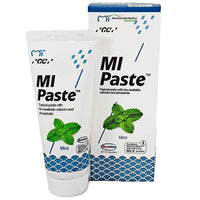
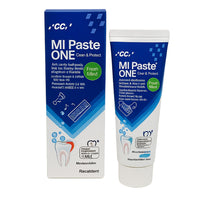
Products containing Recaldent, such as MI Paste Plus Vanilla Flavor By GC America (10 Pack) and MI Paste Plus with Tutti Frutti Flavor 40 Gram, help to remineralize teeth, reducing sensitivity effectively. These pastes aid in replenishing lost minerals and strengthening tooth enamel, a crucial step in managing sensitivity. You can explore the entire collection here.
4. Alter Your Diet
Reducing the consumption of acidic and sugary foods can significantly help in managing tooth sensitivity. Instead, focus on a balanced diet that includes calcium-rich foods for overall dental health.
5. Consider Dental Treatments
For persistent sensitivity, consult your dentist about professional treatments. Options include fluoride treatments, sealants, or bonding agents that can help protect the teeth.
6. Use a Mouthguard
If you grind or clench your teeth, using a mouthguard can help prevent enamel wear and subsequent sensitivity.
Final Thoughts
Understanding the causes of tooth sensitivity is the first step towards effective management. Implementing proper oral hygiene practices, using specialized dental products, and taking preventative measures can significantly alleviate discomfort. If symptoms persist, consult with a dental professional for a comprehensive treatment plan.
For additional resources and products to support your oral health, visit Mountainside Medical Equipment.