 Skip to content


Filters
- antifungal cream (3)
- Athletes foot (5)
- Clotrimazole (8)
- Clotrimazole Cream (5)
- fungal infection (1)
- Fungal Infections (3)
- Fungal Infections Treatment (3)
- jock itch (1)
- ringworm (4)
- Topical antiseptic (1)
- treat fungal infections (3)
- Antifungal cream (1)
- Antifungal Medication (6)
- doctor-only (4)
- Jock itch (3)
- Vaginal Infections (1)
- Vaginal Irritation (1)
- Antifungal Treatment (5)
- Foot Cream (1)
- Jock Itch (3)
- Lavender Oil (1)
- Miconazole Nitrate (1)
- Nail Fungas (1)
- Ring Worm (1)
- Tea Tree Oil (1)
- Tineacide (1)
- Urea (1)
- Athlete’s foot (2)
- Jock Itch Treatment (2)
- Lotrimin (1)
- Lotrimin AF (1)
- Buy Clotrimazole (1)
- Clotrimazole liquid (1)
- Clotrimazole Local (1)
- Clotrimazole Near Me (1)
- Serious Fungal Infections (1)
- 51672-2002-02 (1)
- antifungal cream for kids (1)
- antifungal ointment (1)
- athlete's foot (2)
- Athlete’s foot treatment (2)
- Clotrimazole 1 percent (1)
- foot fungus cream (2)
- Fungal infection cream (1)
- jock itch relief (2)
- kids antifungal (1)
- over the counter antifungal (1)
- ringworm cure (1)
- skin infection remedy (1)
- tinea corporis treatment (1)
- tinea pedis relief (1)
- topical antifungal (1)
- Treat Athlete's Foot (1)
- yeast infection skin cream (1)
- Foot Fungas (1)
- Fungal Skin Infections (1)
- itchy skin (1)
- tinea cruris (1)
- Tinea Pedis (1)
- Treat skin infections (1)
Filters
- antifungal cream (3)
- Athletes foot (5)
- Clotrimazole (8)
- Clotrimazole Cream (5)
- fungal infection (1)
- Fungal Infections (3)
- Fungal Infections Treatment (3)
- jock itch (1)
- ringworm (4)
- Topical antiseptic (1)
- treat fungal infections (3)
- Antifungal cream (1)
- Antifungal Medication (6)
- doctor-only (4)
- Jock itch (3)
- Vaginal Infections (1)
- Vaginal Irritation (1)
- Antifungal Treatment (5)
- Foot Cream (1)
- Jock Itch (3)
- Lavender Oil (1)
- Miconazole Nitrate (1)
- Nail Fungas (1)
- Ring Worm (1)
- Tea Tree Oil (1)
- Tineacide (1)
- Urea (1)
- Athlete’s foot (2)
- Jock Itch Treatment (2)
- Lotrimin (1)
- Lotrimin AF (1)
- Buy Clotrimazole (1)
- Clotrimazole liquid (1)
- Clotrimazole Local (1)
- Clotrimazole Near Me (1)
- Serious Fungal Infections (1)
- 51672-2002-02 (1)
- antifungal cream for kids (1)
- antifungal ointment (1)
- athlete's foot (2)
- Athlete’s foot treatment (2)
- Clotrimazole 1 percent (1)
- foot fungus cream (2)
- Fungal infection cream (1)
- jock itch relief (2)
- kids antifungal (1)
- over the counter antifungal (1)
- ringworm cure (1)
- skin infection remedy (1)
- tinea corporis treatment (1)
- tinea pedis relief (1)
- topical antifungal (1)
- Treat Athlete's Foot (1)
- yeast infection skin cream (1)
- Foot Fungas (1)
- Fungal Skin Infections (1)
- itchy skin (1)
- tinea cruris (1)
- Tinea Pedis (1)
- Treat skin infections (1)
Antifungal Medications for Clotrimazole
-
 Sale 29%
Clotrimazole Antifungal Cream 1% by Taro, 15 grams (Rx)
Original price $ 9.79Current price $ 6.952 reviews🔒 Medical License Required -
 Sale 15%
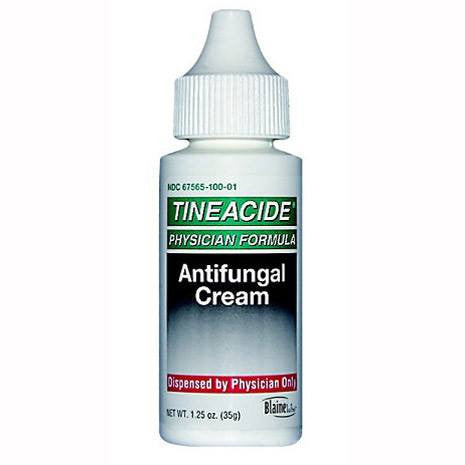
Tineacide Antifungal Foot & Nail Cream 1.25 oz
Original price $ 19.95Current price $ 16.951 review -

 Sale 46%
Clotrimazole Cream 1% Antifungal Relief 30 Gram Tube (Rx)
Original price $ 8.95Current price $ 4.805 reviews🔒 Medical License Required -
 Sale 27%
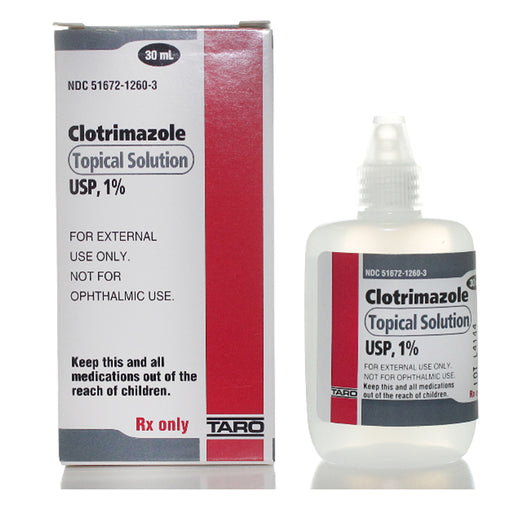
Clotrimazole Topical Solution 1% 30 mL Bottle by Taro (Rx)
Original price $ 149.95Current price $ 109.95🔒 Medical License Required -

 Sale 47%
Clotrimazole Cream 1% Topical Athlete's Foot Antifungal and Itching Relief Remedy 30 gram
Original price $ 9.95Current price $ 5.291 review -

 Sale 34%
Clotrimazole 1% Antifungal Treatment Cream For Itching & Burning Relief 1 oz
Original price $ 5.99Current price $ 3.956 reviews -
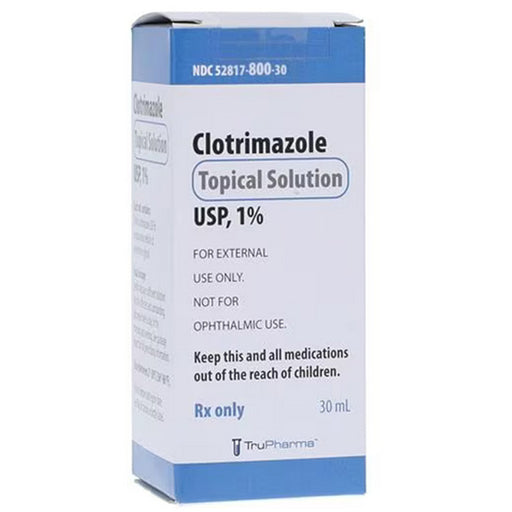 Sale 35%
Clotrimazole Topical Solution 1% 30mL Bottle by Trupharma (RX)
Original price $ 85.95Current price $ 55.95🔒 Medical License Required


People Also Searched For
Antifungal medications (also called antimycotic medications) are drugs used to treat infections caused by fungi (molds and yeasts). These infections, known as mycoses, can range from common superficial conditions to serious internal diseases. Many everyday fungal infections affect the skin, nails, or mucous membranes – for example, athlete’s foot, ringworm, jock itch, nail fungus, and thrush (yeast infections). Antifungal medications help cure these by either killing the fungal pathogens or stopping them from growing. While most fungal problems are relatively minor (just uncomfortable or annoying), some fungal infections can invade deeper into the body and become dangerous (like fungal pneumonia or meningitis, often in people with weakened immune systems). In all cases, antifungal drugs are the tools we use to eliminate the fungus and resolve the infection.
Forms and Types of Antifungal Creams
Antifungal medications come in many forms to target different kinds of infections. For skin and external infections, topical antifungals are common – these include creams, ointments, gels, sprays, and powders that you apply directly to the affected area. There are also special formulations for specific areas: for instance, antifungal shampoos for scalp infections and pessaries (vaginal tablets or suppositories) for vaginal yeast infections. When an infection is more widespread or inside the body, oral antifungal tablets or liquids may be used, and severe internal infections might require antifungal drugs given by injection (IV) in a hospital setting.
Examples of commonly used antifungal medications include:
- Clotrimazole – a topical azole antifungal (brand name Canesten, among others) used for skin yeast infections, ringworm, and vaginal thrush.
- Terbinafine – an allylamine antifungal available as a cream (e.g., Lamisil) for athlete’s foot and ringworm, or as oral tablets for stubborn nail fungus.
- Miconazole – another topical azole (found in products like Micatin or Monistat) often used for athlete’s foot, jock itch, and vaginal yeast infections.
- Fluconazole – a systemic (oral) antifungal (brand Diflucan) commonly prescribed as a single-dose pill for vaginal yeast infections or longer courses for thrush and systemic Candida infections.
- Ketoconazole – available as a shampoo or cream (e.g., Nizoral or Daktarin) for scalp fungal infections (like certain kinds of stubborn dandruff) and skin infections. (Oral ketoconazole exists but is used less often now due to side effect concerns.)
- Nystatin – a polyene antifungal used topically or as an oral suspension, effective against Candida yeast infections of the mouth (oral thrush) or skin folds. Nystatin isn’t absorbed into the bloodstream, so it’s not used for deep infections but is very useful for surface-level Candida.
- Amphotericin B – a powerful intravenous antifungal used in hospitals for serious, life-threatening fungal infections (such as cryptococcal meningitis or invasive aspergillosis). It’s not used as a cream or pill due to toxicity; instead, it’s reserved for severe systemic infections.
There are many other antifungal agents (econazole, itraconazole, voriconazole, ciclopirox, etc.), but the above give an idea of the range from over-the-counter creams to prescription pills and IV medications. Some antifungals are available over the counter, especially for common skin infections (like clotrimazole or miconazole creams, and ketoconazole shampoo). Stronger antifungals (like oral prescriptions or medicated nail lacquers, and most IV drugs) typically require a doctor’s prescription.
Antifungal medications are a broad category of drugs designed to combat fungal infections, whether they occur on the skin, in the nails or hair, or inside the body. They come in many forms – from creams and shampoos to pills and IV drips – and work by killing fungi or inhibiting their growth through mechanisms that exploit differences between fungal and human cells. These medications make it possible to cure infections ranging from common annoyances (like athlete’s foot or yeast infections) to serious systemic diseases (like fungal pneumonia or meningitis). Using antifungals as directed — in the right form, for the right duration — usually leads to successful eradication of the fungus and relief of symptoms. They are generally safe, but like all medicines, they should be used carefully, with attention to instructions and awareness of possible side effects. If you ever have questions about an antifungal treatment or if an infection isn’t getting better, don’t hesitate to seek medical advice. With the appropriate antifungal therapy, most fungal infections can be managed effectively and your health and comfort will be restored.