
Filters
- 2% Miconazole Nitrate (8)
- Antifungal Powder (5)
- Athlete's Foot (1)
- Foot Powder (5)
- Medicated Powder (2)
- powder (4)
- Talc Powder (1)
- Zeasorb (2)
- Antifungal Treatment (7)
- Athletes foot (2)
- Clotrimazole (1)
- Foot Cream (1)
- Jock Itch (1)
- Lavender Oil (1)
- Nail Fungas (1)
- Ring Worm (1)
- Tea Tree Oil (1)
- Tineacide (1)
- Urea (1)
- Antifungal Cream (1)
- athlete's foot (3)
- Chafing (1)
- Chafing Relief (1)
- Fungal (2)
- Itching (3)
- Jock itch (4)
- Jock Itch Treatment (4)
- ringworm (5)
- Secura (1)
- tinea pedis (1)
- Athletes Foot (1)
- Desenex (1)
- Fungal Infection (2)
- treat fungal infections (3)
- Athletes Foot Powder Spray (1)
- Foot Spray (1)
- Lotrimin (1)
- Lotrimin AF (1)
- Athlete’s foot (3)
- Treat Athlete's foot (1)
- Zeasorb Powder (1)
- Antifungal Spray Powder (1)
- Fungal Infections (3)
- Thera (1)
- Thera Powder (1)
- Anti-itching lotion (2)
- antifungal cream (3)
- Antifungal Medicated (4)
- Antifungal Medications (2)
- Foot fungus (2)
- Fungal Rash (2)
- Fungus Infections (2)
- Miconazole Nitrate Cream (2)
- Rash Cream (2)
- Relieve itching (2)
- Skin Fungus (2)
- stop itching (2)
- Tinea corporis (2)
- Tinea Cruris (2)
- Tinea Pedis (3)
- miconazole cream (1)
- Absorbs Moisture (1)
- Athlete’s foot treatment (2)
- Body powder (1)
- Fungal Infections Treatment (2)
- Moisture control powder (1)
- Odor control powder (1)
- Phytoplex (1)
- Rash relief powder (1)
- Remedy (1)
- Remedy Phytoplex (1)
- Ringworm powder (1)
- Skin rash (1)
- Treat Skin Rashes (1)
- Vanilla Scent (1)
- Micatin (1)
Athlete's Foot Treatments to Miconazole Nitrate
Athlete’s Foot Treatments
Athlete’s foot, also known as tinea pedis, is a common fungal infection of the skin on the feet. It causes an itchy, burning rash, often between the toes, and sometimes scaly or cracked skin on the soles. Because it’s a fungus (the same type that causes ringworm and jock itch), the primary treatments aim to kill or stop the fungus and heal the skin. Here are the main treatments and management strategies for athlete’s foot:
Over-the-Counter Antifungal Medications (Topical)
Most cases of athlete’s foot can be treated with over-the-counter (OTC) antifungal products applied directly to the affected skin. These come in various forms such as creams, ointments, gels, sprays, or powders. They contain ingredients that specifically target the fungi (dermatophytes) causing the infection. Common active ingredients include:
- Clotrimazole – found in products like Lotrimin AF® cream. Apply twice daily to the rash and surrounding area as directed.
- Miconazole – found in Micatin® cream or Desenex® powder. Also typically used twice a day on the affected skin.
- Tolnaftate – found in Tinactin® cream, powder, or spray. Often used once or twice daily; tolnaftate is known as a reliable athlete’s foot remedy.
- Terbinafine – found in Lamisil AT® cream or gel. Terbinafine tends to work quickly; some formulations are applied once daily for 1-2 weeks (read the package instructions). It actually kills the fungus (fungicidal) rather than just slowing growth.
- (Less commonly OTC: Undecylenic acid – found in some foot fungus liquids; this is another antifungal ingredient that can help mild cases.)
These antifungal treatments are usually used for 1 to 4 weeks, depending on the product. It’s important to continue using the medicine for the full time listed, even if symptoms improve sooner. Keep applying the cream/powder until a few days after the skin looks healed, to make sure the fungus is completely gone. If you stop treatment too early, the infection can come back (often tougher to eliminate)
Prescription Treatments (Topical and Oral)
For stubborn or more severe cases of athlete’s foot, a healthcare provider can prescribe stronger antifungal medications:
- Prescription-strength creams or solutions: A doctor might prescribe a higher strength terbinafine or clotrimazole cream, or other antifungals like econazole or ciclopirox if the infection doesn’t respond to OTC meds. There are also prescription antifungal liquids (like clotrimazole or naftifine solutions) that can be applied if the infection is in hard-to-reach areas or very moccasin-type (soles) athlete’s foot.
- Oral antifungal pills: If athlete’s foot is widespread, very persistent, or has spread to the toenails (which are hard to treat), oral medication may be necessary. Common oral antifungals for tinea pedis include terbinafine tablets, itraconazole, or fluconazole. These pills are typically taken for a few weeks (up to about 2-6 weeks) for skin infections; nail infections would require a longer course (3+ months). Because oral medications have to be processed by your body, they are used for more severe infections or when topical treatments fail. Your doctor will decide which is appropriate based on your condition and medical history (for example, oral terbinafine is often very effective but requires checking that you have no liver issues or interactions). It’s crucial to finish the full course of oral meds as prescribed even if the foot looks better sooner. Stopping early can lead to recurrence.
Additionally, if the fungal infection has led to secondary bacterial infection (for example, excessive scratching might break the skin and let bacteria in, causing increased redness or pus), a doctor might prescribe an antibiotic alongside the antifungal treatment. But note, antibiotics alone do not treat the fungus – they would only address bacteria if present. The primary treatment must be antifungal.
-
 Sale 22%
Original price $ 8.95Current price $ 6.95
Sale 22%
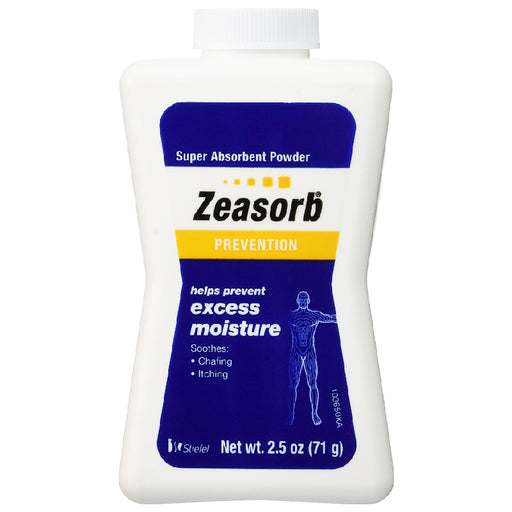
Original price $ 8.95Current price $ 6.95Zeasorb Super Absorbent Antifungal Powder (Miconazole nitrate 2%)
1 reviewZeasorb Super Absorbent Antifungal Powder is a medicated powder that is used to treat and prevent fungal infections on the skin. It is specifically...
View full details -
 Sale 15%
Original price $ 19.95Current price $ 16.95
Sale 15%
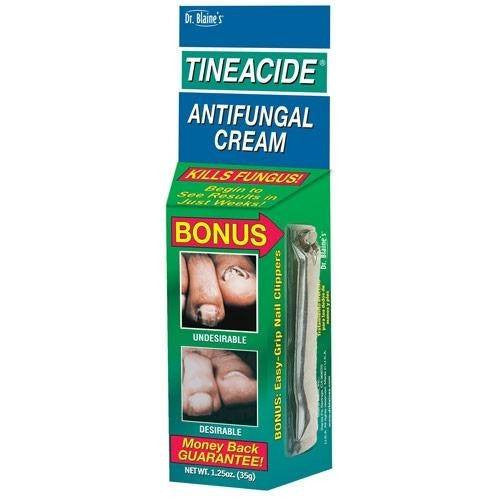
Original price $ 19.95Current price $ 16.95Tineacide Antifungal Foot & Nail Cream 1.25 oz
1 reviewTineacide Antifungal Cream is designed to kill skin fungus, prevent the spread of fungal, yeast, and bacterial infections, and effectively cure ath...
View full details -
 Sale 31%
Original price $ 12.98Current price $ 8.97
Sale 31%
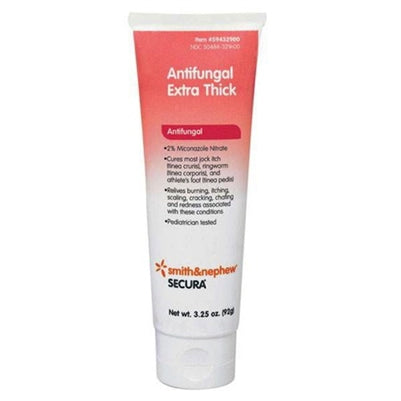
Original price $ 12.98Current price $ 8.97Secura Antifungal Extra-Thick Cream (2% Miconazole Nitrate)
Secura Antifungal Extra-Thick Cream used to treat superficial fungal infections including tinea cruris (jock itch), tinea corporis (ringworm), (ath...
View full details -
 Sale
$ 7.25
Sale
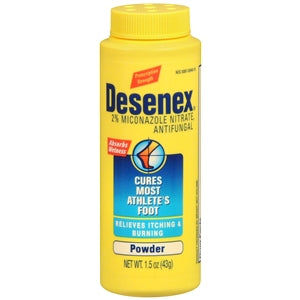
$ 7.25Desenex Antifungal Athlete’s Foot Powder 1.5 oz
Desenex Antifungal Athlete’s Foot Powder was designed with a special ingredient that kills three major types of athlete’s foot. It’s clinically pro...
View full details -
 Sale 34%
Original price $ 8.95Current price $ 5.95
Sale 34%
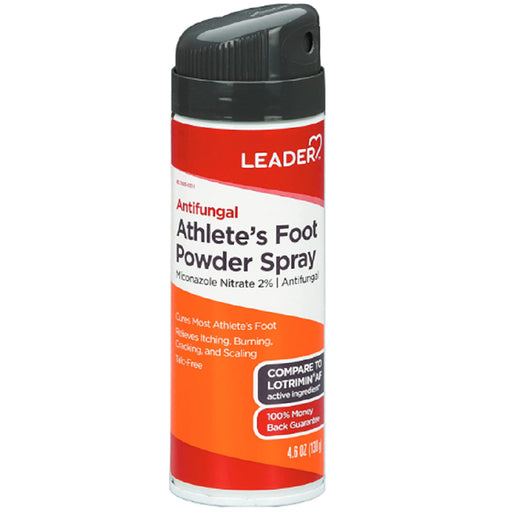
Original price $ 8.95Current price $ 5.95Leader Athlete's Foot Powder Spray Miconazole Nitrate 2%, 4.6 oz
Athlete’s Foot Powder Spray Miconazole Nitrate 2% is an over-the-counter antifungal medication used to treat athlete’s foot and related fungal skin...
View full details -
 Sale 37%
Original price $ 16.95Current price $ 10.75
Sale 37%
Original price $ 16.95Current price $ 10.75Zeasorb Powder Athlete's Foot Antifungal Treatment
Zeasorb Athlete's Foot Antifungal Treatment Powder is a topical medication used to treat athlete's foot, a fungal infection that most commonly affe...
View full details -
 Sale 34%
Original price $ 11.95Current price $ 7.85
Sale 34%
Original price $ 11.95Current price $ 7.85Thera Antifungal Powder with 2% Miconazole Nitrate 3 oz
Thera Antifungal Powder is a powerful medicated powder formulated with 2% miconazole nitrate – a dermatologist-tested antifungal agent. Specially d...
View full details -
 Sale 42%
Original price $ 9.95Current price $ 5.75
Sale 42%
Original price $ 9.95Current price $ 5.75Miconazole Nitrate Cream 2% Antifungal Topical Cream 15 grams
1 review#1 Doctor-Recommended Treatment for Athlete’s Foot, Jock Itch & Ringworm Eliminate stubborn fungus fast with Miconazole Nitrate Cream 2%, the c...
View full details -
 Sale 42%
Original price $ 11.95Current price $ 6.89
Sale 42%
Original price $ 11.95Current price $ 6.89Miconazole Nitrate Cream 2% Topical Antifungal Cream 1 oz Tube
Miconazole Nitrate Cream Miconazole nitrate cream is a topical antifungal (an imidazole) used to treat superficial skin infections caused by dermat...
View full details -
 Sale 41%
Original price $ 12.95Current price $ 7.59
Sale 41%
Original price $ 12.95Current price $ 7.59Remedy Clinical Antifungal Powder Miconazole Nitrate 2% with Vanilla Scent 3 oz
#1 Best-Selling Antifungal Powder for Athlete’s Foot, Jock Itch, & Skin Fungal Infection Relief Say goodbye to persistent fungal infections wit...
View full details -
 Sale 45%
Original price $ 8.95Current price $ 4.95
Sale 45%
Original price $ 8.95Current price $ 4.95Miconazole Nitrate 2% AntiFungal Cream 1 oz by Leader
Miconazole Nitrate 2% Antifungal Cream Miconazole nitrate 2% is a topical (skin) antifungal medication sold over-the-counter. It belongs to the azo...
View full details


People Also Searched For
Athlete’s Foot Treatments
Athlete’s foot, also known as tinea pedis, is a common fungal infection of the skin on the feet. It causes an itchy, burning rash, often between the toes, and sometimes scaly or cracked skin on the soles. Because it’s a fungus (the same type that causes ringworm and jock itch), the primary treatments aim to kill or stop the fungus and heal the skin. Here are the main treatments and management strategies for athlete’s foot:
Over-the-Counter Antifungal Medications (Topical)
Most cases of athlete’s foot can be treated with over-the-counter (OTC) antifungal products applied directly to the affected skin. These come in various forms such as creams, ointments, gels, sprays, or powders. They contain ingredients that specifically target the fungi (dermatophytes) causing the infection. Common active ingredients include:
- Clotrimazole – found in products like Lotrimin AF® cream. Apply twice daily to the rash and surrounding area as directed.
- Miconazole – found in Micatin® cream or Desenex® powder. Also typically used twice a day on the affected skin.
- Tolnaftate – found in Tinactin® cream, powder, or spray. Often used once or twice daily; tolnaftate is known as a reliable athlete’s foot remedy.
- Terbinafine – found in Lamisil AT® cream or gel. Terbinafine tends to work quickly; some formulations are applied once daily for 1-2 weeks (read the package instructions). It actually kills the fungus (fungicidal) rather than just slowing growth.
- (Less commonly OTC: Undecylenic acid – found in some foot fungus liquids; this is another antifungal ingredient that can help mild cases.)
These antifungal treatments are usually used for 1 to 4 weeks, depending on the product. It’s important to continue using the medicine for the full time listed, even if symptoms improve sooner. Keep applying the cream/powder until a few days after the skin looks healed, to make sure the fungus is completely gone. If you stop treatment too early, the infection can come back (often tougher to eliminate)
Prescription Treatments (Topical and Oral)
For stubborn or more severe cases of athlete’s foot, a healthcare provider can prescribe stronger antifungal medications:
- Prescription-strength creams or solutions: A doctor might prescribe a higher strength terbinafine or clotrimazole cream, or other antifungals like econazole or ciclopirox if the infection doesn’t respond to OTC meds. There are also prescription antifungal liquids (like clotrimazole or naftifine solutions) that can be applied if the infection is in hard-to-reach areas or very moccasin-type (soles) athlete’s foot.
- Oral antifungal pills: If athlete’s foot is widespread, very persistent, or has spread to the toenails (which are hard to treat), oral medication may be necessary. Common oral antifungals for tinea pedis include terbinafine tablets, itraconazole, or fluconazole. These pills are typically taken for a few weeks (up to about 2-6 weeks) for skin infections; nail infections would require a longer course (3+ months). Because oral medications have to be processed by your body, they are used for more severe infections or when topical treatments fail. Your doctor will decide which is appropriate based on your condition and medical history (for example, oral terbinafine is often very effective but requires checking that you have no liver issues or interactions). It’s crucial to finish the full course of oral meds as prescribed even if the foot looks better sooner. Stopping early can lead to recurrence.
Additionally, if the fungal infection has led to secondary bacterial infection (for example, excessive scratching might break the skin and let bacteria in, causing increased redness or pus), a doctor might prescribe an antibiotic alongside the antifungal treatment. But note, antibiotics alone do not treat the fungus – they would only address bacteria if present. The primary treatment must be antifungal.