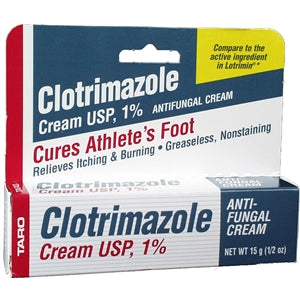
Miconazole Nitrate Cream
Miconazole nitrate cream is a topical antifungal (an imidazole) used to treat superficial skin infections caused by dermatophytes (fungi) and certain yeasts. It works by inhibiting the fungal enzymes needed for ergosterol synthesis – an essential component of fungal cell membranes – which halts fungal growth and eventually damages the fungi. In practice, this means the fungus’s membrane becomes leaky and unstable, stopping further spread of the infection. The cream is for external use only (on intact skin) – do not swallow it and avoid contact with eyes, mouth, or other mucous membranes.
Uses
Miconazole 2% cream is indicated for a variety of common skin fungal and yeast infections. Key uses include:
-
Athlete’s foot (tinea pedis): Fungal infection of the feet and toe webs.
-
Body ringworm (tinea corporis): Round, red scaly rash on trunk or limbs.
-
Jock itch (tinea cruris): Fungal infection of the groin/inner thigh.
-
Cutaneous candidiasis: Yeast infection of skin folds (e.g. under breasts, groin).
-
Tinea (pityriasis) versicolor: Yeast overgrowth causing discolored patches on trunk/neck.
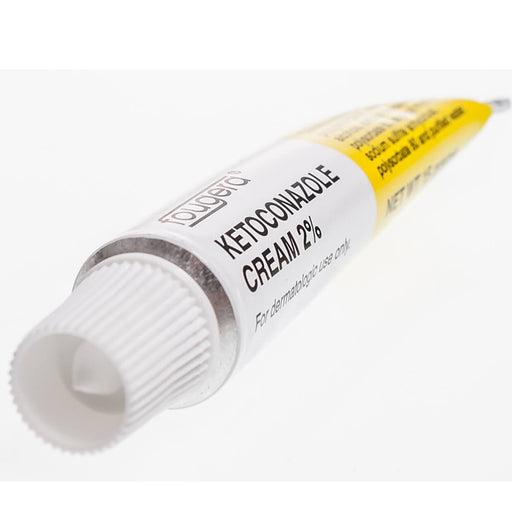
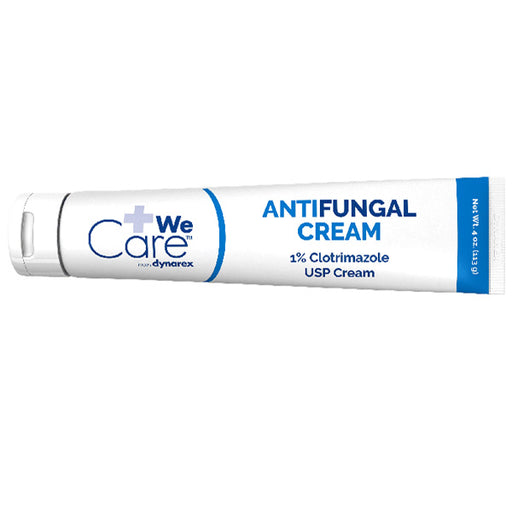
These uses are backed by medical sources; for example, Alberta Health notes miconazole treats “skin infections such as athlete’s foot, jock itch, ringworm, and other fungal skin infections (candidiasis)”, as well as pityriasis (tinea versicolor). (It will not cure bacterial or viral rashes – it is specific to fungi).) Miconazole is often chosen when similar azole creams (like clotrimazole or ketoconazole) are appropriate. Some common brand names of miconazole cream include Micatin and Monistat-Derm, although many generic 2% creams exist.
Mechanism of Action
As an azole antifungal, miconazole binds to the fungal cytochrome P450 enzyme (14α-demethylase) that converts lanosterol to ergosterol. By blocking ergosterol synthesis, miconazole compromises the integrity of the fungal cell membrane. This “starves” the fungus of a critical membrane component, causing increased permeability and eventual cell death. The result is halted fungal growth – at the site of application, the fungus cannot multiply. In higher concentrations (as in the cream), miconazole may also be directly fungicidal to susceptible organisms. Because human cells do not use ergosterol, this action is selective for fungi, which is why miconazole is effective against dermatophytes and yeasts but inactive against bacteria or viruses.
Application and Dosage
For best results, follow your healthcare provider’s instructions and the product label. General guidelines are:
-
Preparation: Wash and thoroughly dry the affected area. Skin should be clean and dry before application.
-
Application: Apply a thin film of the cream to completely cover the infected skin and a small margin of surrounding healthy skin. Gently rub it in until it is absorbed. Do not apply thick layers or occlusive dressings unless directed by a doctor. Use the medication only on the affected area (not beyond) and wash your hands after unless your hands are being treated.
-
Frequency: Typically, miconazole 2% cream is used once or twice daily (often morning and night). Apply it at the same times each day. Avoid skipping doses. If a dose is missed, apply it as soon as you remember, but do not double up.
-
Duration: Continue using the cream for the full prescribed length of time, even if symptoms improve early. Treatment courses often run 2–4 weeks or longer for full effect. Stopping too soon can allow the fungus to return. Patients should notice gradual improvement (reduced itching, less redness, healing of skin) while on therapy. If no improvement is seen after about 2–4 weeks, or if the infection worsens, contact your doctor.
Important: Miconazole cream is for skin only. Do not get it in your eyes, nose, mouth, or vagina. (There are separate vaginal miconazole formulations for yeast infections of that type; use only as directed.) If accidental contact occurs, rinse thoroughly with water. Also avoid applying on open wounds or severely broken skin, as irritation or absorption may increase.
Side Effects
Topical miconazole is generally well-tolerated. If side effects occur, they are usually mild and limited to the application site. Common effects (seen in a small percentage of users) include:
-
Local irritation: Burning, stinging, itching, or redness where the cream is applied. (These sensations often lessen as treatment continues.)
-
Dryness or peeling: The treated skin may become slightly dry, flake, or crust.
These side effects are usually minor. If they persist or bother you, consult your doctor or use the cream less often.
Rarely, a more severe skin reaction can occur. This includes redness that worsens, blistering, open sores, or significant peeling. Allergic reactions are also possible (though uncommon). Seek immediate medical attention if you notice symptoms like hives, rash, itching/swelling (especially of face, tongue or throat), or trouble breathing. Always stop using the cream if you develop a severe skin reaction or allergy and inform your healthcare provider.
The above lists are not exhaustive. For more detail, refer to the product insert or healthcare providers.
Precautions and Warnings
Before using miconazole cream, inform your doctor or pharmacist about:
-
Allergies: Any history of allergic reaction to miconazole or other azole antifungals (e.g. clotrimazole, econazole, ketoconazole). Also mention any skin sensitivities to cream ingredients.
-
Current medications: Although systemic absorption is minimal, mention all other medications (especially other topical treatments) to check for interactions. No significant drug interactions are expected with topical miconazole, but do not use other creams/ointments simultaneously on the same area without advice.
-
Medical conditions: Most skin infections are straightforward, but if you have severe eczema or dermatitis in the area, diabetic skin ulcers, or a compromised immune system, discuss treatment first. Use caution if applying to large damaged or burned skin areas.
-
Pregnancy/Lactation: If you are pregnant or breastfeeding, use miconazole cream only if clearly needed and prescribed. Limited data suggest minimal risk, but discuss potential benefits and risks with your doctor.
-
Children: The safety in very young children is not well established. Cleveland Clinic notes it may be used in children as young as 2 years under medical advice. Pediatric dosing should be guided by a doctor.
If any uncertainty or additional questions arise (for example, which exact formulation to use for vaginal vs. skin infections), ask your healthcare provider.
Storage
Store miconazole 2% cream at room temperature (around 20–25 °C or 68–77 °F), away from excessive heat and moisture. Keep the tube closed when not in use and out of reach of children and pets. Do not use it after the expiration date on the package. If it has expired or is no longer needed, dispose of it properly (do not flush; follow local guidelines or pharmacy take-back programs).
Miconazole nitrate 2% topical cream is a widely used antifungal medication for skin. It effectively treats athlete’s foot, ringworm, jock itch, yeast skin infections, and similar conditions. When used as directed (clean the skin, apply a thin layer, and continue full course), it typically clears up fungal rashes. Watch for mild local irritation; serious reactions are rare. Always follow your healthcare provider’s instructions and the product leaflet. If in doubt – for example, if your infection is severe or you have unusual symptoms – consult a doctor for personalized advice.
 Skip to content