
Filters
- Acute bacterial exacerbation (1)
- Antibiotic for respiratory infection (1)
- Antibiotics (3)
- Azithromycin (5)
- Azithromycin 250 mg (2)
- Azithromycin 250 mg Tablets (1)
- Azithromycin Tablets (4)
- Azithromycin Z-Pack (1)
- bacterial infection (1)
- Bacterial Infections (2)
- Bronchitis medicine (1)
- buy Azithromycin online (3)
- doctor-only (5)
- Ear Infection (2)
- Ear Infections (2)
- Oral azithromycin tablets (1)
- Pfizer Zithromax (1)
- pneumonia (1)
- Pneumonia antibiotic (1)
- Respiratory infection (1)
- Sinus Infection (1)
- Skin Infection (1)
- Skin Infections (1)
- Treat bacterial infections (2)
- Treat infections (3)
- Treat Pneumonia (1)
- Treat skin infections (1)
- Treat STD's (3)
- Upper respiratory infection (1)
- Zithromax 250 mg tablets (1)
- Acute Sinusitis (1)
- antibiotic for children (1)
- antibiotics for strep throat (1)
- azithromycin 200mg/5ml (1)
- Azithromycin Liquid (1)
- Azithromycin Oral Solution (2)
- Azithromycin oral suspension (1)
- Bacterial Bronchitis (1)
- broad-spectrum antibiotic (1)
- liquid antibiotic (1)
- ou-exclude (2)
- pediatric antibiotic (1)
- pneumonia medication (1)
- Strep Throat (1)
- Antibiotic Medication (1)
- Antibiotic Medicine (1)
- Azithromycin 500 mg (1)
- Treatment of bacterial infections (1)
- Z-Pak (1)
- Azithromycin Oral Suspension Solution (1)
- Antibacterial (1)
- Antibacterial Medication (1)
- Macrolides (1)
Filters
- Acute bacterial exacerbation (1)
- Antibiotic for respiratory infection (1)
- Antibiotics (3)
- Azithromycin (5)
- Azithromycin 250 mg (2)
- Azithromycin 250 mg Tablets (1)
- Azithromycin Tablets (4)
- Azithromycin Z-Pack (1)
- bacterial infection (1)
- Bacterial Infections (2)
- Bronchitis medicine (1)
- buy Azithromycin online (3)
- doctor-only (5)
- Ear Infection (2)
- Ear Infections (2)
- Oral azithromycin tablets (1)
- Pfizer Zithromax (1)
- pneumonia (1)
- Pneumonia antibiotic (1)
- Respiratory infection (1)
- Sinus Infection (1)
- Skin Infection (1)
- Skin Infections (1)
- Treat bacterial infections (2)
- Treat infections (3)
- Treat Pneumonia (1)
- Treat skin infections (1)
- Treat STD's (3)
- Upper respiratory infection (1)
- Zithromax 250 mg tablets (1)
- Acute Sinusitis (1)
- antibiotic for children (1)
- antibiotics for strep throat (1)
- azithromycin 200mg/5ml (1)
- Azithromycin Liquid (1)
- Azithromycin Oral Solution (2)
- Azithromycin oral suspension (1)
- Bacterial Bronchitis (1)
- broad-spectrum antibiotic (1)
- liquid antibiotic (1)
- ou-exclude (2)
- pediatric antibiotic (1)
- pneumonia medication (1)
- Strep Throat (1)
- Antibiotic Medication (1)
- Antibiotic Medicine (1)
- Azithromycin 500 mg (1)
- Treatment of bacterial infections (1)
- Z-Pak (1)
- Azithromycin Oral Suspension Solution (1)
- Antibacterial (1)
- Antibacterial Medication (1)
- Macrolides (1)
Azithromycin Antibiotics for Zithromax
-
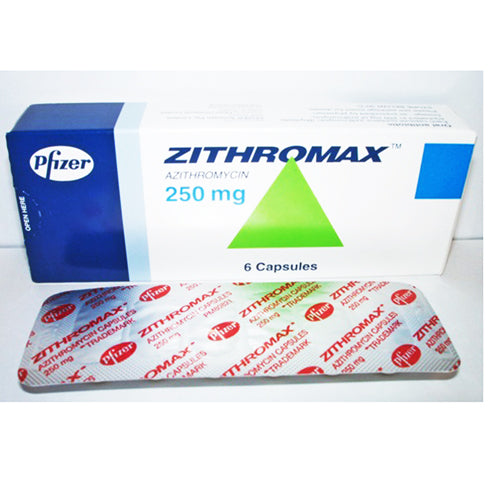
 Sale 28%
Z-Pack Zithromax (Azithromycin) Tablets 250 mg 3 packs of 6 (18 Count) (RX)
Original price $ 79.95Current price $ 57.75🔒 Medical License Required -

 Sale 33%
Azithromycin Liquid Oral Suspension Solution 200mg/ 5ml Pediatric Strength 30 mL (Rx)
Original price $ 75.00Current price $ 49.95🔒 Medical License Required -
 Sale 40%
Azithromycin 500 mg Tablets, 3 Pack by Lupin (RX)
Original price $ 6.59Current price $ 3.95🔒 Medical License Required -
 Sale 36%
Azithromycin Oral Suspension Solution 100 mg/5 mL (15 mL) (Rx)
Original price $ 69.95Current price $ 45.00🔒 Medical License Required -
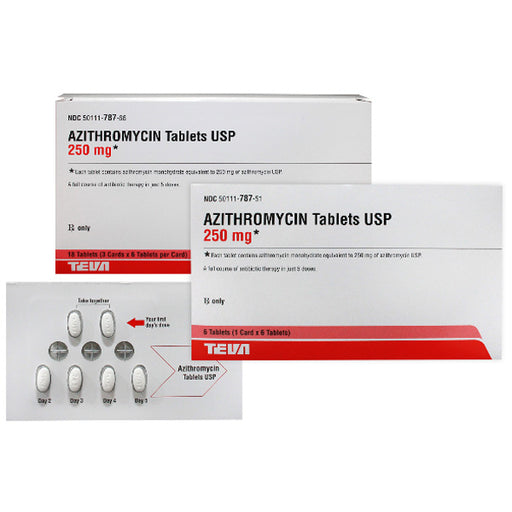 Sale 37%
Azithromycin Tablets 250 mg by Teva Pharma 18 Count (3 x 6 Tablets) (RX)
Original price $ 89.95Current price $ 57.00🔒 Medical License Required


People Also Searched For
Azithromycin Antibiotic Medications
Azithromycin (brand *Zithromax, Zmax) is a broad-spectrum macrolide antibiotic prescribed for many bacterial infections. It works by inhibiting bacterial protein synthesis (binding the 50S ribosomal subunit), effectively stopping growth of susceptible bacteria Because of its broad activity, azithromycin covers Gram-positive and some Gram-negative bacteria and is especially effective against “atypical” organisms (like Chlamydia species, Mycoplasma, and Legionella). It is important to note that azithromycin only treats bacterial infections and will not work for viral illnesses (e.g. colds or the flu)
Azithromycin antibiotics are FDA-approved, broad-spectrum prescription medications trusted by physicians, pharmacists, and infectious disease specialists worldwide. Known by the brand names Zithromax and Z-Pak, Azithromycin delivers rapid and effective relief from a wide range of bacterial infections—including respiratory tract infections, pneumonia, bronchitis, sinusitis, strep throat, ear infections, skin & soft tissue infections, chlamydia, and traveler’s diarrhea.
Azithromycin Uses
- Upper & Lower Respiratory Tract Infections: Bronchitis, pneumonia, sinusitis, pharyngitis, laryngitis.
- Strep Throat & Tonsillitis: Effective in eradicating group A strep.
- Ear Infections (Otitis Media): Especially in children.
- Skin & Soft Tissue Infections: Cellulitis, impetigo, wound infections.
- Chlamydia & Other STIs: First-line single-dose therapy for uncomplicated chlamydia infection.
- Traveler’s Diarrhea: Trusted in global travel or field medicine settings.
- COPD & Asthma Exacerbations: Adjuvant therapy for acute bacterial flare-ups.
Azithromycin Dosage
Azithromycin is usually taken orally. It comes as tablets, including larger single-dose packets, and as a flavored liquid suspension. A common regimen is once-daily dosing over a short course: for example, a “Z-Pak” regimen (500 mg on day 1, then 250 mg daily on days 2–5), or a single 1 g dose for certain STDs. An extended-release tablet/suspension (“Zmax”) allows a one-time large dose (typically 2 g once) on an empty stomach. For children, doses are weight-based. Azithromycin can be taken with or without food (some forms specify on empty stomach), and liquid forms should be shaken before use. There is also an intravenous (IV) form for use in hospitals for serious infections, but nearly all outpatient therapy is oral. It is important to complete the full course as prescribed to fully clear the infection and prevent resistance.
Azithromycin Side Effects
Azithromycin is generally well-tolerated, but side effects can occur. The most common side effects are gastrointestinal: nausea, vomiting, abdominal pain and diarrhea. Headache and dizziness are also reported. Taking azithromycin with food or spacing doses can sometimes reduce stomach upset. Less common issues include mild liver enzyme elevations and yeast infections (oral or vaginal thrush) due to disruption of normal flora.