


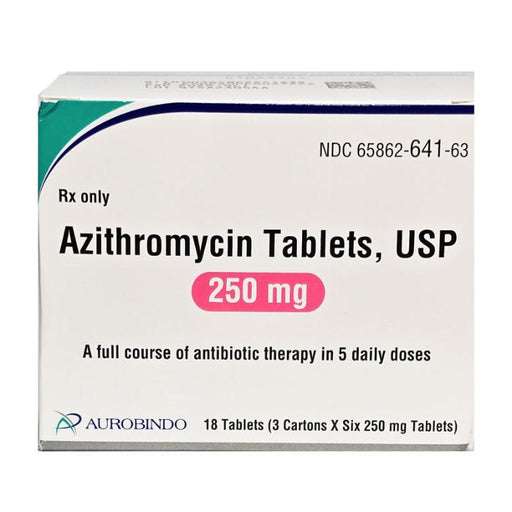
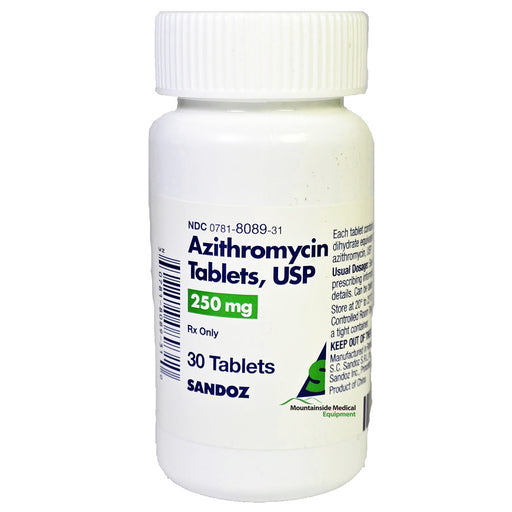
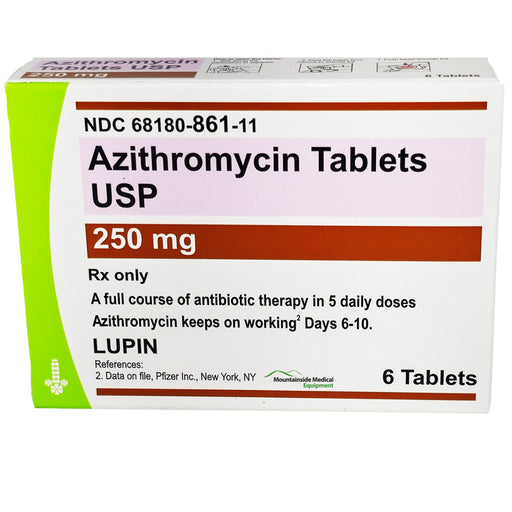

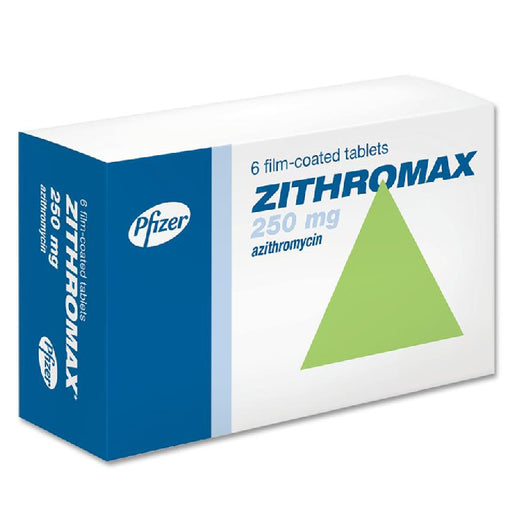


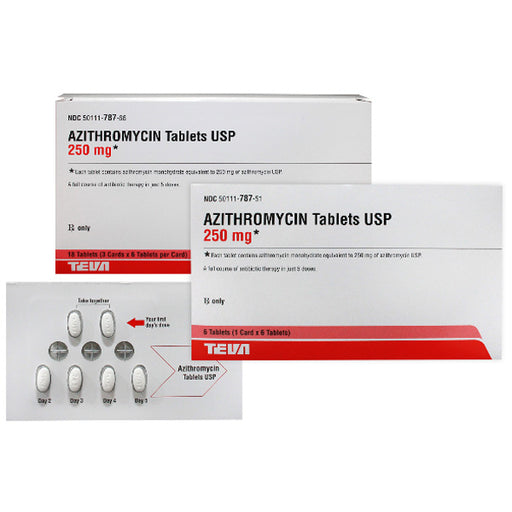
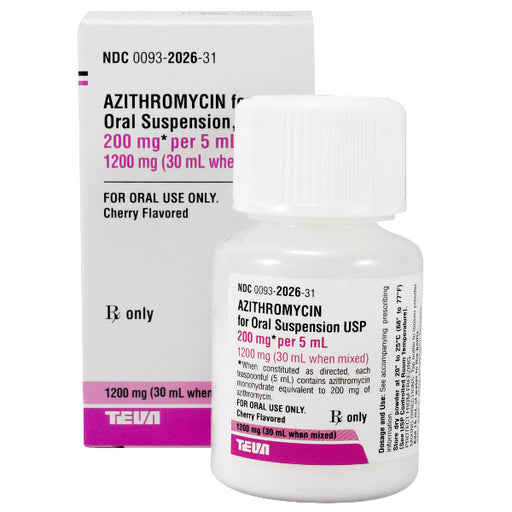
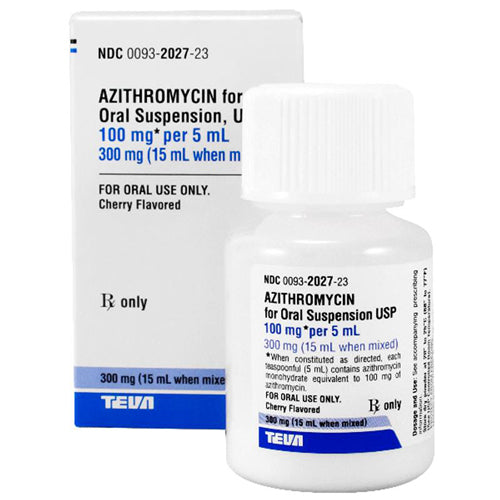
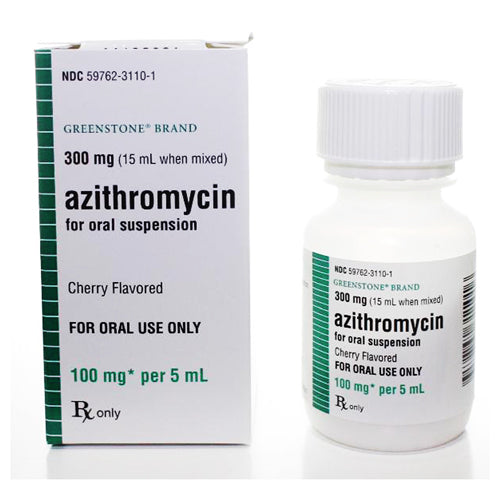

Azithromycin (brand names: Zithromax, Z-Pak) is a leading broad spectrum macrolide antibiotic prescribed worldwide for fast, effective treatment of bacterial infections in adults, children, and even infants. Available as tablets, oral suspension, and injectable forms, azithromycin is trusted by healthcare professionals for easy dosing, high compliance, and proven multi-condition efficacy.
How It Works
- Inhibits Bacterial Growth: Azithromycin binds to the 50S subunit of bacterial ribosomes.
- Stops Protein Synthesis: This binding prevents bacterial protein synthesis, halting their multiplication.
- Long Half-Life: With a half-life of 35 to 40 hours, azithromycin stays active in the body longer, allowing for shorter treatment durations.
Uses
Azithromycin is effective against a wide range of bacterial infections in adults and children:
- Respiratory Infections: Treats bronchitis, pneumonia, and acute bacterial sinusitis.
- Ear Infections: Effective for acute otitis media.
- Skin Infections: Addresses certain skin and soft tissue infections.
- Sexually Transmitted Diseases: Treats urethritis, cervicitis, and genital ulcer disease.
- Other Infections: Useful for strep throat and Mycobacterium avium complex (MAC) prevention or treatment in HIV patients.
Administration
- Optimal Absorption: Tablets and liquid can be taken
with or without food; capsules should be taken on an empty stomach (1
hour before or 2 hours after eating). - Complete the Course: To prevent recurrence and antibiotic resistance, finish the entire prescribed course even if you feel better.
Side Effects
Common side effects include:
- Nausea and vomiting
- Diarrhea
- Abdominal pain
- Headache
Less common, but serious side effects:
- Cardiovascular Issues: QT interval prolongation, especially in those with heart conditions.
- Liver Problems: Can cause severe liver injury or jaundice.
- Severe Allergic Reactions: Risk of angioedema or anaphylaxis.
- Skin Reactions: Possible severe reactions like Stevens-Johnson syndrome.
Drug Interactions and Contraindications
- Heart-Impacting Drugs: Caution with medications that prolong the QT interval, like certain antipsychotics or antiarrhythmics.
- Blood Thinners: Can increase the effect of blood thinners like warfarin, elevating bleeding risk.
- Antacids: Those containing aluminum or magnesium can reduce azithromycin's efficacy if taken within 2 hours.
- Contraindications: Avoid if allergic to
azithromycin, erythromycin, or macrolides, or have a history of
cholestatic jaundice or liver issues from azithromycin use.
Always consult a healthcare professional before starting or stopping azithromycin to ensure safety and efficacy.