
Skip to content
Year-End Sale is Live Now - Up to 50% off
New users? Get 5% off on your first purchase.
Free US shipping over $100
Year-End Sale is Live Now - Up to 50% off
New users? Get 5% off on your first purchase.
Free US shipping over $100

Azithromycin

Azithromycin: A Versatile Macrolide Antibiotic

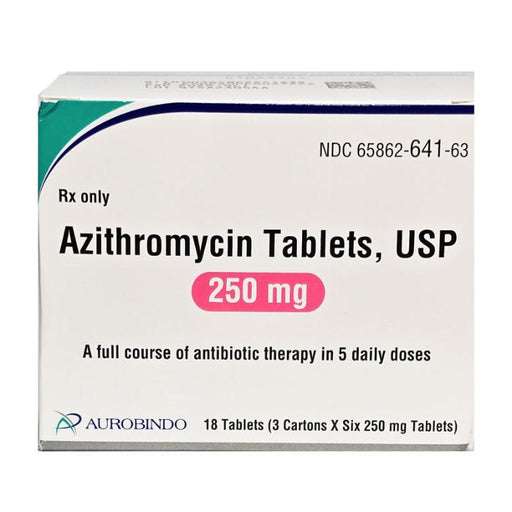
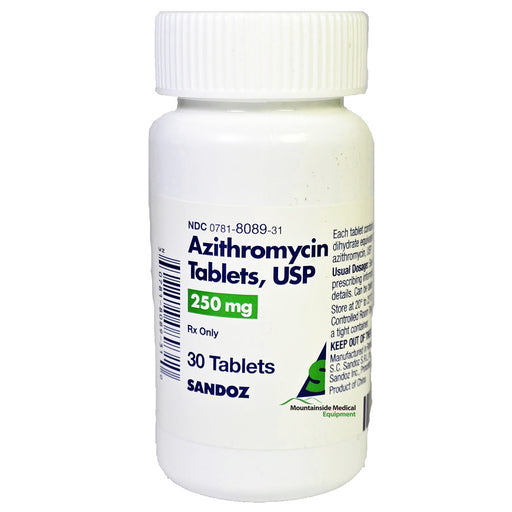
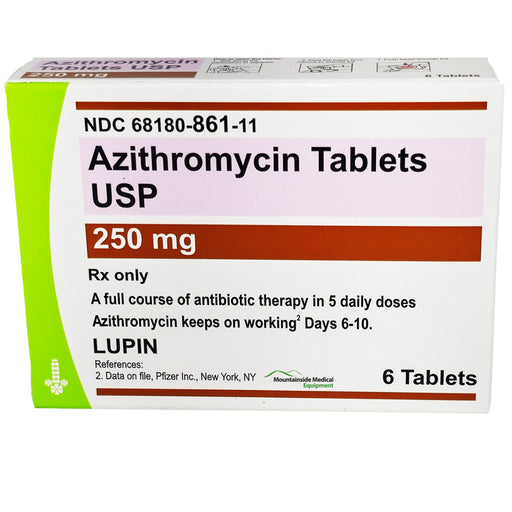
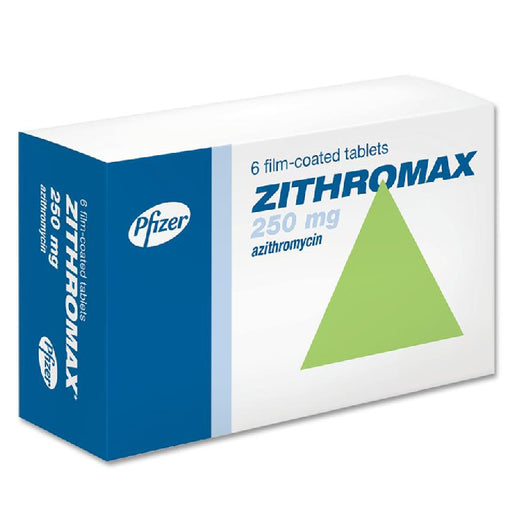
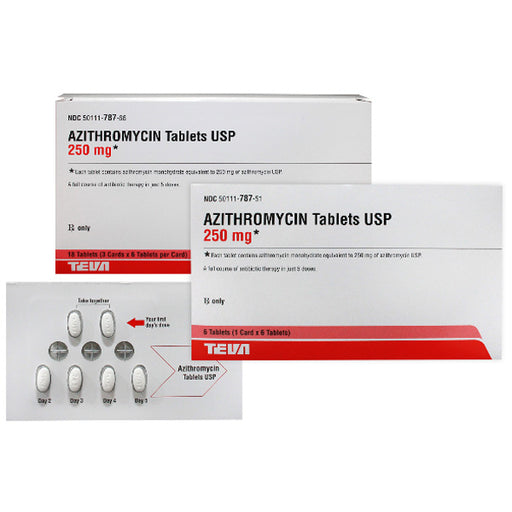
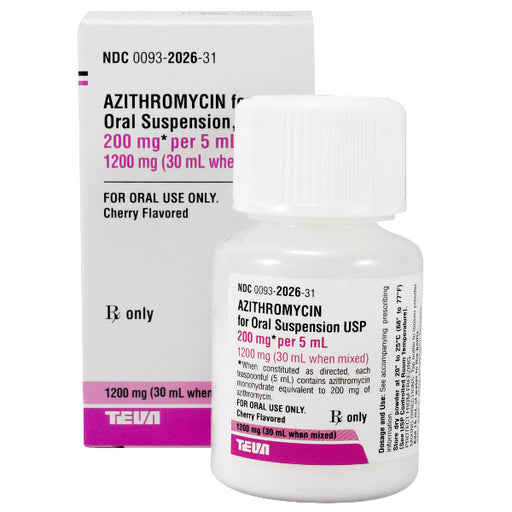
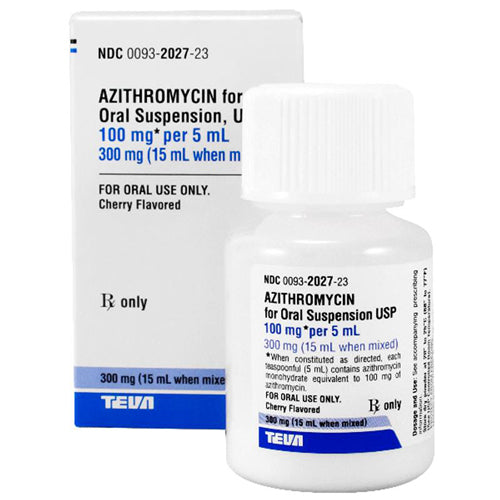
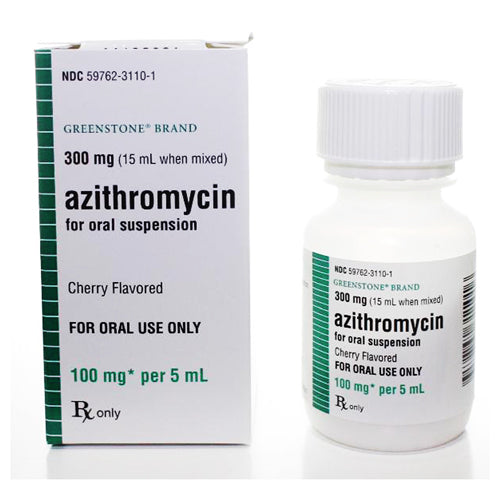
Azithromycin is a macrolide antibiotic commonly used to treat a variety of bacterial infections, including respiratory, skin, and sexually transmitted diseases. Known under brand names such as Zithromax, Zmax, and Z-Pak, it is available in tablet, liquid, and injectable forms.

Azithromycin: A Versatile Macrolide Antibiotic

Azithromycin is a macrolide antibiotic commonly used to treat a variety of bacterial infections, including respiratory, skin, and sexually transmitted diseases. Known under brand names such as Zithromax, Zmax, and Z-Pak, it is available in tablet, liquid, and injectable forms.

FAQs for Azithromycin
  • What Is Azithromycin Mostly Used For?

    Azithromycin is mostly used for treating respiratory tract infections, skin infections, sexually transmitted infections, and ear infections. Common uses include: Bacterial sinusitis, pharyngitis, and tonsillitis Pneumonia and bronchitis Ear infections (otitis media) Skin and soft tissue infections Chlamydia and certain other STIs Traveler’s diarrhea

  • Can Azithromycin Cause a Yeast Infection?

    Yes, by altering normal bacterial balance, azithromycin can cause a yeast infection (thrush/vaginal candidiasis), especially with prolonged use. Contact your healthcare provider if you develop oral or vaginal itching/white discharge during or after treatment.

  • Can Azithromycin Be Used for Ear Infections?

    Yes, azithromycin is commonly prescribed for children and adults with acute otitis media (middle ear infection), especially in patients allergic to penicillins.

  • What Does Azithromycin Treat in Babies?

    Ear infections Pneumonia Strep throat Whooping cough (pertussis) Certain lung and skin infections Doctors may use azithromycin oral suspension for these conditions in infants and young children.

  • What Should I Avoid While Taking Azithromycin?

    Avoid antacids (aluminum or magnesium) within 2 hours of dosing Avoid alcohol and recreational drugs that increase side-effect risk Avoid sun overexposure (may increase photosensitivity) Check with your doctor about other prescription or OTC medicines

  • What Infections Will Azithromycin Clear Up?

    Azithromycin is effective in clearing up: Strep throat Sinusitis Bronchitis Bacterial pneumonia Skin/soft tissue infections STDs: Chlamydia, gonorrhea (when indicated) It will NOT work for viral infections like the common cold or flu.

  • What Are the Serious Side Effects of Azithromycin?

    Severe allergic reactions (anaphylaxis, rash, hives) QT prolongation or irregular heartbeat Liver problems (yellowing of skin/eyes, dark urine) Severe diarrhea (C. diff infection risk) Hearing changes (rare) Seek urgent care for chest pain, fainting, or severe rash.

  • How Quickly Does Azithromycin Start Working?

    Azithromycin typically begins working within 24-48 hours, with noticeable symptom improvement. Finish the entire course even if you feel better.

  • Is Azithromycin Safe During Pregnancy?

    Azithromycin is considered relatively safe in pregnancy when prescribed by your doctor (FDA Pregnancy Category B). Always consult your healthcare provider before using any antibiotic while pregnant or breastfeeding.

  • Is Azithromycin Good for Sinus Infection?

    Yes, azithromycin is often used to treat bacterial sinus infections, especially for those allergic to penicillin. Doctors may recommend other antibiotics first, depending on bacterial resistance patterns in your area.

  • What Is the Strongest Antibiotic for Bacterial Infection?

    The “strongest” antibiotic depends on the infection. Azithromycin is highly effective for many bacterial infections but is not always first-choice for severe or resistant strains. Your doctor may select other antibiotics such as amoxicillin-clavulanate, ciprofloxacin, or vancomycin for certain cases.

  • Why Is Azithromycin Given for 3 Days Only to Kids?

    Azithromycin’s unique long half-life allows for short, 3- or 5-day therapy—it remains effective in the body and continues to treat infection even after the last dose for several days. This promotes better adherence and fewer missed doses.

  • What Bacteria Does Azithromycin Cure?

    Azithromycin is effective against: Streptococcus pneumoniae Haemophilus influenzae Moraxella catarrhalis Chlamydia trachomatis Mycoplasma pneumoniae Staphylococcus aureus (except MRSA) Neisseria gonorrhoeae (some cases)

  • How Long Does Azithromycin Stay in Your System?

    Azithromycin has a long half-life—therapeutic levels remain up to 10 days after the last dose. Most of the drug clears from your system in 7–14 days.

  • Who Is Not Allowed to Take Azithromycin?

    Those with known allergy to azithromycin or macrolide antibiotics Patients with a history of liver disease or QT prolongation People who take medications that interact (antiarrhythmics, certain antipsychotics) Discuss with your doctor before taking if you have severe kidney impairment or myasthenia gravis

  • Does Azithromycin Make You Sleepy?

    Sleepiness or tiredness is not common, but some people experience mild dizziness or fatigue. Severe drowsiness should be discussed with your doctor.

  • What Viruses Does Azithromycin Treat?

    Azithromycin does NOT treat viral infections. It is sometimes prescribed as an “add-on” for bacterial complications in viral respiratory infections, but it does not kill viruses.

  • Key Features & Benefits

    Trusted Broad-Spectrum Antibiotic (for adults, kids, and infants) Easy Dosing (once per day; short courses) Available as Tablets, Suspension, & IV Effective for Respiratory, Ear, Skin, & STI Infections Lower Allergy Risk vs. Penicillins

Azithromycin: Fast-Acting Broad-Spectrum Antibiotic for Bacterial Infections | Uses, Dosage, Side Effects & Safety [Tablets & Suspension]

Azithromycin (brand names: Zithromax, Z-Pak) is a leading broad spectrum macrolide antibiotic prescribed worldwide for fast, effective treatment of bacterial infections in adults, children, and even infants. Available as tablets, oral suspension, and injectable forms, azithromycin is trusted by healthcare professionals for easy dosing, high compliance, and proven multi-condition efficacy.

How It Works

  • Inhibits Bacterial Growth: Azithromycin binds to the 50S subunit of bacterial ribosomes.
  • Stops Protein Synthesis: This binding prevents bacterial protein synthesis, halting their multiplication.
  • Long Half-Life: With a half-life of 35 to 40 hours, azithromycin stays active in the body longer, allowing for shorter treatment durations.

Uses

Azithromycin is effective against a wide range of bacterial infections in adults and children:

  • Respiratory Infections: Treats bronchitis, pneumonia, and acute bacterial sinusitis.
  • Ear Infections: Effective for acute otitis media.
  • Skin Infections: Addresses certain skin and soft tissue infections.
  • Sexually Transmitted Diseases: Treats urethritis, cervicitis, and genital ulcer disease.
  • Other Infections: Useful for strep throat and Mycobacterium avium complex (MAC) prevention or treatment in HIV patients.

Administration

  • Optimal Absorption: Tablets and liquid can be taken
    with or without food; capsules should be taken on an empty stomach (1
    hour before or 2 hours after eating).
  • Complete the Course: To prevent recurrence and antibiotic resistance, finish the entire prescribed course even if you feel better.

Side Effects

Common side effects include:

  • Nausea and vomiting
  • Diarrhea
  • Abdominal pain
  • Headache

Less common, but serious side effects:

  • Cardiovascular Issues: QT interval prolongation, especially in those with heart conditions.
  • Liver Problems: Can cause severe liver injury or jaundice.
  • Severe Allergic Reactions: Risk of angioedema or anaphylaxis.
  • Skin Reactions: Possible severe reactions like Stevens-Johnson syndrome.

Drug Interactions and Contraindications

  • Heart-Impacting Drugs: Caution with medications that prolong the QT interval, like certain antipsychotics or antiarrhythmics.
  • Blood Thinners: Can increase the effect of blood thinners like warfarin, elevating bleeding risk.
  • Antacids: Those containing aluminum or magnesium can reduce azithromycin's efficacy if taken within 2 hours.
  • Contraindications: Avoid if allergic to
    azithromycin, erythromycin, or macrolides, or have a history of
    cholestatic jaundice or liver issues from azithromycin use.

Always consult a healthcare professional before starting or stopping azithromycin to ensure safety and efficacy.