Skip to content
Free US shipping over $100

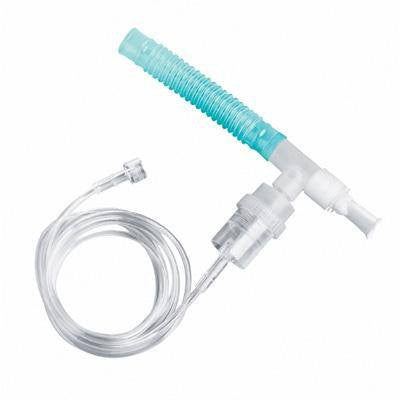
Nebulizer Treatment Kit with Mouthpiece and Reservoir Tube

Sale 29%
Original price $ 1.95
Current price $ 1.39
SKU RHS883U

Micro Mist Nebulizer kit used to deliver liquid medication for breathing treatments. Each nebulizer kit is latex free and includes a nebulizer cup, mouthpiece, tee connector, reservoir tube, standard connector, and 7 foot long supply tubing.

The Micro Mist Nebulizer provides consistent nebulizer breathing treatments at the right price. Made for single patient use, this latex free for safe use on patients with latex sensitivities, and even works at a 90° angle on patients who are laying down or require special treatment requirements. Use a nebulizer kit that works consistently and efficiently with the Micro Mist nebulizer.

Features:

    • Transforms medication into a fine micro mist for easy inhalation and efficient nebulization rates
    • Works at 90° angles
    • 6 cc Capacity Ant-Spill Jar to prevent waste and leakage of medication (its expensive don't waste)
    • Easy to clean, Just wash in wash water with small amount of liquid dish soap. Let air dry.
    • Does not contain any latex proteins (Latex free)

      What's Included with your nebulizer kit:

        • Nebulizer medication cup
        • Mouthpiece (blue corrugated tube)
        • Tee connector
        • Reservoir tube
        • Standard connector
        • 7 foot tubing

          Helpful Tips & Directions for use:

            • 1.  Place prescribed solution into the nebulizer jar
            • 2.  Attach cap to nebulizer jar with a clockwise rotation
            • 3.  Insert the nebulizer into tee
            • 4.  Connect the mouthpiece to the tee. Discard the mouthpiece if not used
            • 5.  Connect the reservoir to the tee. Discard the reservoir if not used
            • 6.  Attach the supply tubing between the gas source or nebulizer machine
            • 7.  Set gas flow to 8 LPM or turn on nebulizer machine. Check for aerosol mist; if necessary, tap the device until it begins to nebulize
            • 8.  During treatment, periodically tap nebulizer to minimize residual volume
              FAQs for Bronchitis Treatments and Oral Inhalers
              • What Is the Main Treatment for Bronchitis?

                Acute bronchitis (often viral): Symptomatic treatment (rest, hydration, cough suppressants, expectorants, inhalers, humidifiers) Chronic bronchitis (COPD): Bronchodilators, steroids, pulmonary rehab, and sometimes antibiotics for secondary bacterial infections

              • How to Treat Bronchitis While Pregnant?

                See your healthcare provider: Confirm diagnosis and safe treatment Natural remedies: Rest, increase fluids, use a humidifier, saline nasal sprays Safe medications (if needed): Acetaminophen for pain/fever, pregnancy-safe inhalers (as prescribed) Avoid all over-the-counter cold medicines unless approved by your OB/GYN

              • What Should You Not Do With Bronchitis?

                Do not smoke or expose yourself to secondhand smoke Avoid irritants: dust, perfumes, chemical fumes Don’t overuse cough suppressants (coughing helps clear mucus) Don’t ignore chest pain, severe shortness of breath, or bloody mucus; seek prompt care Don’t return to strenuous activity too soon

              • Should You Stay in Bed When You Have Bronchitis?

                Rest is essential, especially in the early days, but short walks and movement when you feel up to it help circulation and recovery. Don’t push too hard—listen to your body.

              • How to Beat Bronchitis Quickly?

                Rest and maintain good hydration Use a cool-mist humidifier Try honey (if not allergic, and never for infants under 1) Take prescribed inhalers or bronchodilators for wheezing Clear nasal and chest congestion with saline mist, steam, or expectorants

              • Can Bronchitis Cause Ear Pain?

                Yes. Bronchitis increases upper respiratory mucus and inflammation, which may cause eustachian tube dysfunction, leading to ear pain or pressure.

              • What Foods Should You Avoid With Bronchitis?

                Avoid dairy (may worsen mucus for some) Limit processed foods, fried foods, and sugar Reduce caffeine and alcohol, which cause dehydration Avoid spicy and very salty foods if throat is sore

              • What Is the Best Position to Sleep In With Bronchitis?

                Elevate your head and upper chest with extra pillows to reduce coughing and promote mucus drainage. Side-sleeping or semi-reclined positions help ease nighttime breathing.

              • Can I Exercise With Bronchitis?

                Avoid strenuous exercise while acutely ill. Mild movement/walking is beneficial as you recover. Return to normal workouts only when fever has resolved and your cough is improving.

              • How to Get Rid of Crackling When Breathing?

                Use doctor-prescribed inhalers or expectorants Try steamy showers or humidifiers to loosen phlegm Cough up mucus as needed Contact your doctor if crackles persist, worsen, or are accompanied by shortness of breath or chest pain

              • Why Do I Wheeze When I Lay Down With Bronchitis?

                Lying flat allows mucus to settle and narrows your airways, causing wheezing and coughing. Sleeping with your chest elevated helps.

              • Can Bronchitis Affect the Heart?

                Severe or chronic bronchitis increases strain on the heart, especially in people with preexisting heart or lung disease. Seek care for chest pain, rapid heart rate, or fainting.

              • Why Am I Dizzy With Bronchitis?

                Low oxygen levels and dehydration can cause dizziness with bronchitis. Frequent severe coughing can also drop blood pressure. Seek care if dizziness persists or worsens.

              • What Are the Dangers of Bronchitis?

                Progression to pneumonia Respiratory failure in severe cases Exacerbation of underlying COPD or heart disease Prolonged or recurrent infections in the elderly or immune-compromised

              • Top Bronchitis Treatments & Remedies

                Cough suppressants (dextromethorphan) & expectorants (guaifenesin) Inhalers (albuterol sulfate, ipratropium) for wheeze Steroid inhalers for chronic or severe cases Antibiotics (only for clear bacterial infections) Antiviral medication (rare, for specific viral causes and high-risk patients) Natural therapies: honey, ginger, steam inhalation

              • Proven Lifestyle & Home Care Tips

                Rest, hydrate, use a humidifier Avoid smoke and triggers Eat a balanced, nutrient-rich diet Practice breathing exercises for lung recovery

              Search Any Type of Product, Medication, or Alignment