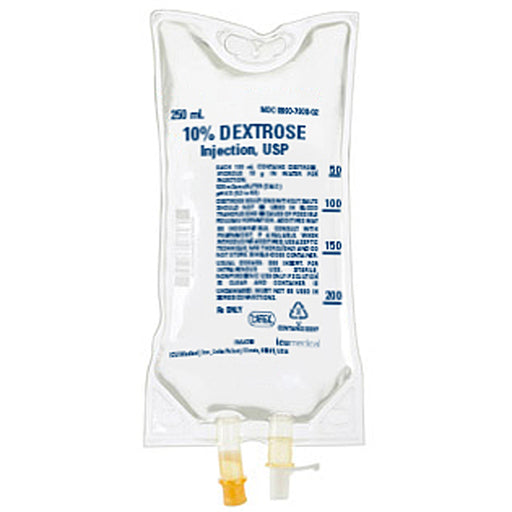
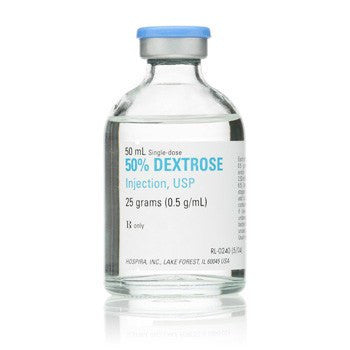
The Dextrose 10% Injection IV Bag Solution 250 mL in an Excel Container by B. Braun is a sterile, non-pyrogenic, and clear solution formulated for intravenous (IV) administration. Each bag contains 25 grams of dextrose (10g per 100mL), dissolved in water for injection, offering a reliable and convenient form of carbohydrate supplementation and hydration in a hospital or clinical setting.
What It Is Used For
Dextrose 10% Injection is commonly used for:
- Providing a source of immediate energy and calories to patients unable to eat or drink
- Treating moderate hypoglycemia (low blood sugar), especially when oral glucose administration is not possible
- Restoring fluid and carbohydrate loss due to various conditions such as vomiting, diarrhea, or excessive sweating
- As a diluent for other compatible intravenous medications
- Supporting parenteral nutrition regimens
CDC Guidelines
According to CDC and clinical best practices:
- Use strict aseptic technique to prevent contamination or infection.
- Prefer the smallest effective concentration and dose to minimize complications, especially in children and the elderly.
- Employ Dextrose 10% only when administration of oral carbohydrates is not feasible or effective, such as in unconscious patients or those with GI compromise.
- Monitor blood glucose levels regularly during and after administration, particularly in diabetic patients.
Dosage
-
Adults: Typical starting dose is individualized based on clinical condition, carbohydrate requirement, and tolerance. A common initial rate: 25-50 mL/hour, adjusted as needed.
-
Children and Infants: Dosage must be based on age, weight, and clinical status; initial dosage often around 5-10 mL/kg/h, titrated under physician supervision.
-
Hypoglycemia treatment: Adult dose is typically a bolus of 25-50 mL (2.5-5g dextrose) IV push, repeated as needed with close monitoring.
- Follow institutional protocols and healthcare provider instructions for each patient.
Details and Features
-
Manufacturer: B. Braun
-
Container: DEHP-free, Latex-free Excel IV Bag (minimizes risk of chemical leaching/allergic reactions)
-
Volume: 250 mL per bag
-
Sterility: Sterile and non-pyrogenic
-
Ready-to-use: No dilution or mixing required
-
Easy hang and administer: Designed for quick use in emergencies.
Mechanism of Action
Dextrose is a monosaccharide (simple sugar) that rapidly enters the bloodstream and is metabolized by body tissues to provide energy. When infused intravenously, it quickly elevates blood glucose levels, supplying tissues and organs with essential fuel and restoring energy in patients with hypoglycemia or caloric deficiencies.
Directions
-
Inspect the solution for clarity, particulate matter, and integrity of the container before use. Do not use if the solution is cloudy, colored, or if the container is damaged.
-
Prepare using aseptic technique. Hang IV bag on appropriate stand.
-
Prime the IV tubing and connect to the appropriate vascular access as directed by a healthcare provider.
-
Administer at the prescribed rate with a suitable infusion pump.
-
Monitor patient’s vital signs, blood glucose, and fluid balance during administration.
-
Dispose of any unused portion properly.
Warnings
-
For IV use only. Not for intramuscular or subcutaneous injection.
-
Hyperglycemia risk: Excessive administration may result in hyperglycemia, especially in diabetic patients.
-
Fluid overload/pulmonary edema: Caution in patients with compromised cardiac or renal function.
-
Electrolyte disturbances: Dextrose-only solutions do not provide electrolytes. Monitor serum electrolytes accordingly.
-
Not for direct injection: Must be administered through an established IV line.
-
Allergic reactions: Rare, but watch for signs of hypersensitivity.
Side Effects
Possible adverse effects include:
-
Local: Pain, erythema, phlebitis at injection site
-
Systemic: Hyperglycemia, glycosuria, osmotic diuresis, electrolyte imbalances (hyponatremia, hypokalemia), fluid overload, dehydration (if diuresis occurs), pulmonary edema in at-risk patients
-
Rare: Allergic or anaphylactic reactions
The Dextrose 10% Injection IV Bag Solution 250 mL by B. Braun offers a trusted, efficient resource for managing hypoglycemia, supporting parenteral nutrition, and addressing carbohydrate deficits in clinical settings. Its Excel container ensures safe, latex-free and DEHP-free administration, suited for all patient populations.
Always administer under the direction and supervision of a licensed healthcare professional.
 Skip to content