 Skip to content












Filters
- DiFlucan (5)
- doctor-only (5)
- Fluconazole (5)
- Fluconazole 200 mg (1)
- Fluconazole OS (5)
- Fluconazole Tabs (4)
- Fungal Infection (4)
- Fungal Meningitis (5)
- Oral Suspension (5)
- treat fungal infections (5)
- Treat Fungal Meningitis (5)
- Vaginal candidiasis (4)
- Candida (2)
- Fluconazole Tablets (1)
- Fungal Infections (2)
- Fungal Infections Treatment (2)
- Serious Fungal Infections (1)
- Systemic infections (2)
- Thrush (1)
- Esophageal candidiasis (1)
- Fluconazole 10 mg (1)
- Fluconazole for Oral Suspension 10 mg (1)
- Fluconazole Oral Suspension (1)
- Oral thrush (1)
Filters
- DiFlucan (5)
- doctor-only (5)
- Fluconazole (5)
- Fluconazole 200 mg (1)
- Fluconazole OS (5)
- Fluconazole Tabs (4)
- Fungal Infection (4)
- Fungal Meningitis (5)
- Oral Suspension (5)
- treat fungal infections (5)
- Treat Fungal Meningitis (5)
- Vaginal candidiasis (4)
- Candida (2)
- Fluconazole Tablets (1)
- Fungal Infections (2)
- Fungal Infections Treatment (2)
- Serious Fungal Infections (1)
- Systemic infections (2)
- Thrush (1)
- Esophageal candidiasis (1)
- Fluconazole 10 mg (1)
- Fluconazole for Oral Suspension 10 mg (1)
- Fluconazole Oral Suspension (1)
- Oral thrush (1)
Fluconazole Tablets and Oral Solutions for Fungal Meningitis
-

 Sale 23%
🔒 Medical License Required
Sale 23%
🔒 Medical License Required
Fluconazole 200 mg Tablets by Glenmark Pharma 30 Count (Rx)
23% OFFOriginal price $ 129.00Current price $ 99.80 -

 Sale 67%
🔒 Medical License Required
Sale 67%
🔒 Medical License Required
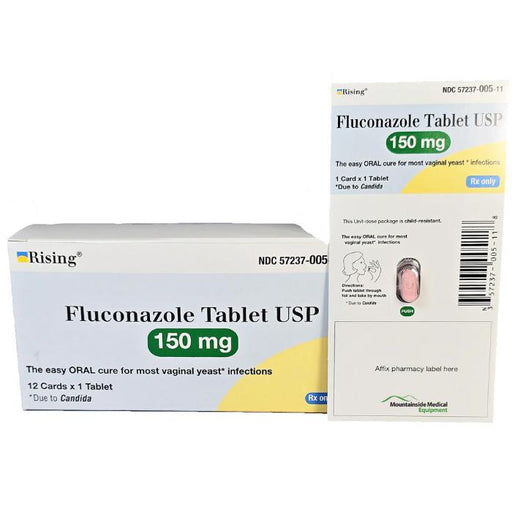
Fluconazole 150 mg Tablet, 1 Tablet per Card x 12 Cards per Box (Rx)
5.0 (1) 5.0 out of 5 stars, 1 review67% OFFOriginal price $ 39.95Current price $ 13.25 -

 Sale 19%
🔒 Medical License Required
Sale 19%
🔒 Medical License Required
Fluconazole Tablets 100 mg by Glenmark Pharma 30 Count (RX)
19% OFFOriginal price $ 85.00Current price $ 69.00 -
 Sale 28%
🔒 Medical License Required
Sale 28%
🔒 Medical License Required
Fluconazole Tablets 50 mg by Glenmark Pharma 30 Count (RX)
28% OFFOriginal price $ 54.50Current price $ 39.00 -
 Sale 31%
🔒 Medical License Required
Sale 31%
🔒 Medical License Required
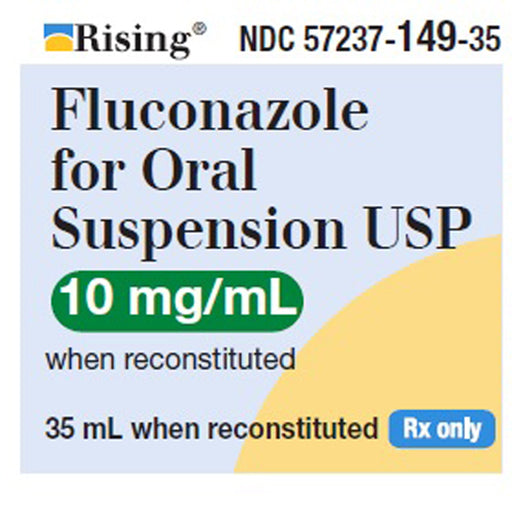
Fluconazole for Oral Suspension 10 mg/mL when Reconstituted 35 mL Bottle by Rising Pharma
31% OFFOriginal price $ 23.95Current price $ 16.50


People Also Searched For
Fluconazole Tablets and Oral Solutions
Fluconazole is an oral antifungal (azole) used to treat a broad range of fungal infections. In particular, fluconazole tablets are indicated for:
-
Candida (yeast) infections: This includes vaginal yeast infections (vaginal candidiasis) and thrush (oropharyngeal and esophageal candidiasis). Fluconazole can also clear invasive Candida infections – for example, it has been shown effective in candiduria, peritonitis, bloodstream (candidemia), disseminated candidiasis and even fungal pneumonia caused by Candida. In practice, a single 150 mg dose often cures uncomplicated vaginal yeast infection, while higher daily doses (e.g. 100–400 mg/day) are used for oral/esophageal thrush or systemic Candida infections.
-
Cryptococcal infections: Fluconazole is indicated for cryptococcal meningitis, a life-threatening fungal meningitis (often occurring in AIDS patients). It is typically used after initial induction therapy with amphotericin B. For cryptococcal meningitis, higher doses (e.g. 400 mg the first day, then 200–400 mg daily) are common. Fluconazole is also used for Cryptococcus bloodstream infections or pulmonary disease.
-
Fungal prophylaxis in immunocompromised patients: Fluconazole is given preventively to reduce the risk of Candida infections in high-risk patients. For example, patients undergoing bone-marrow (stem cell) transplantation and receiving chemotherapy or radiation are at risk for fungal infection; fluconazole prophylaxis has been shown to greatly decrease incidence of candidiasis in these individuals. (Typical dosing is 400 mg once daily during the neutropenic period.)
-
Other fungal infections (off-label): Although not official indications on the U.S. label, fluconazole is often used for other fungal infections. For instance, it can treat certain dermatophyte infections (ringworm) and Malassezia infections (e.g. tinea/pityriasis versicolor). Dermatologists may use fluconazole as a single-dose therapy or short course for these skin fungal infections. It is also sometimes used for fungal nail infections (onychomycosis) caused by Candida or some dermatophytes. Such uses leverage fluconazole’s broad antifungal spectrum.
In summary, fluconazole tablets are most commonly used against Candida yeast infections (vaginal, oral, esophageal, systemic) and Cryptococcus infections (especially meningitis), and they can be used preventively in patients with weakened immune systems. This makes fluconazole a key drug for treating many mucosal and systemic fungal infections. Always follow a doctor’s guidance on dosing and duration, since the dose depends on the infection type and severity.
Fluconazole Tablets
Fluconazole is an oral antifungal medication (a triazole/azole class drug) used to treat yeast and other fungal infections. Tablets of fluconazole (often known by the brand name Diflucan) are swallowed by mouth and quickly absorbed. Fluconazole works by blocking a fungal enzyme (lanosterol 14α-demethylase) needed to make ergosterol, an essential component of fungal cell membranes. Without ergosterol the fungal cell membrane becomes leaky, and the fungus cannot grow. In this way, fluconazole slows and stops the growth of fungi, allowing the body’s defenses to clear the infection.
Uses (Indications)
Fluconazole tablets are used to treat a wide range of systemic and mucosal fungal infections. Common indications include:
- Vaginal yeast infection (vaginal candidiasis): Fluconazole 150 mg as a single dose (one tablet) is a standard treatment for uncomplicated vaginal Candida infections.
- Oral or esophageal thrush: Candida infections of the mouth, throat or esophagus (often seen in immunocompromised patients).
- Other Candida infections: For example, urinary tract or peritoneal (abdominal lining) infections caused by Candida, as well as disseminated (bloodstream) candidiasis and fungal pneumonia.
- Cryptococcal meningitis: A life-threatening fungal infection of the brain’s membranes (often in AIDS patients) is treated with fluconazole.
- Prevention in high-risk patients: Fluconazole is also given prophylactically to prevent fungal infections in certain high-risk situations (such as patients undergoing chemotherapy or bone-marrow transplantation).
All these uses are documented in clinical guidelines and drug references. In each case, the dose of fluconazole is determined by the type and severity of infection; minor infections often require a single or short course, while serious systemic infections require higher and longer dosing.
Dosage and Administration
Fluconazole tablets come in various strengths (commonly 50 mg, 100 mg, 150 mg, 200 mg). They are prescription medications and must be taken exactly as directed by a healthcare provider. Tablets are swallowed orally (with or without food). For example, a single 150 mg tablet is usually sufficient to clear a vaginal yeast infection. In contrast, more serious infections require higher doses or multi-day courses. For instance, treating esophageal candidiasis often uses 200 mg on the first day followed by 100 mg daily and cryptococcal meningitis treatment may start with 400 mg daily. Blood levels and patient response are monitored, especially in long-term or high-dose therapy, to ensure effectiveness and avoid toxicity.
In summary, fluconazole tablets are an antifungal drug taken by mouth to treat Candida and other fungal infections. It is in the triazole class, acting by blocking ergosterol synthesis. It treats infections like vaginal yeast infection, oral thrush, systemic candidiasis, and cryptococcal meningitis, and can be used preventively in susceptible patients. Dosing varies by infection – for example, vaginal candidiasis often needs only one 150 mg dose – but all treatment regimens should be prescribed by a physician.