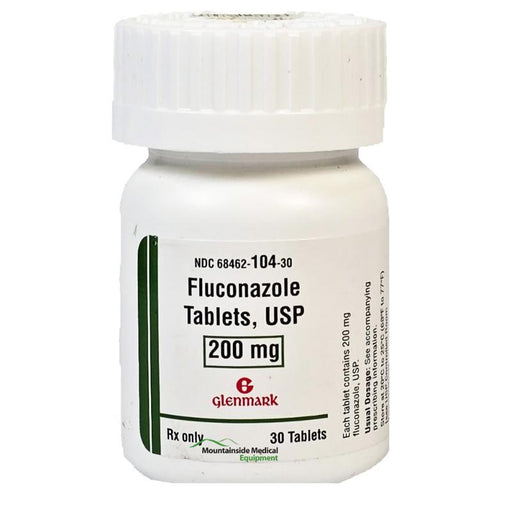
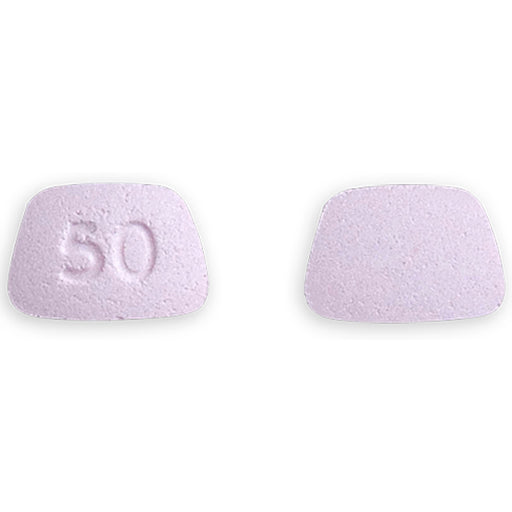
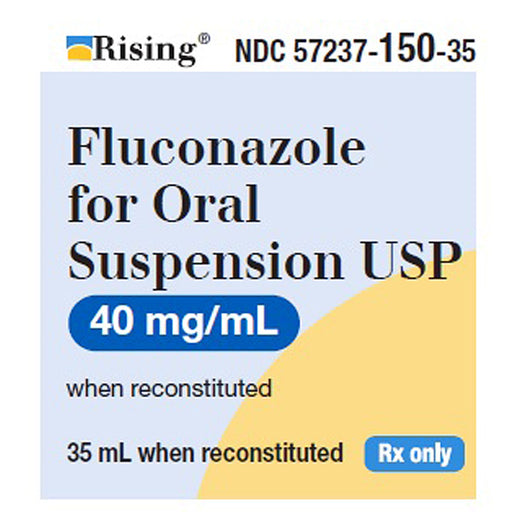
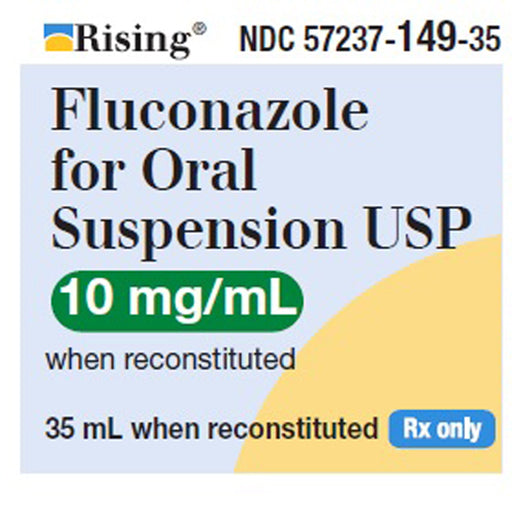
Fluconazole 150 mg Tablet
Fluconazole is an oral azole antifungal medication (brand name Diflucan, etc.) used to treat fungal (yeast) infections. It works by inhibiting fungal cell membrane synthesis (blocking 14α-demethylase). Fluconazole tablets are highly bioavailable (>90% absorbed when taken by mouth and have a long elimination half-life (~30 hours), allowing once-daily dosing.
Uses
Fluconazole covers a broad range of fungal pathogens. Its key indications include:
-
Candida (yeast) infections: Fluconazole is active against most Candida species. It is commonly used for mucosal candidiasis – for example, vaginal yeast infections (“thrush”) – where a single 150 mg tablet is often prescribed. It also treats oral or esophageal thrush.
-
Systemic candidiasis: In immunocompetent patients, it can treat bloodstream, urinary, or other Candida infections. (Higher doses or IV administration may be used for serious systemic disease.)
-
Cryptococcal meningitis: Fluconazole (usually as an adjunct to amphotericin or as maintenance) is a treatment option for Cryptococcus infections of the brain.
-
Other fungal infections: It covers certain endemic fungi (e.g. Histoplasma, Blastomyces, Coccidioides), and some dermatophyte (skin/hair) fungi and Malassezia (tinea versicolor). For example, it is sometimes used for widespread ringworm or chronic skin infections when topical therapy is impractical.
-
Prophylaxis: Fluconazole is used to prevent Candida infections in high-risk patients (e.g. neutropenic chemotherapy patients, transplant recipients).
In summary, fluconazole 150 mg tablets are primarily used to treat yeast infections such as vaginal candidiasis, oral thrush, and certain systemic fungal infections.
Administration and Dosage
The 150 mg tablet is taken by mouth (with or without food). Because fluconazole is well absorbed and has a long half-life, it is usually dosed once daily. For a simple example: vaginal yeast infections are typically treated with one 150 mg dose. Other indications require different regimens (for instance, thrush or systemic infections often require 100–400 mg daily for 1–2 weeks or longer, as determined by the condition). After ingestion, peak blood levels occur in 1–2 hours, and drug is distributed widely (including to the cerebrospinal fluid). Fluconazole is primarily excreted unchanged by the kidneys (≈60–80% in urine; dosage should be reduced in significant renal impairment.
Side Effects and Precautions
Fluconazole is generally well tolerated. Common side effects include gastrointestinal upset (nausea, vomiting, diarrhea), headache, and skin rash. It often causes reversible elevation of liver enzymes, so liver function should be monitored with prolonged use. Serious adverse effects are rare but can occur: notable risks include hepatotoxicity (liver damage) and cardiac arrhythmias (QT prolongation). Patients should seek medical attention for symptoms like jaundice or chest pain.
Fluconazole can interact with many drugs because it inhibits human cytochrome P450 enzymes (especially CYP2C19 and CYP3A4). This can increase levels of other medications (e.g. warfarin, some statins, benzodiazepines, certain antiarrhythmics). Patients and prescribers must review all concurrent medications for potential interactions..
In pregnancy, high-dose or long-term use of fluconazole has been associated with fetal harm, so it is used with caution; a single 150 mg dose (for vaginal yeast) is generally considered low risk but should still be used only if clearly needed. Fluconazole is excreted in breast milk, so breastfeeding women should consult their doctor before use.
Fluconazole 150 mg tablets are prescription-only. They are available as generic fluconazole or under brand names (e.g. Diflucan). Fluconazole is on the WHO Essential Medicines list due to its importance.
Dosage and Administration
- Vaginal yeast infection (uncomplicated): Adults: 1 tablet (150 mg) as a single dose.
- Other candidiasis/fungal infections: Dosage may vary (typically 100-400 mg daily), duration and dosage per your doctor’s instructions.
- Pediatric use (off-label/rare): Dose adjusted by body weight and infection type – physician guidance required.
- Repeat doses (as instructed for complicated/recurrent infections).
Always consult your physician or pharmacist before starting any medication.
Side Effects
Common Side Effects:
- Headache, nausea, abdominal pain, diarrhea, rash, dizziness
Less Common/Rare:
- Liver dysfunction: yellowing of skin/eyes, dark urine
- Severe rash or hypersensitivity
- QT prolongation (abnormal heart rhythm)
- Anaphylactic reactions (rare but serious)
If you experience any severe side effects or allergic reactions, seek immediate medical attention.
 Skip to content