 Skip to content





Filters
- Ace (1)
- Ace Bandage (1)
- Ace Wrap (1)
- Antimicrobial (1)
- Clasp (1)
- Clip (1)
- Closure (1)
- Cover Bandage (1)
- ace (1)
- Ace bandage (1)
- ace wraps (1)
- bandage roll (1)
- bandages (1)
- Cohesive bandage (1)
- compression bandage (1)
- cover bandage (1)
- elastic (1)
- gauze bandage (1)
- roll bandage (1)
- Secure Bandage (1)
- trauma bandage (1)
Filters
- Ace (1)
- Ace Bandage (1)
- Ace Wrap (1)
- Antimicrobial (1)
- Clasp (1)
- Clip (1)
- Closure (1)
- Cover Bandage (1)
- ace (1)
- Ace bandage (1)
- ace wraps (1)
- bandage roll (1)
- bandages (1)
- Cohesive bandage (1)
- compression bandage (1)
- cover bandage (1)
- elastic (1)
- gauze bandage (1)
- roll bandage (1)
- Secure Bandage (1)
- trauma bandage (1)
Gauze Rolls and Gauze Bandages for cover bandage
-
 Sale
Sale
-
 Sale
Sale

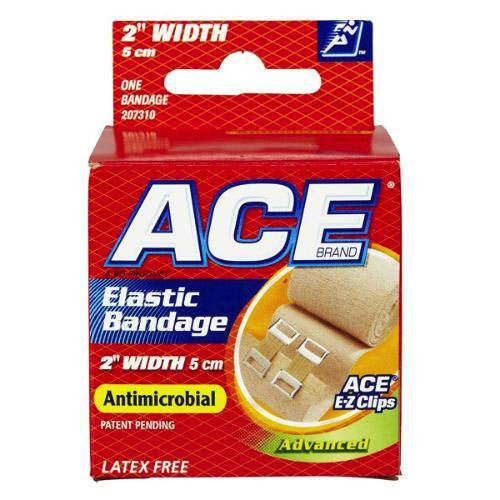
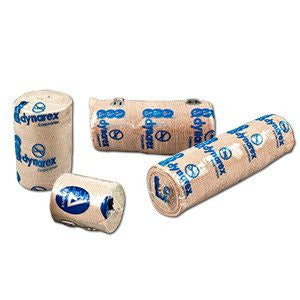
Elastic Wrap Bandage with Metal Secure Clip (Ace Wrap)
4.3 (13) 4.3 out of 5 stars, 13 reviews$ 0.44


People Also Searched For
Gauze Rolls and Gauze Bandages
Gauze rolls (also called rolled gauze or gauze bandages) are long strips of woven cotton used for wrapping and covering wounds. They can be sterile (individually wrapped for medical use) or non-sterile (bulk, for general first aid). Gauze rolls come in various widths (typically 1″–6″) and lengths (often 3–10 yards or meters). They may be flat-woven (rigid cotton) or knitted elastic (stretchy), and some are impregnated (e.g. with ointment or antiseptic).
Types:
- Plain cotton gauze rolls: Non-elastic, breathable wraps used for dressing wounds and securing pads.
- Elastic gauze (conforming) bandages: Stretchy cotton or cotton-blend rolls (like Ace wraps) that conform tightly and provide light compression/support.
- Self-adhering (cohesive) gauze rolls: Gauze with latex or synthetic that sticks to itself for easy wrapping without tape.
- Medicated or non-adherent rolls: Gauze treated with substances (antibiotics, petroleum jelly, etc.) to protect wounds and avoid sticking.
Sizes: Common widths are 2″, 3″, 4″, and 6″ (5–15 cm). Lengths typically range from about 4 to 10 yards (4–9 m) per roll, with “bulk” rolls up to 30+ yards for medical supply use. Choose narrow rolls for small areas (fingers, toes) and wide rolls for larger limbs or torso coverage.
Uses: Gauze rolls are very versatile in wound care and first aid:
- Securing dressings: They wrap over gauze pads or other primary dressings to hold them in place on a limb or body part (e.g. wrapping around an arm over a sterile pad on a cut).
- Compression/support: Elastic gauze rolls can provide compression (to reduce bleeding/swelling) and support sprains or strains (e.g. wrapping an ankle or wrist).
- Covering wounds: For minor cuts or abrasions, layered gauze roll itself can act as a dressing pad when wrapped with tape.
- Splinting/immobilizing: Gauze rolls can help secure splints or injured parts by wrapping them snugly (e.g. bundling fingers after a fracture).
- Padding/protecting: When under a plaster cast or rigid dressing, gauze roll provides padding to prevent pressure sores.
- First aid/general: Clean and cover minor burns, blisters or scrapes; keep wound cleaning materials (like saline) in contact with a wound; absorb excessive discharge when layered.
Application Techniques:
- Spiral wrap: Unroll the gauze around a limb in overlapping turns (each turn covers ~1/2 of the last) to evenly cover an area. Good for uniform coverage of arms, legs, or collars.
- Figure-of-eight wrap: For joints (ankle, knee, wrist), wrap the bandage in a figure-8 pattern: around one side of the joint, then crossing over and around the other side, alternating layers. This helps secure dressings over joints or give joint support.
- Circular anchoring: Start with a few circular turns around the limb to anchor the bandage, then proceed with spiral or figure-8 wraps.
- Tubular bandage: Some gauze rolls are tubular (no beginning/ending edge) and simply slide over fingers or toes to provide uniform coverage.
Always apply snugly but not so tight that circulation is cut off. Wrap from distal (farthest from heart) to proximal (toward heart) to encourage venous return. Secure the end with medical tape, clips, or by tucking it under the wrap.
Summary: Gauze roll bandages are essential wrapping materials in medical and first-aid kits. They are used to hold dressings in place, apply compression, protect injuries, and provide padding. With a few common wrapping techniques (spiral, figure-8, etc.), they adapt to different body parts and wound situations. Always use sterile gauze rolls for open wounds or post-surgical sites, and non-sterile for routine covering or padding.