 Skip to content












Hydrocolloid Dressings for Duoderm Dressings 6x6 by Convatec
-
 Sale 34%
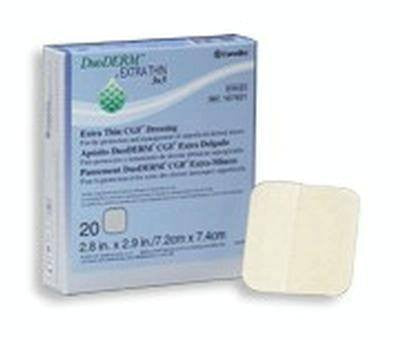
Duoderm Dressings CGF 6" x 6" Hydrocolloid Dressing with Foam Backing 5/Box
34% OFFOriginal price $ 159.95Current price $ 105.00

Hydrocolloid Dressings
Hydrocolloid dressings are advanced wound care products used primarily to promote the healing of various types of wounds through the creation of a moist healing environment. They consist of a flexible, self-adhesive layer containing gel-forming agents (such as carboxymethylcellulose, gelatin, or pectin) laminated onto a waterproof, vapor-permeable outer film or backing.
Purpose
- Create a Moist Healing Environment: Accelerate wound closure by locking in natural moisture and promoting autolytic debridement.
- Protect from Infection: Form a waterproof barrier against bacteria, viruses, and contaminants.
- Reduce Pain & Trauma: Cushion wounds and minimize pain during movement or dressing changes.
- Minimize Scarring: Support optimal tissue regeneration and scar reduction.
Uses
- Pressure Ulcers (Stage I–II) & Bedsores
- Diabetic Foot Ulcers
- Post-Surgical Wound Healing
- First and Second-Degree Burns
- Blisters, Skin Tears, Minor Cuts & Abrasions
- Donor and Graft Sites
- Venous Leg Ulcers
- Wound Debridement (Autolytic)
- Prevention of Dressing-Related Trauma & Maceration
Uses of Hydrocolloid Dressings
1. Pressure Ulcers (Decubitus Ulcers)
- Widely used for the management of stage I–II pressure injuries, and sometimes for shallow stage III ulcers, due to their cushioning effect and ability to maintain a moist wound environment that promotes autolytic debridement.
2. Venous and Arterial Leg Ulcers
- Applied to superficial, non-infected ulcers to support granulation and re-epithelialization.
3. Minor Burns and Abrasions
- Suitable for partial-thickness burns and superficial wounds or donor sites, as they maintain a protective barrier and facilitate healing.
4. Surgical and Traumatic Wounds
- Used on clean, non-infected post-surgical wounds, skin tears, or abrasions to enhance epithelialization and reduce pain by covering exposed nerve endings and minimizing external irritation.
5. Autolytic Debridement
- Their occlusive and moist environment assists the body’s natural mechanisms in breaking down and removing necrotic tissue without causing trauma to healthy tissue.
Limitations and Contraindications
- Not suitable for heavily exuding, infected, or deep cavity wounds.
- Not recommended for wounds with exposed muscle, bone, or tendon.
- Can occasionally lead to maceration of surrounding healthy skin if not used appropriately.
- Should not be used in patients with known sensitivity to dressing components.
Types & Popular Brands
Types:
- Standard Hydrocolloid Dressings: Self-adhesive sheets or pads; available in various shapes (rectangle, sacral, thin, bordered)
- Thin/Transparent Hydrocolloid Sheets: Discreet coverage for smaller, low-exudate wounds.
- Hydrocolloid Powder or Paste: For irregular, tunneled, or cavity wounds.
- Hydrocolloid Foam Combinations: Added absorption for moderate-to-heavy exudate.
- Specialty Shapes: Heel, sacrum, elbow, strip dressings for anatomical fit.
Popular Brands:
- DuoDERM® (ConvaTec)
- Comfeel® Plus (Coloplast)
- Tegaderm® Hydrocolloid (3M)
- Hydrocoll® (Hartmann)
- Cutimed® Hydro (BSN Medical)
- Restore® Hydrocolloid (Hollister)
- CovaWound® Hydrocolloid
- Medline Optifoam® Hydrocolloid
- Smith & Nephew Replicare®
- Systagenix Nu-Derm®
- Curad® Hydrocolloid Pads
- Generic pharmacy brands
Strengths
- Standard Sizes: From 2"x2", 4"x4", 6"x6", up to sacral and anatomical curves.
- Thickness: Thin (for less exudate, visibility), standard, or extra-thick/bordered for moderate drainage.
- Adhesion: Gentle, hypoallergenic, and conformable; transparent/occlusive for visual monitoring.
- Wear Time: Extended-wear—can remain in place 3–7 days depending on wound and exudate.
- Absorption: Suitable for low to moderate exudating wounds; higher absorption for combination foam types.
Precautions
- Not for Infected Wounds: Avoid use on wounds with moderate-to-heavy infection or deep cavity abscesses—see wound care provider.
- Do Not Use on Exposed Bone/Tendon: Use as directed for soft tissue wounds only.
- Allergy Alert: Rare, but skin sensitivity or allergy to adhesive is possible.
- Frequent Monitoring: Inspect for signs of infection (increased redness, odor, pus); if present, change dressing and seek care.
- Edge Sealing: Ensure full edge contact to prevent leakage and maceration.
- Lift Gently for Change: Apply skin prep if needed and change per brand instructions to minimize peri-wound trauma.
- Pediatric/Elderly Use: Gentle on sensitive skin, yet still requires appropriate monitoring and frequency of change.
- Avoid on Bleeding Wounds: Hydrocolloids are not designed for heavy bleeding.
- Follow Manufacturer’s Instructions: Duration, storage, and application protocols vary between brands and wound types.
Hydrocolloid dressings are used for the management of shallow, non-infected wounds such as pressure ulcers, leg ulcers, minor burns, and abrasions. They optimize healing by maintaining a moist, insulated, and protective environment, supporting autolytic debridement, reducing pain, and minimizing the risk of infection. Proper patient and wound assessment is essential for the safe and effective use of hydrocolloid dressings.