

Filters
- blood administration (1)
- Cannula Needles (1)
- Catheter Needles (1)
- doctor-only (24)
- drawing blood (1)
- Infusion needles (1)
- intravenous (1)
- intravenous catheters (1)
- IV cannulas (1)
- Iv Catheter (23)
- IV Catheter Cannula Needles (1)
- IV Catheter Sizes (1)
- IV medications (1)
- IV Needle (11)
- IV Therapy (2)
- Safelet (1)
- vein (1)
- bd catheter (1)
- bd insyte (1)
- bd insyte autoguard (1)
- BD Insyte IV catheter (1)
- bd iv catheter (2)
- BD Needles (1)
- bd shielded iv catheter (1)
- Intravenous catheter (3)
- iv cannula (2)
- IV Catheter Needle (21)
- 383511 (1)
- 383532 (1)
- 383536 (1)
- 383539 (1)
- bd iv cannula (1)
- bd medical (1)
- BD Nexiva (1)
- Closed IV Catheter (2)
- Closed IV Catheter Needle (1)
- Vialon Biomaterial (1)
- White Single Port (1)
- IV needles (1)
- PROTECTIV (1)
- Safety IV Needles (1)
- Safety Needles (1)
- ProtectIV (1)
- ProtectIV IV Catheter (1)
- ProtectIV Peripheral Safety IV Catheter with Straight Hub (1)
- 22g (2)
- 22g IV Catheter (1)
- Introcan (4)
- Introcan IV (1)
- Introcan Safety (4)
- safety IV catheter 22g (1)
- sterile IV catheter (1)
- 24 gauge (2)
- 4252500-02 (1)
- Bloodborne pathogen protection (1)
- Bloodstream infection risk reduction (1)
- Hospital medical supplies (1)
- Infection prevention in hospitals (1)
- Intravenous access (1)
- IV cannula safety (1)
- Needle stick injury prevention (1)
- Safe injection technique (1)
- Sterile vascular access device (1)
- Retracting Safety Needle (2)
- Winged Hub (5)
- 22 Gauge (3)
- Color Coded (1)
- IV access (1)
- Medical procedures (1)
- Pen Needles (1)
- Start IV (1)
- Administering Medications (1)
- Autoguard technology (1)
- Blood control (1)
- Insyte Autoguard (1)
- Intravenous Catheter (1)
- iv fluid (1)
- Peripheral IV (1)
- Protectiv (1)
- 24 Gauge 3/4 Inch (1)
- 24g needle (1)
- IV 24g (1)
- 22 g x 1 inch (1)
- 22 gauge catheter (1)
- blood draw needle (1)
- Intravenous infusion (1)
- IV infusion needle (1)
- radiopaque IV catheter (1)
- Retractable Needle (1)
- sterile catheter (1)
- 20 Gauge (1)
- 18 Gauge (1)
- Delivering medications (1)
- Prevent R (2)
- Straight Hub Needles (1)
- 16 Gauge (1)
Filters
- blood administration (1)
- Cannula Needles (1)
- Catheter Needles (1)
- doctor-only (24)
- drawing blood (1)
- Infusion needles (1)
- intravenous (1)
- intravenous catheters (1)
- IV cannulas (1)
- Iv Catheter (23)
- IV Catheter Cannula Needles (1)
- IV Catheter Sizes (1)
- IV medications (1)
- IV Needle (11)
- IV Therapy (2)
- Safelet (1)
- vein (1)
- bd catheter (1)
- bd insyte (1)
- bd insyte autoguard (1)
- BD Insyte IV catheter (1)
- bd iv catheter (2)
- BD Needles (1)
- bd shielded iv catheter (1)
- Intravenous catheter (3)
- iv cannula (2)
- IV Catheter Needle (21)
- 383511 (1)
- 383532 (1)
- 383536 (1)
- 383539 (1)
- bd iv cannula (1)
- bd medical (1)
- BD Nexiva (1)
- Closed IV Catheter (2)
- Closed IV Catheter Needle (1)
- Vialon Biomaterial (1)
- White Single Port (1)
- IV needles (1)
- PROTECTIV (1)
- Safety IV Needles (1)
- Safety Needles (1)
- ProtectIV (1)
- ProtectIV IV Catheter (1)
- ProtectIV Peripheral Safety IV Catheter with Straight Hub (1)
- 22g (2)
- 22g IV Catheter (1)
- Introcan (4)
- Introcan IV (1)
- Introcan Safety (4)
- safety IV catheter 22g (1)
- sterile IV catheter (1)
- 24 gauge (2)
- 4252500-02 (1)
- Bloodborne pathogen protection (1)
- Bloodstream infection risk reduction (1)
- Hospital medical supplies (1)
- Infection prevention in hospitals (1)
- Intravenous access (1)
- IV cannula safety (1)
- Needle stick injury prevention (1)
- Safe injection technique (1)
- Sterile vascular access device (1)
- Retracting Safety Needle (2)
- Winged Hub (5)
- 22 Gauge (3)
- Color Coded (1)
- IV access (1)
- Medical procedures (1)
- Pen Needles (1)
- Start IV (1)
- Administering Medications (1)
- Autoguard technology (1)
- Blood control (1)
- Insyte Autoguard (1)
- Intravenous Catheter (1)
- iv fluid (1)
- Peripheral IV (1)
- Protectiv (1)
- 24 Gauge 3/4 Inch (1)
- 24g needle (1)
- IV 24g (1)
- 22 g x 1 inch (1)
- 22 gauge catheter (1)
- blood draw needle (1)
- Intravenous infusion (1)
- IV infusion needle (1)
- radiopaque IV catheter (1)
- Retractable Needle (1)
- sterile catheter (1)
- 20 Gauge (1)
- 18 Gauge (1)
- Delivering medications (1)
- Prevent R (2)
- Straight Hub Needles (1)
- 16 Gauge (1)
IV Catheters & Peripheral IV Catheters for doctor-only
-
 Sale
Sale
BD Insyte Autoguard IV Catheter BC Shielded with Button Retracting Safety Needle
 $ 4.153 reviews🔒 Medical License Required
 -

 Sale 36%
BD Nexiva Closed IV Catheter Needle with Sliding Safety Shield
Original price $ 16.95Current price $ 10.801 review🔒 Medical License Required -
 Sale
Sale
-

 Sale 50%
ProtectIV Peripheral Safety IV Catheter with Straight Hub
Original price $ 5.99Current price $ 2.99🔒 Medical License Required -
 Sale 38%
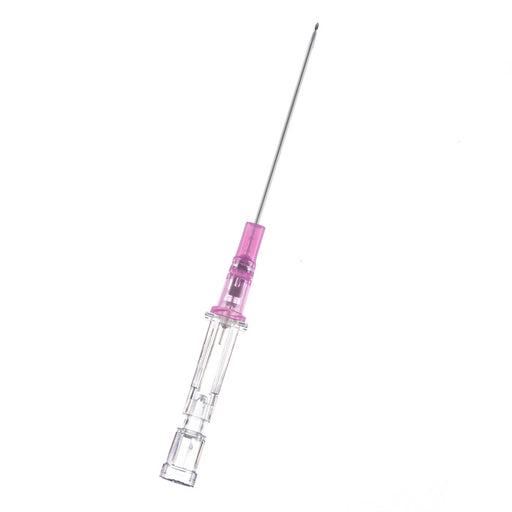
IV Catheter Needle Introcan Safety 20 g x 1 Inch Straight - B Braun
 Original price $ 5.95Current price $ 3.70🔒 Medical License Required
 -
 Sale
Sale
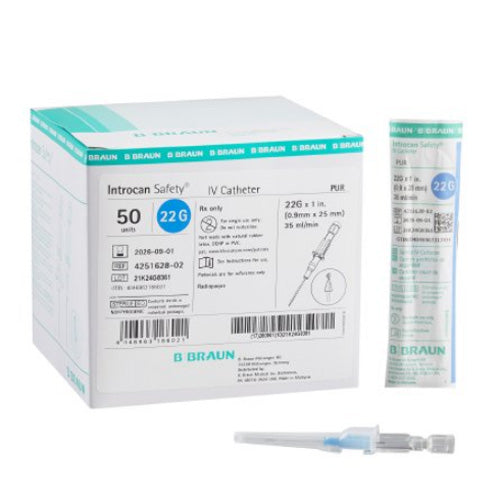
Introcan Safety IV Catheter Needles 22 gauge x 1 inch, Sterile 50/Box by B Braun
$ 165.00🔒 Medical License Required -

 Sale 34%
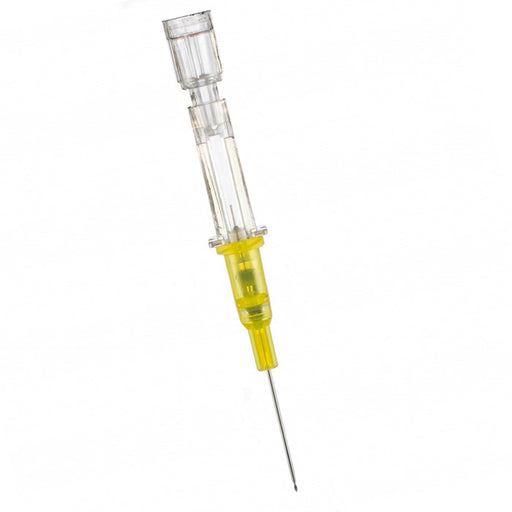
IV Catheter Needle 24 g x 0.75 Inch Introcan Safety Straight by B Braun
Original price $ 5.95Current price $ 3.95🔒 Medical License Required -

 Sale
Sale
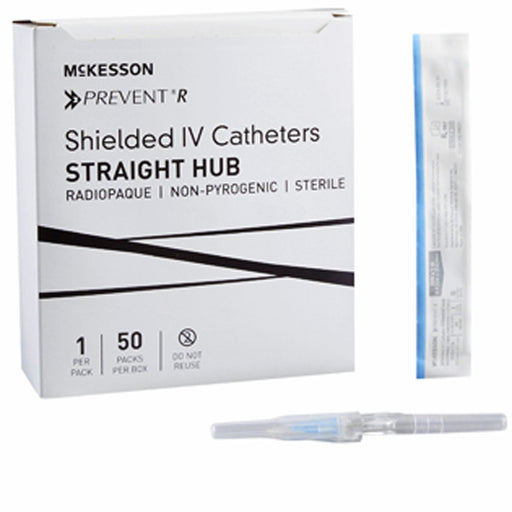
IV Catheters 22 gauge x 1" Prevent R Shielded with Button Retracting Safety Needle, 50/Box
 $ 172.001 review🔒 Medical License Required
 -
 Sale 40%
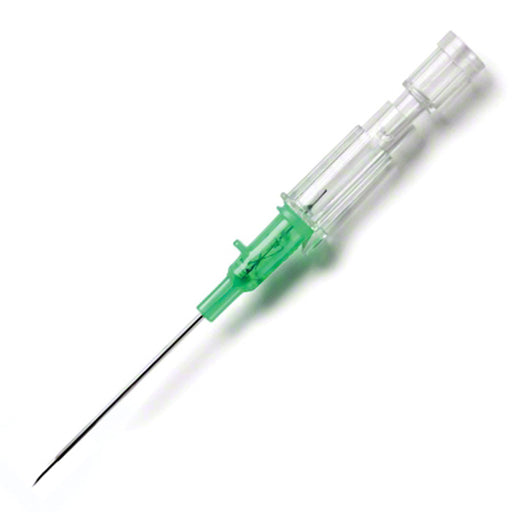
IV Catheter 18g x 1.25" Needle B Braun Introcan (Color Coded Green)
Original price $ 5.95Current price $ 3.59🔒 Medical License Required -
 Sale 51%
IV Catheter 22g x 1" Needle Size (Color Coded Blue) by Terumo EACH
Original price $ 3.95Current price $ 1.95🔒 Medical License Required -

 Sale
Sale
Peripheral IV Catheter 24 Gauge 3/4" BD Insyte Autoguard BC with Blood Control Push Button Safety
$ 4.101 review🔒 Medical License Required -
 Sale 28%
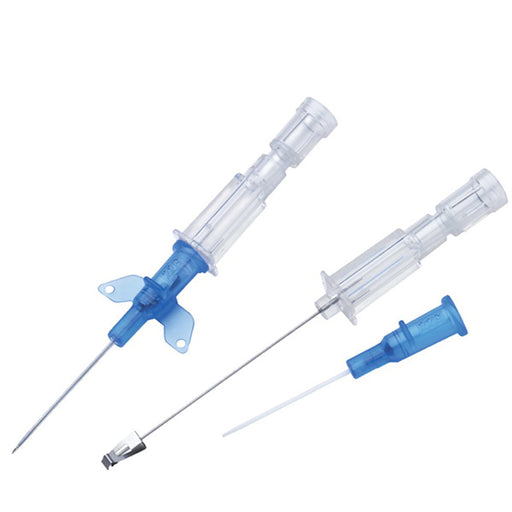
IV Catheter 24g x 0.75" B Braun Introcan with Winged Hub & Sliding Safety Needle
Original price $ 5.25Current price $ 3.79🔒 Medical License Required -

 Sale 17%
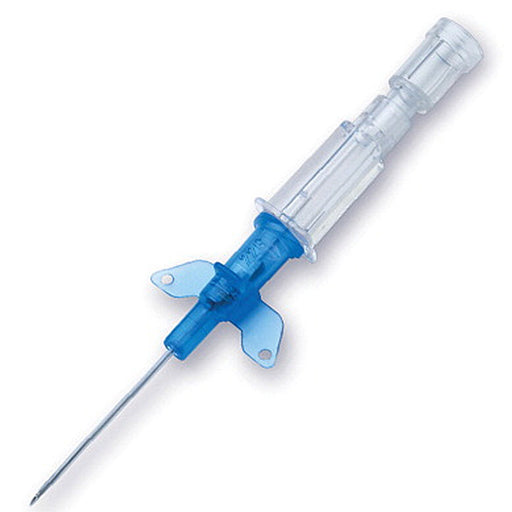
Introcan Safety Peripheral IV Catheter 22 Gauge 1 Inch Sliding Safety Needle, Winged Hub 50/Box
Original price $ 199.95Current price $ 165.00🔒 Medical License Required -
 Sale 42%
IV Catheter Needle 22 gauge x 1 inch PROTECTIV Plus, Safety Retracting Needle, Radiopaque, Sterile
Original price $ 6.89Current price $ 3.99🔒 Medical License Required -
 Sale 17%
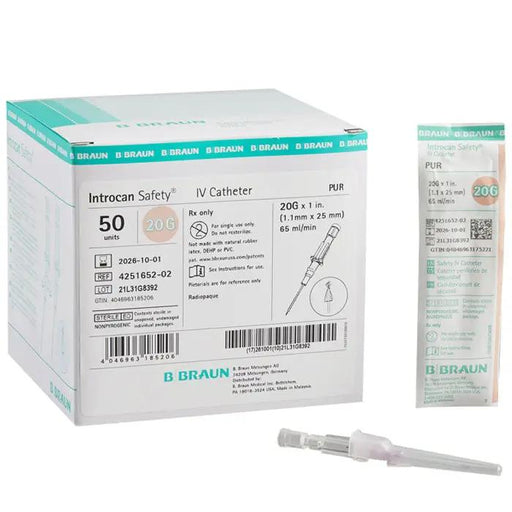
Introcan Safety Peripheral IV Catheter 20 Gauge 1 Inch Sliding Safety Needle, Straught Hub 50/Box
Original price $ 199.95Current price $ 165.001 review🔒 Medical License Required -
 Sale 26%
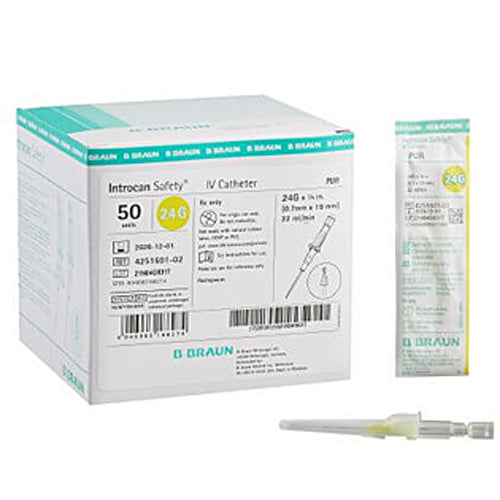
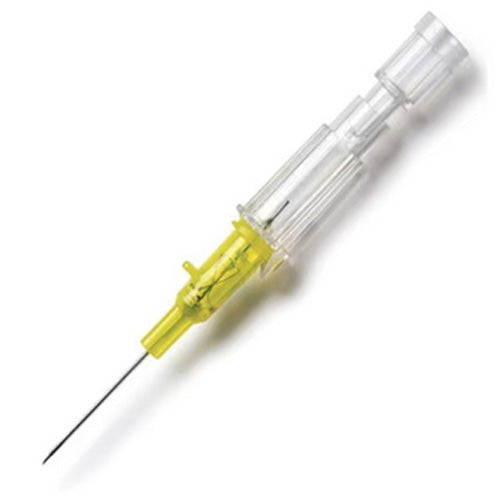
IV Catheter 24 gauge x 3/4" B Braun Introcan Safety IV Catheter Needle, Sterile 50/Box
Original price $ 229.95Current price $ 170.00🔒 Medical License Required -

 Sale 21%
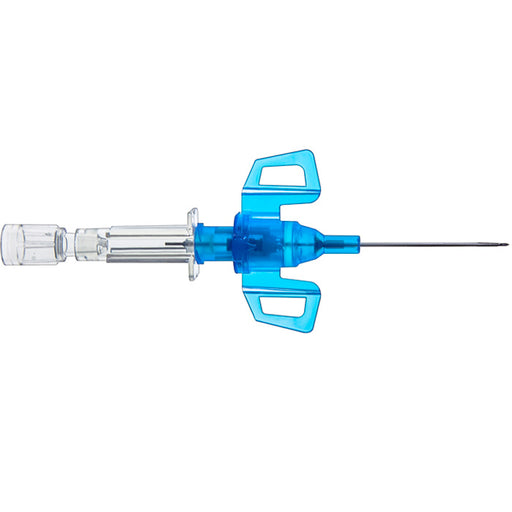
Introcan Safety 3 Closed IV Catheter 22 Gauge x 1 inch, PUR, Winged Hub 50/Box
Original price $ 239.95Current price $ 189.95🔒 Medical License Required -
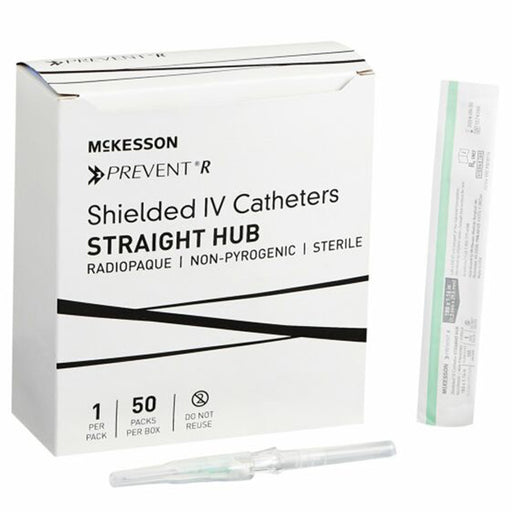 Sale 15%
IV Catheter 18 Gauge x 1.16" Prevent R Peripheral with Button Retracting Safety Needles 50/Box
Original price $ 199.95Current price $ 169.951 review🔒 Medical License Required -

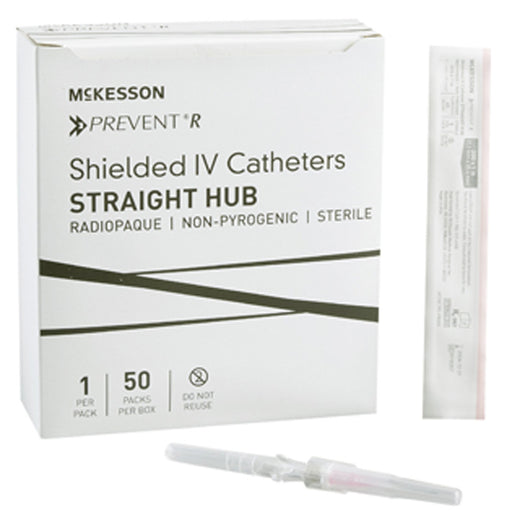 Sale
Sale
IV Catheters -Prevent R Shielded IV Catheter Needles with Button Retracting Safety Needle 20 gauge x 1", 50/Box
$ 159.00🔒 Medical License Required -

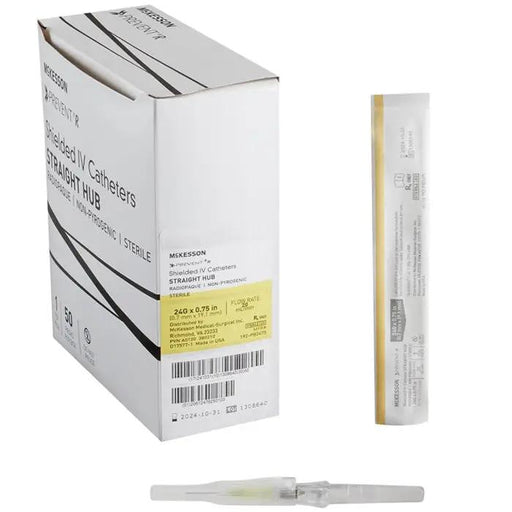 Sale
Sale
Peripheral IV Catheter 24 Gauge x 3/4" Prevent with Button Retracting Safety Needle 50/Box
$ 165.00🔒 Medical License Required -
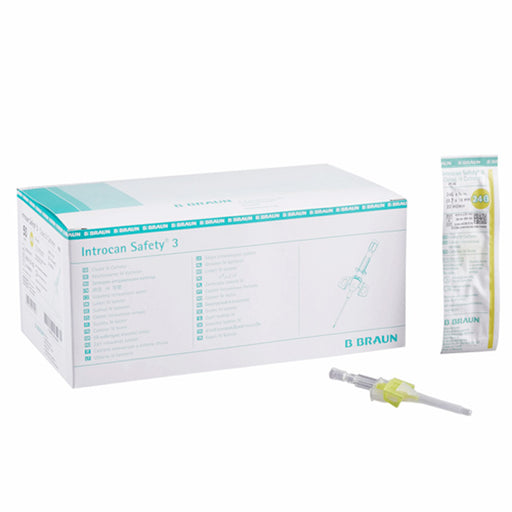 Sale 23%
IV Catheter 24 Gauge x 0.75" with Safety Needle, Introcan Safety 3 Closed 50/Box
Original price $ 259.95Current price $ 199.00🔒 Medical License Required -
 Sale 14%
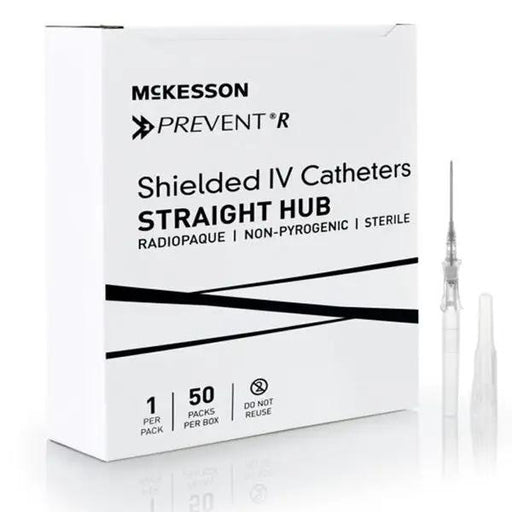
IV Catheter 16 Gauge x 1.16" Prevent R Peripheral with Button Retracting Safety Needle 50/Box
Original price $ 450.00Current price $ 389.00🔒 Medical License Required


People Also Searched For
IV Catheter Needles
Peripheral IV catheters (a.k.a. angiocaths or cannulas) are sterile needle/catheter assemblies used to infuse fluids or medications into veins. The device consists of a hollow steel needle inside a soft plastic catheter. During insertion a blood flashback is seen in the needle’s chamber; then the needle is withdrawn, leaving only the flexible catheter in the vein. All devices include a beveled needle and flashback chamber to confirm venipuncture, plus a Luer-lock hub for tubing. Catheters may be “shielded” (sheathed after use) or “winged” (butterfly needles with plastic wings and attached tubing) for secure handling. Modern IV catheters often have safety features (needle‐sheathing mechanisms) to prevent needlestick injury.
Uses of IV Catheters include:
- Fluid and Medication Infusion: They allow safe delivery of intravenous fluids (like saline or glucose), medications (antibiotics, pain relievers, chemotherapy, etc.), blood products, or nutrients directly into the circulatory system.
- Blood Sampling or Transfusion: IV catheters can be used to draw blood for testing without repeated needle pokes, or to infuse donated blood or plasma.
- Emergency and ICU Use: In emergencies, IV catheters enable rapid infusion of life-saving fluids or drugs (e.g., during shock or major surgery). Central IV catheters (longer lines placed in large chest or neck veins) are used for intensive care or long-term intravenous therapy.
- Sites of Insertion: Most IV catheters are placed in peripheral veins of the arm, hand, or leg. For long-term needs, special catheters (like PICC lines or central venous catheters) may be threaded into larger veins in the chest or neck.
- Professional Insertion: IV catheter placement must be done using sterile technique by trained medical staff. A small needle inside the catheter helps insert it into the vein; after placement, the needle is removed, and only the soft plastic catheter remains in the vein. The catheter is then secured to the skin and connected to IV tubing and a fluid source (like an IV bag) for the prescribed infusion.
In summary, an IV catheter is the essential tubing that provides a direct, reliable pathway into a vein. It is the first component of any IV infusion setup, allowing ongoing delivery of fluids or drugs into the bloodstream under medical supervision.
Types of IV Catheters and Devices
- Standard peripheral IV (angiocatheter): The most common. A short (typically 1–1¼ inch) steel needle mounted inside a pliable plastic cannula. After puncturing a vein at ~10–30° (bevel up), the cannula is threaded off the needle, which is then removed. The remaining catheter has a Luer-lock fitting and is secured with a transparent dressing. Variations include plain straight catheters or ones with stabilizing wings or attached extension tubing.
- Winged (“butterfly”) needles: These have 1–1.5 inch needles with flexible plastic wings and short tubing. They are colored by gauge and used for short-term infusions or blood draws. They are not usually left in place long-term (often replaced by a standard catheter if extended IV access is needed).
- Safety IV catheters: Many catheters now have built-in needle‐retraction or locking features. After threading the catheter, the needle is automatically shielded or retracted to reduce accidental sticks. Regardless, all used needles must go into a sharps container.
Gauges, Sizes and Color-Coding
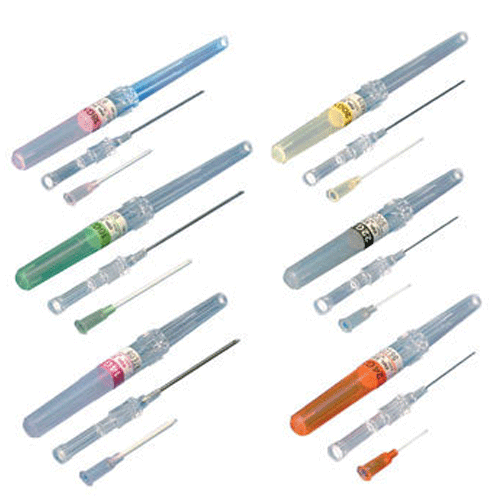
IV catheter sizes are given in gauge (G) – a smaller gauge number means a larger bore. Common peripheral gauges include 14G (very large), 16G, 18G, 20G, 22G, 24G, and 26G (very small). Typical adult therapy uses 18–20G, whereas large-bore (14–16G) catheters are reserved for massive transfusions or high-flow fluids. Tiny 22–24G catheters go into smaller veins (elderly or pediatric patients). Each gauge has a standard hub color for quick ID: for example, green hubs are 18G, pink are 20G, blue are 22G, yellow 24G, purple 26G (and orange 14G, gray 16G). This helps staff verify correct size at a glance. (Again, lower gauge = larger needle and higher flow.)
Common Gauge Examples:
- 14G (orange hub): Very large bore, used for trauma/blood.
- 16G (gray): Large trauma/OR lines.
- 18G (green): High-flow fluids, blood products.
- 20G (pink): Routine adult IV fluids/meds.
- 22G (blue): Small adult or child IV, or elderly frail veins.
- 24G (yellow): Pediatric or very small, fragile veins.
- 26G (purple): Rarely used for IV (more for injections)
Popular Brands and Types
Leading Brands:
- BD (Becton Dickinson) Insyte™ Autoguard™
- AngioDynamics Deltaven®
- Smiths Medical Jelco® IV Catheters
- B. Braun Introcan Safety®
- Terumo SurFlash™
- Vygon
- Medline Venflon™
- Cardinal Health SecureStick™
Sizes (Gauge/Length Options)
-
Gauge Colours (international standard for fast identification):
- 14G (orange): Large bore, trauma/resuscitation (1.5–2 inches)
- 16G (grey): Major surgery/rapid volume (1–2 inches)
- 18G (green): Blood transfusion, fluids, surgery (1–1.25 inches)
- 20G (pink): Medications, routine fluids (1–1.25 inches)
- 22G (blue): Elderly, children, routine meds (0.75–1 inch)
- 24G (yellow): Neonate/pediatric, sensitive veins (0.75 inch)
- Lengths usually range from 0.75 to 2 inches, depending on vein depth and application.
Insertion Technique (Step-by-Step)
Preparation: Perform hand hygiene and don clean gloves. Confirm the provider’s order and patient ID; review any allergies (e.g. to dressings or antiseptics). Assemble equipment: the IV catheter of appropriate gauge, a tourniquet, alcohol/chlorhexidine swabs, gauze/tape or transparent dressing, and a syringe of saline for flush. Prime (flush) the extension tubing or IV lock connector if in kit.
-
Select a Vein: Apply a tourniquet ~4–6 inches above the intended site (arm or hand). Ask the patient to make a fist. Palpate firmly to “roll out” a straight, well-filled vein (e.g. on the forearm or hand). If needed, lower the arm or apply warm compress to distend veins. The MSD Manual advises: “Apply a tourniquet… have the patient make a fist, and palpate… large-diameter vein that is nonmobile and has good turgor”. Release the fist and tourniquet while preparing to insert.
-
Clean the Site: Wipe the insertion site with 70% alcohol or chlorhexidine (avoid touching it again). Let the antiseptic fully dry. This reduces infection risk.
-
Needle Insertion: Remove the cap from the catheter’s needle. With your non-dominant hand, anchor the vein by stretching the skin taut just distal to the insertion point. Hold the catheter bevel-up between thumb and fingers. Pierce the skin at a shallow 10–30° angle aiming along the vein. Advance until you see blood in the needle’s flashback chamber. This confirms entry into the vein lumen.
-
Advance the Catheter: Once flashback is seen, lower the needle angle nearly parallel to the skin and advance a few millimeters. Then, shove the plastic catheter (not the needle) forward into the vein until its hub rests against the skin. Hold the catheter hub and withdraw the needle completely. (Some techniques push catheter then peel back needle.) Immediately release the tourniquet and apply gentle pressure just above the site (to prevent blood from squirting).
-
Secure and Flush: Quickly attach the extension tubing or saline lock, tape it in place, and aspirate gently for blood return. Flush with about 2–5 mL normal saline to check patency (no resistance, no swelling). The catheter should flush easily and blood (if withdrawn) should flow freely. Apply a sterile transparent dressing (e.g. Tegaderm) over the site, securing the hub and any extension tubing to avoid kinking. Tag the dressing with date/time and catheter size if required.
-
Operator Tips: Use a steady, one-handed technique: once the vein is cannulated, advance the catheter smoothly without significant torque. Never reuse a needle or reinsert it into the catheter. If the flashback fails, withdraw entirely and try a new site/needle (multiple attempts should be minimal). After placement, label the IV dressing per facility policy. Finally, dispose of the used needle immediately into a sharps container.
Safety and Monitoring: Always use aseptic technique. Monitor the site for infiltration (swelling/bleeding), phlebitis (redness, pain), or occlusion. If any complication arises, consult a practitioner before further infusion. According to guidelines, peripheral catheters are usually replaced every 72–96 hours or per protocol to lower infection risk
Precautions
- Strict Aseptic Technique: Required for insertion/removal to prevent bloodstream infection and phlebitis.
- Monitor IV Site: Inspect regularly for redness, swelling, pain, infiltration, or infection—stop use if issues arise.
- Secure Properly: Use approved dressings/tapes/securement devices to prevent dislodgement or kinking.
- Single Use Only: All IV catheter needles are single-use for infection prevention—never reuse or share between patients.
- Needlestick Safety: Use safety-engineered devices to minimise healthcare worker exposure; never recap.
- Correct Sizing: Select the smallest gauge needed for therapy to minimise patient discomfort and vein trauma.
- Remove Promptly: Discontinue as soon as no longer medically necessary to prevent catheter-related complications.
Depend on FDA-approved IV Catheter Needles for safe, accurate, and comfortable venous access—trusted by hospitals, infusion clinics, ERs, and home care teams. Choose top brands like BD, Jelco, Braun, Vygon, and more in a full range of gauge sizes for every patient and every therapy. Shop the best IV catheters online for critical care, emergency medicine, pediatric infusion, and daily hospital supply!