Skip to content
New users? Get 5% off on your first purchase.
Free US shipping over $100
New users? Get 5% off on your first purchase.
Free US shipping over $100

Added to your cart:

Cart subtotal

Lidocaine Ointment to Laser Hair Removal

Lidocaine Ointment

Lidocaine ointment is a topical anesthetic – a semisolid medication (ointment) applied to the skin or mucous membranes to numb the area. It typically contains lidocaine (often 5% strength) as the active ingredient. Lidocaine is an amide-type local anesthetic that stabilizes nerve cell membranes and blocks nerve signals, producing loss of sensation in the applied area. In practice the ointment quickly begins to take effect (usually within a few minutes) and provides temporary numbing of pain or itch. By design it is for external use only; for example, product labels warn “DO NOT USE IN THE EYES”

Uses

Lidocaine ointment is used to relieve pain, itching, or discomfort in small, localized areas. Common applications include:

  • Minor skin injuries and irritations: It numbs minor burns (such as sunburn), cuts, scrapes, insect bites, and rashes (e.g. eczema) to relieve pain and itching.
  • Itching and inflammation: It can soothe itchy skin conditions or dermatitis by numbing the irritated area.
  • Oral or mucosal lesions: Certain lidocaine formulations (ointments, gels or pastes) are used for mouth and throat – for example, to numb canker sores or dental work sites. Some lidocaine ointments are also approved to anesthetize the oropharynx (throat) or gums before procedures.
  • Anal/hemorrhoidal discomfort: Lidocaine is an ingredient in hemorrhoid creams and suppositories to numb anal pain and itching. (For example, preparation-H products contain 5% lidocaine to relieve hemorrhoid symptoms.
  • Nerve-related pain: In medicine, lidocaine can be used for nerve pain. Some products (like patches or creams) containing lidocaine are used to ease post-shingles (postherpetic) neuralgia (Note: lidocaine ointment itself is mostly for surface pain, but related lidocaine preparations treat nerve pain.)
  • Anaesthetic lubricant: Lidocaine ointment may be used by clinicians as a lubricant/anesthetic during certain procedures (for example, to numb the throat for intubation or catheter placement).

Each application of lidocaine ointment numbs the nearby nerves in the treated area, reducing the sensation of pain, burning or itching. It provides temporary relief but does not treat underlying infections or serious injuries.

Uses

  • Relief from Minor Burns, Abrasions, and Sunburn
  • Pre-procedure Numbing: Sutures, injections, laser treatments, tattoo application/removal, piercing
  • Dental Pain Relief: Mouth sores, canker sores, gum irritation, pre-extraction, or cleaning
  • Hemorrhoid, Rectal, and Anal Discomfort: OTC and Rx ointments for anorectal pain
  • Postherpetic Neuralgia & Nerve Pain: For shingles pain and neuropathy
  • Insect Bites & Stings: Rapidly soothes itching and pain
  • Tattoo & Cosmetic Care: Numbs for pain-free application or removal
  • Ear Aches, Nasal Procedures: Local anesthesia before minor ENT procedures

Types & Popular Brands

Types:

  • Lidocaine Ointment: 5% Rx strength (most common), 4% and lower dosages for OTC
  • Combination Ointments: Lidocaine with hydrocortisone, pramoxine, or antiseptics for added relief
  • Specialized Ointments: For oral (dental), anorectal, or pediatric use
  • Petroleum or Water-Based Ointment Carriers
  • Sprays, Creams, Gels, and Patches (see related topical lidocaine products for complete options)

Popular Brands:

  • Lidoderm® (Rx patch, also available as ointment)
  • LMX5® (cream and ointment)
  • RectiCare® (anorectal)
  • Topicaine® (tattoo/cosmetic)
  • Hurricaine® (dental gel)
  • Solarcaine®, Americaine® (burn and skin)
  • Aspercreme® Lidocaine (cream/ointment)
  • Taro®, Perrigo®, Fougera® (Rx generics)

Strengths

  • Standard Lidocaine Ointment: 5% (Rx strength, 50mg/g)—Rx only
  • OTC Lidocaine: 2%, 4% (for minor burns, sunburn, insect bites, oral care)
  • Pack Sizes: Tubes of 28g, 30g, 35g, 50g, 60g, and single-use packets.
  • Pediatric/Adult Doses: Adjust based on application area, age, medical advice.

Side Effects and Overdose

Most people tolerate lidocaine ointment well, but possible side effects include:

  • Localized reactions: Commonly the treated skin may become slightly red, swollen, itchy or irritated These local effects usually fade on their own.
  • Systemic toxicity (rare): Because lidocaine can be absorbed into the bloodstream, very large doses or use over wide/broken skin can cause systemic effects. Symptoms of severe lidocaine toxicity include dizziness, ringing in the ears, blurred vision, confusion, tremors or seizures, and breathing difficulty. A particularly serious condition is methemoglobinemia (abnormal blood oxygen-carrying), which can cause bluish skin, headache, fatigue and rapid heart rate. These effects are rare but require immediate medical attention.
  • Allergic reactions: In rare cases, an allergy to lidocaine can cause hives, rash, swelling (especially of the face/tongue), or breathing problems. Discontinue use and seek emergency care if any signs of an allergic reaction occur.

Overdose/Emergency: If someone accidentally uses too much lidocaine ointment, or if signs of overdose appear (extreme drowsiness, seizures, irregular heartbeat, difficulty breathing, etc. get medical help immediately. Do not induce vomiting. You can call your local poison control center or emergency medical services if overdose is suspected.

In summary, lidocaine ointment is a topical numbing medication: it temporarily relieves pain, itching or burning by anesthetizing the applied area. It should be used exactly as directed to avoid side effects. For example, use only on small affected areas and only in the amount prescribed. Properly used, it is an effective way to dull minor pain from skin irritations or mucosal lesions. Always store it safely out of reach of children and consult a healthcare provider with any concerns.

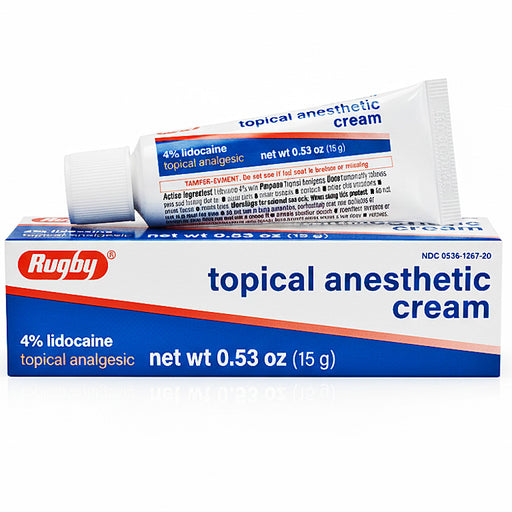
Lidocaine Ointment

Lidocaine ointment is a topical anesthetic – a semisolid medication (ointment) applied to the skin or mucous membranes to numb the area. It typically contains lidocaine (often 5% strength) as the active ingredient. Lidocaine is an amide-type local anesthetic that stabilizes nerve cell membranes and blocks nerve signals, producing loss of sensation in the applied area. In practice the ointment quickly begins to take effect (usually within a few minutes) and provides temporary numbing of pain or itch. By design it is for external use only; for example, product labels warn “DO NOT USE IN THE EYES”

Uses

Lidocaine ointment is used to relieve pain, itching, or discomfort in small, localized areas. Common applications include:

  • Minor skin injuries and irritations: It numbs minor burns (such as sunburn), cuts, scrapes, insect bites, and rashes (e.g. eczema) to relieve pain and itching.
  • Itching and inflammation: It can soothe itchy skin conditions or dermatitis by numbing the irritated area.
  • Oral or mucosal lesions: Certain lidocaine formulations (ointments, gels or pastes) are used for mouth and throat – for example, to numb canker sores or dental work sites. Some lidocaine ointments are also approved to anesthetize the oropharynx (throat) or gums before procedures.
  • Anal/hemorrhoidal discomfort: Lidocaine is an ingredient in hemorrhoid creams and suppositories to numb anal pain and itching. (For example, preparation-H products contain 5% lidocaine to relieve hemorrhoid symptoms.
  • Nerve-related pain: In medicine, lidocaine can be used for nerve pain. Some products (like patches or creams) containing lidocaine are used to ease post-shingles (postherpetic) neuralgia (Note: lidocaine ointment itself is mostly for surface pain, but related lidocaine preparations treat nerve pain.)
  • Anaesthetic lubricant: Lidocaine ointment may be used by clinicians as a lubricant/anesthetic during certain procedures (for example, to numb the throat for intubation or catheter placement).

Each application of lidocaine ointment numbs the nearby nerves in the treated area, reducing the sensation of pain, burning or itching. It provides temporary relief but does not treat underlying infections or serious injuries.

Uses

  • Relief from Minor Burns, Abrasions, and Sunburn
  • Pre-procedure Numbing: Sutures, injections, laser treatments, tattoo application/removal, piercing
  • Dental Pain Relief: Mouth sores, canker sores, gum irritation, pre-extraction, or cleaning
  • Hemorrhoid, Rectal, and Anal Discomfort: OTC and Rx ointments for anorectal pain
  • Postherpetic Neuralgia & Nerve Pain: For shingles pain and neuropathy
  • Insect Bites & Stings: Rapidly soothes itching and pain
  • Tattoo & Cosmetic Care: Numbs for pain-free application or removal
  • Ear Aches, Nasal Procedures: Local anesthesia before minor ENT procedures

Types & Popular Brands

Types:

  • Lidocaine Ointment: 5% Rx strength (most common), 4% and lower dosages for OTC
  • Combination Ointments: Lidocaine with hydrocortisone, pramoxine, or antiseptics for added relief
  • Specialized Ointments: For oral (dental), anorectal, or pediatric use
  • Petroleum or Water-Based Ointment Carriers
  • Sprays, Creams, Gels, and Patches (see related topical lidocaine products for complete options)

Popular Brands:

  • Lidoderm® (Rx patch, also available as ointment)
  • LMX5® (cream and ointment)
  • RectiCare® (anorectal)
  • Topicaine® (tattoo/cosmetic)
  • Hurricaine® (dental gel)
  • Solarcaine®, Americaine® (burn and skin)
  • Aspercreme® Lidocaine (cream/ointment)
  • Taro®, Perrigo®, Fougera® (Rx generics)

Strengths

  • Standard Lidocaine Ointment: 5% (Rx strength, 50mg/g)—Rx only
  • OTC Lidocaine: 2%, 4% (for minor burns, sunburn, insect bites, oral care)
  • Pack Sizes: Tubes of 28g, 30g, 35g, 50g, 60g, and single-use packets.
  • Pediatric/Adult Doses: Adjust based on application area, age, medical advice.

Side Effects and Overdose

Most people tolerate lidocaine ointment well, but possible side effects include:

  • Localized reactions: Commonly the treated skin may become slightly red, swollen, itchy or irritated These local effects usually fade on their own.
  • Systemic toxicity (rare): Because lidocaine can be absorbed into the bloodstream, very large doses or use over wide/broken skin can cause systemic effects. Symptoms of severe lidocaine toxicity include dizziness, ringing in the ears, blurred vision, confusion, tremors or seizures, and breathing difficulty. A particularly serious condition is methemoglobinemia (abnormal blood oxygen-carrying), which can cause bluish skin, headache, fatigue and rapid heart rate. These effects are rare but require immediate medical attention.
  • Allergic reactions: In rare cases, an allergy to lidocaine can cause hives, rash, swelling (especially of the face/tongue), or breathing problems. Discontinue use and seek emergency care if any signs of an allergic reaction occur.

Overdose/Emergency: If someone accidentally uses too much lidocaine ointment, or if signs of overdose appear (extreme drowsiness, seizures, irregular heartbeat, difficulty breathing, etc. get medical help immediately. Do not induce vomiting. You can call your local poison control center or emergency medical services if overdose is suspected.

In summary, lidocaine ointment is a topical numbing medication: it temporarily relieves pain, itching or burning by anesthetizing the applied area. It should be used exactly as directed to avoid side effects. For example, use only on small affected areas and only in the amount prescribed. Properly used, it is an effective way to dull minor pain from skin irritations or mucosal lesions. Always store it safely out of reach of children and consult a healthcare provider with any concerns.

FAQs ABout Lidocaine Ointments

  • What is Lidocaine Ointment Used For?

    Lidocaine ointment is a topical numbing agent (local anesthetic) designed to relieve pain and discomfort associated with: Skin irritations, minor burns, and insect bites Hemorrhoids and anorectal discomfort Sunburns and minor cuts Minor surgical procedures and cosmetic treatments (tattoo removal, laser) Nerve pain (neuropathic pain, postherpetic neuralgia) Dental procedures (as recommended)

  • What is the Strongest Lidocaine Ointment?

    Our formula features the highest available over-the-counter lidocaine concentration (up to 5%—the maximum OTC strength allowed), delivering superior numbing action where you need it most. Prescription-strength options are also available under medical supervision.

  • Is Lidocaine Ointment Safe to Use During Pregnancy?

    Consult your healthcare provider before using lidocaine ointment while pregnant or breastfeeding. Although generally considered safe when used as directed on small skin areas, lidocaine should only be used during pregnancy under medical advice.

  • Where Should You NOT Apply Lidocaine?

    Avoid eyes, inside the nose, mouth, or ears. Do not apply to large areas of broken, blistered, or irritated skin. Do not use on deep puncture wounds or serious burns. Avoid areas with mucous membranes unless specifically instructed by your doctor.

  • How Quickly Does Lidocaine Ointment Work?

    Lidocaine ointment usually begins to work within 2–5 minutes, reaching peak effect at around 20–30 minutes and lasting up to several hours depending on use.

  • Which is Stronger, Lidocaine or Hydrocortisone?

    Lidocaine is stronger for fast-acting numbness and local pain relief. Hydrocortisone is more effective for reducing inflammation and itching caused by allergies and mild rashes. For pain relief and numbing, lidocaine leads the way; for anti-inflammatory effects, hydrocortisone is preferred.

  • Does Lidocaine Cream Help With Nerve Pain?

    Yes, lidocaine ointment is clinically proven to reduce nerve pain (neuropathic pain) and provide targeted relief for conditions such as shingles and chronic pain disorders. It works by blocking nerve signals in the skin.

  • What Are the Side Effects of Lidocaine?

    Common side effects may include: Mild irritation, redness, or itching at the application site Rare allergic reactions (rash, swelling) Numbness lasting longer than expected Dizziness or drowsiness (if used excessively or over large areas) Severe side effects are rare but may include irregular heartbeat or seizures if too much is absorbed through the skin.

  • How to Apply Lidocaine Cream?

    Clean and dry the affected area. Apply a thin layer (as directed on the package or by your doctor). Wash your hands thoroughly after applying (unless treating hands). Avoid covering with tight bandages unless directed. Repeat only as needed and according to the instructions.

  • What is the Major Drawback of Topical Lidocaine?

    The main drawback is the potential for accidental overuse or improper application, which can lead to serious side effects including systemic toxicity. Safe use includes applying only to small, intact skin areas and following dosing guidelines.

  • What Happens If You Apply Too Much Topical Lidocaine?

    Overuse or application on large areas can cause: Systemic absorption leading to toxicity (nausea, dizziness, heart irregularities, seizures) Prolonged or excessive numbness In severe cases, life-threatening complications If you suspect an overdose or experience unusual symptoms, seek immediate medical attention.

  • Why Choose Our Lidocaine Ointment?

    Maximum strength 5% lidocaine formula (OTC) Fast-absorbing, non-greasy, fragrance-free Medical-grade skin numbing & pain relief Soothes itching, burning, and discomfort quickly Clinically tested and recommended by dermatologists

Lidocaine Ointment: The Ultimate Pain Relief Solution | Topical Lidocaine Cream for Fast, Targeted Pain & Itch Relief

Unlock powerful, fast-acting relief with our #1 ranking Lidocaine Ointment, specially formulated for maximum potency and versatility. Trusted by healthcare professionals and users worldwide, our lidocaine ointment is your go-to solution for rapid pain and itch relief.

Get instant, reliable relief with our top-rated lidocaine ointment—your best defense against pain, itching, and discomfort. Order now for fast shipping and feel the difference with every application!

Get Notified When Back in Stock