 Skip to content

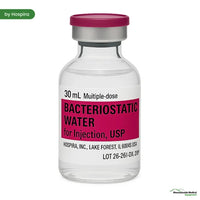
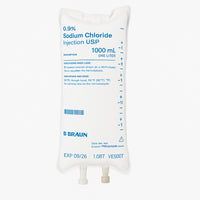
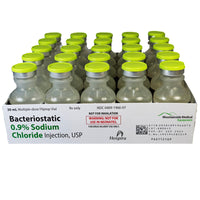

Hypoglycemia Low Blood Sugar Products for Glucagen Hypokit
-

 Sale 27%
Glucagen Hypokit (Hypoglycemia Treatment) Emergency Injector
Original price $ 599.95Current price $ 439.00


Hypoglycemia low blood sugar products are designed to quickly elevate blood glucose levels in individuals experiencing low blood sugar episodes, commonly associated with diabetes management. These products include glucose tablets, gels, and drinks, which offer a rapid source of easily digestible sugars. They are portable and convenient, making them essential for diabetic individuals to keep on hand for immediate relief from hypoglycemia symptoms such as dizziness, confusion, and shakiness. Proper use of these products aids in maintaining metabolic balance and preventing severe hypoglycemic events.