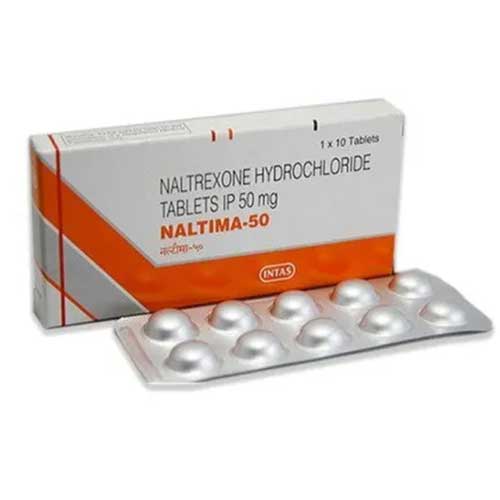
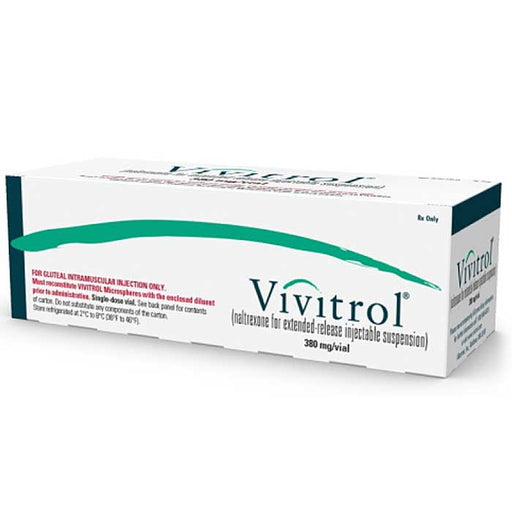
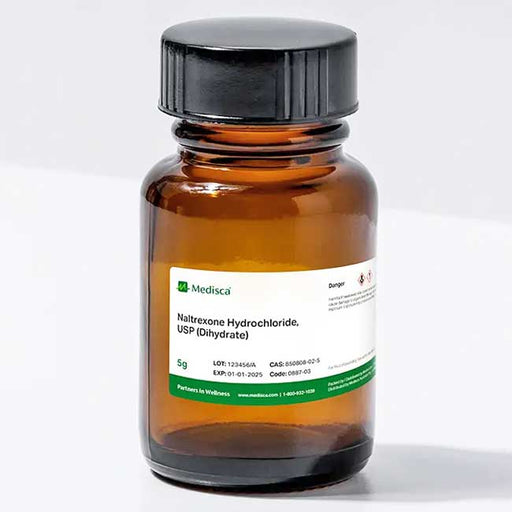
Naltrexone Hydrochloride Tablets 50 mg, 30 Count (RX)
How to Order:
You will receive instructions on how to create an account along with Rx Ordering Details.
(Note: Acceptable licenses must have Prescriptive Authority in the license issuing state.)
Cart subtotal
Naltrexone Hydrochloride Tablets are a medication used primarily to treat alcohol and opioid dependence. Naltrexone works by blocking the effects of opioids in the brain, which helps reduce cravings and prevent relapse. For alcohol dependence, it can help decrease the desire to drink and prevent heavy drinking.
The medication is usually part of a comprehensive treatment plan that includes counseling and support. It's important for individuals to be opioid-free before starting naltrexone to avoid withdrawal symptoms. As with all medications, it should be taken under the supervision of a healthcare professional to ensure safety and effectiveness.
Naltrexone Hydrochloride Tablets by Sun Pharmaceuticals offer a reliable solution for those seeking to manage addiction. Each tablet contains 50 mg of active ingredient designed to support treatment programs for alcohol and opioid dependence.
Uses:
Naltrexone is primarily used to:
Dosage:
CDC Guidelines:
The CDC recommends using naltrexone as part of a broader addiction treatment program, which may include counseling, social support, and lifestyle changes. It's crucial to initiate treatment in a monitored environment.
Details and Features:
Mechanism of Action:
Naltrexone is an opioid antagonist that works by blocking opioid receptors in the brain. This prevents the euphoric effects of opioids and reduces cravings and urges associated with alcohol consumption.
Directions:
Warnings:
Side Effects:
Common side effects may include:
Consult Healthcare Provider:
Before starting naltrexone, consult with a healthcare provider to assess suitability, especially if there are existing health concerns or medications. Report any adverse effects immediately, focusing on symptoms related to liver function or allergic reactions.
Alcohol Use Disorder: Helps reduce cravings, prevent relapse, and support sobriety. Opioid Use Disorder: Blocks opioid receptors, preventing the euphoric effects of opioids and supporting recovery. Weight Loss (Low-Dose & Combo): Used in combination with bupropion (Contrave) for chronic weight management. Investigational Use: Studied for fibromyalgia, multiple sclerosis (MS), and autoimmune disorders (Low Dose Naltrexone or LDN).
Naltrexone hydrochloride is the full chemical name and salt form, but naltrexone and naltrexone hydrochloride are used interchangeably in medicine. Both refer to the same active substance used in naltrexone therapy.
Most patients do not feel “high” or sedated—rather, cravings and urges for alcohol or opioids are reduced. Some people notice clearer thinking, less compulsion, or more control over behaviors.
Reduces cravings for alcohol and opioids Lowers risk of relapse and overdose No addictive or sedative properties May support weight loss in certain formulations Possible mood stabilization and improved emotional control
Lack of awareness or training about medication-assisted therapies Concerns over patient adherence or motivation Some insurance plans require prior authorization Not effective in those unwilling to stop opioids or drinking
Naltrexone is not primarily an anti-anxiety drug, but some patients report less anxiety due to reduced compulsive urges or withdrawal symptoms. Always consult your provider for primary anxiety treatment options.
Effects begin within a few hours, with optimal results seen over weeks as cravings diminish. Extended-release injections last about 4 weeks per dose.
Yes, naltrexone is safe for most people when prescribed and monitored. Main risks: liver enzyme elevation, nausea, headache, insomnia, or allergic reactions. Not recommended for those with acute hepatitis, severe liver failure, or ongoing opioid use.
No, they are different medications: Naltrexone is a pure opioid antagonist (blocks receptors, no opioid effect). Suboxone (buprenorphine/naloxone) is a partial opioid agonist used for maintenance therapy.
You can experience normal “happiness,” but naltrexone blocks opioid-related euphoria. Many patients report more emotional stability and improved mood in recovery.
Adults with alcohol or opioid dependence who have detoxed (opioid-free for 7–10 days) People seeking medication-assisted treatment who don’t want or can’t use opioid agonists Individuals interested in adjunct weight management (Contrave)
Once daily, preferably at the same time each day (often morning). Take with food if stomach upset occurs; always follow your doctor’s instructions.
Naltrexone is not a stimulant and does not directly increase energy. Some people report better focus and alertness due to reduced cravings.
Side effects may include vivid dreams or insomnia in some users, especially during the first few weeks; most people adjust over time.
Yes, wearing a medical alert bracelet is recommended so emergency personnel know you are on naltrexone, as opioid pain medicines will not work normally.
As part of Contrave (naltrexone/bupropion), typical weight loss is 5–10% of body weight when combined with lifestyle changes.
Many patients report enhanced mood, stabilized emotions, and improved self-control. Not a traditional antidepressant, but often helps support mental wellbeing during recovery.
Can’t be taken with active opioid use (risk of withdrawal) Rare liver toxicity—monitor liver function GI side effects: nausea, vomiting, abdominal pain May not work for everyone; adherence and support are key
While not a “miracle drug,” naltrexone offers life-changing benefits for many in addiction recovery and is a cornerstone of modern MAT programs.
FDA-approved for alcohol and opioid dependence No addiction or abuse potential Available as daily tablets or monthly injections Supports recovery, weight loss, and possible mood benefits Pharmacy-direct, fast access with prescription