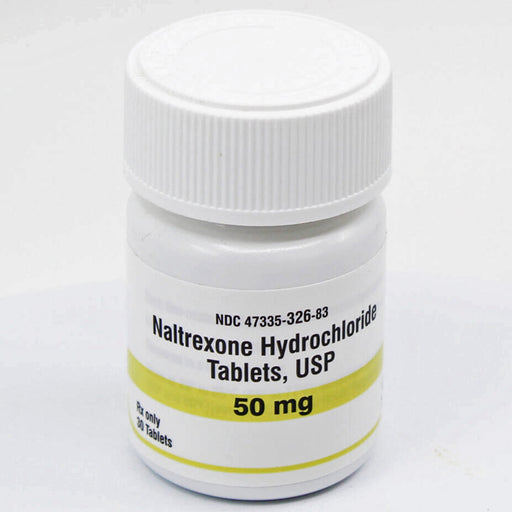
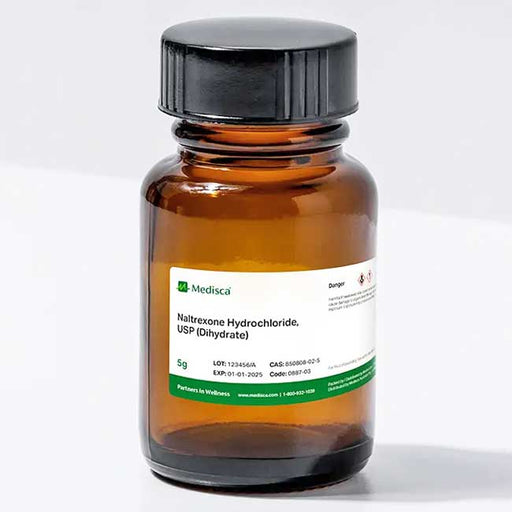
Naltrexone 50 mg Tablets
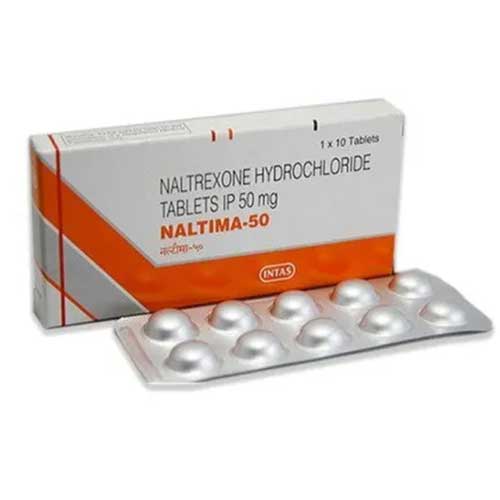
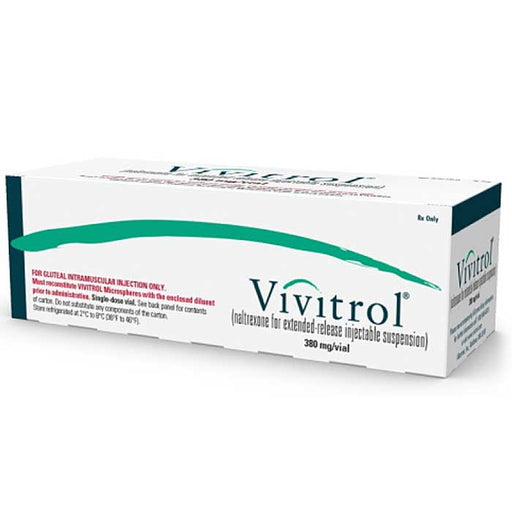
Naltrexone is a long-acting opioid receptor antagonist (a pure opiate blocker) available as a 50 mg oral tablet (brand names: ReVia®, Depade®, generics) and as a 380 mg monthly gluteal injection (Vivitrol®). It has high affinity for μ-opioid receptors (and to a lesser degree δ/κ receptors) but no agonist effects. In practice, naltrexone blocks the effects of opioids (preventing their euphoria and analgesia) and dampens alcohol’s rewarding effects by occupying opioid receptors released by endorphins. For example, a single 50 mg dose will block heroin or prescription opioid effects for ~24 hours. Naltrexone does not relieve pain or cause addiction itself, but displaces opioids; if opioids are still in the body, taking naltrexone will precipitate withdrawal.
Uses (Indications)
-
Opioid Use Disorder (OUD): Naltrexone is FDA-approved for preventing relapse in opioid-dependent patients who have completed detox and are opioid-free. It is prescribed in Medication-Assisted Treatment along with counseling. (Extended-release naltrexone IM is an alternative for patients who have difficulty with daily pills.)
-
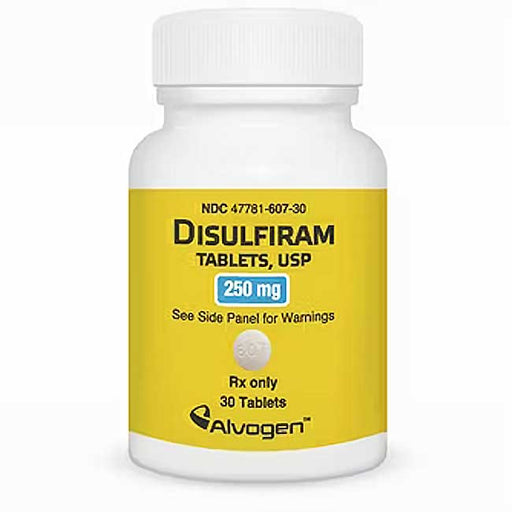
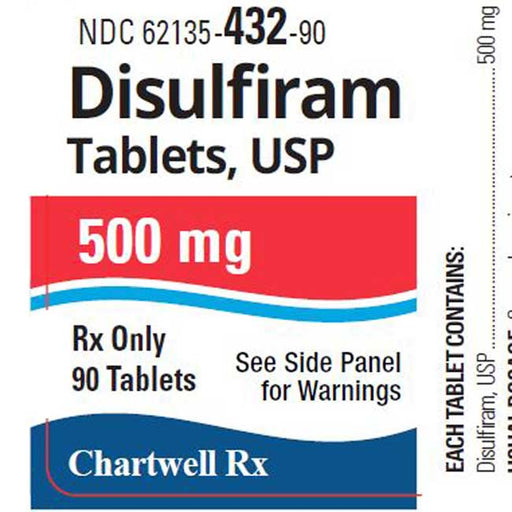
Alcohol Use Disorder (AUD): FDA-approved to reduce heavy drinking and relapse in alcohol-dependent patients. It is used after alcohol detox is complete (to avoid vomiting), usually as 50 mg once daily. Naltrexone reduces alcohol craving and reward by blocking alcohol-induced endorphin effects. It is not disulfiram – it does not cause nausea with drinking, but simply makes drinking less pleasurable.
-
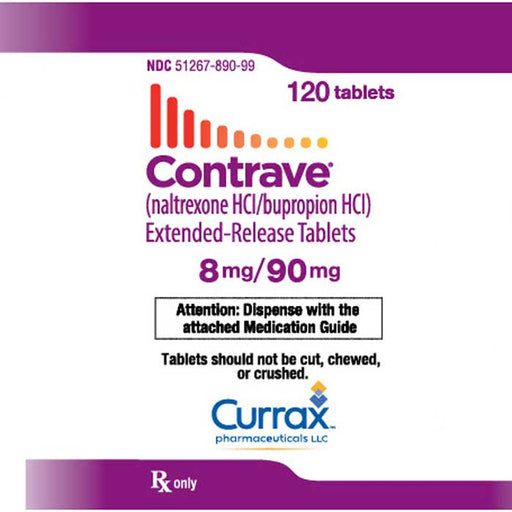
Other approved/experimental uses: A fixed-dose combo of naltrexone+bupropion is FDA-approved for obesity (as Contrave®). Off-label, naltrexone has been explored for impulse-control and eating disorders. Notably, low-dose naltrexone (LDN) (~1–5 mg daily) is used experimentally for chronic pain and autoimmune conditions (e.g. fibromyalgia, Crohn’s disease, multiple sclerosis).
Naltrexone 50 mg Tablets are a prescription medication used primarily for:
-
Alcohol dependence: To help people who have stopped drinking alcohol remain abstinent.
-
Opioid dependence: To aid in the maintenance of opioid abstinence, following detoxification.
How Naltrexone Works
Naltrexone acts as a competitive antagonist at opioid receptors. By binding μ-opioid receptors, it blocks any opioid agonist (heroin, morphine, oxycodone, etc.) from activating them. This prevents the usual opioid effects of euphoria, pain relief and respiratory depression. In clinical terms, taking naltrexone after opioids will precipitate immediate withdrawal, so patients must be opioid-free before starting.
For alcohol dependence, naltrexone’s blockade of opioid receptors interferes with alcohol’s reward circuitry. Alcohol normally triggers release of endogenous opioids (endorphins) that reinforce drinking. Naltrexone blunts that endogenous opioid surge, thus reducing craving and the “reward” from alcohol. It modestly increases abstinence rates when combined with counseling.
Pharmacokinetics: Oral naltrexone is well absorbed (peak ~1–2 hours) but has ~5–40% bioavailability due to first-pass metabolism. It is metabolized to active 6-β-naltrexol and cleared mostly by the kidney. The 50 mg dose sustains μ-receptor blockade for ~24 hours; its terminal half-life is ~4 hours (75% of drug gone by 24h). The IM depot (380 mg) provides blockade for ~4 weeks.
Dosage and Administration
-
50 mg oral tablet: The usual maintenance dose for both AUD and OUD is 50 mg once daily. Treatment generally starts at 25 mg (to test tolerance) and then increases to 50 mg after 1–2 days if no withdrawal or side effects occur. It can be taken with or without food (with meals may reduce GI upset).
-
Opioid detox requirement: Crucially, patients must be fully opioid-free (about 7–10 days after short-acting opioids) before starting naltrexone. Otherwise, naltrexone will trigger withdrawal. In practice a small “naloxone challenge” can verify the absence of opioids.
-
IM Injection (380 mg): An extended-release monthly intramuscular injection is also available. It is administered deep in the gluteal region every 4 weeks. This depot is often used for patients who may not reliably take daily pills. The injection produces effective blockade for ~4 weeks and improves compliance in some patients.
-
Alcohol dependence: Similarly, 50 mg daily is standard, given in supervised doses or with family support. Therapy should emphasize continued sobriety; naltrexone will help attenuate heavy drinking if relapse occurs.
-
Pediatric use: Naltrexone is not approved for children or adolescents.
-
Special populations: Dose adjustment is generally not required in mild/moderate renal impairment. Hepatic caution: Because naltrexone is hepatically metabolized, it should be avoided in acute hepatitis or liver failure. (Liver enzyme monitoring is advisable.) Withdrawal precautions apply if used in pregnant opioid users.
-
Low-Dose Naltrexone (LDN): A very low nightly dose (typically 1.5–4.5 mg) is used off-label for pain/autoimmune disorders. This “intermittent” blockade of opioid growth factor receptors may upregulate endorphins and modulate immune function. Protocols vary, but a common regimen is one 3 or 4.5 mg dose taken at bedtime. This use is supported by small trials and patient reports showing reductions in pain and fatigue (e.g. in fibromyalgia, Crohn’s, MS). It is not FDA-approved, but many integrative physicians prescribe LDN for refractory chronic conditions.
Side Effects
Naltrexone’s side effects are generally mild and dose-related. Common adverse effects (≥10% incidence) include:
-
Gastrointestinal: Nausea (up to ~33%), vomiting (~11–14%), diarrhea, abdominal cramps. Taking with food or at bedtime may ease nausea.
-
CNS: Headache (~25%), insomnia (10–15%), dizziness, anxiety (~12%), fatigue or low energy, sleep disturbances. These often lessen after a few weeks.
-
Appetite/weight: Decreased appetite (∼14%), which may be desirable in some overweight patients.
-
Musculoskeletal: Muscle/joint pain, back pain, or cramps are reported (6–12%).
-
Psychiatric: Mood changes can occur. In trials, depression was reported (~8%). Rare suicidal ideation has been noted (slightly above placebo rates). Patients with severe mental illness should be monitored closely for worsening mood or suicidality.
-
Allergies: Allergic reactions are rare. If rash, itching, or angioedema occur, discontinue naltrexone. A handful of urticarial/angioedema cases have been reported.
-
Injection site (Vivitrol only): The monthly IM formulation often causes injection-site pain, swelling, nodules or bruising (up to ~69%), which is usually mild and resolves.
-
Hepatic: Though uncommon at normal doses, liver toxicity is a serious potential effect. High doses (>300 mg/day) have caused hepatic injury. Even patient’s long-term use can elevate transaminases. Liver function tests should be checked periodically, and naltrexone avoided (or used very cautiously) in active liver disease.
-
Precipitated withdrawal: The most important “side effect” is precipitated opioid withdrawal. If naltrexone is taken while opioids are in the system, it can cause acute withdrawal (nausea, vomiting, sweating, tachycardia, anxiety, muscle aches, piloerection, etc.). Hence, proper detoxification and a naloxone challenge are recommended before starting therapy.
-
Other: Dry mouth, diarrhea, and rare cases of elevated CPK or heart rate changes have been documented. If patients experience unusual symptoms (e.g. severe abdominal pain, jaundice, chest pain, or seizures), naltrexone should be stopped and medical evaluation sought.
In summary, naltrexone (50 mg tablets) is a key “blocker” in addiction medicine – it prevents opioid euphoria and reduces alcohol craving. It is taken once daily as part of a comprehensive relapse prevention plan. Side effects are mostly gastrointestinal or headache and tend to be transient. The biggest risks are liver injury (dose-dependent) and precipitating withdrawal if misused. Low-dose naltrexone (1–5 mg) is an alternative regimen under research, thought to modulate immune factors, with generally mild side effects.
Details and Features
-
Active Ingredient: Naltrexone Hydrochloride 50 mg per tablet
-
Manufacturer: Sun Pharmaceuticals
-
Package Size: 100 count (bottle)
-
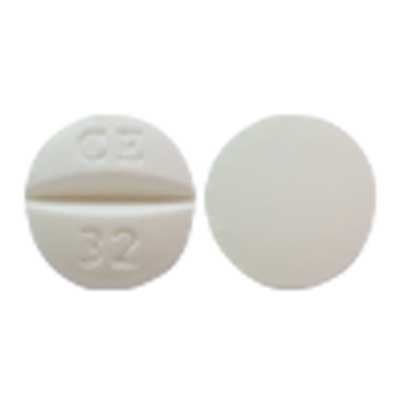
Form: Oral tablet, scored for flexible dosing
-
Quality Assured: Manufactured under stringent GMP guidelines
-
Prescription Required: Yes
-
Features:
- Proven efficacy in relapse prevention
- Easy, once-daily oral dosing
- Non-addictive and non-narcotic
- Convenient bottle for long-term therapy
Directions for Use
- Take exactly as prescribed by your healthcare provider.
- The usual adult dose: 50 mg tablet taken once daily by mouth. Dosage may vary based on patient response and physician direction.
- Swallow tablets whole with a glass of water. May be taken with or without food.
- Do not attempt to self-medicate or adjust dosage without medical supervision.
- Naltrexone is most effective when used in conjunction with a structured recovery program.
Dosage
-
Adults (Opioid/Alcohol Dependence):
-
Typical dose: 50 mg once daily, or as directed by your doctor.
-
Missed Dose: Take as soon as remembered. If it is almost time for your next dose, skip the missed dose. Do not double up to make up for a missed dose.
-
Children: Not typically recommended for use in individuals under 18 years old unless directed by a physician.
Allergies
Do not use if you have:
- Known hypersensitivity to Naltrexone Hydrochloride or any component of this product.
Signs of allergic reaction: Rash, itching, swelling, severe dizziness, or trouble breathing — seek immediate medical attention.
Drug Interactions
Be sure to inform your doctor about all medications and supplements you are taking, especially:
- Opioid medications (e.g., codeine, hydrocodone, oxycodone, morphine, heroin)
- Certain cough/cold medications, antidiarrheal drugs, or pain relievers containing opioids
- Disulfiram (used for alcohol dependence)
- Other medications affecting the liver
Note: Naltrexone will block the effects of opioid medications. Do not use opioids while taking this medication. Doing so may result in sudden withdrawal symptoms.
Side Effects and Warnings
Possible Side Effects:
- Nausea, vomiting, stomach pain
- Headache, dizziness, tiredness
- Anxiety, insomnia, or restlessness
- Muscle or joint pain
- Decreased appetite
Serious Side Effects (Seek medical attention immediately):
- Liver toxicity: Yellowing eyes/skin, dark urine, upper belly pain
- Severe allergic reactions: Rash, itching/swelling, difficulty breathing
- Injection site reaction (if using the injectable form)
Warnings:
-
Do not use Naltrexone if you are currently dependent on opioids or have not completed detoxification; can precipitate acute withdrawal.
-
Liver Risk: Use with caution in patients with liver disease; regular liver function monitoring is recommended.
-
Pregnancy/Breastfeeding: Use only if benefits outweigh potential risks; consult your physician.
-
Medical Alert: Notify healthcare providers you are taking Naltrexone before surgery; special protocols may be needed for pain management.
Naltrexone Tablets 50 mg by are available by prescription only. Use strictly as directed by your healthcare provider. Always consult your doctor before starting, stopping, or changing your medication regimen.
 Skip to content