
Nebulizer Kits to Mouthpiece
Nebulizer Kits
A nebulizer is a medical device that turns liquid medication into a fine mist (aerosol) that can be inhaled directly into the lungs. A “nebulizer kit” usually refers to the complete set of equipment used for this inhalation therapy, typically including the compressor (or portable nebulizer unit) and the attachable components for delivering the medicine. By delivering medications as a breathable spray, nebulizers help treat respiratory conditions like asthma, chronic bronchitis, COPD (chronic obstructive pulmonary disease), cystic fibrosis, bronchiectasis, wheezing and other lung problems. In children and adults who cannot use or have trouble with standard inhalers, a nebulizer provides a way to get drugs deep into the airways.
Nebulizers are driven by a small air compressor or other power source. When turned on, the device uses air or vibration to break the medication solution into millions of tiny droplets that form a mist. As you breathe normally (through a mouthpiece or mask), the aerosol travels into your lungs and airways. This can relieve inflammation and open up air passages quickly, since the medicine goes straight to where it’s needed. Many prescription asthma medications (bronchodilators like albuterol, anti-cholinergics like ipratropium, or inhaled steroids such as budesonide or fluticasone) come in liquid form for use in nebulizers. Nebulizers can also deliver saline or mucolytic solutions to help loosen mucus, and even certain inhaled antibiotics for lung infections.
Types of Nebulizers
There are three main types of nebulizer devices, differing in how they generate the mist:
- Jet (Compressor) Nebulizers: These are the most common home models. A small air compressor forces room air through the medication liquid at high speed, shearing it into an aerosol. They work with most medications and are relatively low-cost. Drawbacks are that they can be bulky, need an electrical outlet (or car adapter), and tend to be noisy during operation. (Some jet nebulizers are “breath-actuated,” meaning they only spray medicine when you inhale, reducing waste.)
- Ultrasonic Nebulizers: These use ultrasonic (high-frequency) vibrations to create a mist from the liquid. They are quieter and can be built in compact, tabletop models. However, not all medications can be used in ultrasonic nebulizers – the vibration and heat can alter suspensions or cause certain drugs (like some antibiotics or steroids) to break down or become less effective. Because of this, ultrasonic devices may be limited to saline or specific bronchodilators. Ultrasonic machines also have larger residual volumes (wasted fluid in the cup).
- Mesh Nebulizers: Mesh (or vibrating mesh) nebulizers push liquid through a fine mesh or membrane to generate the aerosol. They combine many advantages: they are small, portable (often battery-powered), very quiet, and deliver a consistent fine particle size. They use very little liquid waste and can work at any angle (useful if you must lie down). The downside is cost – mesh nebulizer units tend to be more expensive – and they are not compatible with all medications (e.g. very viscous solutions or ones that might clog the mesh).
When choosing a nebulizer, consider factors like portability (tabletop vs. handheld), noise level, and the specific medications prescribed. Some nebulizers even come in child-friendly designs (shaped like animals or themed characters) to make treatment less scary for kids.
Nebulizer Kit Components
A standard nebulizer kit (especially for compressor-type models) includes several key parts:
- Nebulizer Cup (Medicine Reservoir): A small plastic chamber or “cup” that holds the liquid medication during treatment. The top of the cup connects to the mouthpiece or mask, and the bottom connects to the air source.
- Mouthpiece and/or Masks: A mouthpiece (tube to place between the teeth) and one or more masks (silicone or plastic covers for mouth and nose) are included so the medicine can be inhaled. Often kits have both an adult mask and a pediatric mask for use by children. The mouthpiece delivers mist when held by the user, while the mask is strapped over the face (helpful for young children or very ill patients).
- Tubing (Air Hose): Flexible tubing connects the nebulizer cup to the air compressor. This delivers the compressed air to the cup. Typically one end of the tubing snaps into the compressor’s outlet and the other end to the cup inlet or T-adapter. (Most tubing is reusable for some time but should be replaced periodically.)
- T-Adapter (T-Piece) or Connector: A T-shaped plastic piece that attaches the mouthpiece and/or mask to the nebulizer cup. This piece directs airflow from the tubing into the cup and then to the mouthpiece or mask.
- Filters: Compressors have air intake filters (to keep dust out of the machine). Some kits include extra filters to replace the old ones when they become clogged. It’s important to check and change these filters as recommended by the manufacturer.
- Measuring Droppers or Med Prep Tools: Some kits include small droppers or syringes to measure medication or saline accurately before placing it in the cup, especially if the medicine comes in a larger bottle. (If not included, use clean droppers.) Always use one clean dropper for saline and another for the medication if both are needed.
- Instruction Manual and Storage Case: Most kits come with written instructions, and often a carrying case to keep all parts and the nebulizer machine together.
In summary, a typical compressor nebulizer kit provides everything needed for each treatment: the machine (compressor), a reusable nebulizer cup, tubing, mouthpiece/masks, and any extra filters or accessories to maintain the unit.
How to Use a Nebulizer
Before starting any treatment, wash your hands thoroughly. Then follow the device’s instructions; general steps are:
- Assemble the Kit: Place the compressor on a stable surface near an outlet. Attach one end of the tubing to the compressor outlet. Fill the medication cup with the prescribed dose of liquid medication (some meds come pre-mixed, others need to be diluted in saline). Close the cup securely. Attach the top portion of the cup (lid) and then connect the mouthpiece or mask to the cup. Finally, attach the other end of the tubing to the T-adapter on the cup (if applicable). Ensure all parts snap together tightly with no leaks.
- Power the Machine: Plug in the compressor or turn on the power if it uses batteries. Some models have an on/off switch or adjustable airflow control. Switch the unit on – you should see or hear the mist start flowing from the mouthpiece/mask.
- Breathe Normally: Sit upright in a comfortable chair. If using a mouthpiece, place it between your teeth and seal your lips around it. If using a mask, position it snugly over the nose and mouth and secure it (some masks have straps). Begin to breathe normally through your mouth. It’s often recommended that every few breaths you take a slow, deep inhalation and hold it for 1–2 seconds, then exhale). This helps the medication reach deep into the lungs. Continue breathing this way for the entire treatment.
- Finish the Treatment: The therapy is complete when the mist stops or the medication cup is empty. This usually takes 5–15 minutes, depending on the device and drug. If you finish breathing but there are still drops left in the cup, check if you used the full dose (sometimes some residual is normal). Do not inhale for longer than directed. If you feel lightheaded or unwell, pause the treatment. When done, turn off the machine and remove the mouthpiece or mask.
- Post-Treatment Cleaning: Dispose of or clean any disposable parts immediately. Empty any remaining medication from the cup as directed. Wash the cup, mouthpiece, and mask with warm water and mild soap, then rinse and air-dry (see the Cleaning section below).
Throughout the procedure, remain calm and breathe slowly. Do not talk or laugh while inhaling the medicine. If you become dizzy or feel your heart racing, stop and rest; these can be signs of too much medication or anxiety.
Cleaning and Maintenance
Hygiene is critical. After every use, rinse the nebulizer cup, mouthpiece and mask under warm running water. Shake off excess water and let them air dry on a clean towel. Once dry, reassemble the clean parts and turn on the air compressor briefly (about 20 seconds) to blow out any remaining moisture inside the tubing and cup. Never immerse the compressor unit or tubing in water – only the removable patient interface parts get cleaned.
At least once daily, a more thorough wash is advised: clean the cup, mouthpiece, and mask with mild dish soap and water, rinse well, and dry. Weekly disinfection can be done by soaking the parts in a 1:2 solution of distilled white vinegar and water for 30 minutes (or follow the manufacturer’s cleaning instructions). After disinfection, rinse again and air dry. Change filters on the compressor as recommended (often monthly), and replace masks or tubing if they become stiff, discolored, or cracked. Do not wash the flexible air hose (tubing) – instead wipe its exterior and dry it between uses.
Regular cleaning prevents germ buildup. If bacteria or fungi grow in the kit, a patient can develop lung infections. Always store the clean, dry nebulizer parts in a clean container or sealed bag, and keep the compressor covered when not in use. Never share your nebulizer or its components with anyone else, to avoid contagion.
Tips for Effective Nebulizer Use
- Position matters: Sit or stand upright to maximize lung expansion. If treating a child who can’t sit still, have them sit on your lap or in a comfortable seat while using the nebulizer.
- Seal on the mask: Make sure the mask or mouthpiece fits well. Use mask straps or tape if needed to hold a mask gently on a small child’s face so they breathe in the mist effectively. Avoid leaks at nose or chin. For infants, a pediatric mask is best.
- Breathing technique: Encourage deep, steady breaths. Occasionally count to 2 before exhaling. If you start to hyperventilate or panic, stop and breathe normally for a moment.
- Medication prep: Only use medications prescribed for nebulizer use. Do not put any oil, essential oil, or over-the-counter liquid (other than prescribed saline) into the nebulizer – these can harm your lungs. Use saline (0.9% sodium chloride) if your doctor instructs you to mix medication or to hydrate airway mucus. Always use sterile or distilled fluids (not tap water) in the cup.
- Using multiple medications: If you have more than one nebulized drug to take, ask your healthcare provider or pharmacist whether they can be mixed together or must be given separately. Some combinations are safe together, others are not.
- Stay relaxed: Nebulizer treatments can take a while. Listen to music, watch a video, or distract children with a story during the treatment so they breathe normally.
- Check for results: After treatment, you should notice some relief of symptoms (e.g. easier breathing, less wheezing). If you don’t feel improvement after multiple treatments, consult your doctor – your treatment plan may need adjustment.
Health and Safety Considerations
- Prescription: Nebulizer machines themselves can sometimes be bought without a prescription, but prescription is required for the medication used in them. Don’t use someone else’s medicine or breathe leftover aerosol. Always follow the dose your doctor ordered.
- Side Effects: Common side effects depend on the medication: for example, inhaled albuterol can cause transient jitteriness, increased heart rate (“palpitations”), or shakiness. If side effects occur or feel severe (e.g. pounding heart, chest pain, dizziness), stop the treatment and call your doctor. You may be getting too much medicine. Similarly, steroids can sometimes cause a mild sore throat or hoarseness – rinsing your mouth after a steroid treatment can help prevent oral thrush.
- Avoid Infection: As noted, always clean your nebulizer kit thoroughly. Never share the mask or mouthpiece – these should be personal or disposed after one use. Replace parts (masks, mouthpieces, tubing, filters) as recommended or if they appear dirty or deformed. Use distilled (sterile) water for rinsing when possible to avoid microbes in tap water.
- Electrical Safety: Ensure the compressor unit is kept dry and plugged into a proper outlet. Unplug it before cleaning. Keep cords out of the patient’s reach.
- Proper Storage: Store medications as directed (usually sealed and at room temperature). Do not leave medication sitting in the cup when not being used (discard leftover solution after treatment, unless instructed otherwise).
- When to Call a Doctor: If your breathing worsens, if you use your rescue medication more often than prescribed, or if a nebulizer treatment does not relieve severe symptoms, seek medical advice. Also contact your provider if you suspect the nebulizer equipment is malfunctioning (e.g. no mist coming out, strange noise, electrical issues).
By following the above guidelines and consulting with your healthcare team, you can use a nebulizer kit safely and effectively to manage respiratory problems. Always keep up with routine maintenance of your equipment and use only doctor-approved medicines to ensure the best therapeutic results.
-
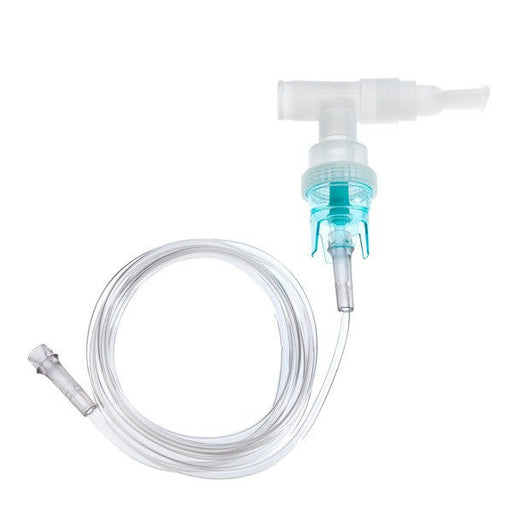 Sale 31%
Original price $ 4.29Current price $ 2.98
Sale 31%
Original price $ 4.29Current price $ 2.98Up Draft II Opti-Neb Nebulizer Kit
The Hudson RCI 1732 UP-Draft II Opti-Neb Nebulizer Kit is a high-output nebulizer for effective respiratory treatments. This nebulizer kit features...
View full details -
 Sale 23%
Original price $ 2.95Current price $ 2.27
Sale 23%
Original price $ 2.95Current price $ 2.27MicroMist Nebulizer Kit with Mouthpiece, Med cup and Tubing
Teleflex Micro Mist Nebulizer Kit 1882 with med cup, tubing and Mouthpiece. Made to transfer liquid asthma medications into a fine micro mist aero...
View full details -
 Sale 3%
Original price $ 1.95Current price $ 1.89
Sale 3%
Original price $ 1.95Current price $ 1.89Nebulizer Treatment Kit with Mouthpiece and Reservoir Tube
Micro Mist Nebulizer kit used to deliver liquid medication for breathing treatments. Each nebulizer kit is latex free and includes a nebulizer cup,...
View full details -
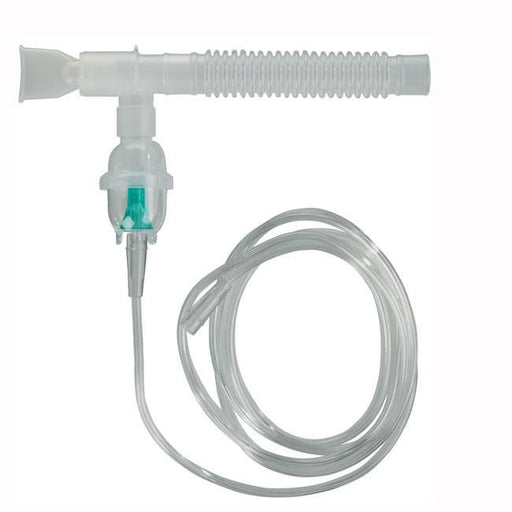 Sale 37%
Original price $ 3.95Current price $ 2.49
Sale 37%
Original price $ 3.95Current price $ 2.49Nebulizer Treatment Kit with Cup, Mouthpiece and 7 foot Tubing
Drive Medical Nebulizer Treatment Kit with Cup, Corrugated Mouthpiece and seven foot Tubing. Transforms medication into a fine micro mist for eas...
View full details -
 Sale 29%
Original price $ 1.95Current price $ 1.39
Sale 29%
Original price $ 1.95Current price $ 1.39Nebulizer Kit with Adult Size Aerosol Elongated Mask with 6 cc Medication Cup & 7 Foot Tubing

Improve respiratory health with our Nebulizer Kit. The adult size aerosol elongated mask ensures effective asthma and COPD medication delivery. Ele...
View full details -
 Sale 24%
Original price $ 1.95Current price $ 1.49
Sale 24%
Original price $ 1.95Current price $ 1.49Nebulizer Kit with Pediatric Size Aerosol Elongated Mask with 6 cc Medication Cup & 7 Foot Tubing
Boost child respiratory health with our Nebulizer Kit. Equipped with a pediatric aerosol elongated mask, it ensures effective asthma and lung thera...
View full details


Nebulizer Kits
A nebulizer is a medical device that turns liquid medication into a fine mist (aerosol) that can be inhaled directly into the lungs. A “nebulizer kit” usually refers to the complete set of equipment used for this inhalation therapy, typically including the compressor (or portable nebulizer unit) and the attachable components for delivering the medicine. By delivering medications as a breathable spray, nebulizers help treat respiratory conditions like asthma, chronic bronchitis, COPD (chronic obstructive pulmonary disease), cystic fibrosis, bronchiectasis, wheezing and other lung problems. In children and adults who cannot use or have trouble with standard inhalers, a nebulizer provides a way to get drugs deep into the airways.
Nebulizers are driven by a small air compressor or other power source. When turned on, the device uses air or vibration to break the medication solution into millions of tiny droplets that form a mist. As you breathe normally (through a mouthpiece or mask), the aerosol travels into your lungs and airways. This can relieve inflammation and open up air passages quickly, since the medicine goes straight to where it’s needed. Many prescription asthma medications (bronchodilators like albuterol, anti-cholinergics like ipratropium, or inhaled steroids such as budesonide or fluticasone) come in liquid form for use in nebulizers. Nebulizers can also deliver saline or mucolytic solutions to help loosen mucus, and even certain inhaled antibiotics for lung infections.
Types of Nebulizers
There are three main types of nebulizer devices, differing in how they generate the mist:
- Jet (Compressor) Nebulizers: These are the most common home models. A small air compressor forces room air through the medication liquid at high speed, shearing it into an aerosol. They work with most medications and are relatively low-cost. Drawbacks are that they can be bulky, need an electrical outlet (or car adapter), and tend to be noisy during operation. (Some jet nebulizers are “breath-actuated,” meaning they only spray medicine when you inhale, reducing waste.)
- Ultrasonic Nebulizers: These use ultrasonic (high-frequency) vibrations to create a mist from the liquid. They are quieter and can be built in compact, tabletop models. However, not all medications can be used in ultrasonic nebulizers – the vibration and heat can alter suspensions or cause certain drugs (like some antibiotics or steroids) to break down or become less effective. Because of this, ultrasonic devices may be limited to saline or specific bronchodilators. Ultrasonic machines also have larger residual volumes (wasted fluid in the cup).
- Mesh Nebulizers: Mesh (or vibrating mesh) nebulizers push liquid through a fine mesh or membrane to generate the aerosol. They combine many advantages: they are small, portable (often battery-powered), very quiet, and deliver a consistent fine particle size. They use very little liquid waste and can work at any angle (useful if you must lie down). The downside is cost – mesh nebulizer units tend to be more expensive – and they are not compatible with all medications (e.g. very viscous solutions or ones that might clog the mesh).
When choosing a nebulizer, consider factors like portability (tabletop vs. handheld), noise level, and the specific medications prescribed. Some nebulizers even come in child-friendly designs (shaped like animals or themed characters) to make treatment less scary for kids.
Nebulizer Kit Components
A standard nebulizer kit (especially for compressor-type models) includes several key parts:
- Nebulizer Cup (Medicine Reservoir): A small plastic chamber or “cup” that holds the liquid medication during treatment. The top of the cup connects to the mouthpiece or mask, and the bottom connects to the air source.
- Mouthpiece and/or Masks: A mouthpiece (tube to place between the teeth) and one or more masks (silicone or plastic covers for mouth and nose) are included so the medicine can be inhaled. Often kits have both an adult mask and a pediatric mask for use by children. The mouthpiece delivers mist when held by the user, while the mask is strapped over the face (helpful for young children or very ill patients).
- Tubing (Air Hose): Flexible tubing connects the nebulizer cup to the air compressor. This delivers the compressed air to the cup. Typically one end of the tubing snaps into the compressor’s outlet and the other end to the cup inlet or T-adapter. (Most tubing is reusable for some time but should be replaced periodically.)
- T-Adapter (T-Piece) or Connector: A T-shaped plastic piece that attaches the mouthpiece and/or mask to the nebulizer cup. This piece directs airflow from the tubing into the cup and then to the mouthpiece or mask.
- Filters: Compressors have air intake filters (to keep dust out of the machine). Some kits include extra filters to replace the old ones when they become clogged. It’s important to check and change these filters as recommended by the manufacturer.
- Measuring Droppers or Med Prep Tools: Some kits include small droppers or syringes to measure medication or saline accurately before placing it in the cup, especially if the medicine comes in a larger bottle. (If not included, use clean droppers.) Always use one clean dropper for saline and another for the medication if both are needed.
- Instruction Manual and Storage Case: Most kits come with written instructions, and often a carrying case to keep all parts and the nebulizer machine together.
In summary, a typical compressor nebulizer kit provides everything needed for each treatment: the machine (compressor), a reusable nebulizer cup, tubing, mouthpiece/masks, and any extra filters or accessories to maintain the unit.
How to Use a Nebulizer
Before starting any treatment, wash your hands thoroughly. Then follow the device’s instructions; general steps are:
- Assemble the Kit: Place the compressor on a stable surface near an outlet. Attach one end of the tubing to the compressor outlet. Fill the medication cup with the prescribed dose of liquid medication (some meds come pre-mixed, others need to be diluted in saline). Close the cup securely. Attach the top portion of the cup (lid) and then connect the mouthpiece or mask to the cup. Finally, attach the other end of the tubing to the T-adapter on the cup (if applicable). Ensure all parts snap together tightly with no leaks.
- Power the Machine: Plug in the compressor or turn on the power if it uses batteries. Some models have an on/off switch or adjustable airflow control. Switch the unit on – you should see or hear the mist start flowing from the mouthpiece/mask.
- Breathe Normally: Sit upright in a comfortable chair. If using a mouthpiece, place it between your teeth and seal your lips around it. If using a mask, position it snugly over the nose and mouth and secure it (some masks have straps). Begin to breathe normally through your mouth. It’s often recommended that every few breaths you take a slow, deep inhalation and hold it for 1–2 seconds, then exhale). This helps the medication reach deep into the lungs. Continue breathing this way for the entire treatment.
- Finish the Treatment: The therapy is complete when the mist stops or the medication cup is empty. This usually takes 5–15 minutes, depending on the device and drug. If you finish breathing but there are still drops left in the cup, check if you used the full dose (sometimes some residual is normal). Do not inhale for longer than directed. If you feel lightheaded or unwell, pause the treatment. When done, turn off the machine and remove the mouthpiece or mask.
- Post-Treatment Cleaning: Dispose of or clean any disposable parts immediately. Empty any remaining medication from the cup as directed. Wash the cup, mouthpiece, and mask with warm water and mild soap, then rinse and air-dry (see the Cleaning section below).
Throughout the procedure, remain calm and breathe slowly. Do not talk or laugh while inhaling the medicine. If you become dizzy or feel your heart racing, stop and rest; these can be signs of too much medication or anxiety.
Cleaning and Maintenance
Hygiene is critical. After every use, rinse the nebulizer cup, mouthpiece and mask under warm running water. Shake off excess water and let them air dry on a clean towel. Once dry, reassemble the clean parts and turn on the air compressor briefly (about 20 seconds) to blow out any remaining moisture inside the tubing and cup. Never immerse the compressor unit or tubing in water – only the removable patient interface parts get cleaned.
At least once daily, a more thorough wash is advised: clean the cup, mouthpiece, and mask with mild dish soap and water, rinse well, and dry. Weekly disinfection can be done by soaking the parts in a 1:2 solution of distilled white vinegar and water for 30 minutes (or follow the manufacturer’s cleaning instructions). After disinfection, rinse again and air dry. Change filters on the compressor as recommended (often monthly), and replace masks or tubing if they become stiff, discolored, or cracked. Do not wash the flexible air hose (tubing) – instead wipe its exterior and dry it between uses.
Regular cleaning prevents germ buildup. If bacteria or fungi grow in the kit, a patient can develop lung infections. Always store the clean, dry nebulizer parts in a clean container or sealed bag, and keep the compressor covered when not in use. Never share your nebulizer or its components with anyone else, to avoid contagion.
Tips for Effective Nebulizer Use
- Position matters: Sit or stand upright to maximize lung expansion. If treating a child who can’t sit still, have them sit on your lap or in a comfortable seat while using the nebulizer.
- Seal on the mask: Make sure the mask or mouthpiece fits well. Use mask straps or tape if needed to hold a mask gently on a small child’s face so they breathe in the mist effectively. Avoid leaks at nose or chin. For infants, a pediatric mask is best.
- Breathing technique: Encourage deep, steady breaths. Occasionally count to 2 before exhaling. If you start to hyperventilate or panic, stop and breathe normally for a moment.
- Medication prep: Only use medications prescribed for nebulizer use. Do not put any oil, essential oil, or over-the-counter liquid (other than prescribed saline) into the nebulizer – these can harm your lungs. Use saline (0.9% sodium chloride) if your doctor instructs you to mix medication or to hydrate airway mucus. Always use sterile or distilled fluids (not tap water) in the cup.
- Using multiple medications: If you have more than one nebulized drug to take, ask your healthcare provider or pharmacist whether they can be mixed together or must be given separately. Some combinations are safe together, others are not.
- Stay relaxed: Nebulizer treatments can take a while. Listen to music, watch a video, or distract children with a story during the treatment so they breathe normally.
- Check for results: After treatment, you should notice some relief of symptoms (e.g. easier breathing, less wheezing). If you don’t feel improvement after multiple treatments, consult your doctor – your treatment plan may need adjustment.
Health and Safety Considerations
- Prescription: Nebulizer machines themselves can sometimes be bought without a prescription, but prescription is required for the medication used in them. Don’t use someone else’s medicine or breathe leftover aerosol. Always follow the dose your doctor ordered.
- Side Effects: Common side effects depend on the medication: for example, inhaled albuterol can cause transient jitteriness, increased heart rate (“palpitations”), or shakiness. If side effects occur or feel severe (e.g. pounding heart, chest pain, dizziness), stop the treatment and call your doctor. You may be getting too much medicine. Similarly, steroids can sometimes cause a mild sore throat or hoarseness – rinsing your mouth after a steroid treatment can help prevent oral thrush.
- Avoid Infection: As noted, always clean your nebulizer kit thoroughly. Never share the mask or mouthpiece – these should be personal or disposed after one use. Replace parts (masks, mouthpieces, tubing, filters) as recommended or if they appear dirty or deformed. Use distilled (sterile) water for rinsing when possible to avoid microbes in tap water.
- Electrical Safety: Ensure the compressor unit is kept dry and plugged into a proper outlet. Unplug it before cleaning. Keep cords out of the patient’s reach.
- Proper Storage: Store medications as directed (usually sealed and at room temperature). Do not leave medication sitting in the cup when not being used (discard leftover solution after treatment, unless instructed otherwise).
- When to Call a Doctor: If your breathing worsens, if you use your rescue medication more often than prescribed, or if a nebulizer treatment does not relieve severe symptoms, seek medical advice. Also contact your provider if you suspect the nebulizer equipment is malfunctioning (e.g. no mist coming out, strange noise, electrical issues).
By following the above guidelines and consulting with your healthcare team, you can use a nebulizer kit safely and effectively to manage respiratory problems. Always keep up with routine maintenance of your equipment and use only doctor-approved medicines to ensure the best therapeutic results.