









Filters
- Aches (1)
- Advil (6)
- Anti-Inflammatory (3)
- Anti-inflammatory Medication (1)
- Arthritis pain (6)
- arthritis pain relief (5)
- Back Pain (4)
- Back Pain Relief (3)
- Fever Reducer (6)
- Generic Advil (1)
- ibuprofen (4)
- Ibuprofen 200 mg (1)
- Ibuprofen Tablets (4)
- Joint pain Relief (3)
- menstrual cramp relief (1)
- Motrin (1)
- Muscle pain relief (3)
- NSAID (5)
- pain medication (1)
- Pain Reliever (6)
- painkiller (3)
- Toothache (1)
- Toothaches (2)
- Allergic Reaction (2)
- Allergy (2)
- Allergy Medicaine (2)
- allergy medicine (3)
- Allergy Relief (6)
- Allergy Relief Caplets (1)
- allergy relief pills (1)
- Allergy Tablets (1)
- Antihistamine (8)
- antihistamine for allergies (1)
- Benadryl (4)
- Benadryl Dye Free (3)
- Benadryl Tablets (1)
- Benedryl (2)
- best OTC sleep aid (1)
- diphenhydramine (3)
- Diphenhydramine 25mg (1)
- Diphenhydramine HCI 25mg (1)
- Diphenhydramine HCl (2)
- Diphenhydramine Hydrochloride (1)
- Hay Fever (3)
- Insomnia (2)
- insomnia relief (2)
- itchy eyes relief (1)
- night time allergy relief (1)
- Nigth time sleep aid (2)
- Relief Waterly Eyes (1)
- Relieve Runny Nose (1)
- sleep aid tablets (1)
- Treat Allergic Reactions (2)
- Acetaminophen (6)
- Acetaminophen 325 mg (2)
- acetaminophen 500 mg extra strength (1)
- Acetaminophen 500mg (2)
- Acetaminophen Fever Reducer (2)
- Acetaminophen Pain Relief (3)
- Acetaminophen Pain Reliever (5)
- Advil Pain Relief (3)
- Extra Strength Pain Relief (2)
- Fever reducer (1)
- headache pain reliever (1)
- non NSAID (1)
- Oral pain Relief (1)
- OTC pain medication (1)
- Pain relief (3)
- Pain Relief Medicine (1)
- Severe Pain Relief (2)
- Tylenol (3)
- Tylenol generic (1)
- Tylenol pain Relief (3)
- Allergy Symptoms (1)
- Cetirizine Hydrochloride (1)
- Chronic Urticaria (1)
- generic zyrtec (2)
- Histamine (2)
- Hives (1)
- indoor allergies (1)
- outdoor allergies (1)
- runny nose (1)
- sneezing (4)
- Sneezing Relief (1)
- 10% iodine ointment (1)
- 10% Povidone Iodine (1)
- Antiseptic (1)
- antiseptic ointment (1)
- best wound care ointment (1)
- First Aid (1)
- first aid wound care (1)
- infection prevention ointment (1)
- Iodine Ointment (1)
- minor wound antiseptic (1)
- NDC 00536-1271-80 (1)
- Potent Antiseptic (1)
- Povidone Iodine ointment (1)
- Rugby Pharma iodine (1)
- Skin Infection (1)
- skin infection treatment (1)
- Skin Infections (1)
- Topical antiseptic (1)
- topical infection prevention (1)
- treat fungal infections (1)
- Treat Infection (1)
- Treat skin infections (1)
- Wounds (1)
- Addaprin (1)
- Packets (1)
- Pain Reducer (1)
- Unit Dose (1)
- Unit Dose Tablets (1)
- Bulk (2)
- bulk bottle (2)
- Pain Management (1)
- Colace (1)
- constipation (1)
- Constipation Relief (1)
- constipation relief tablets (1)
- Helps Relieve Constipation (1)
- herbal laxative (1)
- Laxative (1)
- laxative for adults (1)
- natural laxative (1)
- occasional constipation (1)
- overnight laxative (1)
- regularity support (1)
- relieve constipation (1)
- Relieves constipation (1)
- Saline Laxative (1)
- senna (1)
- Senna Laxative (1)
- sennosides 8.6mg (1)
- Senoko (1)
- stimulant laxative (1)
- Stool softener (1)
- 00904-6730-80 (1)
- 1000 count (1)
- Backaches (1)
- Bulk value (1)
- Major Labs (1)
- Painkiller (1)
- Reduce Fever (1)
- 325mg (1)
- Backache Pain Relieves (1)
- tylenol (1)
- Anti- Infammatory (3)
- Aspirin (9)
- Aspirin 325mg (1)
- aspirin for headache (1)
- aspirin heart health (1)
- aspirin tablet uses and side effects (1)
- Bayer Aspirin (1)
- buy aspirin online (1)
- fever reducer aspirin (1)
- Headache (4)
- muscle aches (3)
- NDC 00536-1054-29 (1)
- over-the-counter aspirin Rugby (1)
- pain relief tablets (1)
- Reduce inflammation (2)
- Relieve Muscle Pain (2)
- Rugby Labs aspirin 100 count (1)
- Arthritis Pain Reliever (2)
- aspirin 81 mg (1)
- aspirin for stroke prevention (1)
- Baby Aspirin (2)
- best aspirin for heart health (1)
- chewable aspirin (2)
- Chewable Orange Flavor (2)
- Chewable Tablets (2)
- Childrens Aspirin (4)
- Headaches (4)
- Heart Health (2)
- Low dose aspirin (3)
- prevent stroke (1)
- St. Josephs (1)
- 12-hour cough relief (1)
- Chest congestion medicine (1)
- Cold and Cough Medication (1)
- Cough & Chest Congestion (1)
- Cough Medicine (1)
- Cough suppressant (1)
- Cough Suppressents (1)
- Dextromethorphan (1)
- Dextromethorphan HBR (1)
- DM (1)
- DM Cough Medicine (1)
- Extended-release cough suppressant (1)
- Guaifenesin (1)
- Guaifenesin 1200 mg (1)
- Leader Mucus (1)
- Maximum strength cough medicine (1)
- Mucinex Cough Medicine (1)
- Mucinex DM alternative (1)
- Mucus Cough Medicine (1)
- Mucus Relief (1)
- Mucus Relief DM (1)
- Mucus Relief DM tablets (1)
- Mucus Relief Medicine (1)
- Phlegm (1)
- remove mucus (1)
- Severe cough (1)
- allergic reactions (1)
- Allergy Medicine (1)
- cetirizine (1)
- Cetirizine Tablets (1)
- Indoor allergies (1)
- Itchy eyes (2)
- Outdoor allergies (1)
- Throat (1)
- watery eyes (1)
- Zyrtec (1)
- Allergy Nasal Spray (2)
- Benzalkonium Chloride (1)
- Deep Sea (1)
- Disodium Phosphate (1)
- Monosodium Phosphate (1)
- Nasal Moisturizing Spray (1)
- Ocean Saline Nasal Spray (1)
- Sodium Chloride (1)
- Sodium Chloride 0.9 (1)
- Allergies (1)
- Generic Nasacort (1)
- nasal allergies (1)
- nasal spray (1)
- Relieve Allergies (2)
- seasonal allergies (1)
- Triamcinolone Acetonide (1)
- Triamcinolone Acetonide Nasal Spray (1)
- Dry Mouth (1)
- Melts (1)
- Oral Care (1)
- Oral Health (1)
- XyliMelts (1)
- Xylitol (1)
- antioxidant (2)
- antioxidants (2)
- cold and flu season (2)
- Immune health (3)
- Immune Support (4)
- Supplement (1)
- Supplements (2)
- Vitamin (2)
- Vitamin C (4)
- Vitamin Supplement (2)
- Vitamins Supplements and Minerals (2)
- Alleergy Medicine (1)
- Dye Free Allergy Medicine (1)
- Relieve Itchy Eyes (2)
- Chewable Aspirin (1)
- Chewable Aspirin 81 mg (1)
- Nonsteroidal Anti-inflammatory Drug (1)
- Reduce pain (1)
- Thin Blood (1)
- Abreva (1)
- Cold Sore (2)
- cold sores (1)
- Docosanol (1)
- Allegra (4)
- Fexofenadine (1)
- Fexofenadine 180mg (4)
- Non Drowsy (3)
- Relief Seasonal Allergies (2)
- Stop Runny Nose (2)
- Watery Eye Relief (1)
- 12547-0171-62 (1)
- Benadryl Cream (1)
- Diphenhydramine Cream (1)
- topical analgesic (1)
- 90 count melatonin (1)
- circadian rhythm supplement (1)
- dietary sleep supplement (1)
- fall asleep faster (1)
- fast acting melatonin (1)
- jet lag remedy (1)
- Melatonin (1)
- melatonin 5 mg tablets (1)
- Melatonin Sleep Aid (1)
- Melatonin Sleep Aid Supplement (1)
- natural sleep support (1)
- NDC 80681-0040-01 (1)
- non-habit forming sleep aid (1)
- Rugby Labs melatonin (1)
- sleep aid supplement (1)
- Sleep medicine (1)
- Acetaminophen Bulk (1)
- Geri-Care (1)
- Tylenol Bulk (1)
- Body Aches (1)
- Enteric Coated (1)
- Minor aches and pains (1)
- Advil Chewables (1)
- Advil JR (1)
- Advil Junior (1)
- children's (1)
- cold & flu (1)
- Cold Cough (1)
- Cold Medication (1)
- Cold Medicine (1)
- Cold Symptom (1)
- cough and cold relief (1)
- Fever Relief (2)
- Fevers (1)
- Illness (1)
- Nighttime cold medicine (1)
- non drowsy (1)
- Pediatric (1)
- Pediatric Medicine (1)
- Sickness (1)
- fiber supplement (1)
- powder (1)
- Psyllium (1)
- Psyllium Fiber (1)
- Reguloid (1)
- stool softener (1)
- sugar free (1)
- 100 count fexofenadine (1)
- 24 hour allergy medicine (1)
- antihistamine tablets (1)
- Best Allergy Medicine (1)
- best over the counter allergy medicine (1)
- Dr. Reddy’s allergy tablets (1)
- Fexofenadine HCL 180 mg (1)
- Generic Allegra (1)
- hay fever tablets (1)
- hives and rash relief (1)
- NDC 43598-0721-05 (1)
- NDC 55111-0784-01 (1)
- non-drowsy allergy relief (1)
- one pill allergy relief (1)
- Stop Allergies (1)
- Chewable Vitamins (2)
- 81 mg Aspirin (1)
- Anti-inflammatory aspirin tablets (1)
- Cardiovascular support (1)
- circulatory health (1)
- St Joseph (1)
- Trusted aspirin brand (1)
- Bubble Gum (1)
- Bubble Gum Flavor (1)
- Kids Allergy Relief (1)
- Anti-Diarrhea Relief Medicine (1)
- Heartburn Relief Medicine (1)
- Pepto Bismol (1)
- Alaway (1)
- Allergy relief eye drops (1)
- Bausch and Lomb (1)
- Dry Eye Relief (1)
- Eye Allergy Relief (1)
- Eye Drops (1)
- Ketotifen (1)
- Cramp Relief (1)
- Cramps (1)
- Homeopathic (1)
- Homeopathic Remedy (1)
- Hylands (1)
- Leg Cramp (1)
- Leg Cramps (1)
- Airborne (2)
- Airborne Chewable (2)
- Airborne Dual Action (1)
- healthy immune system (1)
- Carmex Cold Sore Treatment (1)
- Lysine (1)
- Treat cold sores (1)
- Benzalkonium chloride (1)
- Cromolyn Sodium 5.2 mg (1)
- NasalCom (1)
- Relieve Nasal Allergies (1)
- Sneezing Relief Spray (1)
- Morning After Pill (1)
- Plan B (1)
- Advil Coated Tablets (1)
- Advil Fever Reducer (1)
- Advil Film Coated Tablets (1)
- Advil Pain Reliever (1)
- Advil Tablets (1)
- All Day Pain Reliever (2)
- All Night Pain Reliever (1)
- Ibuprofen Capsules (1)
- Advil Migraine (1)
- Liquid Filled (1)
- Relieve Migraine Pain (1)
- 45802-0490-75 (1)
- Aleve (1)
- back pain relief medicine (1)
- Joint Support (1)
- long-lasting pain relief (1)
- Menstrual Pain Relief (1)
- Naproxen (1)
- naproxen 220 mg (1)
- Naproxen Sodium (1)
- Naproxen Sodium 220mg (1)
- Oral Painkiller (1)
- OTC arthritis medication (1)
- painkillers (1)
- allegra allergy relief (1)
- Allegra Fexofenadine (1)
- Allergy Relief Medications (1)
- caffeine (3)
- Excedrin (3)
- Treats migraine (1)
- Excedrin Migraine (2)
- Migraine Medicine (2)
- Migraine Relief (2)
- Migraine relief medicine (2)
- Allergy and Cough (1)
- 325 mg Aspirin (1)
- Aspirin 325 mg (1)
- Buffered Aspirin (1)
- Boroleum (1)
- Boroleum Ointment (1)
- Chapped lips (1)
- Dry nose (1)
- Dry skin in nose (1)
- Eucalyptol (1)
- Petrolatum; Camphor; Menthol (1)
- Relieve Nasal Sorness (1)
- Sore Nostrils (1)
Over-the-counter Drugs
-

 Sale 38%
Boroleum Ointment for Dry Nasal Soreness and Chapped Lips
Retail$ 14.95Sale 38% off$ 9.25 Black Friday extra 10% $ 8.3238% OFFOriginal price $ 14.95Current price $ 9.25 -
 Sale 23%
Airborne Original Berry Immune Support Chewable Tablets
5.0 (1) 5.0 out of 5 stars, 1 reviewRetail$ 12.95Sale 23% off$ 9.95 Black Friday extra 10% $ 8.9523% OFFOriginal price $ 12.95Current price $ 9.95 -
 Sale
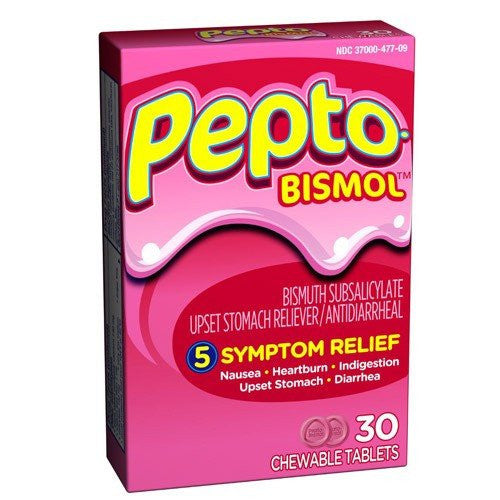
Pepto Bismol Chewable Tablets 48 Count
Retail$ 0.00Price $ 11.50 Black Friday extra 10% $ 10.35$ 11.50 -

 Sale 34%
Docusate Sodium 100 mg Stool Softener Laxative Softgels 1000 Count (Bulk Bottle)
Retail$ 49.95Sale 34% off$ 33.00 Black Friday extra 10% $ 29.7034% OFFOriginal price $ 49.95Current price $ 33.00 -

 Sale 38%
Cetirizine 10 mg All Day Allergy Relief Medicine Antihistamine (Comparable to Zyrtec)
Retail$ 7.95Sale 38% off$ 4.95 Black Friday extra 10% $ 4.4538% OFFOriginal price $ 7.95Current price $ 4.95 -

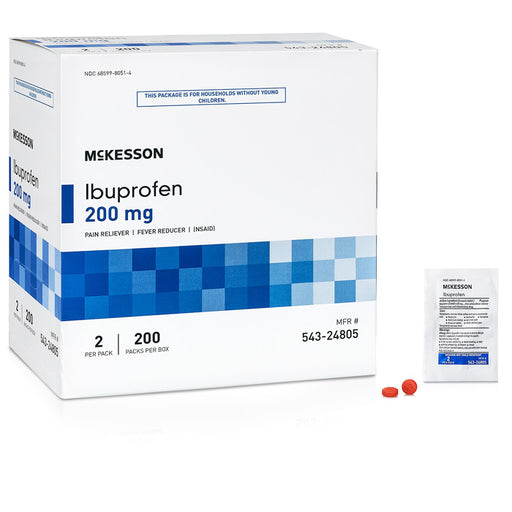 Sale 19%

Ibuprofen 200 mg Unit Dose Pain Relief Tablets 200 per Box
Retail$ 39.95Sale 19% off$ 32.30 Black Friday extra 10% $ 29.0719% OFFOriginal price $ 39.95Current price $ 32.30 -
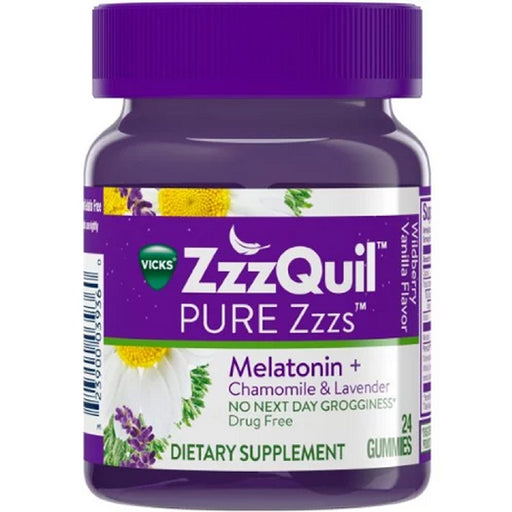 Sale 34%
Vicks Zzzquil Sleep Aid Gummies Pure Zzzs Melatonin Chamomile & Lavender 24 Count
4.0 (1) 4.0 out of 5 stars, 1 reviewRetail$ 17.95Sale 34% off$ 11.89 Black Friday extra 10% $ 10.7034% OFFOriginal price $ 17.95Current price $ 11.89 -

 Sale 39%
Pepto Bismol Liquid with Original Flavor for Heartburn, Indigestion, Nausea & Upset Stomach Relief 4 oz
Retail$ 6.95Sale 39% off$ 4.25 Black Friday extra 10% $ 3.8239% OFFOriginal price $ 6.95Current price $ 4.25 -
 Sale
TUMS Chewy Bites Heartburn Relief Antacid Assorted Berries, 32 Count
Retail$ 0.00Price $ 6.95 Black Friday extra 10% $ 6.25$ 6.95 -

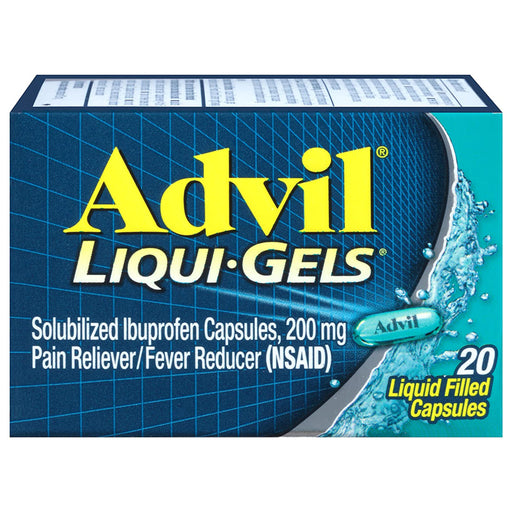 Sale 28%
Advil Liqui-Gel Minis Pain Reliever and Fever Reducer Ibuprofen 200mg 20 Count
Retail$ 9.95Sale 28% off$ 7.15 Black Friday extra 10% $ 6.4328% OFFOriginal price $ 9.95Current price $ 7.15 -
 Sale 25%
Gaviscon Extra Strength Chewable Antacid Tablets Cherry Flavor 100 Count
Retail$ 17.95Sale 25% off$ 13.49 Black Friday extra 10% $ 12.1425% OFFOriginal price $ 17.95Current price $ 13.49 -

 This item is sold out
Clear Eyes Seasonal Allergy Relief Eye Drops
Retail$ 0.00Price $ 4.65 Black Friday extra 10% $ 4.18$ 4.65 -

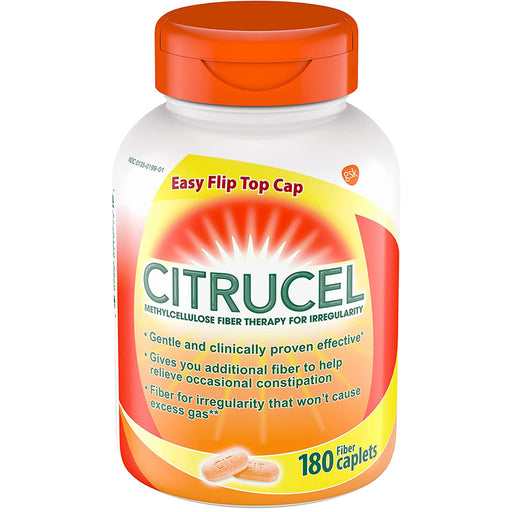 Sale
Citrucel Fiber Therapy Supplement For Regularity, Easy-to-Swallow 180 Caplets
Retail$ 0.00Price $ 33.95 Black Friday extra 10% $ 30.55$ 33.95 -

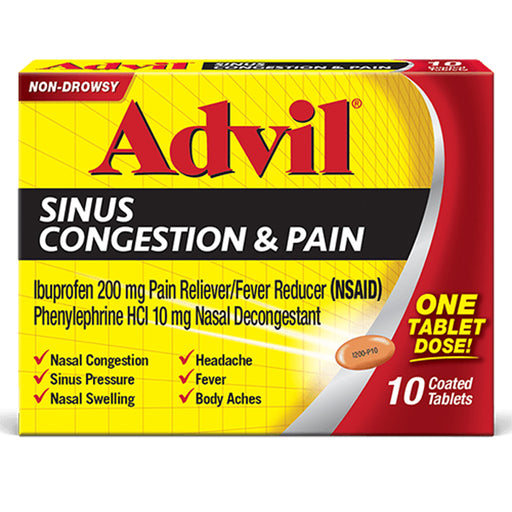 Sale 38%
Advil Sinus Congestion and Pain Relief Medicine, Ibuprofen 200mg, (10 Count)
Retail$ 15.95Sale 38% off$ 9.95 Black Friday extra 10% $ 8.9538% OFFOriginal price $ 15.95Current price $ 9.95 -
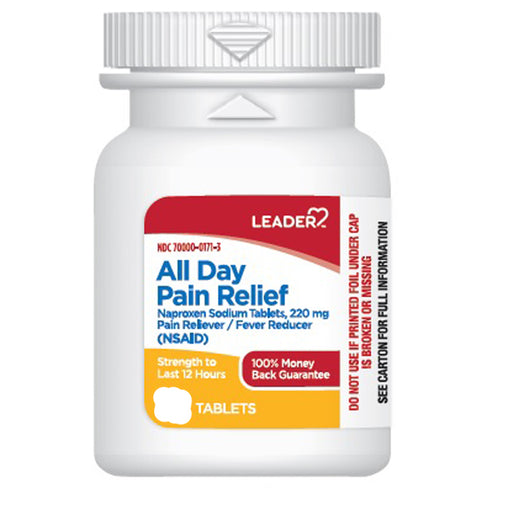 Sale 40%
Naproxen Sodium 220 mg Pain Reliever Tablets All Day Pain Relief, 24 Count (Compare to Aleve)
Retail$ 4.95Sale 40% off$ 2.99 Black Friday extra 10% $ 2.6940% OFFOriginal price $ 4.95Current price $ 2.99 -
 Sale 19%
Bonine Chewables Motion Sickness 16 Chewable Tablets
Retail$ 9.80Sale 19% off$ 7.90 Black Friday extra 10% $ 7.1119% OFFOriginal price $ 9.80Current price $ 7.90 -
 Sale 34%
Thiamine Vitmain B1 Supplement 50 mg Tablets 100 Count
Retail$ 8.95Sale 34% off$ 5.90 Black Friday extra 10% $ 5.3134% OFFOriginal price $ 8.95Current price $ 5.90 -

 Sale 38%
Multivitamin with Zinc Stress Formula for Energy, Immune Support & Stress Relief 60 Count
Retail$ 7.95Sale 38% off$ 4.95 Black Friday extra 10% $ 4.4538% OFFOriginal price $ 7.95Current price $ 4.95 -

 Sale 28%
Barbasol Classic 2 Disposable Razors 10 Pack
5.0 (1) 5.0 out of 5 stars, 1 reviewRetail$ 5.49Sale 28% off$ 3.95 Black Friday extra 10% $ 3.5528% OFFOriginal price $ 5.49Current price $ 3.95 -

 This item is sold out
Clear Eyes Cool Comfort Redness Relief Eye Drops
Retail$ 0.00Price $ 6.15 Black Friday extra 10% $ 5.53$ 6.15 -

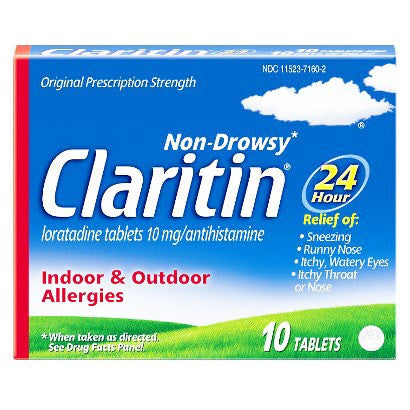 Sale 31%
Claritin Non-Drowsy 24 Hour Relief Allergy Medicine (Loratadine 10ml), 10 Count
Retail$ 19.95Sale 31% off$ 13.80 Black Friday extra 10% $ 12.4231% OFFOriginal price $ 19.95Current price $ 13.80 -
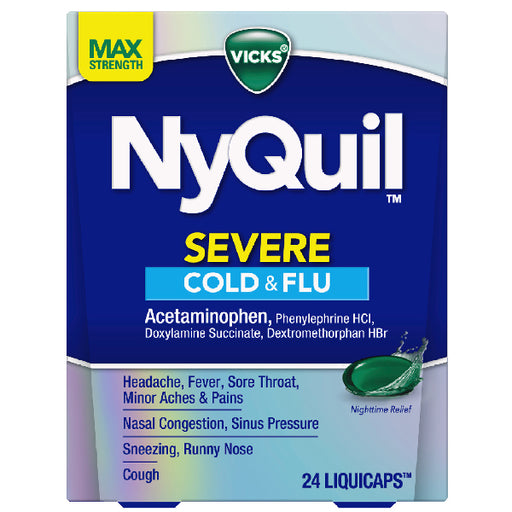 Sale 14%
Vicks NyQuil Severe Cold & Flu LiquiCaps 24 ct
Retail$ 19.95Sale 14% off$ 17.20 Black Friday extra 10% $ 15.4814% OFFOriginal price $ 19.95Current price $ 17.20 -
 Sale 33%
Herpecin-L Cold Sore Lip Balm
Retail$ 9.95Sale 33% off$ 6.69 Black Friday extra 10% $ 6.0233% OFFOriginal price $ 9.95Current price $ 6.69 -
 Sale 38%
Acetaminophen Liquid 1000 mg per 30 mL Pain Reliever/ Fever Reducer, Cherry Flavor, 8 oz
Retail$ 15.95Sale 38% off$ 9.95 Black Friday extra 10% $ 8.9538% OFFOriginal price $ 15.95Current price $ 9.95


People Also Searched For
Over-the-counter (OTC) drugs are medications that can be purchased directly by consumers without the need for a prescription from a healthcare professional. These drugs are widely available in pharmacies, supermarkets, and even some convenience stores.
Over-the-counter (OTC) drugs are pharmaceutical agents that are regulated for safe and effective self-use without the need for a prescription from a healthcare professional. Extensive evaluation by regulatory bodies such as the U.S. Food and Drug Administration (FDA), the European Medicines Agency (EMA), and the World Health Organization (WHO) OTC classification ensures a favorable risk-benefit profile when these medications are used according to label instructions.
Features of Over-the-counter Drugs
- Self-Use: OTC drugs are intended for self-care and treatment of minor health issues that do not require direct supervision by a doctor.
- Safety: They have been proven to be safe and effective for use by the general public when used as directed on the package labeling.
- Regulation: OTC drugs are regulated by health authorities (such as the U.S. FDA) to ensure their safety, quality, and effectiveness.
Clinical Indications & Uses:
-
Symptom Relief in Common, Self-limiting Conditions:
- Analgesics/Antipyretics (e.g., acetaminophen, NSAIDs): For mild to moderate pain (headache, musculoskeletal pain, dysmenorrhea) and fever reduction.
- Cough and Cold Preparations: Antitussives, expectorants, nasal decongestants, and antihistamines to alleviate symptoms of viral upper respiratory tract infections.
- Antacids and H2 Blockers (e.g., famotidine): For episodic heartburn, gastroesophageal reflux, and minor dyspeptic symptoms.
- Antidiarrheal Agents (e.g., loperamide): For symptomatic management of acute non-infectious diarrhea.
- Laxatives and Stool Softeners: For constipation relief.
- Topical Agents (e.g., hydrocortisone, antifungals, antibiotics): For minor skin irritations, fungal infections, or superficial bacterial skin infections.
-
Prevention and Prophylaxis:
- Barrier methods and spermicides: Non-prescription contraceptive options.
- Sunscreens and insect repellents: For skin protection and prevention of vector-borne diseases.
- Vitamins and minerals: For dietary supplementation in populations with identified or high risk of deficiency.
-
Chronic Condition Support and Self-management:
- Nicotine Replacement Therapy (NRT): For smoking cessation support.
- Allergy Management: Non-sedating antihistamines for seasonal or perennial allergic rhinitis.
- Ophthalmic and Otic Preparations: For mild inflammatory or allergic conditions of the eyes and ears.
-
First Aid and Hygiene:
- Antiseptics and Disinfectants: Wound cleansing, minor burns, and prevention of secondary infections.
- Oral Health: Toothpastes, mouthwashes, and topical oral analgesics for minor dental hygiene maintenance and pain relief.
Public Health Significance: OTC access allows for immediate, cost-effective symptom management and can reduce healthcare system burden by empowering patient-directed care in conditions where self-medication is low-risk and effective. OTCs can also serve as a “first-line” therapeutic option prior to escalation to medical consultation when appropriate.
Limitations and Risks:
- Misuse Potential: Incorrect application may result in masking of significant pathology, drug interactions, overuse, or toxicity (e.g., acetaminophen hepatotoxicity, NSAID-induced gastrointestinal complications).
- Population-specific Considerations: Vulnerable groups (pediatrics, geriatrics, polypharmacy, pregnancy/lactation, comorbidities) may require additional caution.
Examples
- Painkillers: Acetaminophen (Tylenol), ibuprofen (Advil)
- Allergy medications: Cetirizine (Zyrtec), loratadine (Claritin)
- Cough syrups: Dextromethorphan-containing products
- Antacids: Tums, Maalox
Important Points
- Label Instructions: It is important to follow instructions and dosing as provided on the package to avoid misuse or side effects.
- Limitations: OTC medications are not suitable for all medical conditions and are meant for mild, short-term issues. If symptoms persist or worsen, medical advice should be sought.
OTC drugs are intended for the safe, effective, and accessible self-management of a variety of minor acute and chronic health conditions, symptom relief, and preventive care, provided they are used in accordance with approved indications and dosing instructions. Their judicious use enhances patient autonomy, improves access to care, and eases healthcare resource utilization, but warrants careful public and professional education to minimize adverse outcomes.