
Filters
- All Natural Ingredients (1)
- Aloe Vera Gel (2)
- Anti-Inflammatory (3)
- Arthritis (4)
- Arthritis pain (7)
- arthritis pain relief (5)
- Arthritis Pain Relief Cream (4)
- Arthritis Pain Reliever (3)
- Arthritis Treatment (2)
- Back Pain (5)
- Best Arthritis Pain Cream (1)
- glucosamine and chondroitin sulfate (1)
- MSM (2)
- nerve pain (3)
- Nerve Pain Medication (1)
- Osteoarthritis Knee Pain (1)
- powerful antioxidants (1)
- Treat Arthritis (1)
- Treat Fibromyalgia (1)
- Treat Osteoarthritis (1)
- Turmeric (2)
- Muscle Pain (5)
- Muscle Therapy Gel (1)
- Pain Gel (2)
- Relieve Muscle Pain (5)
- Sports Injuries (1)
- Sports Recovery Gel (1)
- Sports Therapy Gel (1)
- Roll On (1)
- Aesthetic Supplies MedSpa Supplies & Cosmetic Surgery Supplies (1)
- anesthesologist (1)
- Anesthetic (6)
- anesthetic spray (2)
- Gebauer (1)
- Gebauer Pain Spray (1)
- Local Anesthetic (2)
- numb pain (1)
- Numb Skin (1)
- Pain ease Spray (1)
- Topical Anesthetic (8)
- 5% Lidocaine (2)
- Adhesive Patches (2)
- Aspercreme (1)
- Aspercreme Pain Relief (2)
- Aspercreme Creme with Lidocaine (1)
- Icy Hot (2)
- Icy Hot Patches (2)
- Pain Patches (2)
- Pain Relief Patches (3)
- Addaprin (1)
- Advil (7)
- Fever Reducer (7)
- ibuprofen (5)
- Ibuprofen Tablets (5)
- Packets (1)
- Pain Reducer (1)
- Unit Dose (1)
- Unit Dose Tablets (1)
- Analgesic (1)
- Cold Patch (1)
- Cold Therapy Pain Relief (1)
- Hot Pain Relief (2)
- Menthol (3)
- Pain Relief Medicine (2)
- topical analgesic (1)
- Topical Pain Relief (1)
- All Day Pain Reliever (2)
- Extra Strength Pain Relief (4)
- Fever Relief (4)
- Relieve Joint Pain (2)
- 20% Benzocaine (4)
- Benzocaine 20 (6)
- Canker Sores (2)
- Dental Work (1)
- Gum Pain (1)
- Mouth Sores (1)
- Oral Pian (1)
- Toothache (2)
- Beutlich Pharmaceutical (1)
- Canker sores (1)
- Fresh Mint (1)
- Hurricane (1)
- Hurricane Anesthetic (1)
- Oral Gel (1)
- Oral Pain (2)
- Oral Topical Anesthetic (1)
- Sore Gums (1)
- Tooth pain (1)
- Aches (1)
- Anti-inflammatory Medication (1)
- Back Pain Relief (1)
- Generic Advil (1)
- Ibuprofen 200 mg (1)
- Joint pain Relief (1)
- menstrual cramp relief (1)
- Motrin (1)
- NSAID (3)
- pain medication (1)
- painkiller (1)
- Toothaches (2)
- Biofreeze (1)
- menthol (1)
- Sore Muscles (1)
- stiff joints (1)
- Camphor (3)
- capsaicin (1)
- Tiger Balm Patches (1)
- benzocaine (1)
- benzodent (1)
- mouth pain (1)
- mouth sores (1)
- oral pain (2)
- Arnica (1)
- Arnica Pain Relief Gel (1)
- Arnicare Pain Relief Cream (1)
- Camphor 11% (1)
- Cassia Oil (1)
- Clove Oil (1)
- Menthol 11% (1)
- Mint Oil (1)
- Relieve joint pain (1)
- Sports Balm (1)
- muscle pain (1)
- salonpas (1)
- Salonpas Lidocaine (1)
- Salonpas Pain Gel (1)
- sore muscles (1)
- Analgesia (1)
- doctor-only (2)
- Intramuscularly (1)
- Ketorolac for Injection (1)
- Ketorolac Shot (1)
- Ketorolac Tromethamine (1)
- ketorolac tromethamine injection (1)
- Moderate to severe pain (1)
- Nonsteroidal anti-inflammatory drugs (NSAIDs) (1)
- Prostaglandins (1)
- Short-term management (1)
- Surgical procedures (1)
- Toradol (1)
- cold sores (2)
- dental pain (1)
- hurricaine (1)
- HurriCaine Oral Gel (1)
- sore throat (2)
- wild cherry (1)
- Heating Pads (1)
- Hot Therapy (1)
- Moist Heating Pad (1)
- Bulk (1)
- bulk bottle (1)
- Arthritis Hot (1)
- Arthritis Relief Gel (1)
- Hot Cream (1)
- methyl salicylate (1)
- First aid antiseptic (1)
- Hurricaine (1)
- Tubes (1)
- Cherry (1)
- Cherry Flavor (1)
- Cough Drops (1)
- Cough suppressant (1)
- Sore Throat Pain (1)
- Blue Emu (1)
- Deep penetrating (1)
- Emu Oil (1)
- Glucosamine (1)
- muscle stimulator (1)
- r3500 (1)
- russian pain (1)
- Anesthetic Swabs (1)
- Bee Sting (1)
- Insect Bite Relief (1)
- Insect bites (1)
- Jelly Fish Bites (1)
- Mosquito bites (1)
- Still Kill (1)
- After Burn (1)
- Burn Cream (1)
- burn gel (1)
- burn relief (1)
- Burn Relief Gel (1)
- Burns (1)
- Lidocaine Hydrochloride (1)
- minor burns (1)
- Skin Burn (1)
- sunburns (1)
- Treat Burns (1)
- aloe vera (1)
- dermoplast (1)
- lanolin oil (1)
- numbing (1)
- pain anesthetic (1)
- pain spray (1)
- relieve pain (1)
- stop pain (1)
- Topical antiseptic (1)
- Anorectal cream (3)
- Hemorrhoid Cream (2)
- Hemorrhoidal Relief (2)
- Hemorrhoids (2)
- Rectal (2)
- Relieve Hemorrhoids (2)
- Tronolane (1)
- Advil Chewables (1)
- Advil JR (1)
- Advil Junior (1)
- Advil Pain Relief (2)
- children's (1)
- Childrens Aspirin (1)
- cold & flu (1)
- cold and flu (1)
- Cold Cough (1)
- Cold Medication (1)
- Cold Symptom (1)
- cough and cold relief (1)
- Fevers (1)
- Illness (1)
- Nighttime cold medicine (1)
- non drowsy (2)
- Pediatric (1)
- Pediatric Medicine (1)
- Runny Nose (3)
- Sickness (1)
- Advil Migraine (1)
- Capsules (1)
- Headache (3)
- Liquid Filled (1)
- Relieve Migraine Pain (1)
- Finger Cots (1)
- Rectal Pain Relief (2)
- Recticare (1)
- RectiCare Cream (1)
- Rectum (1)
- Anbesol (1)
- canker sore (1)
- Canker Sore Treatment (1)
- Cold Sore (1)
- Cervical Collar (1)
- Heat Pad (1)
- Neck Pain (1)
- Neck Wrap (1)
- Leg Pain (1)
- Mucsle Pain (1)
- Roll on (1)
- Rosemary (1)
- Hydrocortisone Acetate (1)
- Hydrocortisone Cream (1)
- Lidocaine with Hydrocortisone Acetate (1)
- Rectal Cream (1)
- Contains cassia oils (1)
- Pain Relieving Ointment (1)
- Anti itch (1)
- Gold Bond (1)
- Gold Bond Cream (1)
- Gold Bond with Lidocaine (1)
- Itch Relief (1)
- Itch Relief Cream (1)
- Itch Relief Treatment (1)
- Itch Skin (1)
- Itching (1)
- Itching Relief (1)
- Relieve itching (1)
- stop itching (1)
- Dual Channel (1)
- Ten Unit (1)
- Tens Unit (2)
- Ultima 3 (1)
- Ultima 3T (1)
- Relieve Back Pain (1)
- Treat Nerve Pain (1)
- Acetaminophen 500mg (1)
- Acetaminophen Pain Relief (1)
- Acetaminophen Pain Reliever (1)
- Fever Reducers (1)
- Headaches (2)
- Tylenol (1)
- Tylenol Extra Strength (1)
- Tylenol pain Relief (1)
- Tylenol Tablets (1)
- Advil Liqui-Gels (1)
- Advil Liqui-Gels Minis (1)
- Advil Liquid gels (1)
- Advil Pain Reliever (1)
- Ibuprofen Capsules (1)
- Liquid Filled Capsules (1)
- Liquid Gel Caps (1)
- Oral Care (1)
- Ethyl Chloride (1)
- Ethyl Chloride Spray (1)
- Gebauer's Ethyl Chloride (1)
- Gebauer’s ethyl chloride (1)
- instant pain relief spray (1)
- IV start numbing spray (1)
- minor procedure anesthetic (1)
- Mist Spray (1)
- Numb Pain (1)
- pre-injection anesthetic (1)
- skin refrigerant spray (1)
- Sports Injury (1)
- back pain (1)
- Trolamine salicylate 10% (1)
- Advil Coated Tablets (1)
- Advil Multisymptom Cold and Flu (1)
- Advil Sinus Congestion and Pain (1)
- All Night Pain Reliever (1)
- Body Aches (1)
- Clear Nasal Passages (1)
- coated tablets (1)
- Complete Respiratory System: Sinus (1)
- Nasal Congestion (1)
- Nasal Congestion Relief (1)
- Nasal decongestant (1)
- Nasal Swelling (1)
- One Tablet Dose (1)
- sinus pressure (1)
- Sinus pressure relief (1)
- Sinus relief (1)
- Treat sinus infections (1)
Pain Management Products, TENS Units, Back, Neck & Arthritis Relief
Pain Management Products
Pain management products are items and therapies used to relieve pain. They include medications (analgesics), topical creams/patches, and devices (like TENS units or braces) that target pain. The right choices depend on pain type (acute injury vs. chronic pain vs. nerve pain) and severity. Below are major categories, uses, and tips.
Over-the-Counter (OTC) Analgesics
- Acetaminophen (Paracetamol): Widely used for mild-to-moderate pain and fever (e.g. headaches, muscle aches). It’s safe at recommended doses (generally ≤3 g per day for adults). Common products include Tylenol. Don’t exceed dosing and be aware that many cold/allergy remedies and prescription pain pills also contain acetaminophen. Overdose can cause serious liver injury, so read labels carefully.
- NSAIDs (Aspirin, Ibuprofen, Naproxen): Nonsteroidal anti-inflammatory drugs treat pain plus inflammation (useful for sprains, arthritis, menstrual cramps). Examples: ibuprofen (Advil/Motrin), naproxen (Aleve), and aspirin. They block pain and reduce swelling. Take them with food or milk to protect the stomach. Long-term or high-dose NSAID use can irritate the stomach lining (ulcers or bleeding) and strain the kidneys. People with ulcers, kidney disease, or certain heart conditions should use NSAIDs cautiously or under doctor’s advice. Aspirin is also a blood thinner, which is why it’s generally not recommended for young children (risk of Reye’s syndrome) and must be used carefully in anyone with bleeding disorders.
- Topical OTC remedies: These include creams, gels, and patches applied directly to the skin. Examples: diclofenac gel (Voltaren), lidocaine patches/creams, capsaicin cream (chili-cream), menthol/analgesic rubs (e.g. Icy Hot). They provide localized relief (e.g. an achy knee or back) with minimal systemic side effects. Use as directed (avoid open wounds or broken skin, and wash hands after application).
Prescription Medications
- Prescription-strength NSAIDs or Acetaminophen combos: Your doctor may prescribe higher doses of NSAIDs or combination analgesics (e.g. acetaminophen plus codeine or hydrocodone) for moderate pain. These offer stronger pain relief but require monitoring for side effects like sedation or constipation.
- Opioids: Drugs like oxycodone (OxyContin), hydrocodone, morphine, and tramadol are very potent painkillers reserved for severe acute pain (post-surgery, cancer pain) or pain unresponsive to other treatments. They act on brain and spinal cord receptors to block pain. While effective, opioids carry significant risks: sedation, respiratory depression, constipation, and dependence/addiction. Current guidelines emphasize maximizing non-opioid therapies first and using opioids only if benefits outweigh risks. Always take opioids exactly as prescribed, never share them, and discuss any risk factors (sleep apnea, COPD, substance history) with your doctor.
- Neuropathic pain agents: When pain is due to nerve damage (e.g. diabetic neuropathy, post-shingles pain, fibromyalgia), certain drugs originally for other uses can help. These include antidepressants (amitriptyline, nortriptyline, duloxetine) and anticonvulsants (gabapentin, pregabalin). They work by altering nerve signal pathways. Your doctor will advise if these are appropriate, as they require a prescription and dose adjustments.
- Muscle Relaxants: Prescription muscle relaxers (e.g. cyclobenzaprine, methocarbamol) can relieve pain from muscle spasms (back strain, injury). They often cause drowsiness or dizziness, so use with caution (avoid driving or alcohol).
Topical & Local Therapies
- Lidocaine Patches/Gels: These numb a local area (similar to numbing cream). Good for back pain, shoulder pain, or nerve pain in a specific spot. Can be very effective with minimal side effects.
- Capsaicin Creams: Made from chili peppers, these creams deplete pain-carrying nerve transmitters over time. Used for neuropathic pain or arthritis pain in joints/feet. Some patients find long-term relief with regular use (note a burning sensation when first applied is normal and usually fades).
- Cold Therapy (Ice): For acute injuries (sprains, bumps), ice packs or cold wraps can reduce swelling and numb pain. Apply for 15–20 minutes on the affected area, with a cloth barrier on skin to prevent frostbite. This is often part of the “RICE” regimen (Rest, Ice, Compression, Elevation).
- Heat Therapy: Heat (heating pad, warm bath) relaxes muscles and increases blood flow. It’s helpful for chronic aches or stiff muscles (e.g. sore back or arthritis stiffness). Do not apply heat to a new injury or swelling. Use comfortably warm (not scalding) and never sleep on a heating pad.
Devices & Physical Aids
- TENS Units: Transcutaneous Electrical Nerve Stimulation (TENS) devices are battery-operated gadgets that send mild electrical pulses through the skin via adhesive pads. Many people use TENS for back pain, neck pain, neuropathic pain, etc. When set at a strong but comfortable intensity, TENS can block pain signals and provide short-term relief. In fact, a large 2022 review found that properly used TENS leads to clinically important pain reduction during or immediately after treatment. No major side effects occur with TENS (aside from minor skin irritation), but its effectiveness varies by person and condition. Always follow the device instructions and keep pads on intact skin away from cuts. (Note: People with pacemakers or epilepsy should consult their doctor before using TENS.)
- Braces and Support Garments: Knee braces, wrist splints, lumbar (back) support belts, and compression sleeves can help stabilize joints/tissues and reduce pain during movement. For example, wearing a knee brace during activity can ease arthritis pain. Make sure these fit correctly (not too tight) and are used as directed.
- Compression and Elevation: Elastic wraps or compression stockings can help with swollen limbs (e.g. after sprains). Elevating the limb above the heart when resting can also reduce swelling and pain.
- Assistive Chairs and Cushions: Ergonomic chairs, lumbar cushions, or neck pillows can indirectly relieve pain (especially chronic lower-back or neck pain) by improving posture and reducing stress on affected areas. Even small products like gel seat pads can make a difference for some patients.
Other Therapies & Supplements
- Acupuncture and Massage: These are not “products” per se but are complementary pain management modalities. Many patients find relief from acupuncture (fine needles at pressure points) or therapeutic massage. CDC pain guidelines explicitly list acupuncture and massage among useful non-drug therapies for chronic pain. These should be done by qualified practitioners.
- Biofeedback and Relaxation Aids: Devices like biofeedback monitors or smartphone apps that teach relaxation, breathing exercises, or meditation can help manage pain by reducing stress and muscle tension. While not a quick fix, they are safe and can improve chronic pain over time.
- Supplements: Some people use over-the-counter supplements like glucosamine-chondroitin (for joint pain) or omega-3 fish oil (for inflammation). The evidence is mixed. If you try these, choose reputable brands and inform your doctor (they can interact with medications or have side effects). Supplements are not regulated as strictly as medications, so caution is advised.
- Cannabidiol (CBD) products: CBD oil, creams, and patches are widely marketed for pain relief. Research is still limited. If used, ensure the product is legal in your area, and talk to your doctor about dosing and safety. (Note: CBD can interact with other meds and is not FDA-approved specifically for pain.)
Tips for Safe, Effective Use
- Follow Directions Carefully: Always use pain products as directed. Don’t exceed the recommended dose or frequency. For example, do not take more than 3,000–4,000 mg of acetaminophen per day. If symptoms persist, consult a doctor rather than self-increasing the dose.
- Check Labels: Many combination drugs contain analgesics. Read all ingredient labels to avoid doubling up. For instance, taking plain acetaminophen and also a cold medicine that contains acetaminophen can easily lead to overdose. Similarly, avoid combining multiple NSAIDs (like ibuprofen + aspirin) unless a doctor advises it.
- Use the Lowest Effective Dose: Start with the gentlest option that relieves your pain. For example, try acetaminophen first for a mild headache. If it’s not enough, you might alternate it with an NSAID (as recommended by some guidelines) or move up to prescription therapies for stronger pain. Using the lowest effective dose reduces side effects.
- Protect Your Stomach: Take NSAIDs with food, milk, or an antacid to lower the risk of stomach upset or ulcers. If you have a history of stomach bleeds, ask about COX-2-selective NSAIDs (they are gentler on the gut) or use acetaminophen instead.
- Mind Drug Interactions: Tell your doctor and pharmacist about all medications and supplements you take. Certain drugs (like blood thinners, blood pressure meds, SSRIs) can interact with painkillers. For instance, NSAIDs can raise blood pressure or react with anticoagulants, and some antidepressants can increase bleeding risk if taken with NSAIDs.
- Be Cautious with Addiction-Risk Drugs: If you use prescription opioids, do so only under medical supervision. Never mix opioids with alcohol or other sedatives (like benzodiazepines); this can dangerously depress breathing. Your doctor may prescribe laxatives or stool softeners to prevent constipation from opioids. Also inquire about carrying naloxone (an opioid overdose antidote) if you’re on high doses or have risk factors.
- Rotate Therapies: Combining therapies often gives the best relief. For example, after an acute injury apply ice and take a pain reliever, then use heat or gentle stretching during recovery. If one medication wears off or has side effects, consider switching to another class (e.g. from ibuprofen to acetaminophen) under guidance. This can maintain pain control while minimizing side effects.
- Stay Active and Exercise: Where appropriate, gentle exercise and movement reduce pain over time. Physical therapy, stretching, or low-impact activities (walking, swimming, yoga) strengthen muscles and improve flexibility, easing chronic pain. The CDC notes exercise as a key non-drug therapy for back pain, arthritis, and fibromyalgia. Even short, regular activity often yields significant benefits.
- Mind-Body Techniques: Techniques like deep breathing, meditation, and cognitive-behavioral therapy (CBT) can help manage chronic pain by reducing stress and improving coping. For example, CBT programs have helped many patients alter pain perceptions and improve function. These are safe add-ons that any person in chronic pain should consider.
- Weight Management: If overweight, losing even a few pounds can significantly reduce joint pain (especially in knees and hips). Diet modifications or working with a nutritionist can be an important part of a pain management plan.
- Monitor and Communicate: Keep track of what works and what side effects you get. If a product isn’t helping or is causing problems (new pain, rash, gastrointestinal issues), report this to your healthcare provider. Never ignore severe symptoms like chest pain or difficulty breathing; seek medical help. Also tell your doctor if pain limits daily activities (sleeping, walking, working) despite these products. Effective pain management often requires adjusting the plan over time.
Key Takeaway: Pain management products range from simple OTC medications (acetaminophen, NSAID pills or gels) to advanced prescription drugs and devices (opioids, nerve stimulators). The “most effective” choice depends on your pain’s cause and severity. For example, NSAIDs are excellent for inflammatory pain (arthritis, sprains), while topical lidocaine or capsaicin may be best for localized nerve or muscle pain. Always use products safely (observe doses, check interactions) and combine them with non-drug measures (ice/heat, movement, stress reduction). If pain is severe, new, or not improving, consult a healthcare provider. With proper use, the right combination of these products can greatly improve comfort and daily functioning.
-
 Sale 27%
Original price $ 29.95Current price $ 21.95
Sale 27%
Original price $ 29.95Current price $ 21.95KT Tape Kinesiology Tape 10" Pro Strips Jet Black Color 20 Strips
KT Tape Kinesiology Therapeutic Tape Pro Strips Jet Black Color is a type of kinesiology tape that is designed to provide support and relief for a ...
View full details -
 Sale 27%
Original price $ 29.95Current price $ 21.95
Sale 27%
Original price $ 29.95Current price $ 21.95KT Tape Kinesiology Tape 10" Pro Strips Sonic Blue Color 20 Strips
KT Tape Kinesiology Therapeutic Tape Pro Strips sonic blue color is a type of kinesiology tape that is designed to provide support and relief for a...
View full details -
 Sale 40%
Original price $ 12.95Current price $ 7.75
Sale 40%
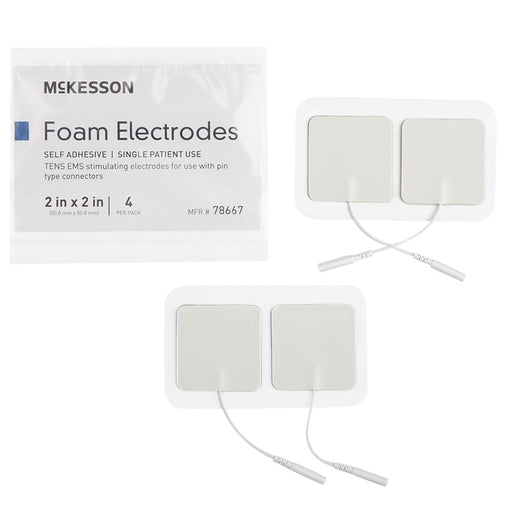
Original price $ 12.95Current price $ 7.75Replacement Form Electrodes For Tens and EMS Units (2 x 2 inch)

Replacement form electrodes are small, adhesive pads that are used in conjunction with TENS (Transcutaneous Electrical Nerve Stimulation) and EMS (...
View full details -
 Sale 31%
Original price $ 199.95Current price $ 138.00
Sale 31%
Original price $ 199.95Current price $ 138.00Nalbuphine Hydrochloride 10 mg/mL Ampules 1 mL x 10/Pack (Rx)

Nalbuphine Hydrochloride Injection 10 mg/mL (Pfizer) Nalbuphine hydrochloride is a synthetic opioid analgesic (an agonist–antagonist) and a prescri...
View full details🔒 Medical License Required -
 Sale 22%
Original price $ 84.95Current price $ 66.00
Sale 22%
Original price $ 84.95Current price $ 66.00Celestone Soluspan Injection Betamethasone Sodium Phosphate & Acetate Multiple-Dose Vial 5 mL (RX)
1 reviewCelestone Soluspan Injection is a trusted biosimilar corticosteroid medication featuring a powerful combination of Betamethasone Sodium Phosphate a...
View full details🔒 Medical License Required -
 Sale 49%
Original price $ 38.95Current price $ 19.95
Sale 49%
Original price $ 38.95Current price $ 19.95Diclofenac Sodium 75 mg Tablets 100 Count (RX)
1 reviewDiclofenac sodium 75 mg tablets are used to relieve pain and inflammation in conditions such as arthritis, osteoarthritis, rheumatoid arthritis, an...
View full details🔒 Medical License Required -
 Sale 29%
Original price $ 23.95Current price $ 16.89
Sale 29%
Original price $ 23.95Current price $ 16.89Diclofenac Sodium 50 mg Tablets 60 Count (RX)
Fast, Effective Relief for Pain and Inflammation Experience powerful, physician-recommended relief with Diclofenac Sodium 50 mg Tablets from Carlsb...
View full details🔒 Medical License Required -
 Sale 33%
Original price $ 14.95Current price $ 9.95
Sale 33%
Original price $ 14.95Current price $ 9.95Icy Hot Extra Strength XL Back Patches 3 Count
Icy Hot Extra Strength XL Back Patches are designed to provide relief for back pain and muscle soreness. These large patches deliver dual-action th...
View full details -
 Sale 26%
Original price $ 94.95Current price $ 69.95
Sale 26%
Original price $ 94.95Current price $ 69.95Dexmedetomidine Injection 400 mcg Per mL Multiple-Dose Vials 4 mL by Somerset 4/Box (RX)
Premium Sedation, Anxiolytic & Analgesic Solution for Hospitals, Clinics, Surgery Centers & Critical Care Dexmedetomidine Injection 400 mcg...
View full details🔒 Medical License Required -
 Sale 33%
Original price $ 69.95Current price $ 47.00
Sale 33%
Original price $ 69.95Current price $ 47.00Duraclon Clonidine HCl Injection 100 mcg Per mL Preservative Free 10 mL (RX)
Duraclon (Clonidine HCl Injection) 100 mcg is used primarily for the management of severe pain in cancer patients. Administered epidurally, it acts...
View full details🔒 Medical License Required -
 Sale 33%
Original price $ 14.95Current price $ 9.95
Sale 33%
Original price $ 14.95Current price $ 9.95Bengay Ultra Strength Pain Relieving Patches Large Size 4-Pack
Relieve aches with Bengay Ultra Strength Pain Patches. Designed for targeted relief of muscle and joint pain, enhancing daily mobility and comfort....
View full details -
 Sale 46%
Original price $ 13.95Current price $ 7.59
Sale 46%
Original price $ 13.95Current price $ 7.59Naproxen Sodium 220 mg Easy-to-Swallow Tablets 90 Count
Naproxen Sodium 220 mg Easy-to-Swallow Tablets Naproxen Sodium 220 mg by Padagis – your #1 choice for all-day comfort and effective pain relief. Th...
View full details -
 Sale 32%
Original price $ 9.95Current price $ 6.74
Sale 32%
Original price $ 9.95Current price $ 6.74Advil Dual Action Tablets Ibuprofen with Acetaminophen Per Dose for 8 Hours Relief, 18/Bottle
Experience comprehensive pain relief with Advil Dual Action Tablets by Haleon US Services. Each dose combines 250mg Ibuprofen and 125mg Acetaminoph...
View full details -
 Sold out
Original price $ 325.00Current price $ 279.00
Sold out
Original price $ 325.00Current price $ 279.00BLT Numbing Cream Topical Analgesic with Lidocaine, Benzocaine, Tetracaine 10 gram x 25/Box
BLT Numbing Cream offers fast pain relief for tattoos, laser hair removal, and minor procedures. BLT Numbing Cream is trusted by professionals for ...
View full details -
 Sold out
$ 2,200.00
Sold out
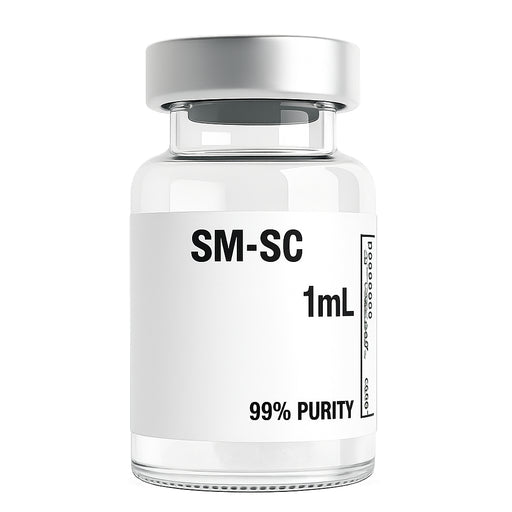
$ 2,200.00Stem Cell Injections, Pure Mesenchymal Stem Cells (MSCs) 30 Million Cells 0.8L Vial (RX)
This product needs to be purchased from our Partner company Skydell Medical. Set up an account here to Buy: **Create Account Here The ultimate in...
View full details -
 Sold out
Original price $ 2,400.00Current price $ 1,700.00
Sold out
Original price $ 2,400.00Current price $ 1,700.00Stem Cell Injection Therapy, (HSC) Hematopoietic with (MSC) Mesenchymal Stem Cells, Regenerative Medicine
Stem Cell injections are to be purchased from our Partner company Skydell Medical. Set up an account here to Buy: **Create Account Here A dual-ac...
View full details -
 Sale 32%
Original price $ 67.95Current price $ 46.00
Sale 32%
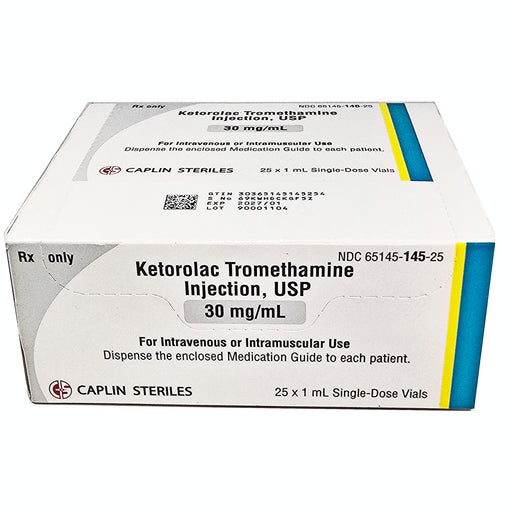
Original price $ 67.95Current price $ 46.00Ketorolac Tromethamine Injection 30mg/mL Single-Dose 1 mL x 25/Box (Rx)
Buy Ketorolac Tromethamine Injection – Fast, Potent Non-Opioid Pain Relief Optimize your acute moderate to severe pain management with Ketorolac Tr...
View full details🔒 Medical License Required -
 Sale 27%
Original price $ 54.95Current price $ 39.95
Sale 27%
Original price $ 54.95Current price $ 39.95Clonidine Hydrochloride Injection 1000 mcg/10 mL (100 mcg/mL) x 1 Vial (RX)
Premium Prescription Solution for Hypertension, Pain Management and More Buy Clonidine Hydrochloride Injection 1000 mcg/10 mL and experience fast, ...
View full details🔒 Medical License Required -
 Sale 36%
Original price $ 24.95Current price $ 15.95
Sale 36%
Original price $ 24.95Current price $ 15.95Absorbine Pro Pain Relief Lidocaine 4% Roll-On, No Mess, Non-Greasy Formula
Maximum-Strength Nerve & Muscle Pain Relief – Fast, Deep-Penetrating Numbing Action! Instant, mess-free relief from nerve pain, muscle aches, a...
View full details -
 Sale 33%
Original price $ 14.95Current price $ 9.95
Sale 33%
Original price $ 14.95Current price $ 9.95AsperFlex Pain Relief Lidocaine 4% Patches, 8 Hour Relief 5/Box
Fast-Acting, Long-Lasting Pain Relief Where You Need It Most! Say goodbye to chronic pain with AsperFlex Pain Relief Lidocaine 4% Patches by Akron ...
View full details -
 Sale 19%
Original price $ 1,595.00Current price $ 1,295.00
Sale 19%
Original price $ 1,595.00Current price $ 1,295.00Tetracaine HCL 1% Injection 10 mg for Prolonged Spinal Anesthesia, Single-dose 2 mL x 10/Box (Rx) * Refrigerated*
Ultimate Local Anesthetic Solution for Advanced Pain Management and Spinal Anesthesia Experience reliable, long-lasting anesthesia with Tetracaine ...
View full details🔒 Medical License Required -
 Sale 45%
Original price $ 8.95Current price $ 4.95
Sale 45%
Original price $ 8.95Current price $ 4.95Spectra 360 Electrode Gel 8.5 oz Conductive Gel for TENS Units, EEG Sensors
Spectra 360 Gel Spectra® 360 Gel is an electrically conductive electrode coupling gel (not a medication) made by Parker Laboratories. It is supplie...
View full details


People Also Searched For
Pain Management Products
Pain management products are items and therapies used to relieve pain. They include medications (analgesics), topical creams/patches, and devices (like TENS units or braces) that target pain. The right choices depend on pain type (acute injury vs. chronic pain vs. nerve pain) and severity. Below are major categories, uses, and tips.
Over-the-Counter (OTC) Analgesics
- Acetaminophen (Paracetamol): Widely used for mild-to-moderate pain and fever (e.g. headaches, muscle aches). It’s safe at recommended doses (generally ≤3 g per day for adults). Common products include Tylenol. Don’t exceed dosing and be aware that many cold/allergy remedies and prescription pain pills also contain acetaminophen. Overdose can cause serious liver injury, so read labels carefully.
- NSAIDs (Aspirin, Ibuprofen, Naproxen): Nonsteroidal anti-inflammatory drugs treat pain plus inflammation (useful for sprains, arthritis, menstrual cramps). Examples: ibuprofen (Advil/Motrin), naproxen (Aleve), and aspirin. They block pain and reduce swelling. Take them with food or milk to protect the stomach. Long-term or high-dose NSAID use can irritate the stomach lining (ulcers or bleeding) and strain the kidneys. People with ulcers, kidney disease, or certain heart conditions should use NSAIDs cautiously or under doctor’s advice. Aspirin is also a blood thinner, which is why it’s generally not recommended for young children (risk of Reye’s syndrome) and must be used carefully in anyone with bleeding disorders.
- Topical OTC remedies: These include creams, gels, and patches applied directly to the skin. Examples: diclofenac gel (Voltaren), lidocaine patches/creams, capsaicin cream (chili-cream), menthol/analgesic rubs (e.g. Icy Hot). They provide localized relief (e.g. an achy knee or back) with minimal systemic side effects. Use as directed (avoid open wounds or broken skin, and wash hands after application).
Prescription Medications
- Prescription-strength NSAIDs or Acetaminophen combos: Your doctor may prescribe higher doses of NSAIDs or combination analgesics (e.g. acetaminophen plus codeine or hydrocodone) for moderate pain. These offer stronger pain relief but require monitoring for side effects like sedation or constipation.
- Opioids: Drugs like oxycodone (OxyContin), hydrocodone, morphine, and tramadol are very potent painkillers reserved for severe acute pain (post-surgery, cancer pain) or pain unresponsive to other treatments. They act on brain and spinal cord receptors to block pain. While effective, opioids carry significant risks: sedation, respiratory depression, constipation, and dependence/addiction. Current guidelines emphasize maximizing non-opioid therapies first and using opioids only if benefits outweigh risks. Always take opioids exactly as prescribed, never share them, and discuss any risk factors (sleep apnea, COPD, substance history) with your doctor.
- Neuropathic pain agents: When pain is due to nerve damage (e.g. diabetic neuropathy, post-shingles pain, fibromyalgia), certain drugs originally for other uses can help. These include antidepressants (amitriptyline, nortriptyline, duloxetine) and anticonvulsants (gabapentin, pregabalin). They work by altering nerve signal pathways. Your doctor will advise if these are appropriate, as they require a prescription and dose adjustments.
- Muscle Relaxants: Prescription muscle relaxers (e.g. cyclobenzaprine, methocarbamol) can relieve pain from muscle spasms (back strain, injury). They often cause drowsiness or dizziness, so use with caution (avoid driving or alcohol).
Topical & Local Therapies
- Lidocaine Patches/Gels: These numb a local area (similar to numbing cream). Good for back pain, shoulder pain, or nerve pain in a specific spot. Can be very effective with minimal side effects.
- Capsaicin Creams: Made from chili peppers, these creams deplete pain-carrying nerve transmitters over time. Used for neuropathic pain or arthritis pain in joints/feet. Some patients find long-term relief with regular use (note a burning sensation when first applied is normal and usually fades).
- Cold Therapy (Ice): For acute injuries (sprains, bumps), ice packs or cold wraps can reduce swelling and numb pain. Apply for 15–20 minutes on the affected area, with a cloth barrier on skin to prevent frostbite. This is often part of the “RICE” regimen (Rest, Ice, Compression, Elevation).
- Heat Therapy: Heat (heating pad, warm bath) relaxes muscles and increases blood flow. It’s helpful for chronic aches or stiff muscles (e.g. sore back or arthritis stiffness). Do not apply heat to a new injury or swelling. Use comfortably warm (not scalding) and never sleep on a heating pad.
Devices & Physical Aids
- TENS Units: Transcutaneous Electrical Nerve Stimulation (TENS) devices are battery-operated gadgets that send mild electrical pulses through the skin via adhesive pads. Many people use TENS for back pain, neck pain, neuropathic pain, etc. When set at a strong but comfortable intensity, TENS can block pain signals and provide short-term relief. In fact, a large 2022 review found that properly used TENS leads to clinically important pain reduction during or immediately after treatment. No major side effects occur with TENS (aside from minor skin irritation), but its effectiveness varies by person and condition. Always follow the device instructions and keep pads on intact skin away from cuts. (Note: People with pacemakers or epilepsy should consult their doctor before using TENS.)
- Braces and Support Garments: Knee braces, wrist splints, lumbar (back) support belts, and compression sleeves can help stabilize joints/tissues and reduce pain during movement. For example, wearing a knee brace during activity can ease arthritis pain. Make sure these fit correctly (not too tight) and are used as directed.
- Compression and Elevation: Elastic wraps or compression stockings can help with swollen limbs (e.g. after sprains). Elevating the limb above the heart when resting can also reduce swelling and pain.
- Assistive Chairs and Cushions: Ergonomic chairs, lumbar cushions, or neck pillows can indirectly relieve pain (especially chronic lower-back or neck pain) by improving posture and reducing stress on affected areas. Even small products like gel seat pads can make a difference for some patients.
Other Therapies & Supplements
- Acupuncture and Massage: These are not “products” per se but are complementary pain management modalities. Many patients find relief from acupuncture (fine needles at pressure points) or therapeutic massage. CDC pain guidelines explicitly list acupuncture and massage among useful non-drug therapies for chronic pain. These should be done by qualified practitioners.
- Biofeedback and Relaxation Aids: Devices like biofeedback monitors or smartphone apps that teach relaxation, breathing exercises, or meditation can help manage pain by reducing stress and muscle tension. While not a quick fix, they are safe and can improve chronic pain over time.
- Supplements: Some people use over-the-counter supplements like glucosamine-chondroitin (for joint pain) or omega-3 fish oil (for inflammation). The evidence is mixed. If you try these, choose reputable brands and inform your doctor (they can interact with medications or have side effects). Supplements are not regulated as strictly as medications, so caution is advised.
- Cannabidiol (CBD) products: CBD oil, creams, and patches are widely marketed for pain relief. Research is still limited. If used, ensure the product is legal in your area, and talk to your doctor about dosing and safety. (Note: CBD can interact with other meds and is not FDA-approved specifically for pain.)
Tips for Safe, Effective Use
- Follow Directions Carefully: Always use pain products as directed. Don’t exceed the recommended dose or frequency. For example, do not take more than 3,000–4,000 mg of acetaminophen per day. If symptoms persist, consult a doctor rather than self-increasing the dose.
- Check Labels: Many combination drugs contain analgesics. Read all ingredient labels to avoid doubling up. For instance, taking plain acetaminophen and also a cold medicine that contains acetaminophen can easily lead to overdose. Similarly, avoid combining multiple NSAIDs (like ibuprofen + aspirin) unless a doctor advises it.
- Use the Lowest Effective Dose: Start with the gentlest option that relieves your pain. For example, try acetaminophen first for a mild headache. If it’s not enough, you might alternate it with an NSAID (as recommended by some guidelines) or move up to prescription therapies for stronger pain. Using the lowest effective dose reduces side effects.
- Protect Your Stomach: Take NSAIDs with food, milk, or an antacid to lower the risk of stomach upset or ulcers. If you have a history of stomach bleeds, ask about COX-2-selective NSAIDs (they are gentler on the gut) or use acetaminophen instead.
- Mind Drug Interactions: Tell your doctor and pharmacist about all medications and supplements you take. Certain drugs (like blood thinners, blood pressure meds, SSRIs) can interact with painkillers. For instance, NSAIDs can raise blood pressure or react with anticoagulants, and some antidepressants can increase bleeding risk if taken with NSAIDs.
- Be Cautious with Addiction-Risk Drugs: If you use prescription opioids, do so only under medical supervision. Never mix opioids with alcohol or other sedatives (like benzodiazepines); this can dangerously depress breathing. Your doctor may prescribe laxatives or stool softeners to prevent constipation from opioids. Also inquire about carrying naloxone (an opioid overdose antidote) if you’re on high doses or have risk factors.
- Rotate Therapies: Combining therapies often gives the best relief. For example, after an acute injury apply ice and take a pain reliever, then use heat or gentle stretching during recovery. If one medication wears off or has side effects, consider switching to another class (e.g. from ibuprofen to acetaminophen) under guidance. This can maintain pain control while minimizing side effects.
- Stay Active and Exercise: Where appropriate, gentle exercise and movement reduce pain over time. Physical therapy, stretching, or low-impact activities (walking, swimming, yoga) strengthen muscles and improve flexibility, easing chronic pain. The CDC notes exercise as a key non-drug therapy for back pain, arthritis, and fibromyalgia. Even short, regular activity often yields significant benefits.
- Mind-Body Techniques: Techniques like deep breathing, meditation, and cognitive-behavioral therapy (CBT) can help manage chronic pain by reducing stress and improving coping. For example, CBT programs have helped many patients alter pain perceptions and improve function. These are safe add-ons that any person in chronic pain should consider.
- Weight Management: If overweight, losing even a few pounds can significantly reduce joint pain (especially in knees and hips). Diet modifications or working with a nutritionist can be an important part of a pain management plan.
- Monitor and Communicate: Keep track of what works and what side effects you get. If a product isn’t helping or is causing problems (new pain, rash, gastrointestinal issues), report this to your healthcare provider. Never ignore severe symptoms like chest pain or difficulty breathing; seek medical help. Also tell your doctor if pain limits daily activities (sleeping, walking, working) despite these products. Effective pain management often requires adjusting the plan over time.
Key Takeaway: Pain management products range from simple OTC medications (acetaminophen, NSAID pills or gels) to advanced prescription drugs and devices (opioids, nerve stimulators). The “most effective” choice depends on your pain’s cause and severity. For example, NSAIDs are excellent for inflammatory pain (arthritis, sprains), while topical lidocaine or capsaicin may be best for localized nerve or muscle pain. Always use products safely (observe doses, check interactions) and combine them with non-drug measures (ice/heat, movement, stress reduction). If pain is severe, new, or not improving, consult a healthcare provider. With proper use, the right combination of these products can greatly improve comfort and daily functioning.