
Filters
- Adult Oxygen (1)
- Air Mask (1)
- Elongated Mask (1)
- Elongated Oxygen Mask (1)
- Hudson Rci (1)
- O2 Mask (3)
- Aerosol Mask (1)
- Asthma Treatment (2)
- Hudson RCI (16)
- Micro Mist (1)
- Neb Mask (1)
- Nebulizer Mask (1)
- Nebulizer Treatment (3)
- Asthma treatments (2)
- liquid medication (1)
- Medication Jar (1)
- Micromist (3)
- Mouthpiece (2)
- Neb Kit (2)
- Reservoir Tube (1)
- 1040 (1)
- Adult Oxygen mask (2)
- HUD1040 (1)
- o2 mask (1)
- Mask for Trach (1)
- Trach Mask (1)
- Tracheostomy (1)
- Tracheotomy Mask (1)
- Asthma Inhaler (1)
- Asthma Medication (2)
- Asthma Treatment Inhaler (1)
- Childrens Nebulizer Machine (1)
- Kids Nebulizer (1)
- Mouth Piece (2)
- mouthpieces (1)
- nebulizer (2)
- Nebulizer Mouthpiece (2)
- Treat Asthma (1)
- 1820 (1)
- Adult Nasal Cannula (1)
- cannula (1)
- Cannulas (1)
- oxygen cannula (1)
- Oxygen nasal cannula (1)
- Oxygen Tubing (1)
- Soft Nasal Cannula (1)
- Softtech (1)
- Nasal Tube (1)
- Over the Ear (1)
- Oxygen Cannula (2)
- Oxygen Supply (1)
- Continuous Flow (1)
- Curved Prong (1)
- O2 Cannula (1)
- Kids Mask (1)
- Oxygen delivery mask (1)
- Pediatric Oxygen Mask (1)
- Nebulizer with mouthpiece (1)
- Small Volume Nebulizer (1)
- Adult Mask (1)
- Non rebreathing oxygen mask (1)
- Non-Rebreather Oxygen Mask (1)
- Reservoir bag (1)
- Teleflex Medical (1)
- Air Entrainment Mask (1)
- high humidity entrainment (2)
- Multi-Vent Mask (1)
- Breathing Exerciser (1)
- Incentive Spirometer (1)
- Catch Water (1)
- Mosit in Tube (1)
- Trap mositure (1)
- water trap (1)
- Adjustable Mask (1)
- o2 Mask (1)
- Select a Vent (1)
- Select-A-Vent Mask (1)
- Trach Starter Kit (1)
- Trach Vent (1)
Filters
- Adult Oxygen (1)
- Air Mask (1)
- Elongated Mask (1)
- Elongated Oxygen Mask (1)
- Hudson Rci (1)
- O2 Mask (3)
- Aerosol Mask (1)
- Asthma Treatment (2)
- Hudson RCI (16)
- Micro Mist (1)
- Neb Mask (1)
- Nebulizer Mask (1)
- Nebulizer Treatment (3)
- Asthma treatments (2)
- liquid medication (1)
- Medication Jar (1)
- Micromist (3)
- Mouthpiece (2)
- Neb Kit (2)
- Reservoir Tube (1)
- 1040 (1)
- Adult Oxygen mask (2)
- HUD1040 (1)
- o2 mask (1)
- Mask for Trach (1)
- Trach Mask (1)
- Tracheostomy (1)
- Tracheotomy Mask (1)
- Asthma Inhaler (1)
- Asthma Medication (2)
- Asthma Treatment Inhaler (1)
- Childrens Nebulizer Machine (1)
- Kids Nebulizer (1)
- Mouth Piece (2)
- mouthpieces (1)
- nebulizer (2)
- Nebulizer Mouthpiece (2)
- Treat Asthma (1)
- 1820 (1)
- Adult Nasal Cannula (1)
- cannula (1)
- Cannulas (1)
- oxygen cannula (1)
- Oxygen nasal cannula (1)
- Oxygen Tubing (1)
- Soft Nasal Cannula (1)
- Softtech (1)
- Nasal Tube (1)
- Over the Ear (1)
- Oxygen Cannula (2)
- Oxygen Supply (1)
- Continuous Flow (1)
- Curved Prong (1)
- O2 Cannula (1)
- Kids Mask (1)
- Oxygen delivery mask (1)
- Pediatric Oxygen Mask (1)
- Nebulizer with mouthpiece (1)
- Small Volume Nebulizer (1)
- Adult Mask (1)
- Non rebreathing oxygen mask (1)
- Non-Rebreather Oxygen Mask (1)
- Reservoir bag (1)
- Teleflex Medical (1)
- Air Entrainment Mask (1)
- high humidity entrainment (2)
- Multi-Vent Mask (1)
- Breathing Exerciser (1)
- Incentive Spirometer (1)
- Catch Water (1)
- Mosit in Tube (1)
- Trap mositure (1)
- water trap (1)
- Adjustable Mask (1)
- o2 Mask (1)
- Select a Vent (1)
- Select-A-Vent Mask (1)
- Trach Starter Kit (1)
- Trach Vent (1)
Respiratory Supplies for Hudson RCI
-

 Sale 30%
Adult Oxygen Mask with 7 Foot tubing Elongated
Original price $ 1.79Current price $ 1.2624 reviews -
 Sale 32%
Nebulizer Mask Micro Mist Elongated Shape, Adult Size with 7 foot Tubing
Original price $ 3.95Current price $ 2.6873 reviews -
 Sale 3%
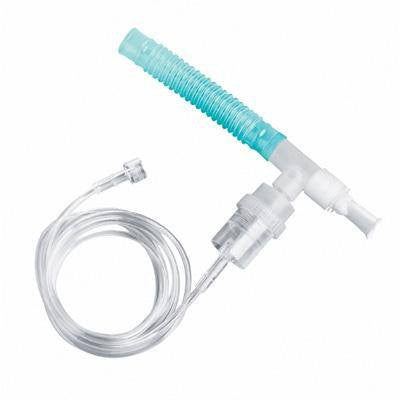
Nebulizer Treatment Kit with Mouthpiece and Reservoir Tube
Original price $ 1.95Current price $ 1.8936 reviews -

 Sale 23%
MicroMist Nebulizer Kit with Mouthpiece, Med cup and Tubing
Original price $ 2.95Current price $ 2.2775 reviews -
 Sale 27%
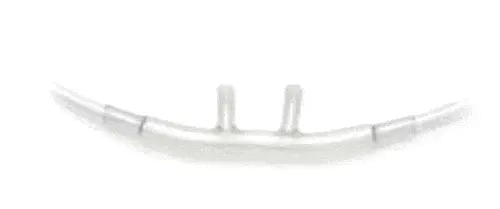
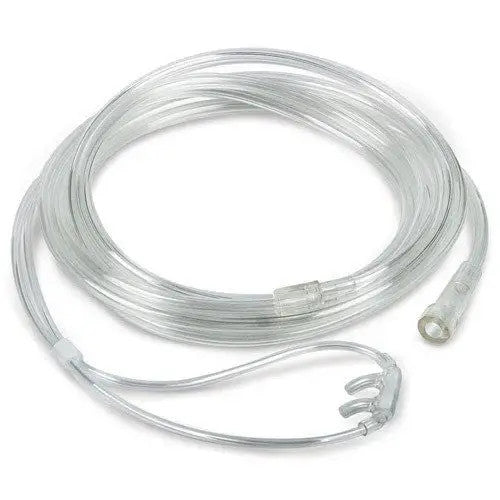
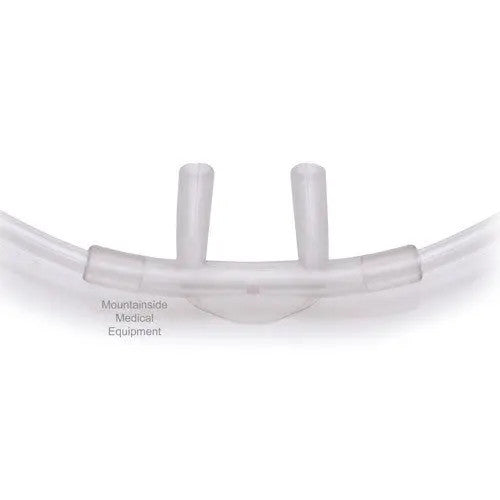
Soft-Touch Nasal Cannula with 7 Foot Star Lumen Tubing, 50/case
Original price $ 67.00Current price $ 49.0027 reviews -

 This item is sold out
-
 Sale 46%
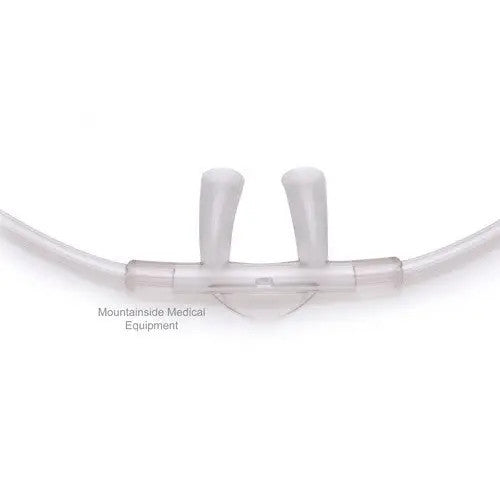
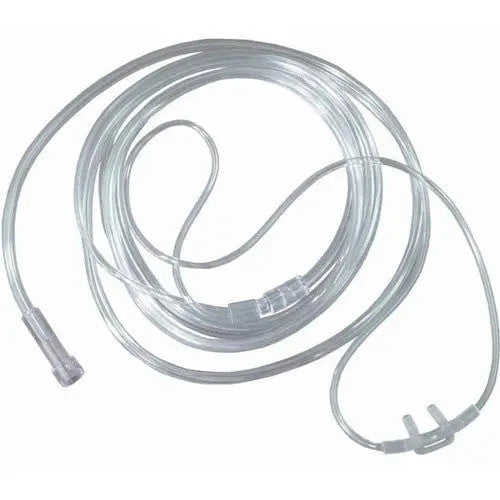
Nasal Cannula with Curved Nasal Prongs with 7 Foot Tubing
Original price $ 2.35Current price $ 1.2815 reviews -
 Sale 25%
-

 Sale 51%
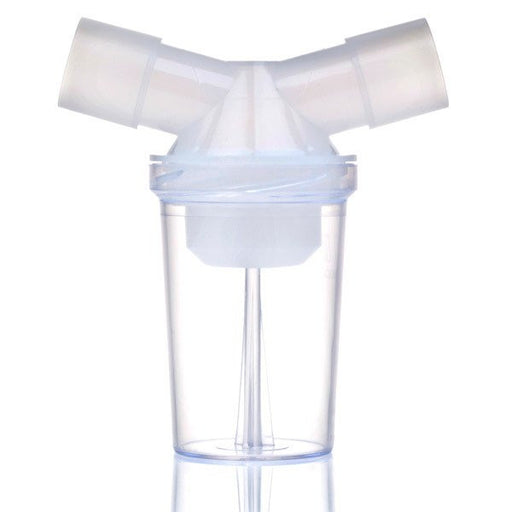
Nebulizer Mouthpiece with Tee Adapter and 7 Foot Tubing
 Original price $ 2.45Current price $ 1.192 reviews
 -
 Sale 41%
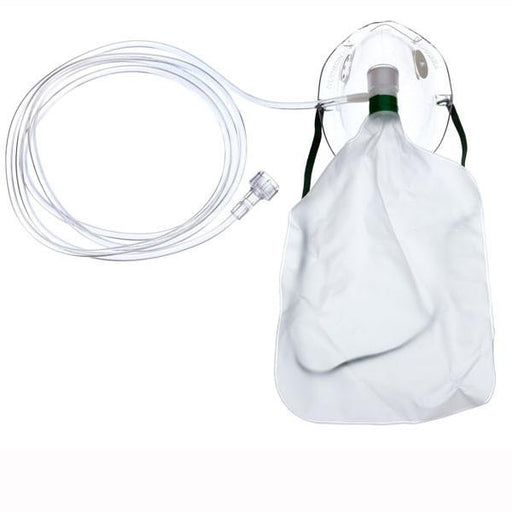
Non-Rebreathing Oxygen Mask, Adult with 7foot tubing, Universal Connector and vent
Original price $ 5.25Current price $ 3.101 review -
 Sale 27%
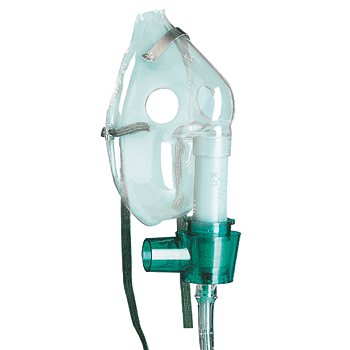
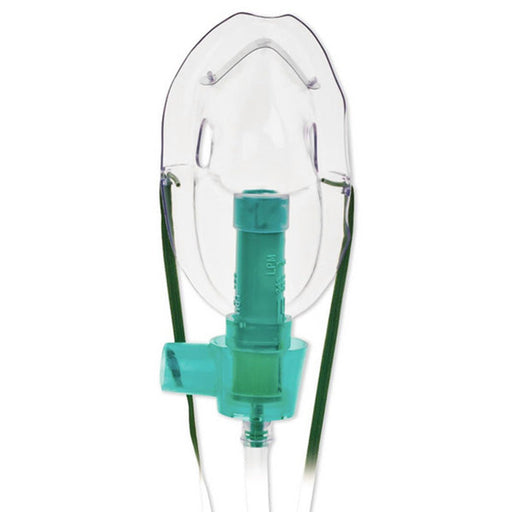
Multi-Vent Air Entrainment Mask Elongated Style Adult with Adjustable Head Strap & Nose Clip
Original price $ 4.99Current price $ 3.65




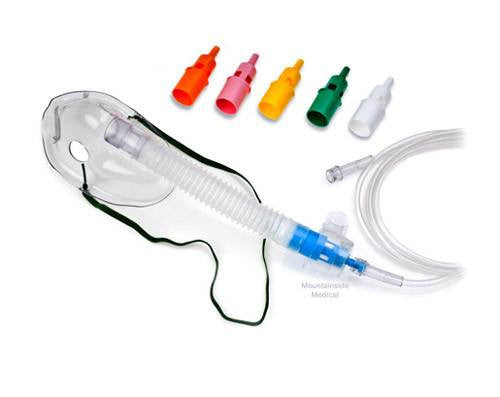

Respiratory Supplies
Respiratory supplies are medical devices and protective equipment used to support breathing and protect the lungs in clinical and industrial settings. These include ventilators (mechanical breathing support machines), oxygen delivery systems (tanks, concentrators and related tubing), positive-airway-pressure devices (CPAP/BiPAP for sleep apnea or acute care), medication delivery devices (nebulizers/inhalers), and personal protective respiratory equipment (masks and respirators). For example, mechanical ventilators “help people breathe when they are unable to do so on their own” by pumping oxygen-rich air into the lungs and maintaining airway pressure to prevent alveoli collapse. Similarly, nebulizers convert liquid medication into an aerosol spray delivered to the lungs, treating disorders like asthma or COPD. Oxygen concentrators and cylinders supply supplemental O₂ for patients with low blood oxygen, and spirometers and sensors monitor lung function. Protective gear includes filtering respirators (e.g. N95/FFP2 masks) which “filter at least 95% of airborne particles” when properly fitted. Table-topping “respiratory consumables” – masks, tubing, filters, valves, etc. – are single-use items needed to connect these devices to patients; many hospitals keep inventories of such consumables for normal operations, but demand can surge in crise.
- Ventilators and BiPAP/CPAP machines: These devices provide assisted ventilation. Invasive ventilators use an endotracheal tube, while non-invasive ventilators and CPAP/BiPAP use masks. Modern ventilators have modes (volume/pressure control, high-frequency ventilation, etc.) tailored to patient needs. CPAP machines deliver continuous positive airway pressure for sleep apnea or emergency support, adjusting pressure in response to breathing patterns.
- Oxygen delivery: Oxygen is delivered via cylinders or concentrators to patients with respiratory failure or chronic hypoxia. Devices like high-flow nasal cannula deliver warmed/humidified oxygen at high flow rates (up to 60–70 L/min) while allowing patient mobility. Accessories include flow regulators, humidifiers, masks, and cannulae.
- Medication delivery devices: Nebulizers and metered-dose inhalers generate aerosolized drugs. For instance, nebulizers “deliver aerosolized medications directly to the lungs” and are essential for treating asthma, COPD, pneumonia, etc.. Spacer chambers and masks are used for bronchodilators and steroids.
- Respiratory protective equipment (RPE): This category covers masks and respirators worn by healthcare workers and others to filter pathogens or particulates. An N95 respirator (NIOSH-approved) tightly seals the face and captures ≥95% of airborne particles. Surgical masks (looser fitting) protect against droplets but are not considered respirators. Powered air-purifying respirators (PAPRs) and elastomeric reusable respirators are also used in high-risk settings. RPE components include filter cartridges and face seals.
-
Consumables and accessories: Tubing, connectors, humidification chambers, endotracheal tubes, mask interfaces, and filters are needed to run ventilators and nebulizers. These are often single-use. For example, a hospital’s respiratory therapy department maintains stock of items like ventilator circuits and CPAP tubing. (Hospitals often list suppliers for these parts to avoid shortages.
Respiratory supplies are critical in many settings: intensive care units (for ARDS and other acute illnesses), emergency medicine, chronic care (COPD, sleep apnea), home care, and occupational safety (e.g. construction, labs). During the COVID-19 pandemic, demand for these supplies exploded. For example, one analysis notes that COVID-related border closures and factory shutdowns turned “PPE, ventilators and associated [respiratory] consumables” into “scarce resources”. A surge in cases led to many countries facing oxygen and ventilator shortages, straining global supply chains. Acute respiratory distress syndrome (ARDS) in COVID patients “commonly requires ventilation support,” which further strained supply – outsourcing ventilator production overseas created a market that was “depleted of supplies that were previously made on a demand basis”. Even normally adequate hospital inventories were swamped by the surge.
Supply chains for respiratory equipment are complex and internationalized. The OECD reports that global trade in medical devices (including respiratory devices) has grown dramatically – roughly 7-fold over the past 30 years, “reaching a total of USD 700 billion in 2022”. While globalization has increased availability, it also means many critical components (e.g. melt-blown filter fabric for N95 masks) come from concentrated regions, creating vulnerability to regional disruptions. In response to past crises, many governments and organizations have bolstered strategic stockpiles of ventilators, oxygen generators, and respirators. For instance, investments in domestic manufacturing (e.g. N95 production facilities) and nimble procurement have been prioritized to build resilience.
The respiratory supplies market is sizable and growing. The global respiratory protection equipment (RPE) market was about US$9.7 billion in 2022 and is forecast to exceed $13.8 billion by 2027. Major PPE manufacturers include 3M, Honeywell, DuPont, Ansell, and Drägerwerk. Similarly, the mechanical ventilator market (ICU and portable ventilators) is valued in the billions (over $1.1 billion in 2024) with major vendors like GE Healthcare, Philips, Draeger, Medtronic, and Fisher & Paykel. The sleep-apnea/CPAP device market is also large (multibillion-dollar globally) driven by prevalence of sleep disorders. Demand is fueled by an aging population and rising prevalence of respiratory diseases.
Current challenges and trends: Supply chains remain a focus of improvement. Efforts include better visibility of inventory, flexible “just-in-case” manufacturing, and international coordination to avoid shortages. Research into new materials and designs (e.g. reuseable elastomeric masks, advanced HEPA filters) is ongoing to balance protection, cost, and sustainability. Digital health integration (smart ventilators/CPAP with remote monitoring) is growing. Meanwhile, guidelines (from CDC/OSHA/NIOSH/WHO) continue to define performance standards – for example, requiring fit testing for N95 respirators to ensure the claimed high filtration efficiency.
In summary, respiratory supplies encompass a wide range of life-support and protective equipment essential for treating and preventing lung problems. Their use spans critical care (ventilators, oxygen), chronic therapy (CPAP, inhalers), and infection control (masks, respirators). The COVID-19 pandemic underscored their importance and the need for robust manufacturing and supply strategies. As healthcare demand grows worldwide, the respiratory supplies sector continues to expand, driven by both medical needs and technological innovation.
Purpose
- Support Healthy Breathing: Deliver oxygen, medication, or humidity to patients with respiratory compromise.
- Manage Chronic Lung Disease: Provide consistent therapy and symptom relief for asthma, chronic bronchitis, COPD, and cystic fibrosis.
- Enable Airway Clearance: Aid in mucus removal, infection control, and post-surgical pulmonary hygiene.
- Emergency & Critical Care: Provide life-saving oxygen, airway management, and acute bronchodilator therapy in urgent settings.
Uses
- Asthma & COPD Management: Daily inhaler/nebulizer therapy, peak flow monitoring, oxygen supplementation.
- Oxygen Therapy: Continuous or pulse oxygen delivery for hypoxemic adults and children, sleep apnea, or home ventilator care.
- Nebulization: Administration of bronchodilators, corticosteroids, antibiotics, and saline for airway disorders or acute symptoms.
- Post-Surgical, ICU & Emergency Care: Supplemental O2, ventilation, chest physiotherapy after surgeries or in critical illness.
- Pediatric Care: Special size masks, spacers, and humidifiers for children with acute bronchiolitis or asthma.
- Infection Control: Disposable masks, viral filters, and airway hygiene products during flu, COVID-19, pneumonia, and TB outbreaks.
Types of Respiratory Supples
- Nebulizers: Compressor, ultrasonic, mesh; handheld, tabletop, portable
- Inhalers: Metered-dose inhalers (MDI), dry powder inhalers (DPI), soft-mist inhalers
- Oxygen Concentrators & Cylinders: Stationary/home, portable, travel options
- Oxygen Masks, Nasal Cannulas, Reservoir Bags: Adult and pediatric sizes
- CPAP, BiPAP, & Ventilator Supplies: Masks, hoses, filters, humidifiers
- Peak Flow Meters, Spirometers, Pulse Oximeters: Home and professional monitoring
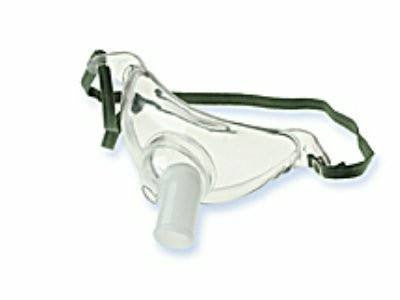
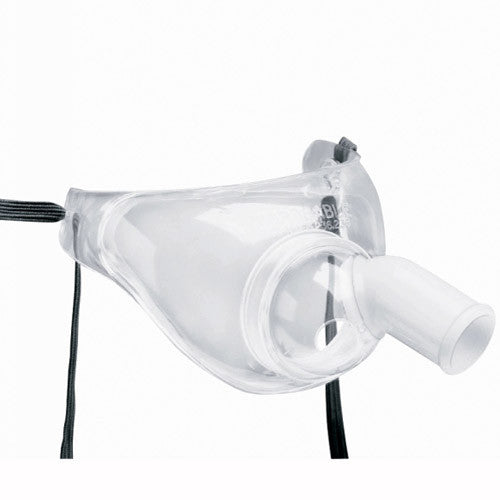
- Tracheostomy Supplies: Tracheostomy tubes, speaking valves, suction catheters
- Resuscitation Bags (BVM), Manual & AED Respiratory Kits
- Suction Machines, Chest Physiotherapy Devices, Incentive Spirometers
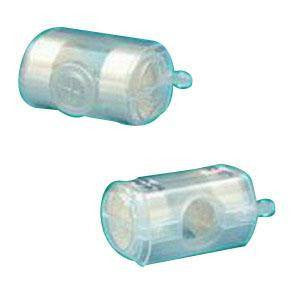
- Heat Moisture Exchange Filters (HME), Bacterial/Viral Filters
- Airway Clearance Therapy (vibratory PEP, oscillating devices)
Popular Brands:
- Philips Respironics
- ResMed
- Medline
- Pari
- Drive Medical
- DeVilbiss Healthcare
- Baxter
- 3B Medical
- Invacare
- Sunset Healthcare
- Pulmodyne
- Smiths Medical
- Teleflex
- Hudson RCI
- Omron
- Mallinckrodt
- Salter Labs
- Covidien (Medtronic)
- Fisher & Paykel Healthcare
Trusted by clinics, hospitals, and families worldwide for safe asthma care, COPD therapy, oxygen delivery, recovery, and emergency breathing support. Shop leading brands and all types, from nebulizers and inhalers to oxygen concentrators, masks, and pulse oximeters—order now for guaranteed quality, rapid shipping, and reliable care for every respiratory need!