
Filters
- antifungal cream (5)
- athlete's foot (4)
- doctor-only (3)
- Fungal Infections (4)
- Fungal Infections Treatment (4)
- Generic Mycostatin (2)
- Nystatin (2)
- Nystatin Cream (2)
- Nystatin Units (2)
- ringworm (5)
- Treat Athlete's foot (2)
- treat fungal infections (4)
- Yeast infections (2)
- Nystatin Cream 100000 Units (1)
- Antifungal cream (1)
- Clotrimazole (2)
- Clotrimazole Cream (2)
- Jock itch (3)
- Vaginal Infections (1)
- Vaginal Irritation (1)
- Antifungal Medications (2)
- Antifungal Treatment (2)
- Athlete’s foot (2)
- Athlete’s foot treatment (2)
- clotrimazole cream 1% (1)
- Foot Fungas (1)
- foot fungus cream (1)
- Fungal Skin Infections (1)
- itchy skin (1)
- jock itch relief (1)
- Jock Itch Treatment (2)
- tinea cruris (1)
- Tinea Pedis (2)
- Treat skin infections (1)
- 2% Miconazole Nitrate (2)
- Anti-itching lotion (1)
- Antifungal Medicated (2)
- Foot fungus (1)
- Fungal Rash (1)
- Fungus Infections (1)
- Itching (1)
- miconazole cream (1)
- Miconazole Nitrate Cream (1)
- Rash Cream (1)
- Relieve itching (1)
- Skin Fungus (1)
- stop itching (1)
- Tinea corporis (1)
- Tinea Cruris (1)
- Micatin (1)
Yeast Infection Treatments, Creams & Medicines to antifungal cream
A yeast infection usually refers to a vaginal yeast infection (vulvovaginal candidiasis), which is an overgrowth of Candida yeast in the vagina. Normally, a small amount of yeast lives in the vagina without causing issues, but factors like taking antibiotics, high stress, pregnancy, or even staying in a wet bathing suit too long can upset the natural balance and let yeast multiply. This leads to classic symptoms: intense itching, redness, swelling of the vulva, a burning sensation (especially during urination or sex), and often a thick, odorless white discharge that looks like cottage cheese. Yeast infections are very common – about 75% of women (and people assigned female at birth) will experience at least one in their lifetime. The good news is that yeast infections are highly treatable. Treatments come in two main forms: antifungal creams or suppositories that you apply directly in the vagina, and oral antifungal medications (pills) that treat the infection from the inside out. There are also some at-home remedies people try, but the most reliable cures are the medicated antifungal treatments.
Treatments for yeast infections primarily involve antifungal medications: either applied directly in the vagina (creams, suppositories) or taken by mouth (pills). Over-the-counter azole antifungals like miconazole or clotrimazole successfully cure most mild yeast infections. For tougher cases, doctors can prescribe stronger or longer therapy – such as fluconazole pills or other new medications – to fully clear the infection. While home remedies might ease things a bit, they’re not proven cures, so it’s best to rely on the antifungal treatments to get rid of the yeast. With proper treatment, most yeast infections improve within a few days and are fully resolved within a week or so If infections keep recurring, talk to a healthcare provider about longer-term strategies to keep the yeast in check. Remember, yeast infections are very common and nothing to be embarrassed about – and with the right approach, they’re very manageable and curable.
-
 Sale
$ 19.95
Sale
$ 19.95Nystatin Cream 100,000 Units USP (Rx)
12 reviewsNystatin Cream 100,000 Units is a highly effective antifungal treatment designed to alleviate and manage fungal skin infections. This topical medic...
View full details🔒 Medical License Required -
 Sale 31%
Original price $ 22.95Current price $ 15.95
Sale 31%
Original price $ 22.95Current price $ 15.95Nystatin Cream 100,000 Units by Torrent Pharmaceuticals, 30 grams (Rx)
1 reviewNystatin Cream 100,000 Units by Torrent Pharmaceuticals is a powerful antifungal medication used to treat a range of fungal infections of the skin,...
View full details🔒 Medical License Required -
 Sale 29%
Original price $ 9.79Current price $ 6.95
Sale 29%
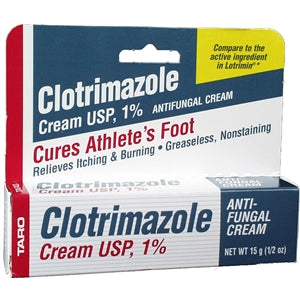
Original price $ 9.79Current price $ 6.95Clotrimazole Antifungal Cream 1% by Taro, 15 grams (Rx)
2 reviewsTaro Clotrimazole Cream 1% is an antifungal medication used to treat various fungal and certain yeast infections. It works by stopping the growth o...
View full details🔒 Medical License Required -
 Sale 34%
Original price $ 5.99Current price $ 3.95
Sale 34%
Original price $ 5.99Current price $ 3.95Clotrimazole 1% Antifungal Treatment Cream For Itching & Burning Relief 1 oz
5 reviewsFight fungal infections fast with Clotrimazole 1% Antifungal Cream by Rugby Laboratories – the #1 choice for effective, doctor-recommended relief f...
View full details -
 Sale 42%
Original price $ 11.95Current price $ 6.89
Sale 42%
Original price $ 11.95Current price $ 6.89Miconazole Nitrate Cream 2% Topical Antifungal Cream 1 oz Tube
Miconazole Nitrate Cream Miconazole nitrate cream is a topical antifungal (an imidazole) used to treat superficial skin infections caused by dermat...
View full details -
 Sale 45%
Original price $ 8.95Current price $ 4.95
Sale 45%
Original price $ 8.95Current price $ 4.95Miconazole Nitrate 2% AntiFungal Cream 1 oz by Leader
Miconazole Nitrate 2% Antifungal Cream Miconazole nitrate 2% is a topical (skin) antifungal medication sold over-the-counter. It belongs to the azo...
View full details


A yeast infection usually refers to a vaginal yeast infection (vulvovaginal candidiasis), which is an overgrowth of Candida yeast in the vagina. Normally, a small amount of yeast lives in the vagina without causing issues, but factors like taking antibiotics, high stress, pregnancy, or even staying in a wet bathing suit too long can upset the natural balance and let yeast multiply. This leads to classic symptoms: intense itching, redness, swelling of the vulva, a burning sensation (especially during urination or sex), and often a thick, odorless white discharge that looks like cottage cheese. Yeast infections are very common – about 75% of women (and people assigned female at birth) will experience at least one in their lifetime. The good news is that yeast infections are highly treatable. Treatments come in two main forms: antifungal creams or suppositories that you apply directly in the vagina, and oral antifungal medications (pills) that treat the infection from the inside out. There are also some at-home remedies people try, but the most reliable cures are the medicated antifungal treatments.
Treatments for yeast infections primarily involve antifungal medications: either applied directly in the vagina (creams, suppositories) or taken by mouth (pills). Over-the-counter azole antifungals like miconazole or clotrimazole successfully cure most mild yeast infections. For tougher cases, doctors can prescribe stronger or longer therapy – such as fluconazole pills or other new medications – to fully clear the infection. While home remedies might ease things a bit, they’re not proven cures, so it’s best to rely on the antifungal treatments to get rid of the yeast. With proper treatment, most yeast infections improve within a few days and are fully resolved within a week or so If infections keep recurring, talk to a healthcare provider about longer-term strategies to keep the yeast in check. Remember, yeast infections are very common and nothing to be embarrassed about – and with the right approach, they’re very manageable and curable.