Skip to content
Free US shipping over $100

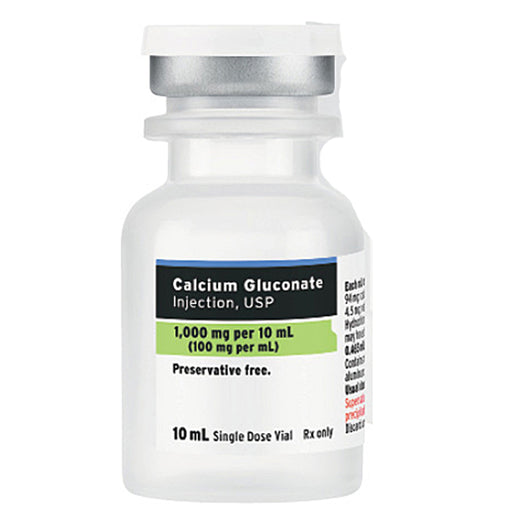
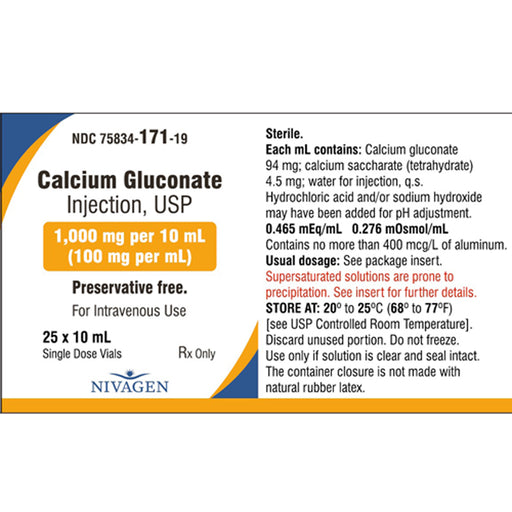
Calcium Gluconate Injection 1000 mg per 10 mL (100 mg per mL) SDV 10 mL x 10/Pack (Rx)

Sale 20%
Original price $ 225.00
Current price $ 179.00
SKU 80830-1672-02
*Mountainside Medical does not fill personal prescriptions Medical Professional License Required to Unlock Account

How to Order:

Send an email request to: sales@mountainside-medical.com

You will receive instructions on how to create an account along with Rx Ordering Details.

(Note: Acceptable licenses must have Prescriptive Authority in the license issuing state.)

Calcium Gluconate Injection 1000 mg usually refers to a single-dose 10 mL vial containing a sterile 10% solution for intravenous administration. This medication is used to manage severe low calcium levels and certain emergency situations.

Uses and Indications

Calcium Gluconate Injection is primarily indicated for:

  • Acute symptomatic hypocalcemia: Used to quickly restore critically low blood calcium levels.
  • Hyperkalemia: Helps protect the heart by stabilizing cardiac membranes in the presence of dangerously high potassium levels—it does not decrease potassium levels.
  • Magnesium toxicity: Administered to counteract the effects of excess magnesium in the body.
  • Calcium channel blocker overdose: Used to help improve cardiac function in overdose situations.
  • Hydrofluoric acid burns: Binds with fluoride ions to help prevent systemic toxicity.

Calcium gluconate is used to treat and prevent calcium deficiencies. It is commonly administered in situations where there is a need to quickly increase calcium levels, such as in cases of hypocalcemia, certain conditions leading to low blood calcium levels, or as a part of the treatment for hyperkalemia (high potassium levels in the blood) to protect the heart. Additionally, it may be used to counteract calcium channel blocker overdose and, in certain circumstances, to treat magnesium toxicity.

Introducing Calcium Gluconate Injection 1000 mg per 10 mL (100 mg per mL) by Amneal Pharmaceuticals—a critical intervention for addressing calcium deficiencies and emergencies requiring calcium replenishment. This sterile single-dose vial (SDV) ensures precise and safe administration in clinical settings.

What It Is Used For:

Calcium Gluconate Injection is used to:

  • Treat acute symptomatic hypocalcemia
  • Address calcium deficiencies in various medical conditions
  • Provide an antidote for magnesium sulfate overdose
  • Support cardiac function during situations such as hyperkalemia

Dosage:

The usual adult dose ranges from 500 mg to 2,000 mg (5 to 20 mL) intravenously, dependent on the severity of the condition and patient response. Administer under the supervision of a healthcare provider with appropriate monitoring.

CDC Guidelines:

While the CDC does not specify guidelines for calcium administration, proper calcium management is crucial in maintaining normal cardiac, muscular, and nervous system functions. Follow healthcare provider instructions closely for effective usage.

Details and Features:

  • Concentration: 100 mg/mL
  • Volume: 10 mL vials
  • Packaging: 10-pack
  • Manufacturer: Amneal Pharmaceuticals
  • Quality: High-grade, sterile formulation
  • Convenience: Ready-to-use single-dose vials
  • Reliability: Trusted by healthcare professionals for critical care

Mechanism of Action:

Calcium Gluconate replenishes calcium levels in the body, vital for bone health, nerve function, muscle contraction, and cardiac activity. It acts by increasing serum calcium concentrations, stabilizing cell membranes, and regulating enzymatic processes.

Directions:

  • Administer intravenously by healthcare professionals only.
  • Inject slowly to avoid adverse cardiovascular effects.
  • Monitor patient’s calcium levels and cardiac function during administration.

Warnings:

  • Use with caution in patients with existing kidney disease or cardiac conditions.
  • Avoid simultaneous use with ceftriaxone in neonates.
  • Ensure compatibility with other intravenous solutions to prevent precipitation.
  • Discuss all medications with your healthcare provider to prevent adverse interactions.

Side Effects:

Common side effects include:

  • Mild tingling sensations
  • Warmth or redness at the injection site

Seek immediate medical attention if you experience:

  • Allergic reactions (rash, swelling)
  • Irregular heartbeats
  • Severe muscle weakness
  • Confusion or fatigue

Calcium Gluconate Injection by Amneal Pharmaceuticals offers a critical solution for acute calcium replenishment. For optimal safety and effectiveness, strictly adhere to healthcare provider instructions and monitoring protocols during administration.

Calcium Gluconate Injection 1000 mg per 10 mL – Frequently Asked Questions (FAQs)
  • What is Calcium Gluconate Injection used for?

    Calcium gluconate injection is used to treat or prevent low blood calcium levels (hypocalcemia), calcium channel blocker overdose, hyperkalemia (elevated potassium), hypermagnesemia (elevated magnesium), and as a supplement during cardiac resuscitation in certain cases.

  • How is Calcium Gluconate Injection administered?

    It is administered intravenously (IV) by a healthcare professional, typically diluted and given slowly to prevent side effects.

  • What are the common side effects?

    Possible side effects include injection site redness or pain, a warm feeling, a metallic taste in the mouth, nausea, and a tingling sensation. Serious side effects are rare but can include irregular heartbeat, low blood pressure, or severe allergic reaction.

  • How quickly does Calcium Gluconate Injection work?

    The effect is generally rapid, often noticeable within minutes of administration, especially in emergency situations.

  • Who should NOT receive Calcium Gluconate Injection?

    It should not be used in patients with hypercalcemia (high blood calcium), severe ventricular fibrillation, digitalis toxicity, or known allergies to calcium gluconate or any ingredients in the product.

  • What monitoring is needed during and after administration?

    Blood calcium levels, heart rate, and EKG are usually monitored during and after administration, especially in emergency or high-dose situations.

  • Is Calcium Gluconate the same as Calcium Chloride?

    No. Calcium gluconate and calcium chloride provide calcium in different concentrations and have different risks for tissue damage if the IV leaks; your provider will choose the appropriate form.

  • What precautions are needed for the IV site?

    The injection should be given in a large vein to reduce the risk of tissue irritation or damage (extravasation). Notify your nurse if you notice pain, burning, redness, or swelling at the injection site.

  • Can I receive Calcium Gluconate if I am pregnant or breastfeeding?

    It can be given if clearly needed and prescribed by your doctor. Discuss risks and benefits with your healthcare provider.

  • Does Calcium Gluconate interact with any medications?

    Yes. It may interact with digoxin (digitalis), certain antibiotics, and medications for heart or bone conditions. Always inform your provider of all medicines and supplements you are taking.

  • What should I do if I miss a dose?

    Calcium gluconate is usually given in a hospital or clinic on a schedule. If you are receiving it as part of ongoing treatment, notify your healthcare provider if a dose is missed.

  • Can it be used in children?

    Yes, but dosage is adjusted based on age, weight, and the medical condition. Administration is carefully monitored by healthcare professionals.

  • How should Calcium Gluconate Injection be stored?

    It should be stored at room temperature, protected from light, and not frozen. Always follow the manufacturer’s storage guidelines.

  • What dietary advice should I follow while receiving Calcium Gluconate?

    You may or may not need dietary changes. Always follow your provider's advice, especially if you have kidney disease or are taking other calcium supplements.

  • What are the signs of calcium overdose or toxicity?

    Symptoms include nausea, vomiting, confusion, irregular heartbeat, or muscle weakness. Seek immediate medical attention if any of these occur.

Search Any Type of Product, Medication, or Alignment