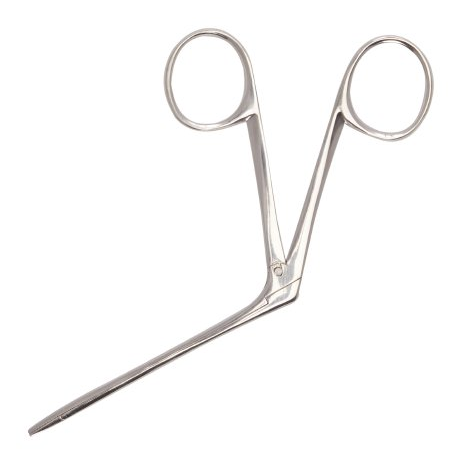
Lucae-Style Ear Forceps (5.5″, Stainless Steel)
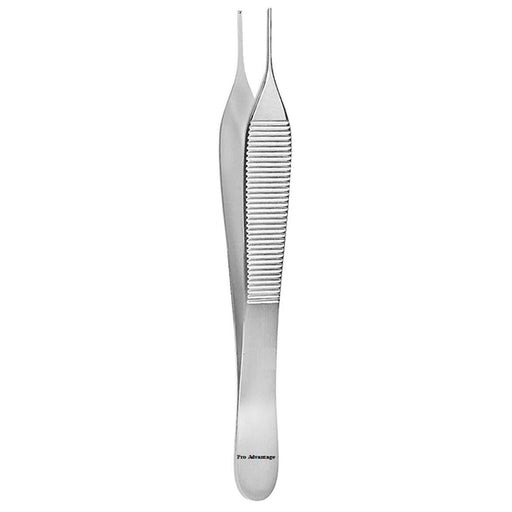
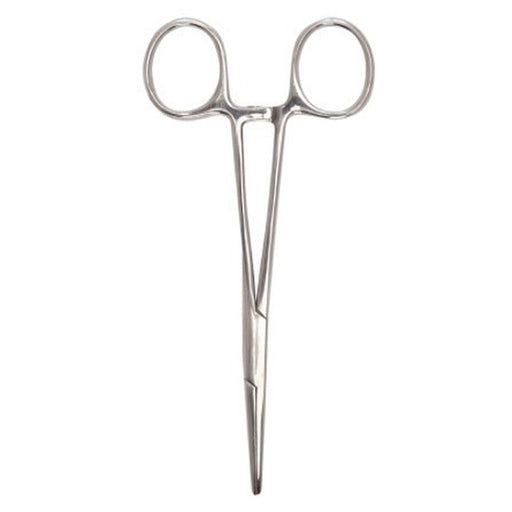
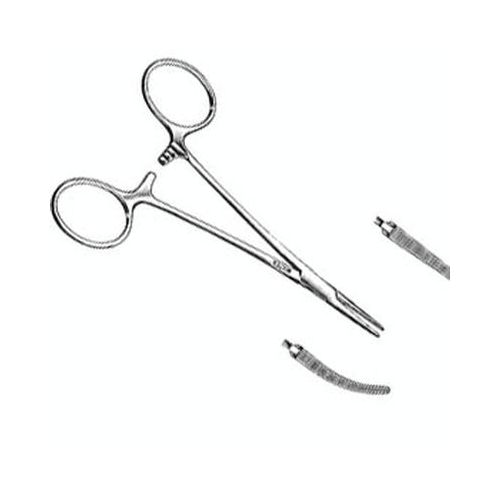
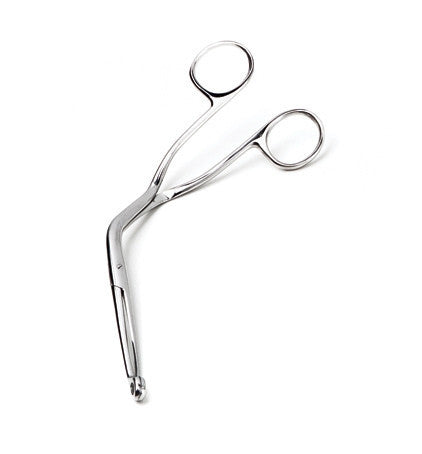
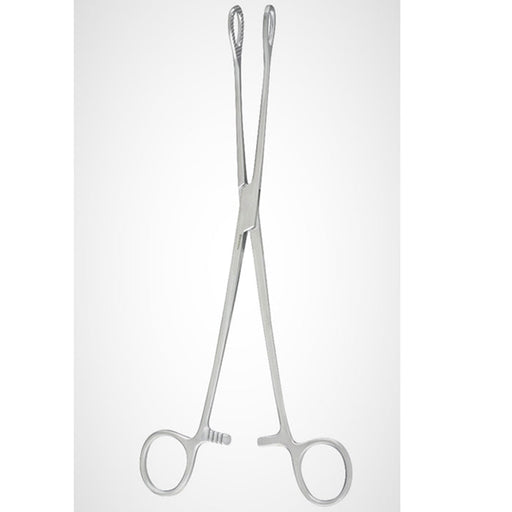
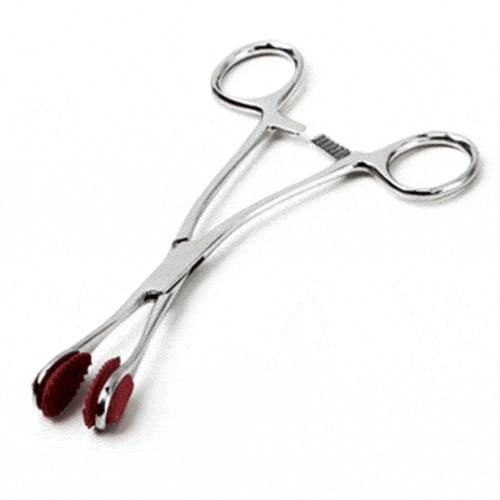
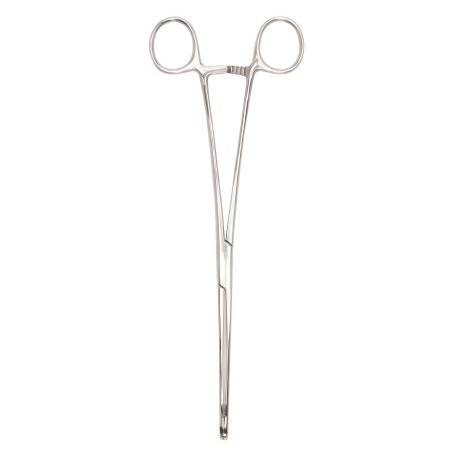
Lucae ear forceps are slender surgical tweezers about 5.5 inches (≈14 cm) long, designed for use in the narrow confines of the ear canal. They typically have a straight or slightly offset (“bayonet”) handle and finely serrated/gripping tips (often with multiple pinches or “teeth”) to grasp cerumen (earwax) or small foreign debris securely. The bayonet (angled) handle keeps the user’s hand out of the line of sight down the ear canal, providing an unobstructed view during procedures. Lucae forceps are made of high-quality stainless steel (often surgical-grade German steel) for durability and sterility. Many models (e.g. McKesson Lucae) are classified as “office-grade” non-sterile instruments and even noted to be latex-free for safe patient use.
-
Length & Control: About 5½″ (14 cm) long, giving optimal control and precision in small spaces.
-
Handle Style: Either straight “thumb” handles or offset (bayonet) shape. The Lucae design often refers to the bayonet style, which angles the tips away from the handle to improve visibility.
-
Tip Design: Serrated jaws or tiny multi-pronged tips – for example, one model has three tiny pins on each jaw – to grip earwax or objects without slipping. The serrations allow a firm hold on soft or slippery material.
-
Material: Made of stainless steel so they can be sterilized and reused. (AliMed notes Lucae forceps come in “German stainless steel or economy stainless steel” options. However, they are often sold as “non-sterile” for clinic use, meaning they must be sterilized before surgical procedures.
Uses:
Such ear forceps are used by healthcare professionals during otologic exams and procedures. They are ideal for precision tasks in the ear – for example, carefully extracting impacted earwax or removing a small foreign object under direct visualization. Product literature specifically cites them as “designed for routine, in-office surgical use,” providing “optimal control for precision tasks”. The offset handle and fine serrated tips allow the clinician to gently access deep in the ear canal without blocking the view. In practice, an ENT doctor or nurse will typically use these forceps while looking through an otoscope or microscope to see the eardrum safely, grasping wax or debris and pulling it out.
Safety & Precautions: Because the ear canal and eardrum are delicate, ear forceps must be used with great care. Only trained professionals should use them, usually under direct vision. Improper use (or blind probing) risks injuring the ear canal or perforating the eardrum. Most product instructions emphasize use in a “controlled” office setting. In summary, Lucae ear forceps (5.5″ stainless steel with serrated tips) are sturdy precision tools for ear hygiene and foreign-body removal, but they require skill and caution to use safely.