EasyTouch Insulin Syringes
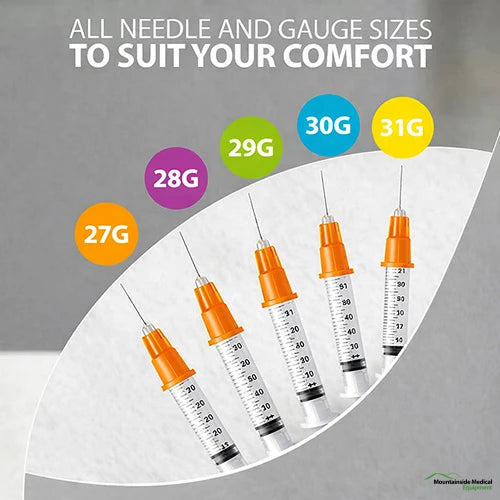
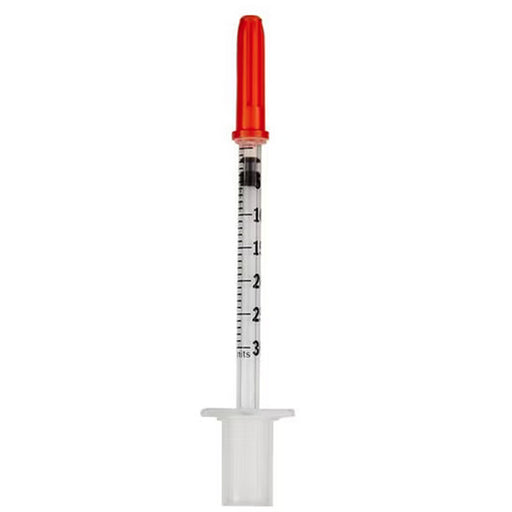
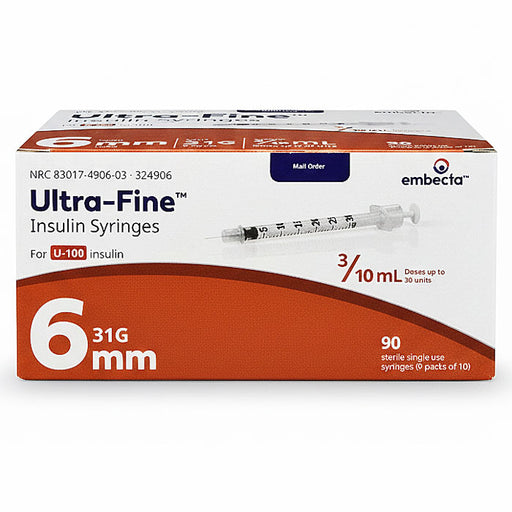
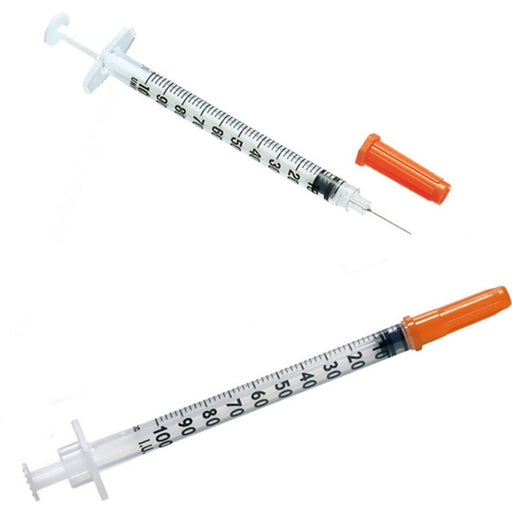
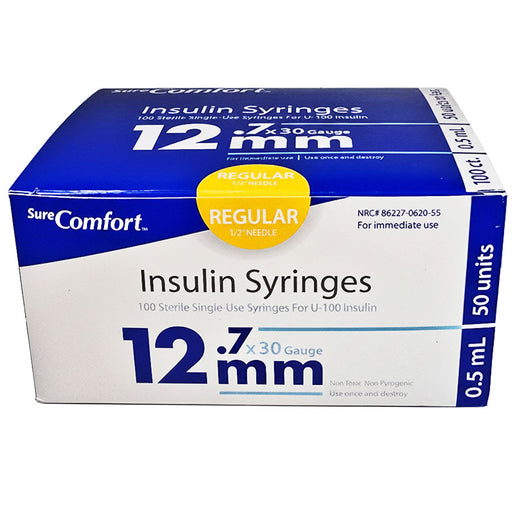
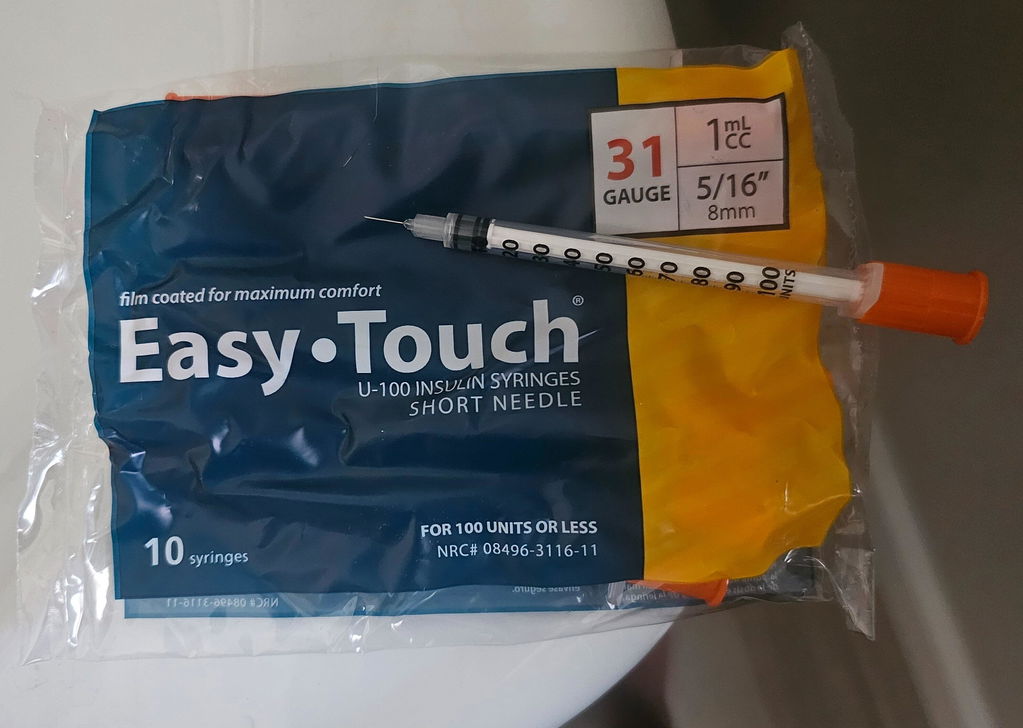
EasyTouch U-100 Syringes are disposable, single-use insulin syringes designed specifically for standard U-100 insulin (100 units per mL). Each 1 mL syringe is calibrated in “units” (1 mL = 100 units), so that 0.5 mL holds 50 units and 0.3 mL holds 30 units. These syringes combine a transparent plastic barrel with a pre-attached thin stainless steel needle for subcutaneous injection. EasyTouch syringes come in capacities of 0.3 cc, 0.5 cc and 1 cc (30, 50 and 100 units), and needle gauges from 27 to 31. The needles are color-coded by gauge (e.g. 27G – orange, 28G – purple, 29G – green, 30G – blue, 31G – yellow) and lengths (½″ ≈ 12.7 mm or 5/16″ ≈ 8 mm). Because they are U-100 syringes, they must be used only with U-100 insulin – mixing U-40 and U-100 syringes can cause serious dosing errors. EasyTouch syringes are sterile, (sold in packs of 100), and are intended for one-time use only.
Please make sure you are selecting the correct size Needle & Syringe in the drop down box on the right when ordering.
Key Features
-
Unit markings: Graduated in insulin units (1 unit = 0.01 mL for U-100 insulin). The barrel is marked clearly in one-unit increments (0–100 for a 1 mL syringe), simplifying dose measurement.
-
Needle design: Sharp, triple-bevel stainless-steel needle for smooth insertion, with an ultrafine (thin-wall) design to allow easier flow of insulin. The needle is typically electro-polished to remove burrs and is film-coated (lubricated) for patient comfort.
-
Short needle length: Insulin injections are subcutaneous (just under the skin), so EasyTouch needles are short. Common lengths are 5/16″ (8 mm) or 1/2″ (12.7 mm) – long enough to reach subcutaneous fat but minimizing pain. Short needles reduce the risk of accidental intramuscular injection.
-
Color-coding by gauge: EasyTouch uses a color system to identify needle size: orange for 27G, purple for 28G, green for 29G, blue for 30G, and yellow for 31G. (Higher gauge means finer, thinner needle; e.g. 31G is finer than 27G.) The cap color matches the box labeling for quick recognition.
-
Low dead-space: Insulin syringes like these are engineered to minimize leftover fluid in the tip (“dead space”). This ensures nearly all drawn insulin is delivered, improving dose accuracy.
-
These U-100 insulin syringes are tailored for optimal diabetes care, supporting essential insulin injections and blood glucose management in adults and children. With ultra-fine needles, these syringes ensure less pain and anxiety during daily diabetes treatment, while the sterile, disposable design prevents cross-contamination and infection. Key for effective glycemic control, these syringes are also compatible with the most popular insulin medications, such as Humalog, Novolog, Lantus, Levemir, and more.
Perfect for home use, hospital pharmacies, nursing homes, and clinic settings, these single-use syringes are equipped for reliable insulin administration, hormone therapy, and other subcutaneous injection needs.
Using an Insulin Syringe
When injecting insulin with an EasyTouch syringe, follow standard insulin injection technique. The basic steps are:
-
Wash hands and prepare supplies. Check the insulin vial (expiration date, clarity). Remove the syringe and its protective caps (the needle cap and plunger cap). Pull the plunger back to the desired unit marking to draw air into the syringe equal to your insulin dose.
-
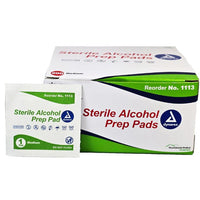
Inject air into vial. Wipe the top of the insulin vial with an alcohol swab. With the vial standing on the countertop, insert the needle through the rubber stopper and inject the air into the vial. (This prevents creating a vacuum and makes insulin withdrawal easier.)
-
Draw up insulin. Turn the vial upside down (needle still in vial, below the insulin surface). Slowly pull back the plunger to draw insulin into the syringe. Pull a few extra units more than your dose (this ensures you can eliminate bubbles and fine-tune the dose). Check that the very end of the needle is fully submerged in the insulin (not in air) to avoid air draw-up.
-
Eliminate air bubbles. Hold the syringe upright (needle tip up) and gently tap the syringe to move any air bubbles to the top. Then push the plunger slowly until the bottom of the plunger stopper lines up with your prescribed unit mark, forcing the extra insulin (and bubbles) back into the vial. Verify the correct units remain in the syringe with only fluid inside. Remove the syringe from the vial.
-
Choose injection site. Insulin should be injected into a fatty area: the abdomen (around the belly, avoiding 2 inches around navel) is common, as are the upper outer thighs or upper buttocks. The upper arm (triceps area) can be used if there is sufficient fat. Rotate sites to avoid lipodystrophy.
-
Prepare skin. Clean the skin at the injection site with an alcohol swab and let it dry. Gently pinch up a small fold of skin (this “pinch” helps ensure the insulin goes into subcutaneous tissue, not muscle).
-
Inject the insulin. Insert the needle at a 90-degree angle to the skin (if using the shorter 5/16″ needle, 90° is usually fine; for longer needles or a very lean patient you might angle 45°). Push the needle fully into the skin fold. Inject the insulin by pressing the plunger all the way down.
-
Hold and remove. After injecting, keep the needle in place for about 10 seconds before withdrawing. This pause helps ensure the full dose is released and prevents insulin from leaking out. Then withdraw the needle and release the skin fold.
-
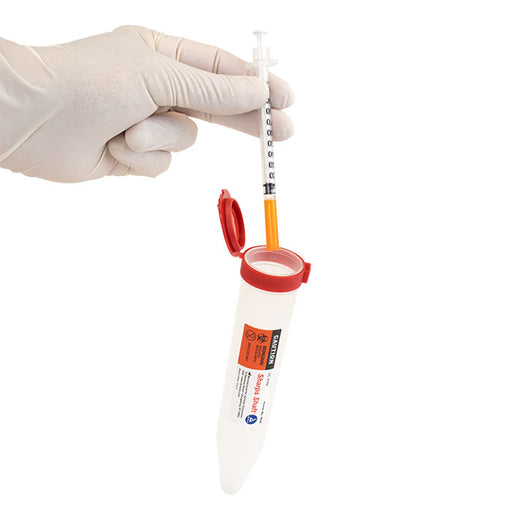
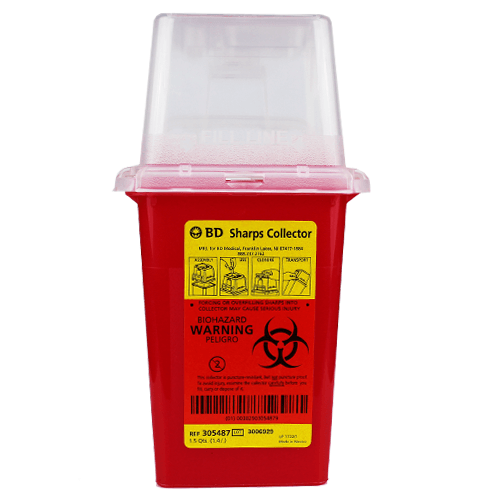
Dispose of syringe. Immediately replace the needle cap (if you need to recap – otherwise do not recap by hand) and discard the syringe in a designated sharps container. Do not reuse the syringe or needle (reuse is unsafe, can introduce infection or cause clogs). Follow local regulations for sharps disposal.
Important: Always use a new, sterile insulin syringe for each injection. Do not share needles or syringes with others. Using the correct “U-100” syringe count is critical: one unit marking equals one unit of U-100 insulin. (Using a wrong syringe type—e.g. a U-40 syringe—will result in a tenfold dosing error.
Tips and Precautions
-
Needle length and angle: Most EasyTouch insulin needles are short, but if using a longer needle (½″), it is still best to inject subcutaneously (90° into a pinched fold). Injecting at the right depth helps avoid intramuscular injection (which can alter insulin absorption).
-
Air bubbles: Small air bubbles are normal and don’t significantly affect small insulin doses, but always try to remove obvious bubbles as described. If a large bubble remains, discard it and draw again.
-
Blood from site: If a drop of blood appears, dab it with gauze; this is not uncommon and is usually harmless.
-
Avoid pain/discomfort: Inject quickly but smoothly; do not move the needle around under the skin. Film-coated needles help reduce discomfort.
-
Temperature of insulin: Insulin is less painful and more effective when injected at room temperature. If refrigerated, warm the vial in your hands for a minute or two (don’t shake vigorously).
-
Sterility: Keep the syringe and needle sterile. If a syringe falls on the floor or the needle touches any unclean surface, discard it and use a new one.
Key Features & Benefits:
-
Ultra-Fine Needles: Minimize injection pain, reduce skin trauma
-
Clear, Precise Dosage Markings: Accurate dosing, easy to read
-
Sterile, Single-Use: Prevents cross-contamination and infection
-
Latex-Free & Allergy Friendly: Ideal for sensitive users
-
Universal Fit: Compatible with any U-100 insulin brands
-
Trustworthy Brand: MHC leading name in medical syringes and diabetes supplies
Who Needs These Syringes?
- Diabetes patients (Type 1, Type 2, Gestational)
- Endocrinology clinics
- Home health nurses
- Pharmacies and hospitals
- Caregivers and family members
Why Choose Easy Touch U-100 Insulin Syringes?
- Most comfortable insulin needle for adults & children
-
Reduces risk of infection with single-use, sterile design
-
Improves patient compliance with clear markings and easy handling
- Trusted by diabetes educators and healthcare professionals worldwide
-
Bulk pack of 100 syringes for dependable daily use
Product Overview:
-
Product Name: Insulin Syringes with Needle U-100, Easy Touch
-
Count: 100 Syringes per Box
-
Gauge Sizes: Ultra-fine needle options for painless injection
- Sterile & Disposable
- For U-100 Insulin Only
-
Brand: MHC (Midwest Health Care)
- Latex-Free Construction
- Individually Sealed for Maximum Safety
- Fast Shipping, Trusted Pharmacy Supplier
EasyTouch U-100 syringes are a standard brand of insulin syringe; their operation is the same as any disposable insulin syringe. With proper technique—matching screw-on needle to insulin, correct measurement, and safe injection practice—they help ensure accurate dosing and patient comfort
- Diabetes management: Intended to support subcutaneous insulin administration for patients diagnosed with Type 1 diabetes, Type 2 diabetes, and gestational diabetes — select gauge and barrel volume based on prescribed insulin dose and patient subcutaneous tissue assessment
- Peptide and semaglutide injections: Suitable for subcutaneous administration of low-volume injectable compounds, including GLP-1 receptor agonists; the 0.3 mL barrel with 31G needle is designed to support precision micro-dosing in medspa, weight management, and endocrinology clinic settings
- Recommended clinical settings: Endocrinology clinics, primary care practices, hospital pharmacies, nursing homes, home health nursing, aesthetic medspa facilities, and institutional pharmacy buyers
- Veterinary application: EasyTouch insulin syringes are noted as suitable for veterinary insulin administration — confirm appropriate gauge and dose volume with a licensed veterinarian
- Caregiver and home use: Individually wrapped sterile design supports safe, hygienic administration by trained caregivers and patients conducting self-injection at home
- Bulk and wholesale procurement: Available in 100-count boxes; Mountainside Medical supports bulk institutional purchasing — contact sales@mountainside-medical.com or +1 (888) 687-4334 for volume pricing
This product is intended for use by qualified healthcare professionals or under the guidance of a licensed medical provider. It is not a substitute for professional medical advice, diagnosis, or treatment.
The information provided on this page is intended for general educational and informational purposes only. It does not constitute medical advice, diagnosis, or treatment guidance. EasyTouch insulin syringes are medical devices intended for use by or under the direction of a licensed healthcare professional. Patients should consult their prescribing physician, endocrinologist, or licensed pharmacist before selecting a needle gauge, barrel volume, or injection technique. Syringe selection based solely on online product descriptions without professional clinical assessment may result in dosing errors or patient harm.
All insulin syringe purchases must comply with applicable US federal, state, and local regulations. Some states require a valid prescription or medical license for purchase. Mountainside Medical Equipment does not provide medical advice and is not responsible for clinical decisions made on the basis of product descriptions alone.
Manufacturer specifications, clinical performance claims, and compatibility information on this page reflect data provided by MHC Medical (Midwest Health Care) and published product documentation. The 2011 sharpness comparative score referenced on this page is cited from EasyTouch product documentation — full independent study details were not available in the provided data; contact MHC Medical directly for source verification.
For sharps disposal guidance, refer to the US Food and Drug Administration (FDA) Safe Sharps Disposal resource at www.fda.gov.
 Skip to content