Skip to content

Added to your cart:

Cart subtotal

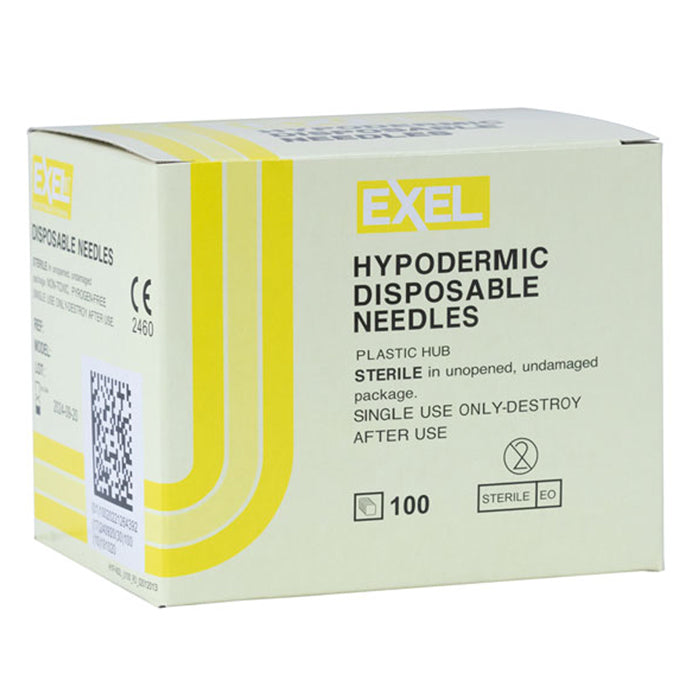
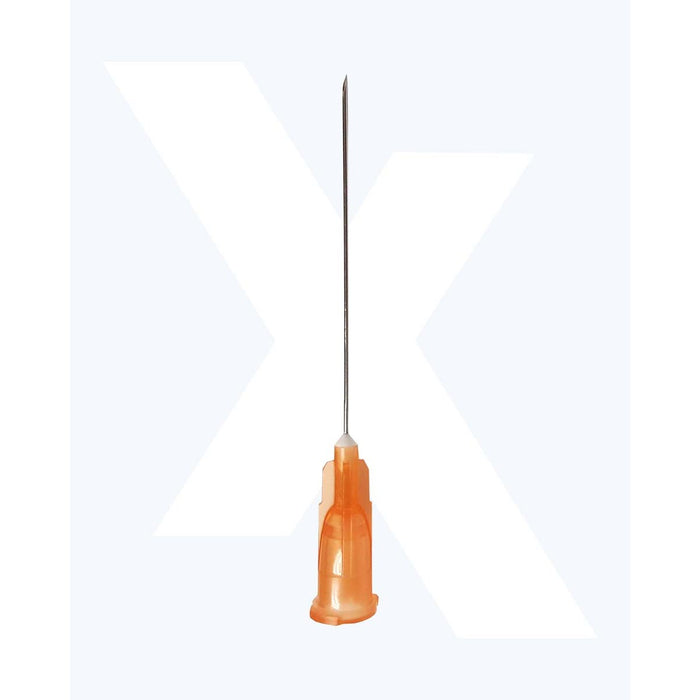
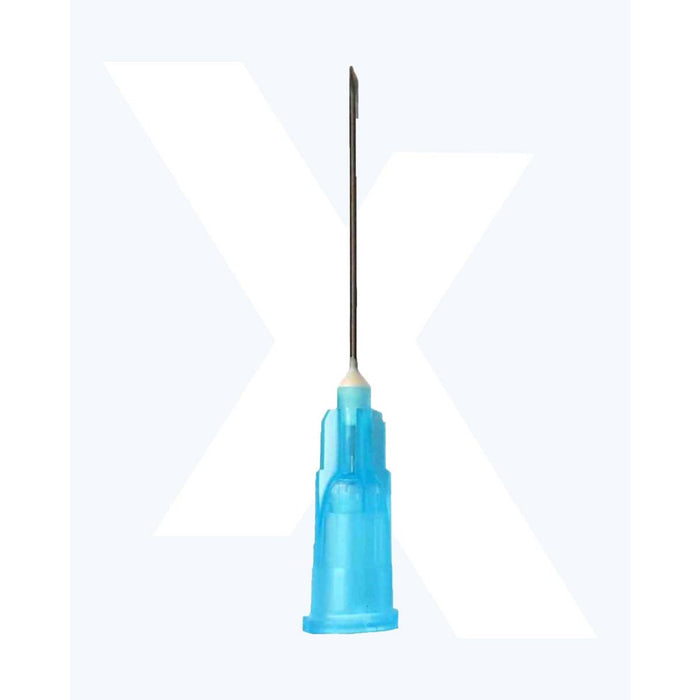
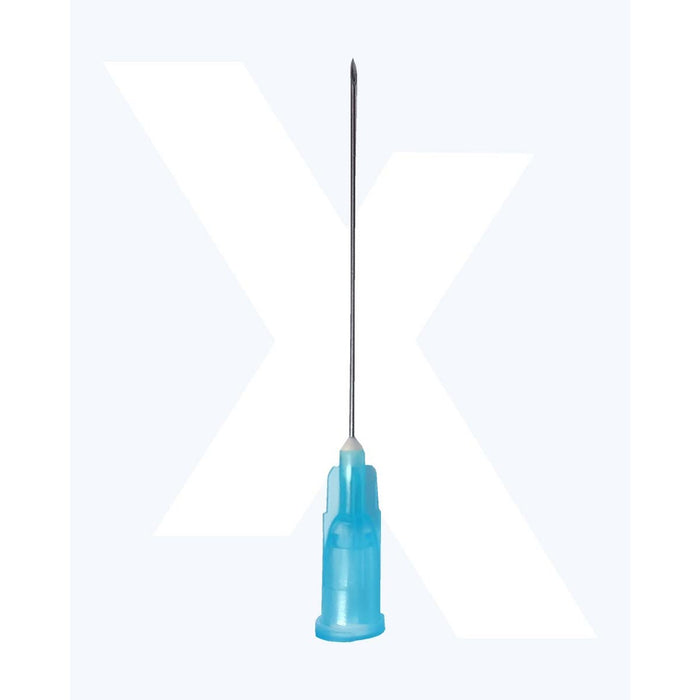
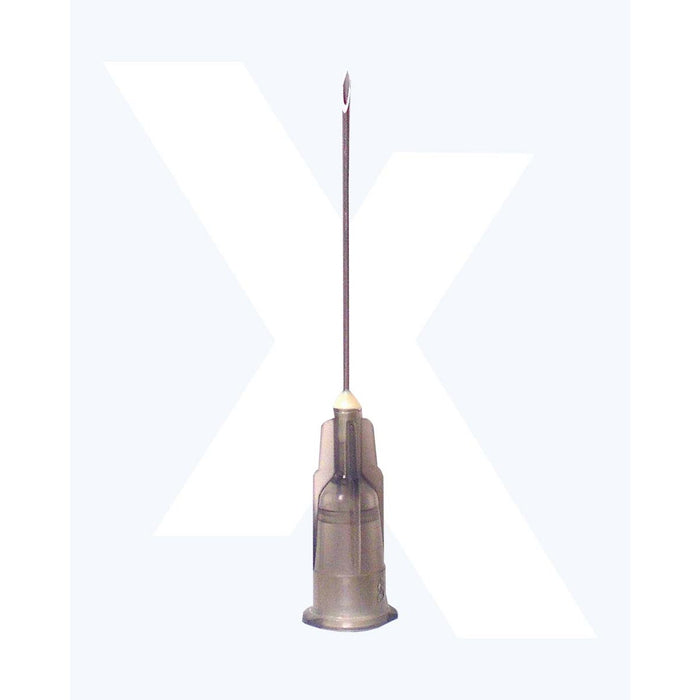
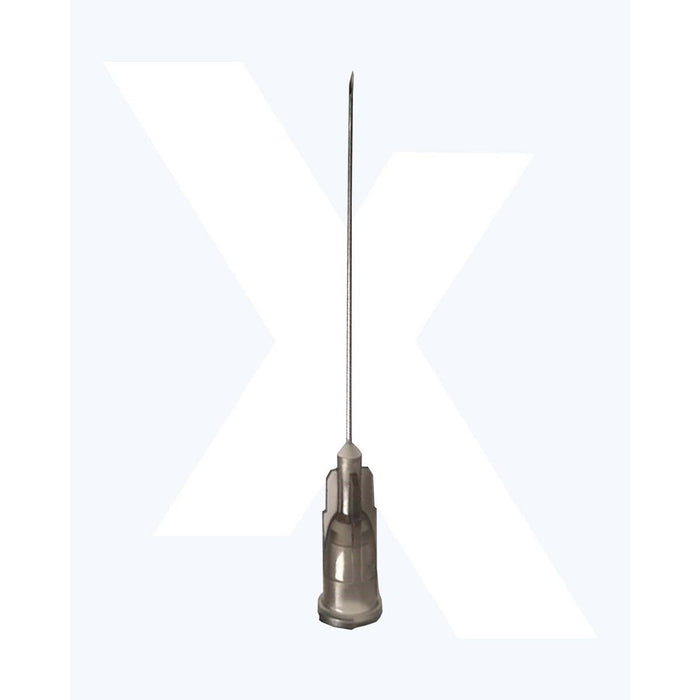
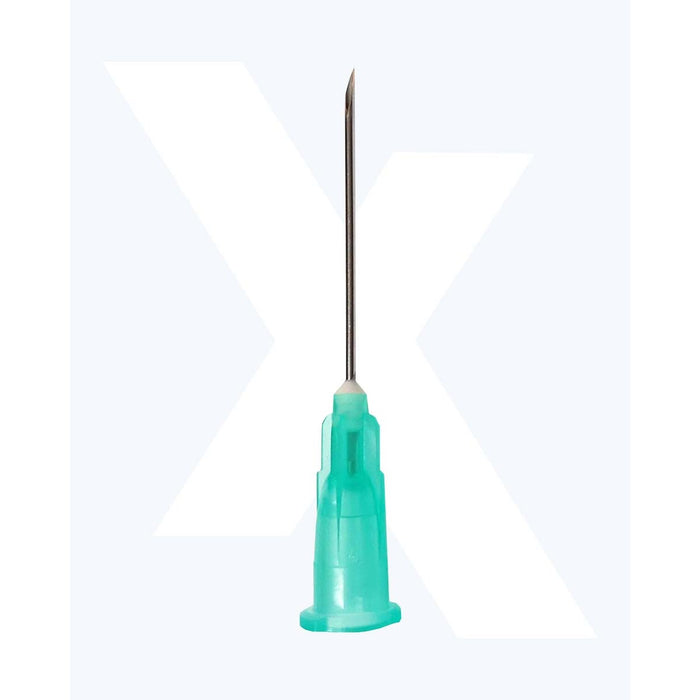
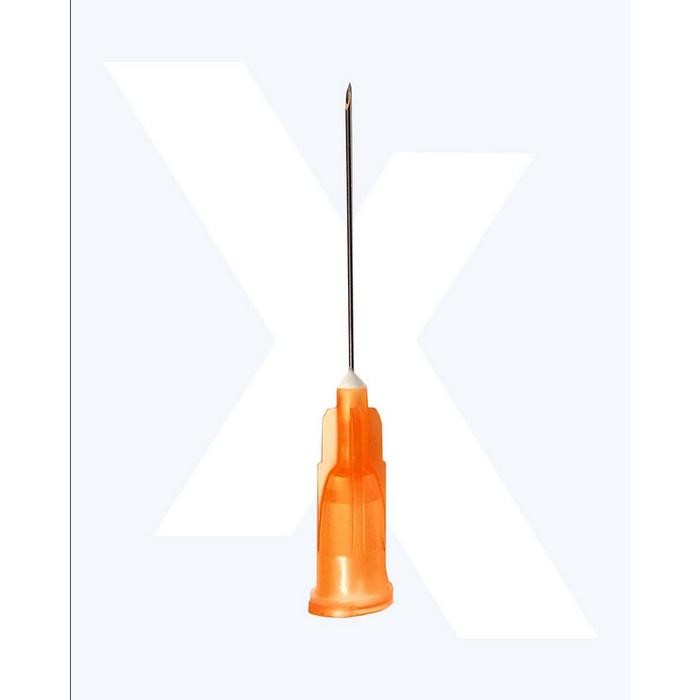
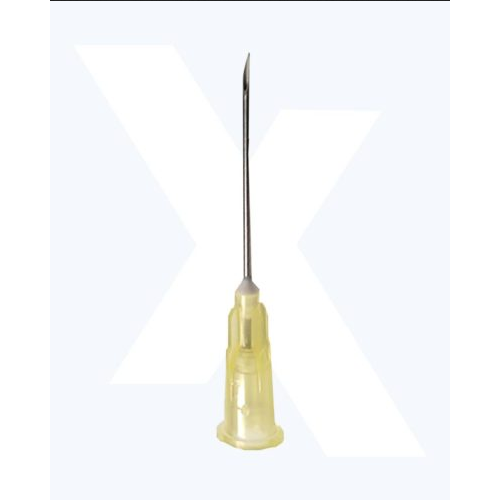
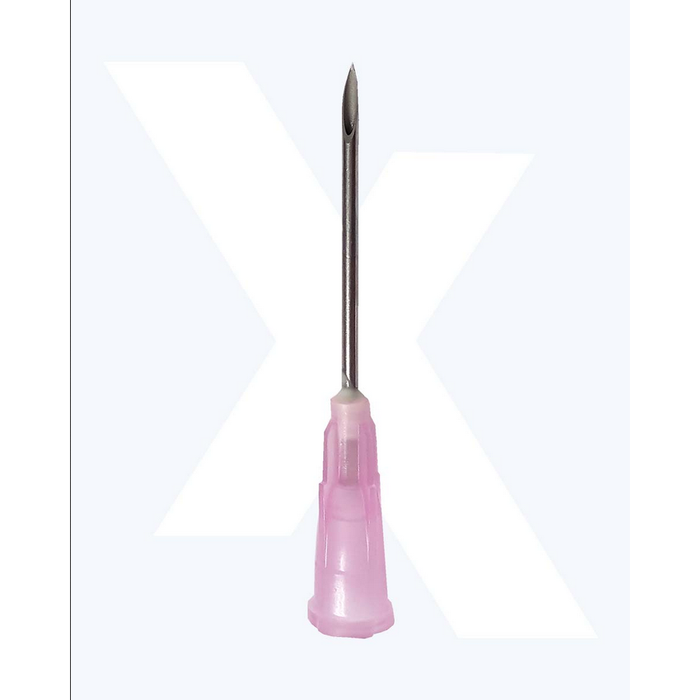
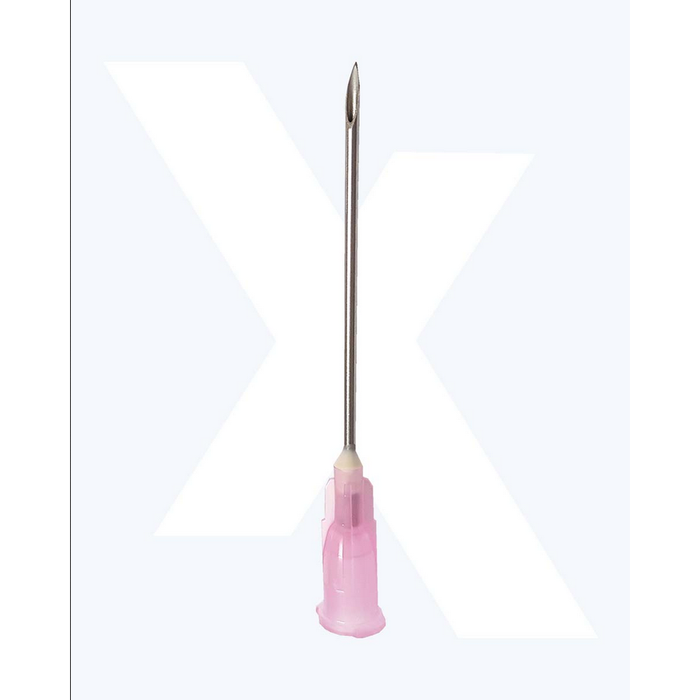
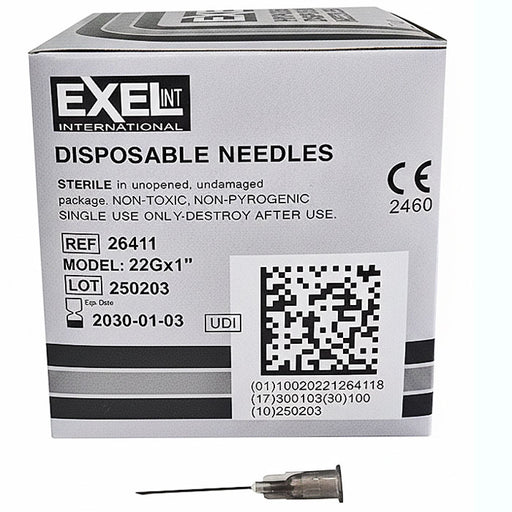
Exel Hypodermic Needles, Sterile, Single-Use 100/box

SKU Exel26403
Sale 23%
Original price $ 12.95
Current price $ 9.95
In stock
Fast Delivery
Fast Delivery
24/7 Support
24/7 Support
Easy Returns
Easy Returns
Hospital Grade
Hospital Grade
Free Shipping on orders above $100
Returns 30-day return / replacement
Payment Secure transaction
Packaging Ships in product packaging
Service-Disabled Veteran-Owned Small Business
Located in Adirondack Mountains in NY
Family Owned Business 2002
Sale 23%
Original price $ 12.95
Current price $ 9.95
Free Shipping on orders above $100
Returns 30-day return / replacement
Payment Secure transaction
Packaging Ships in product packaging
Exel Hypodermic Needles, Sterile, Single-Use 100/box
$ 12.95 $ 9.95
Description

Hypodermic Needles

A hypodermic needle is a thin, hollow, sharp-tipped medical needle used with a syringe to inject or withdraw fluids through the skin. Common uses include injecting medications (intramuscularly, subcutaneously, intradermally) and drawing blood or IV fluids. Hypodermic needles come in many types and sizes for different purposes, but all share a pointed bevel and a hub that attaches to a syringe. They are typically single-use and sterile. (Reusing needles is strictly prohibited; after use they must go into a sharps container.)

Types of Needles

Hypodermic needles vary by design according to use:

  • Injection needles: Standard straight needles used for intramuscular (IM), subcutaneous (SC), or intradermal (ID) injections. IM needles are longer (usually 1–1.5 inches) and larger bore (18–25 gauge) to reach muscle; SC needles are shorter (½–⅝ inch) and finer (25–30 gauge); ID needles are very short (⅜–½ inch) and fine (often 25–27 gauge). The tip is usually long-bevelled for smooth penetration of skin.
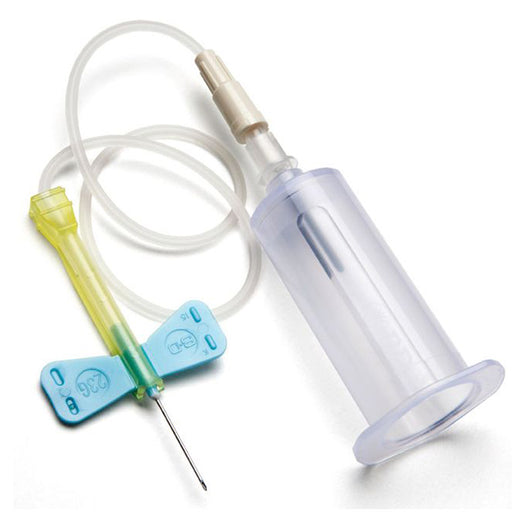
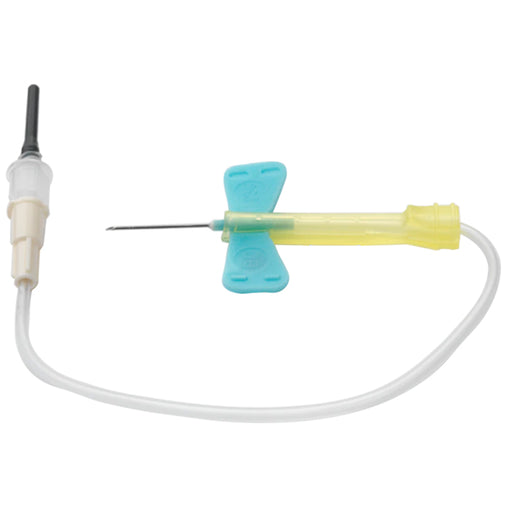
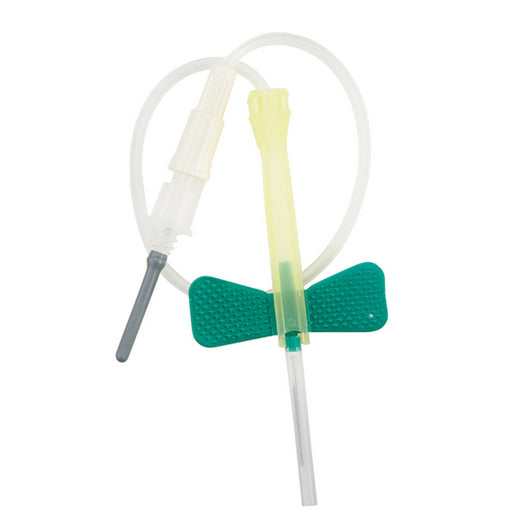
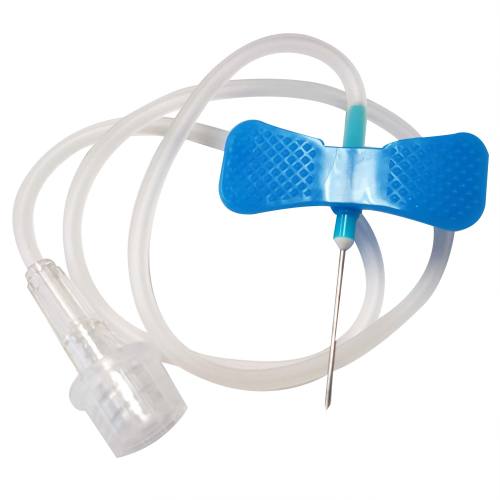
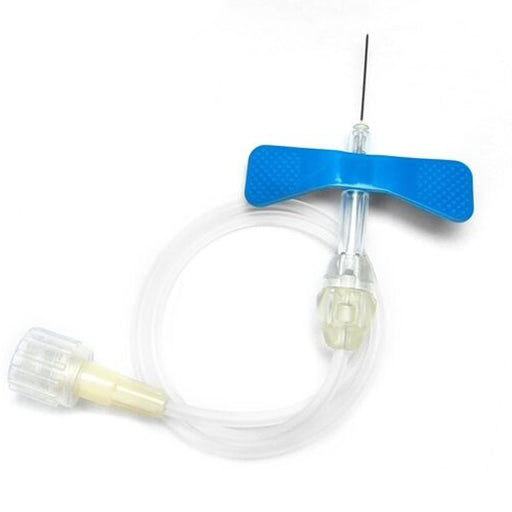
  • Butterfly (winged) needles: These have a short needle with two flexible “wings” and a length of tubing. They are used for venipuncture (drawing blood) or IV infusions in small veins. The wings help stabilize the needle. Butterfly needles are commonly 20–25 gauge and ¾–1 inch long, often color-coded like other needles.
  • Spinal (lumbar puncture) needles: Long (3–4 inches), flexible needles with a pencil-point or Quincke (beveled) tip. Used to inject into the spinal canal or to withdraw cerebrospinal fluid during anesthesia or diagnostic taps. These are much longer than typical injection needles (often 22–27 gauge). They often have special stylets and safety grips.
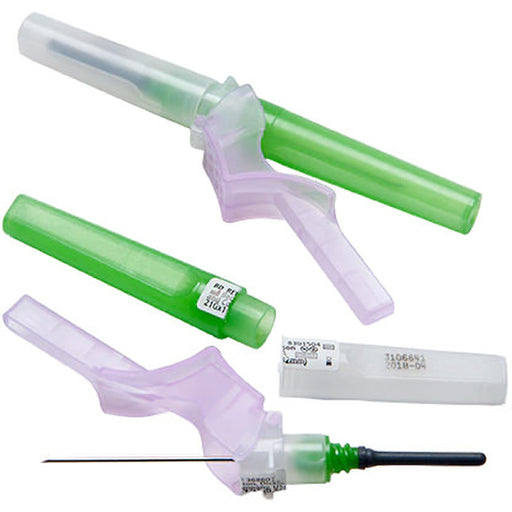
  • Safety needles: Modern needles often have built-in safety features (sheaths or retractable shields) that cover the needle after use to prevent needlestick injuries. These look like regular needles but lock or retract the sharp end immediately after withdrawing.
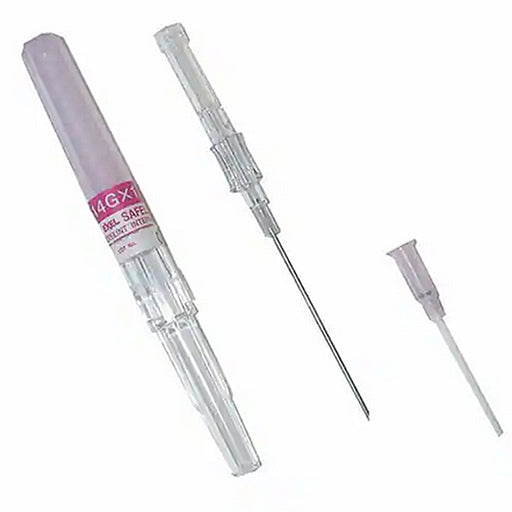
  • Other specialized needles: For example, insulin pen needles (very short, thin for pen injectors), catheter-over-needle for IV cannulas (once inserted, the steel needle is withdrawn leaving a flexible catheter), and filter needles (with built-in filters used when drawing medication from ampoules to catch glass particles).

Sizes and Color Coding

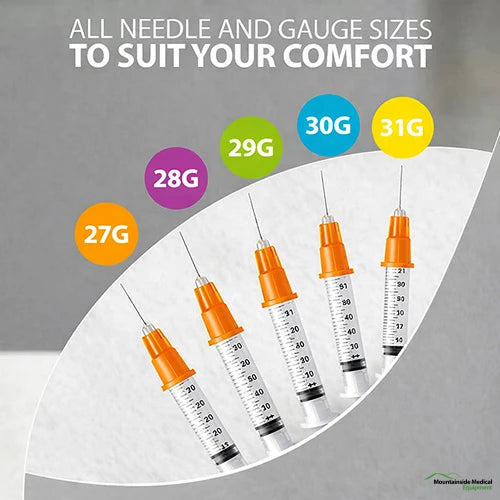
Needle gauge indicates diameter (the larger the gauge number, the thinner the needle). Sizes typically range from about 7G (huge) to 34G (ultra fine). In medical practice:

  • IM injections: often use 18–25G (about 1–2 mm diameter).
  • Blood draws/IVs: often use 20–22G (about 0.65–0.9 mm) – epidemiologically, 21G needles are very common for phlebotomy. Larger needles (16–17G) are used for high-flow needs like blood donation.
  • SC injections: 25–30G (0.3–0.5 mm) are typical.
  • ID injections: 25–27G for tiny dermal injections.

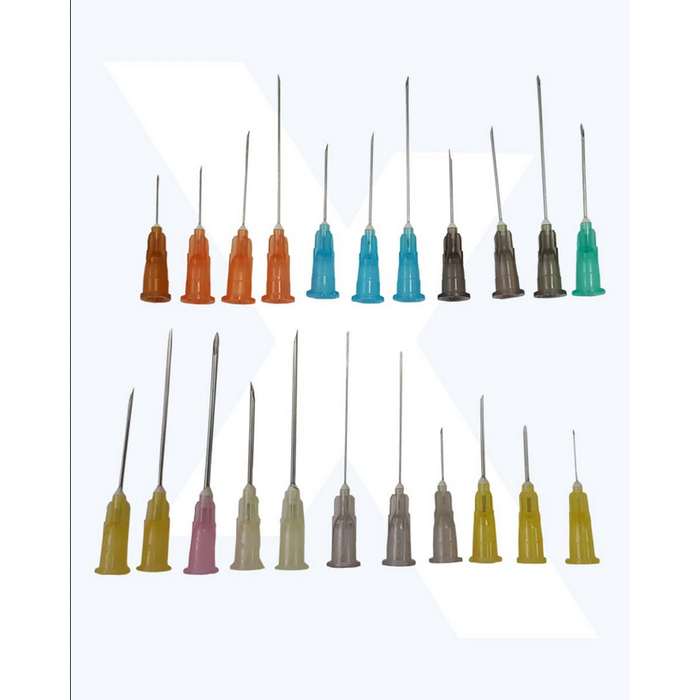
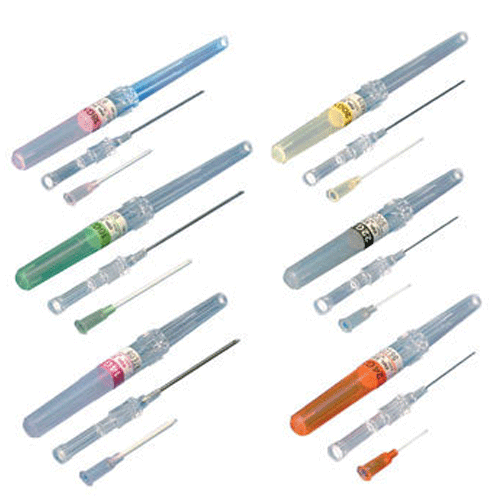
Manufacturers often use standard color codes on the needle hub to indicate gauge (as per ISO 6009). For example:

  • 18G – often green (or pink in some systems)
  • 20G – pink or yellow
  • 21G – green (common for blood draws)
  • 22G – blue (common IV/phlebotomy needle)
  • 25G – orange (common insulin or vaccine needles)
  • 27G – gray or light blue (smallest injection needles)

(Note: color codes may differ by manufacturer, but the ISO standard provides consistency.) Needle lengths also vary: intradermal and short SC needles are ~⅜–½ inch; typical SC/IM needles are 1–1½ inches; long spinal needles are 3–4 inches.

Insertion Technique

Proper aseptic technique is crucial. Key steps (for a typical injection) include:

  • Prepare equipment: Use a new sterile needle and syringe. Expel air from syringe and attach the needle firmly. Check the prescription and patient identity.
  • Clean the skin: Swab the injection site with 60–70% alcohol or chlorhexidine, moving outward in circles, for about 30 seconds and let it dry. This reduces infection risk.
  • Position skin: Stretch the skin taut for IM injections (to help needle entry) or pinch up a fold for SC injections. Choose correct injection site (e.g. deltoid or thigh for IM, abdomen or arm for SC).
  • Insert needle: With the bevel up, insert the needle swiftly at the appropriate angle: 90° for IM (solid muscle) or sometimes SC if using a short needle; 45° for SC if using a longer needle and thin tissue; and about 5–15° intradermally so the tip is just under the skin.
  • Aspirate (if recommended): Gently pull back on the plunger briefly to check for blood. (If blood is seen, the needle is in a vessel – withdraw and try again at a new site.) Note: Routine aspiration before every IM injection is no longer universally required for vaccines, but many clinicians still aspirate for large-volume injections.
  • Inject medication: Slowly push the plunger to administer the medication. Injecting slowly (over several seconds) decreases pain. The total injected volume depends on site and patient size (e.g. up to ~2–5 mL for large muscles, smaller for SC or ID).
  • Withdraw and cover: Withdraw the needle smoothly. Immediately cover the site with gauze or a bandage and apply gentle pressure to prevent bleeding. Do not recap the needle by hand – drop it directly into a sharps container.

General tips: Relax the muscle if IM (tension causes more pain). Injecting too quickly or a thick liquid can cause discomfort – use an appropriate needle gauge (thicker gauge for viscous fluids). Always use the smallest needle that is practical for the injection to minimize pain.

Key Points and Safety

  • Always use single-use sterile needles and dispose of them in an approved sharps container. Never reuse or recap needles.
  • Choose the correct needle type, gauge, and length for the injection route and patient (child vs adult, muscle vs fat thickness).
  • Monitor patient after injection for any adverse reaction (rash, difficulty breathing, etc.). Have emergency equipment ready if administering large or IV injections.
  • Avoid local trauma: Insert and withdraw smoothly. Do not inject rapidly into a tight tissue compartment. For IM injections, avoid hits to bone by using correct landmarking (deltoid, gluteal, etc.).
  • For intradermal (e.g. allergy or TB test), the needle just under skin should raise a small bleb. For subcutaneous (e.g. insulin), inject into fat layer. For IM (e.g. vaccines, antibiotics), inject deep into muscle.
Description

Hypodermic Needles

A hypodermic needle is a thin, hollow, sharp-tipped medical needle used with a syringe to inject or withdraw fluids through the skin. Common uses include injecting medications (intramuscularly, subcutaneously, intradermally) and drawing blood or IV fluids. Hypodermic needles come in many types and sizes for different purposes, but all share a pointed bevel and a hub that attaches to a syringe. They are typically single-use and sterile. (Reusing needles is strictly prohibited; after use they must go into a sharps container.)

Types of Needles

Hypodermic needles vary by design according to use:

  • Injection needles: Standard straight needles used for intramuscular (IM), subcutaneous (SC), or intradermal (ID) injections. IM needles are longer (usually 1–1.5 inches) and larger bore (18–25 gauge) to reach muscle; SC needles are shorter (½–⅝ inch) and finer (25–30 gauge); ID needles are very short (⅜–½ inch) and fine (often 25–27 gauge). The tip is usually long-bevelled for smooth penetration of skin.
  • Butterfly (winged) needles: These have a short needle with two flexible “wings” and a length of tubing. They are used for venipuncture (drawing blood) or IV infusions in small veins. The wings help stabilize the needle. Butterfly needles are commonly 20–25 gauge and ¾–1 inch long, often color-coded like other needles.
  • Spinal (lumbar puncture) needles: Long (3–4 inches), flexible needles with a pencil-point or Quincke (beveled) tip. Used to inject into the spinal canal or to withdraw cerebrospinal fluid during anesthesia or diagnostic taps. These are much longer than typical injection needles (often 22–27 gauge). They often have special stylets and safety grips.

  • Safety needles: Modern needles often have built-in safety features (sheaths or retractable shields) that cover the needle after use to prevent needlestick injuries. These look like regular needles but lock or retract the sharp end immediately after withdrawing.
  • Other specialized needles: For example, insulin pen needles (very short, thin for pen injectors), catheter-over-needle for IV cannulas (once inserted, the steel needle is withdrawn leaving a flexible catheter), and filter needles (with built-in filters used when drawing medication from ampoules to catch glass particles).

Sizes and Color Coding

Needle gauge indicates diameter (the larger the gauge number, the thinner the needle). Sizes typically range from about 7G (huge) to 34G (ultra fine). In medical practice:

  • IM injections: often use 18–25G (about 1–2 mm diameter).
  • Blood draws/IVs: often use 20–22G (about 0.65–0.9 mm) – epidemiologically, 21G needles are very common for phlebotomy. Larger needles (16–17G) are used for high-flow needs like blood donation.
  • SC injections: 25–30G (0.3–0.5 mm) are typical.
  • ID injections: 25–27G for tiny dermal injections.

Manufacturers often use standard color codes on the needle hub to indicate gauge (as per ISO 6009). For example:

  • 18G – often green (or pink in some systems)
  • 20G – pink or yellow
  • 21G – green (common for blood draws)
  • 22G – blue (common IV/phlebotomy needle)
  • 25G – orange (common insulin or vaccine needles)
  • 27G – gray or light blue (smallest injection needles)

(Note: color codes may differ by manufacturer, but the ISO standard provides consistency.) Needle lengths also vary: intradermal and short SC needles are ~⅜–½ inch; typical SC/IM needles are 1–1½ inches; long spinal needles are 3–4 inches.

Insertion Technique

Proper aseptic technique is crucial. Key steps (for a typical injection) include:

  • Prepare equipment: Use a new sterile needle and syringe. Expel air from syringe and attach the needle firmly. Check the prescription and patient identity.
  • Clean the skin: Swab the injection site with 60–70% alcohol or chlorhexidine, moving outward in circles, for about 30 seconds and let it dry. This reduces infection risk.
  • Position skin: Stretch the skin taut for IM injections (to help needle entry) or pinch up a fold for SC injections. Choose correct injection site (e.g. deltoid or thigh for IM, abdomen or arm for SC).
  • Insert needle: With the bevel up, insert the needle swiftly at the appropriate angle: 90° for IM (solid muscle) or sometimes SC if using a short needle; 45° for SC if using a longer needle and thin tissue; and about 5–15° intradermally so the tip is just under the skin.
  • Aspirate (if recommended): Gently pull back on the plunger briefly to check for blood. (If blood is seen, the needle is in a vessel – withdraw and try again at a new site.) Note: Routine aspiration before every IM injection is no longer universally required for vaccines, but many clinicians still aspirate for large-volume injections.
  • Inject medication: Slowly push the plunger to administer the medication. Injecting slowly (over several seconds) decreases pain. The total injected volume depends on site and patient size (e.g. up to ~2–5 mL for large muscles, smaller for SC or ID).
  • Withdraw and cover: Withdraw the needle smoothly. Immediately cover the site with gauze or a bandage and apply gentle pressure to prevent bleeding. Do not recap the needle by hand – drop it directly into a sharps container.

General tips: Relax the muscle if IM (tension causes more pain). Injecting too quickly or a thick liquid can cause discomfort – use an appropriate needle gauge (thicker gauge for viscous fluids). Always use the smallest needle that is practical for the injection to minimize pain.

Key Points and Safety

  • Always use single-use sterile needles and dispose of them in an approved sharps container. Never reuse or recap needles.
  • Choose the correct needle type, gauge, and length for the injection route and patient (child vs adult, muscle vs fat thickness).
  • Monitor patient after injection for any adverse reaction (rash, difficulty breathing, etc.). Have emergency equipment ready if administering large or IV injections.
  • Avoid local trauma: Insert and withdraw smoothly. Do not inject rapidly into a tight tissue compartment. For IM injections, avoid hits to bone by using correct landmarking (deltoid, gluteal, etc.).
  • For intradermal (e.g. allergy or TB test), the needle just under skin should raise a small bleb. For subcutaneous (e.g. insulin), inject into fat layer. For IM (e.g. vaccines, antibiotics), inject deep into muscle.

Get Notified When Back in Stock